
Trusted by 2 million American customers
HSA/FSA Eligible Exercise Bikes
Shop indoor cycling bikes, smart trainers, recumbent bikes, and more that may qualify for HSA/FSA spending when cycling is part of a treatment plan.
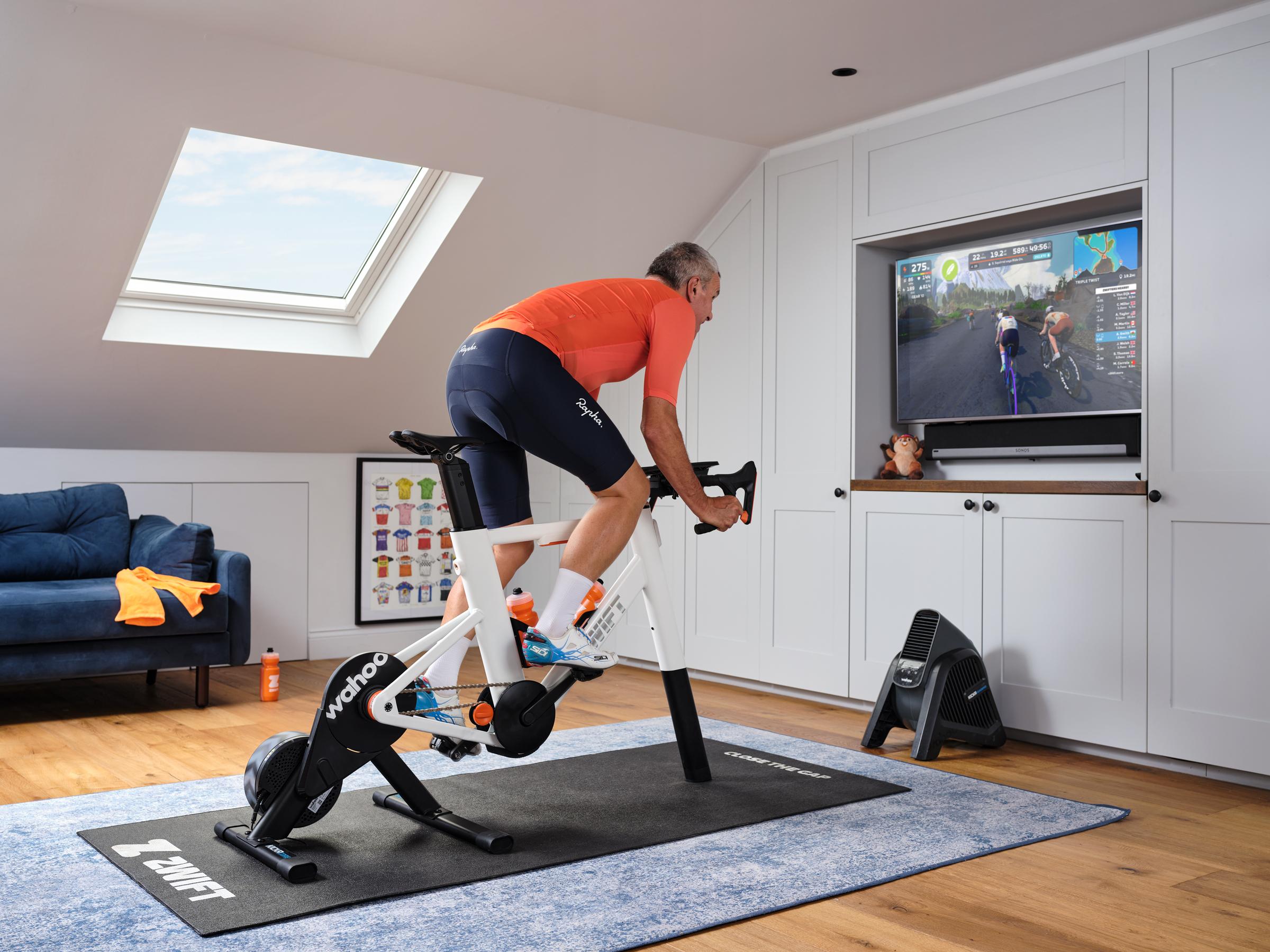

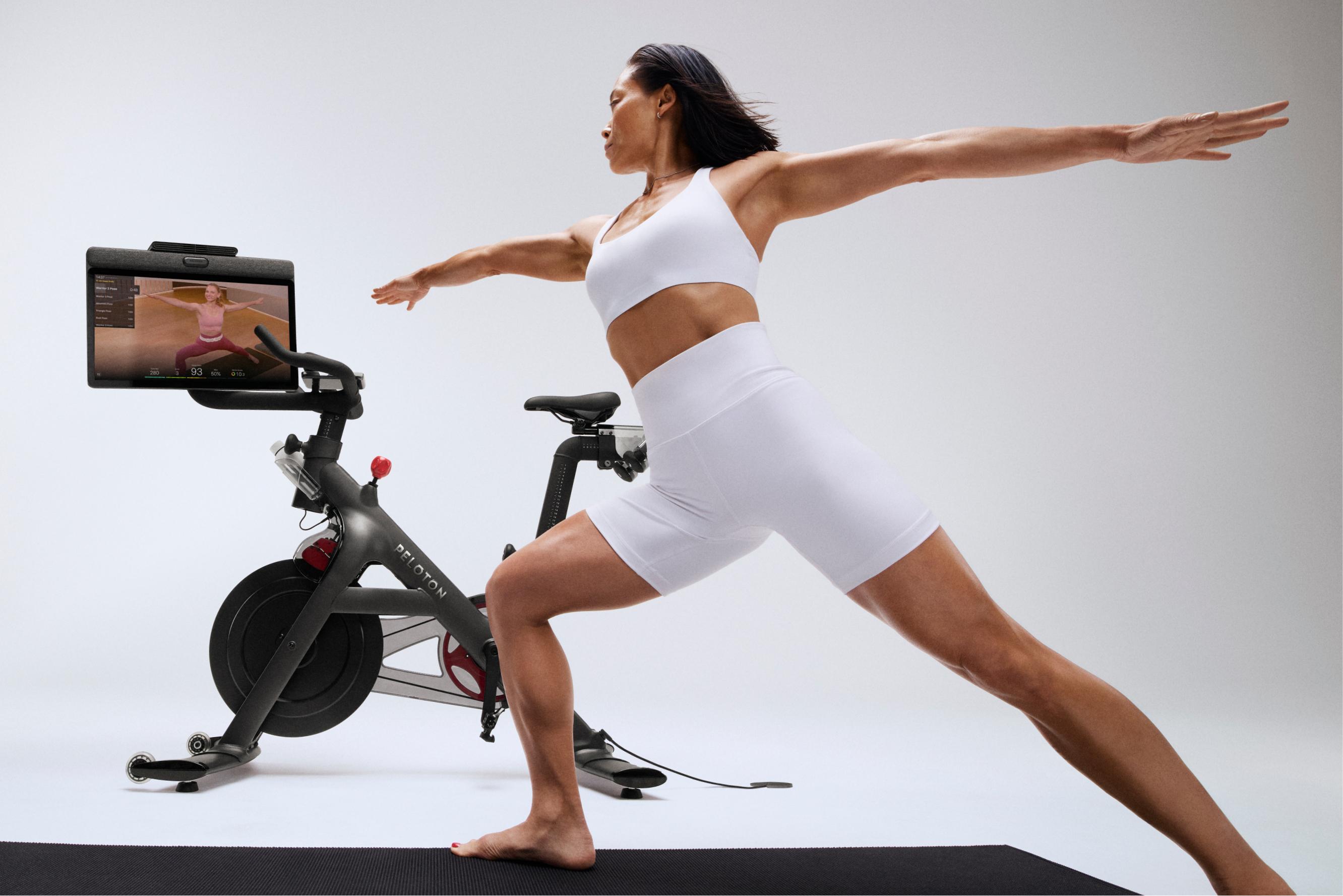



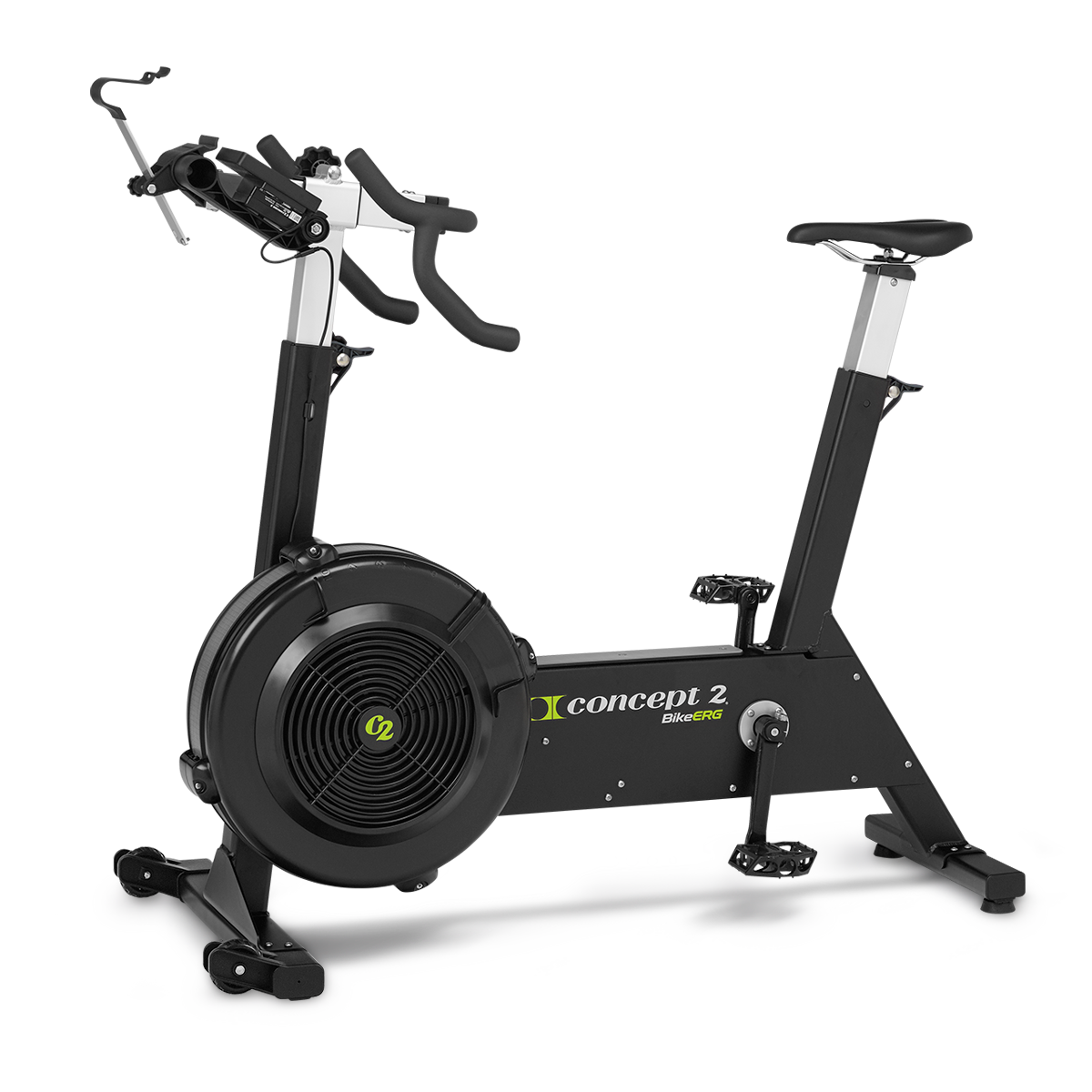

Best Sellers
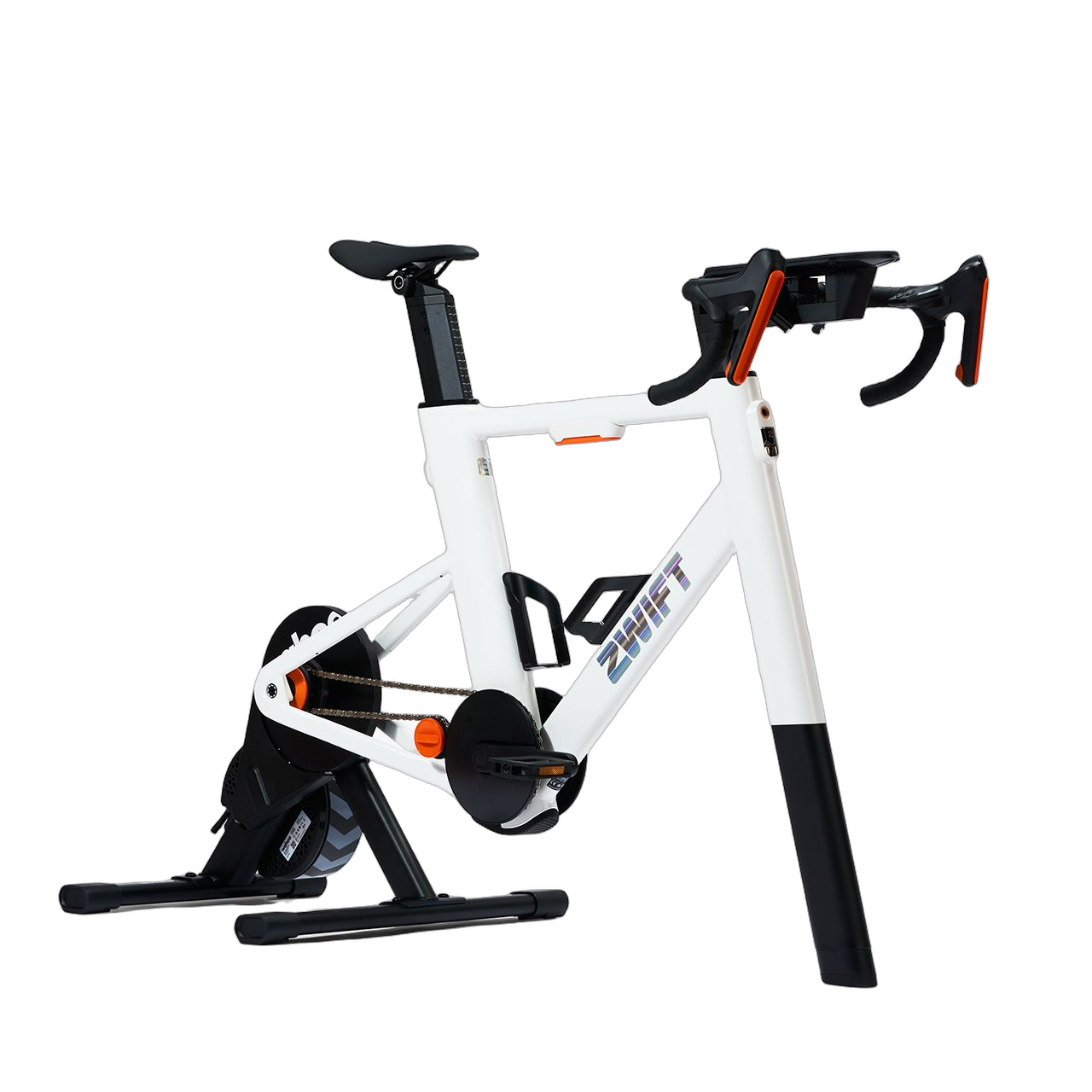
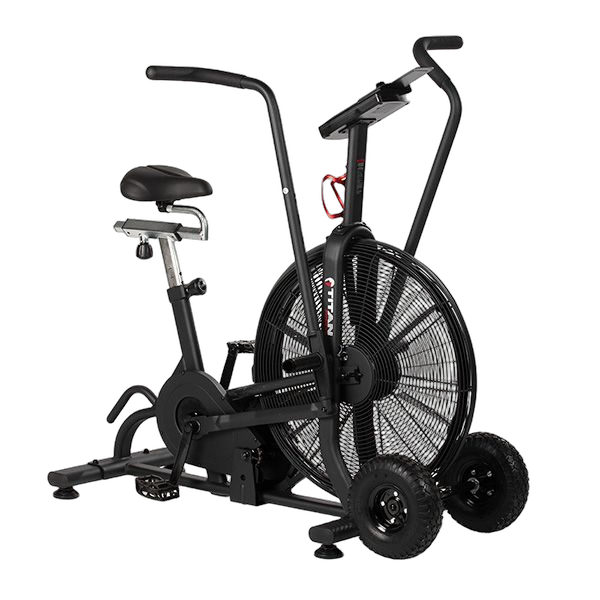

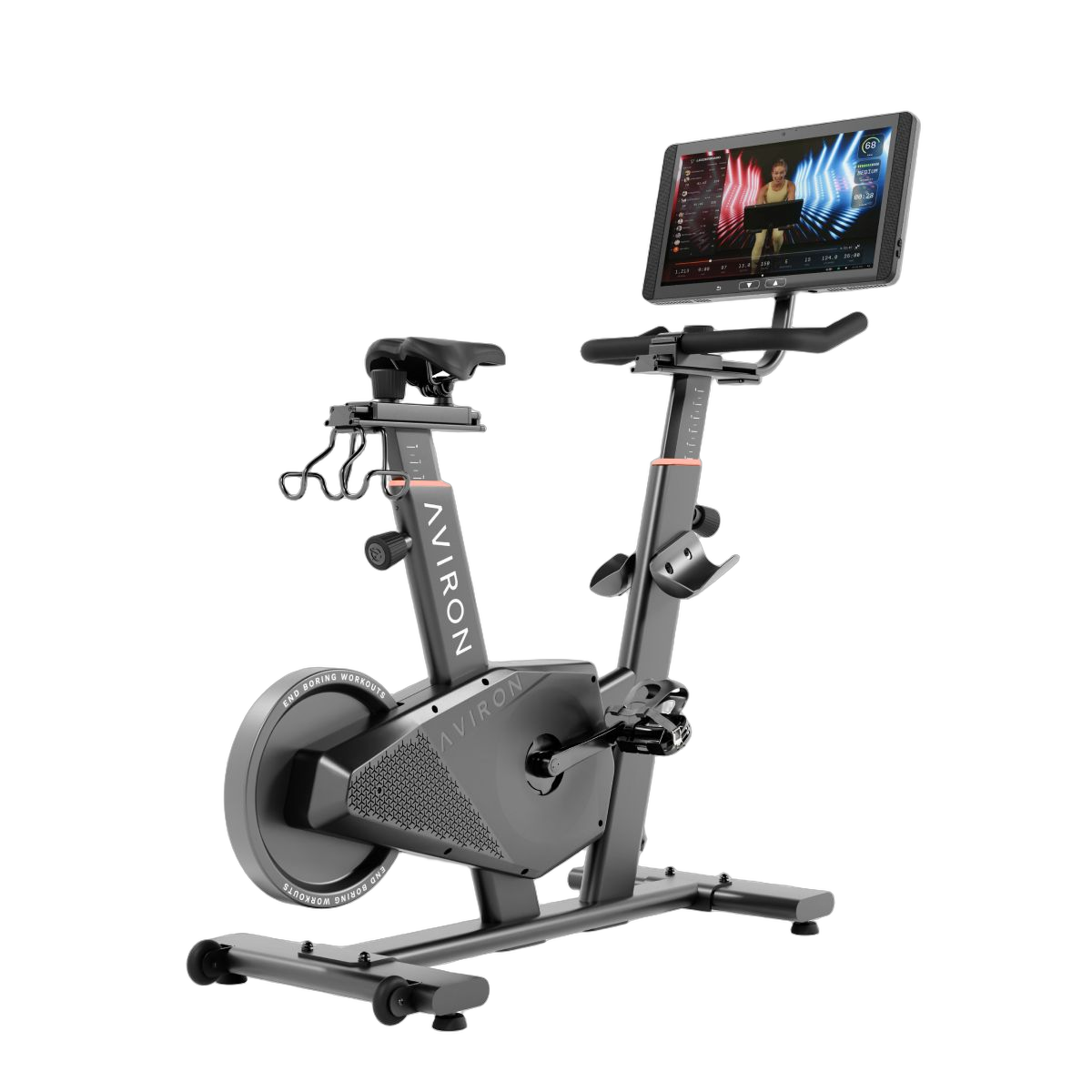

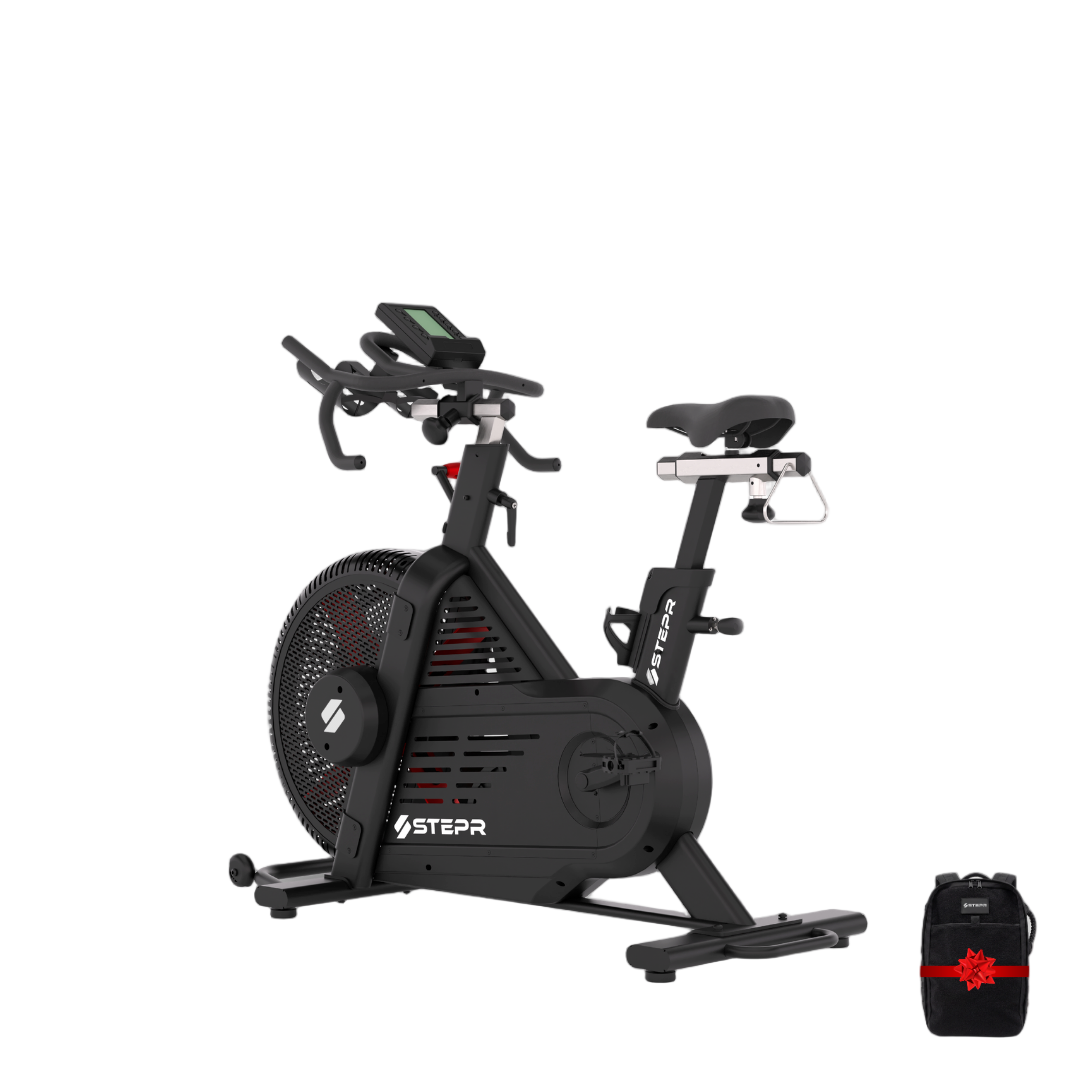

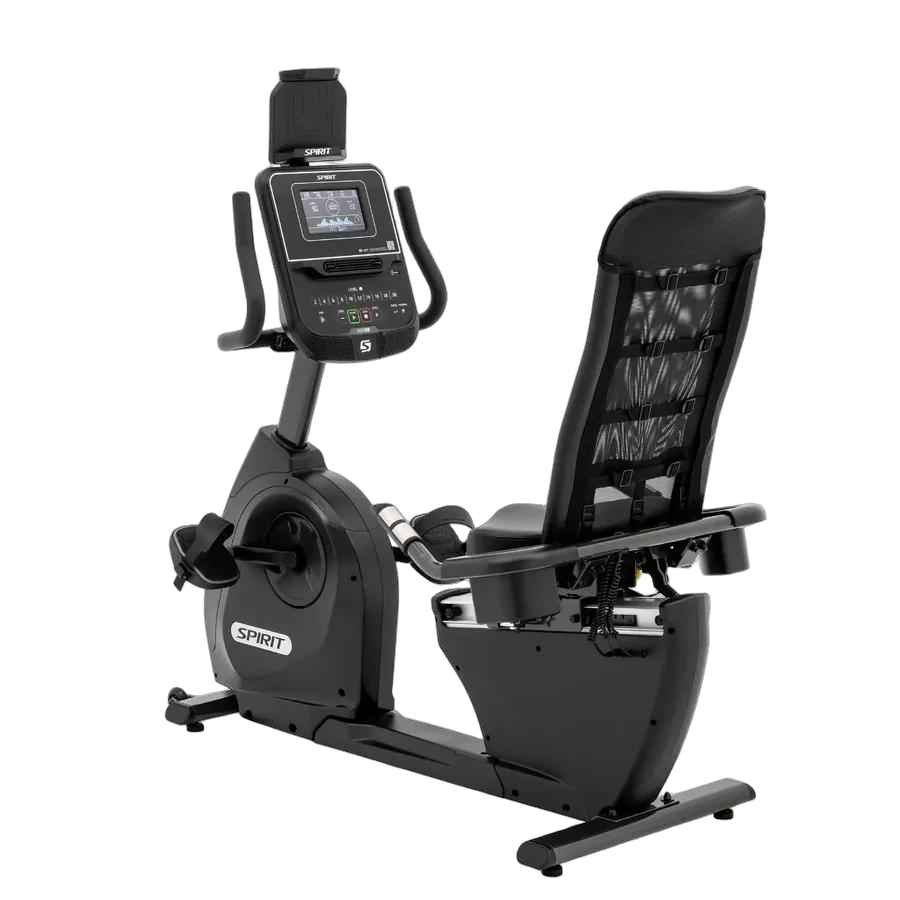

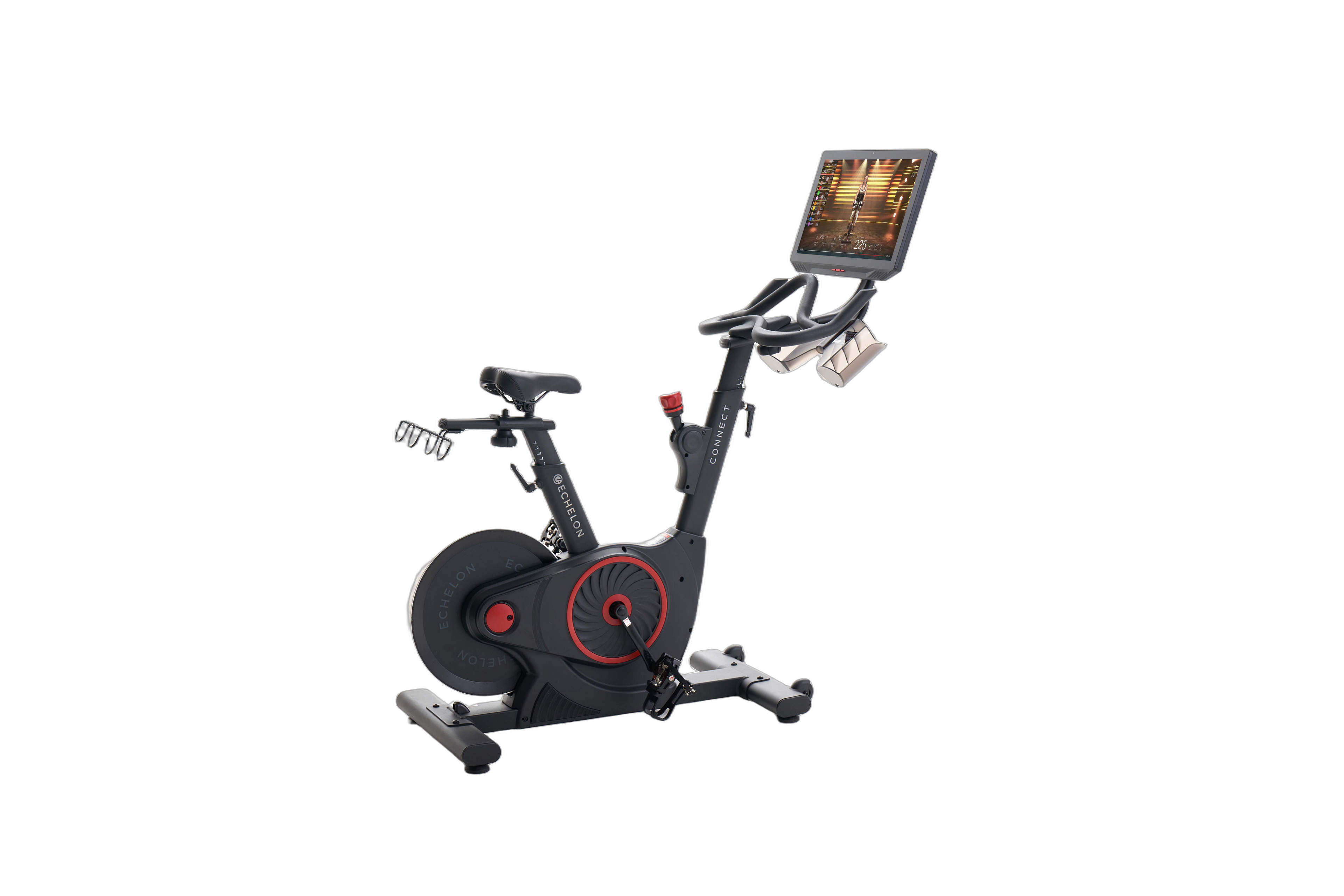


Benefits of Stationary Bikes
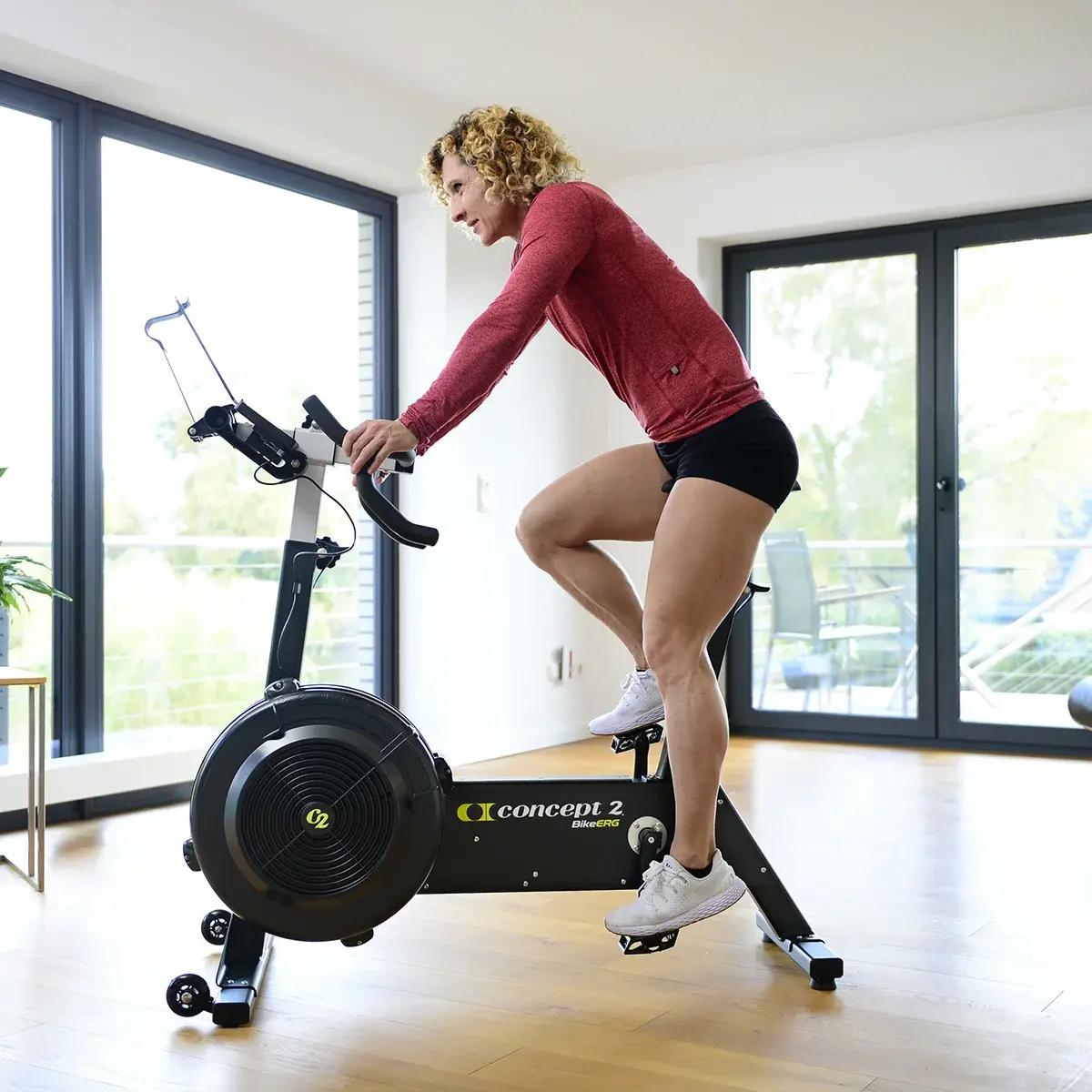
Exercise bikes offer a low-impact way to build lower-body strength and endurance at home. Unlike running and other high-impact exercises, cycling keeps stress on your joints low, and because you control the resistance and intensity, it’s easy to start gently and build up over time.
Regular cycling may also support healthy blood pressure, circulation, and blood sugar regulation, and it can be a helpful part of caring for your mental health. Paired with a healthy, sustainable diet, it may also support weight management.
Explore the health areas below where low-impact cycling plays a role in treatment, and shop eligible stationary and smart bikes from top brands, if qualified.
Brain & Nervous System
Bones & Joints
Hormonal & Endocrine
Digestive Health
Heart
Kidney & Urinary Health
Mental Health
Metabolic Health
Sleep Health
Women's Health
Respiratory Health
Cancer
The health categories shown above are commonly associated with products in this collection, but they are not exhaustive. Complete a health intake survey to check eligibility for a specific product. Truemed is for qualified customers. Learn more at truemed.com/disclosures (opens in a new tab).

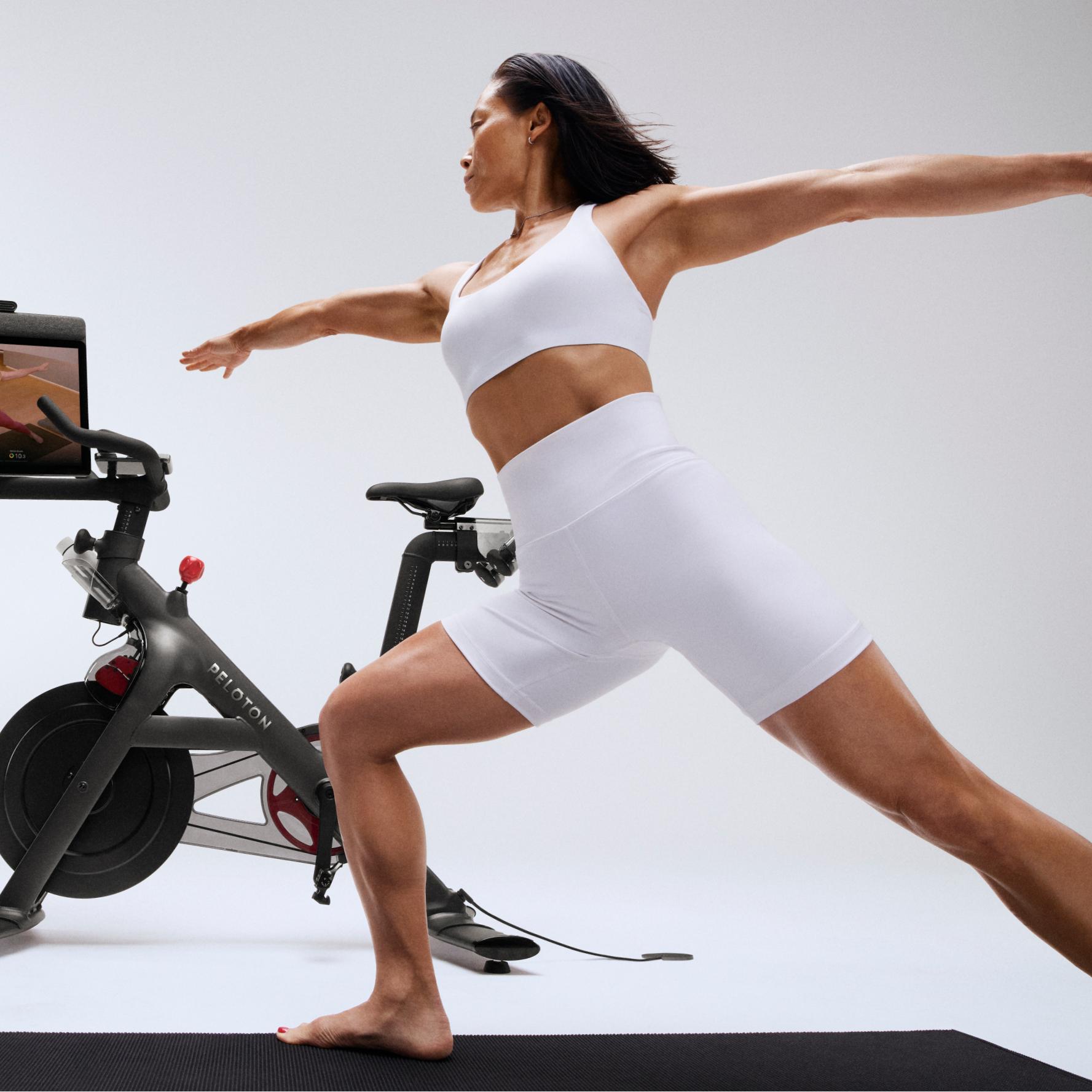
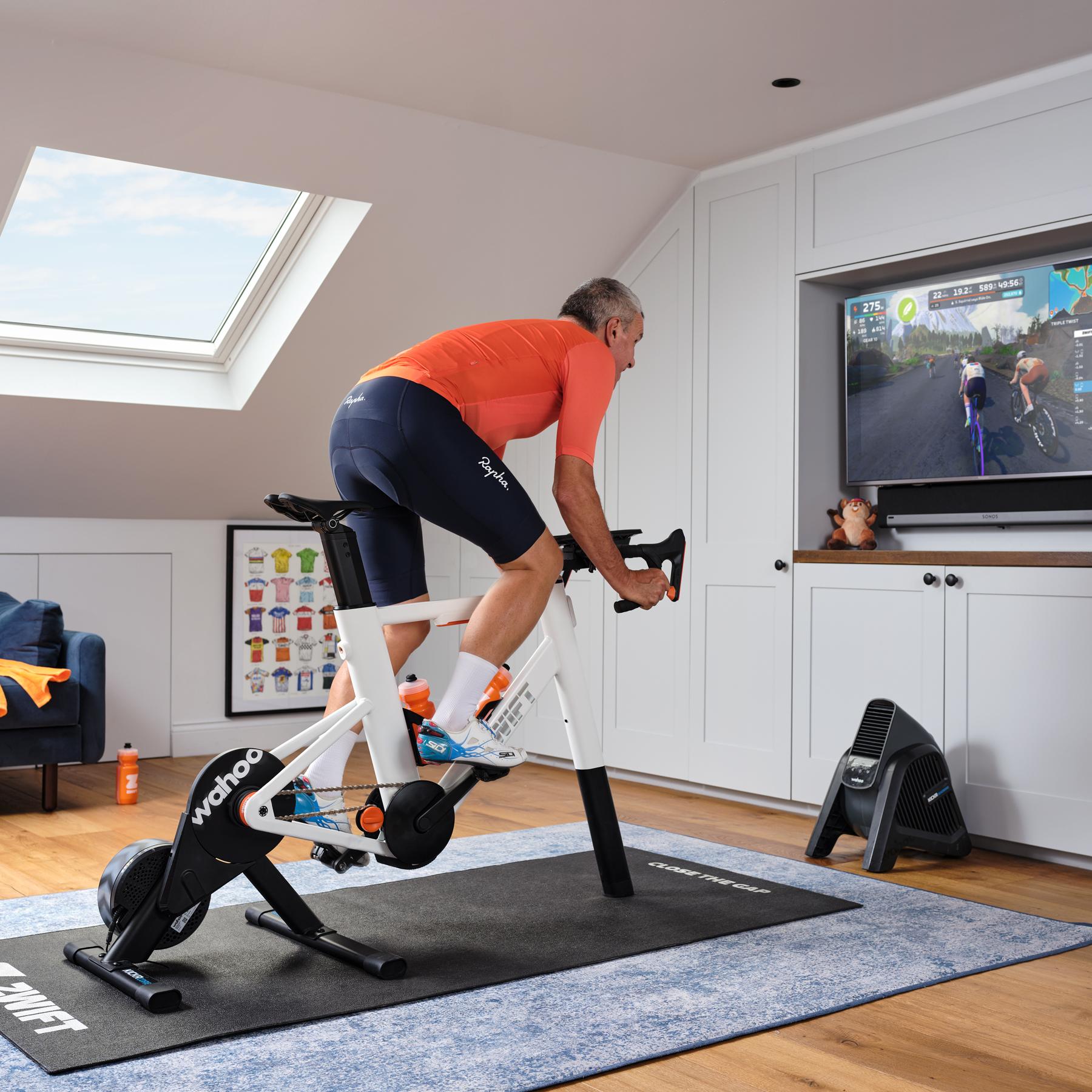



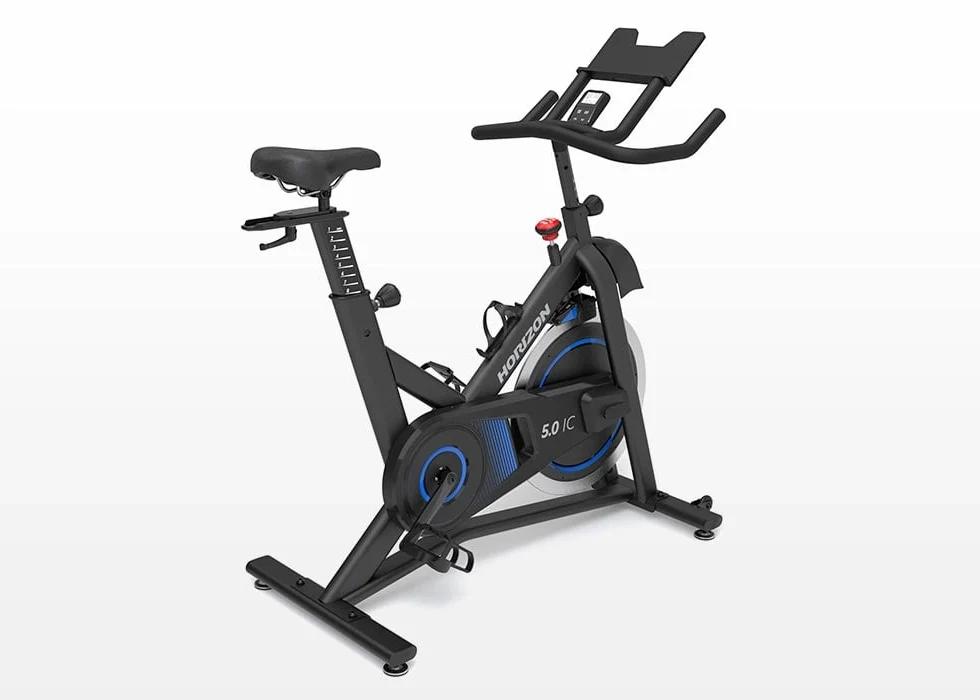

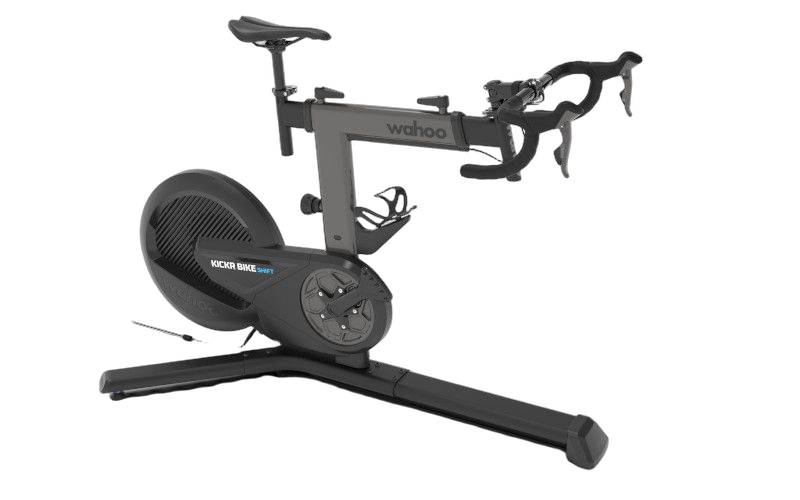
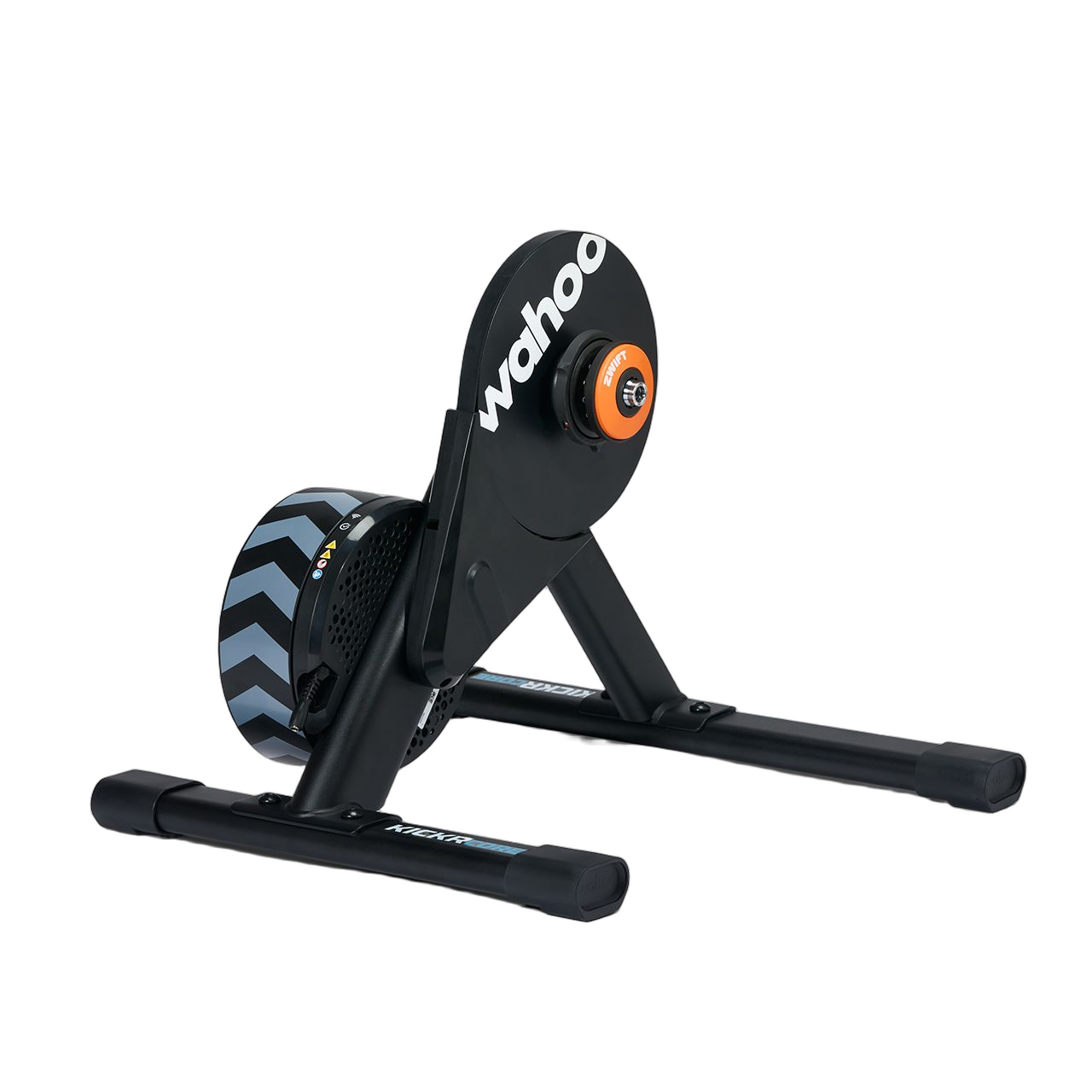
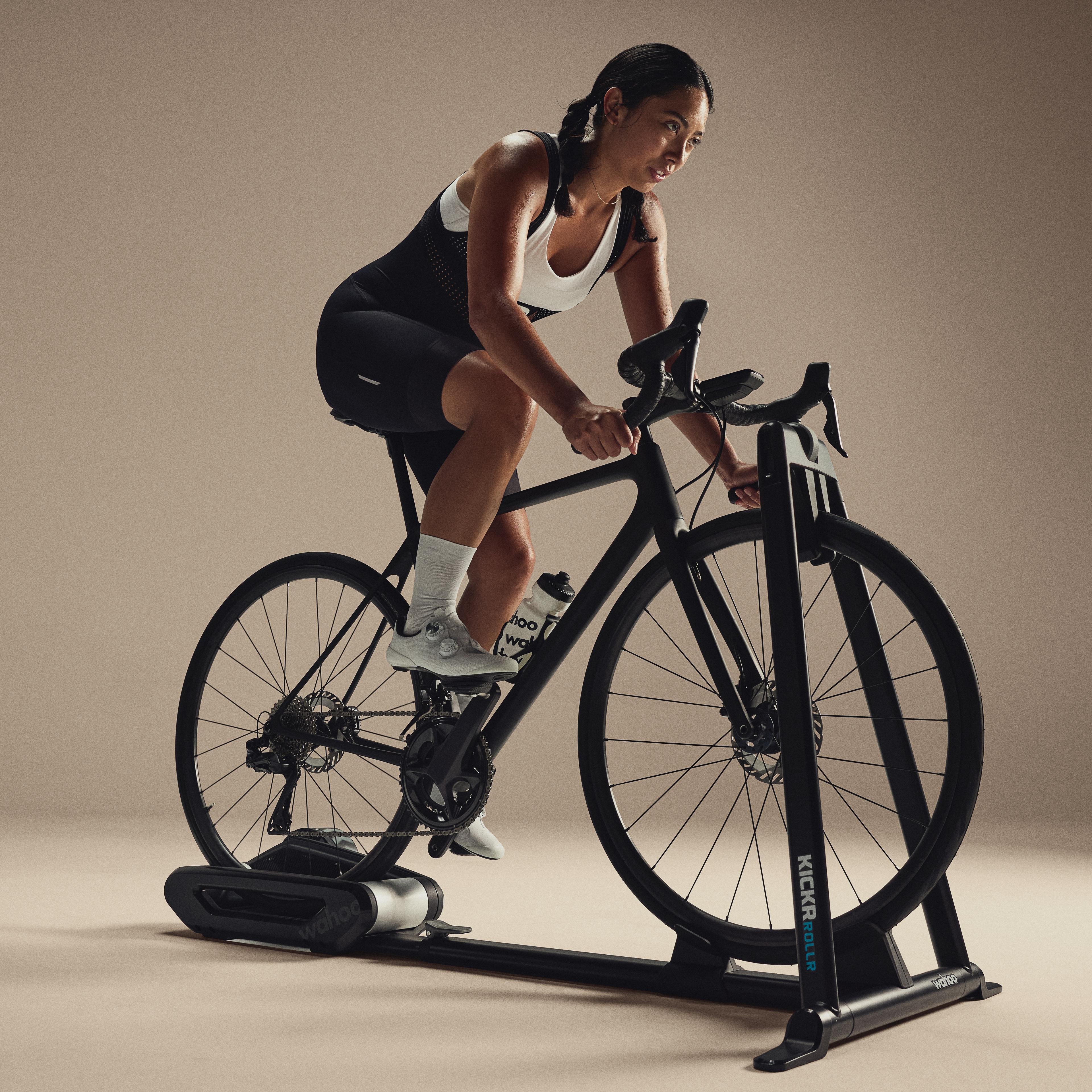
Smart trainers
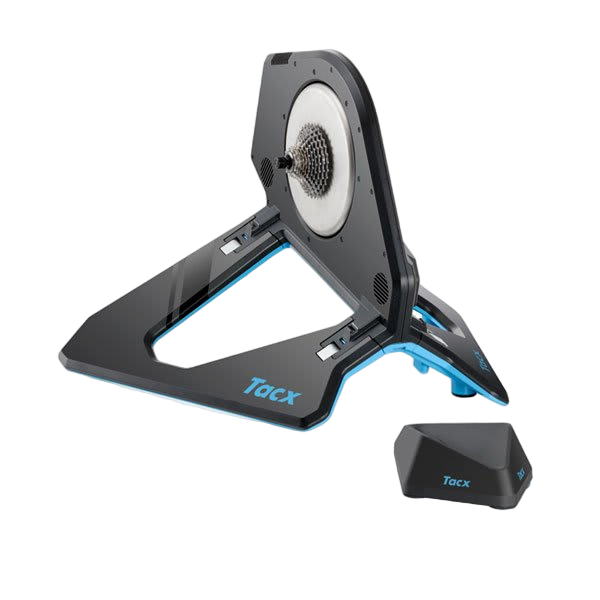
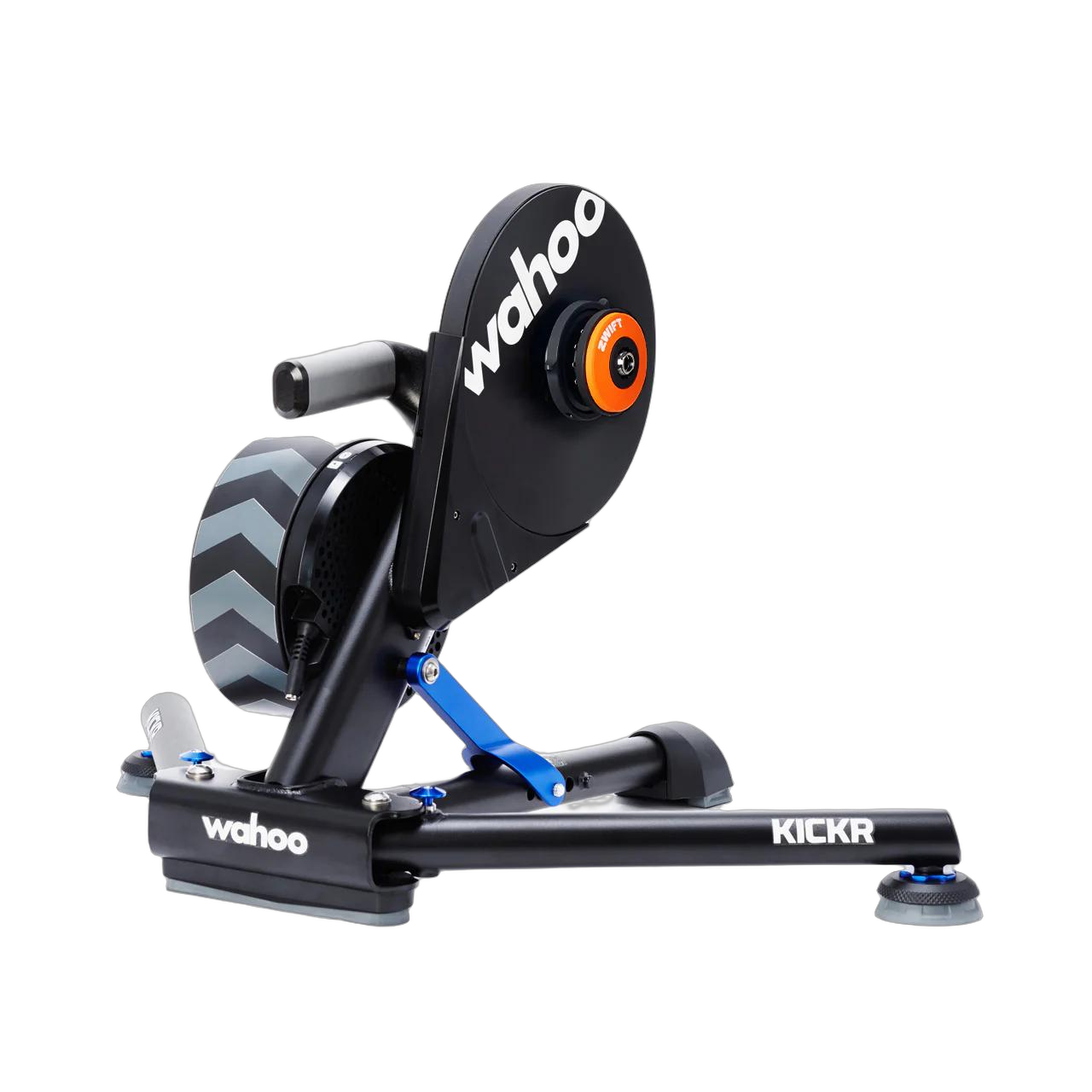
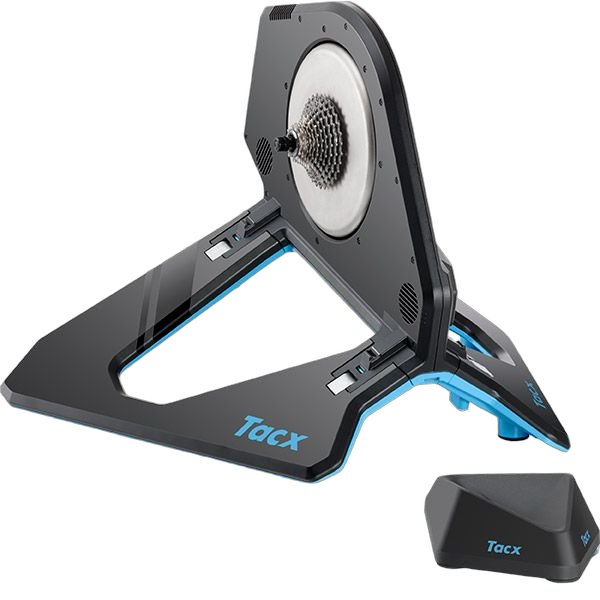
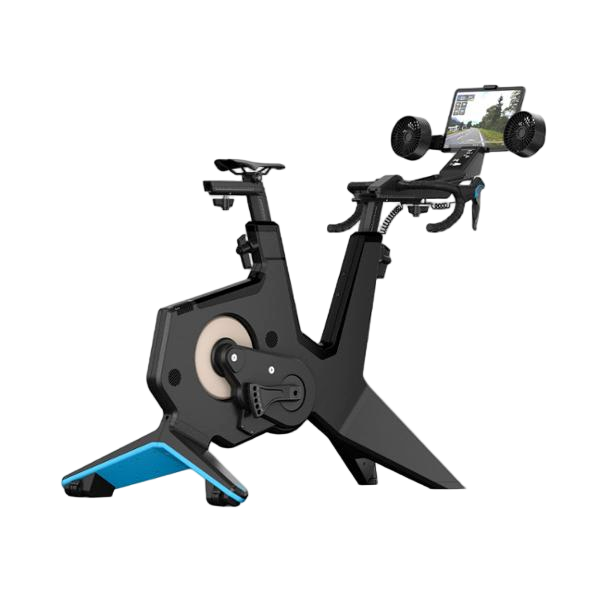
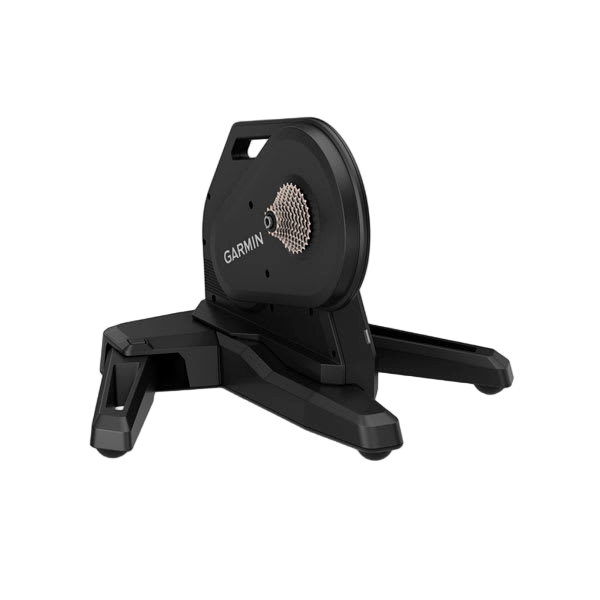
Garmin Tacx NEO 2T Smart Bike Trainer

Recovery For Athletes
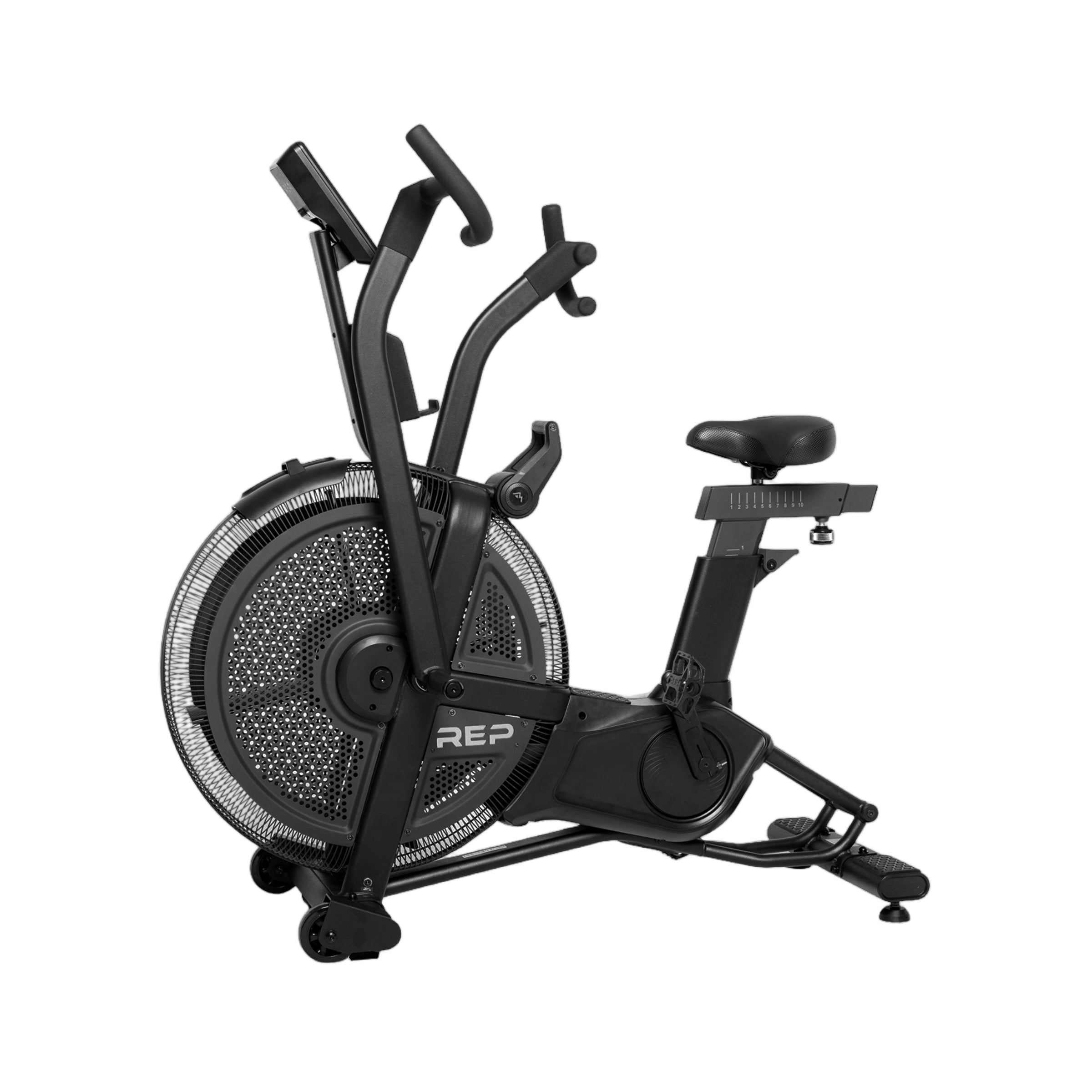
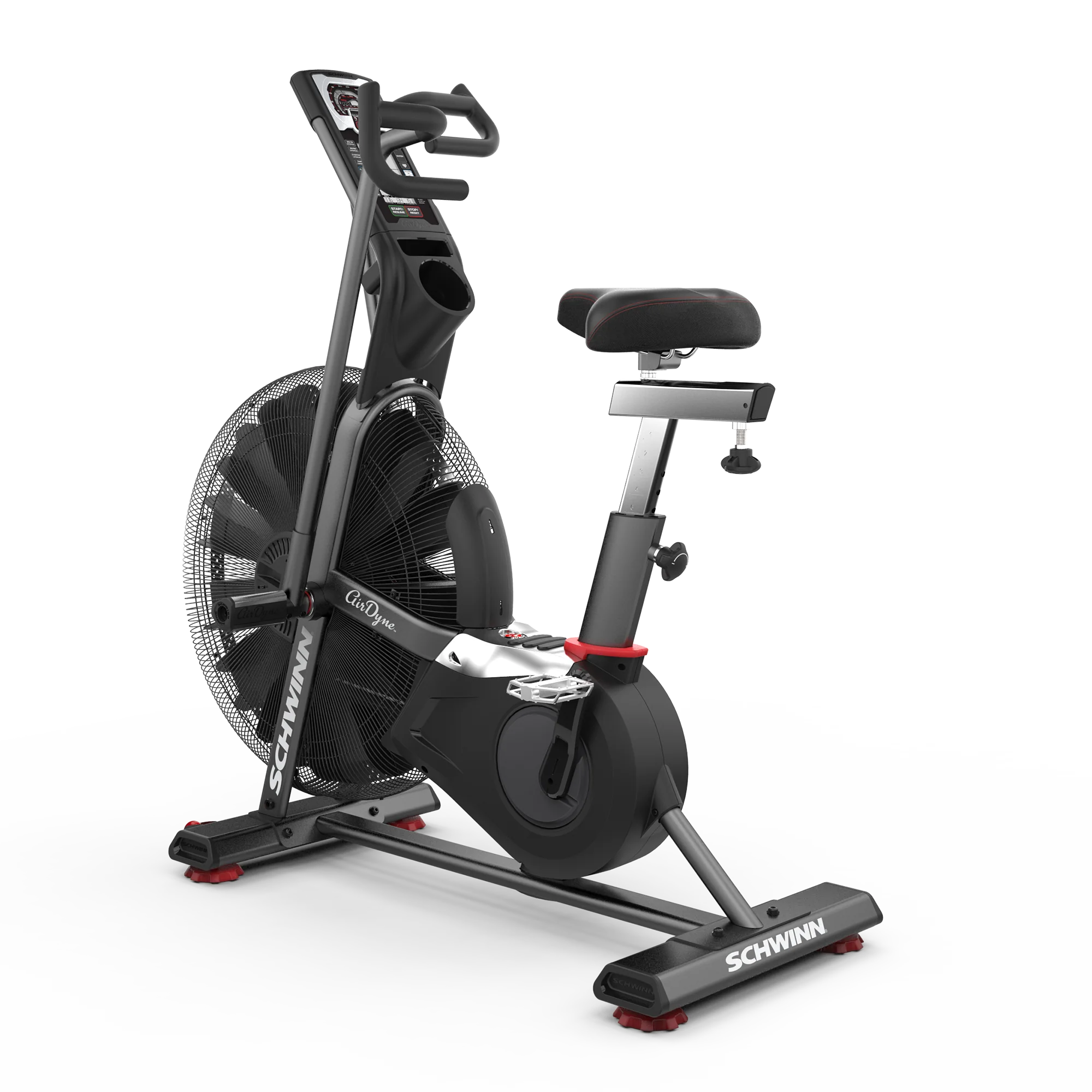
Exercise Bikes

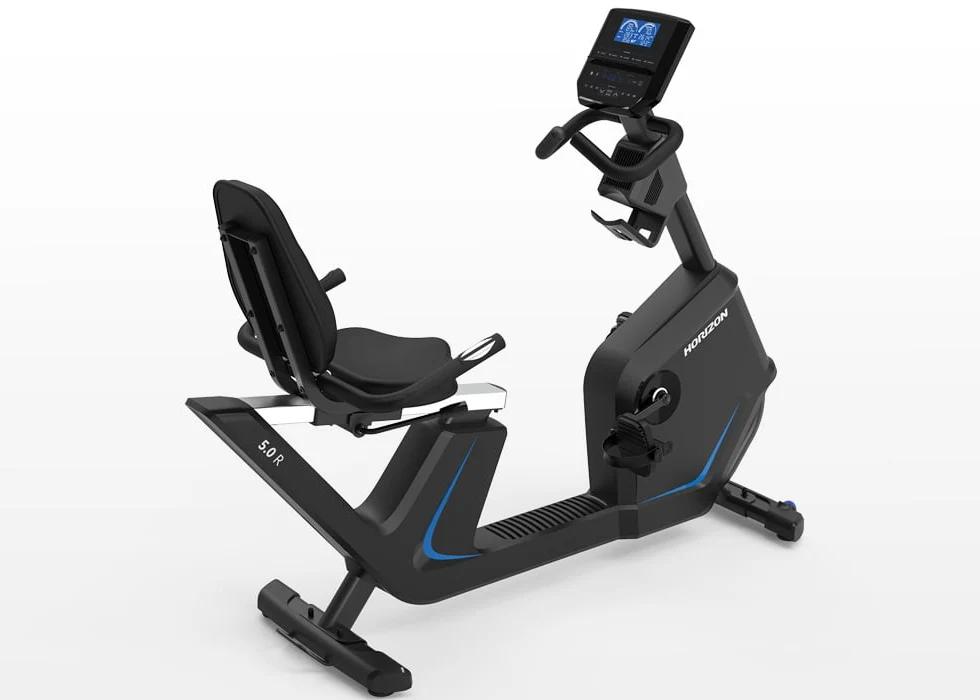
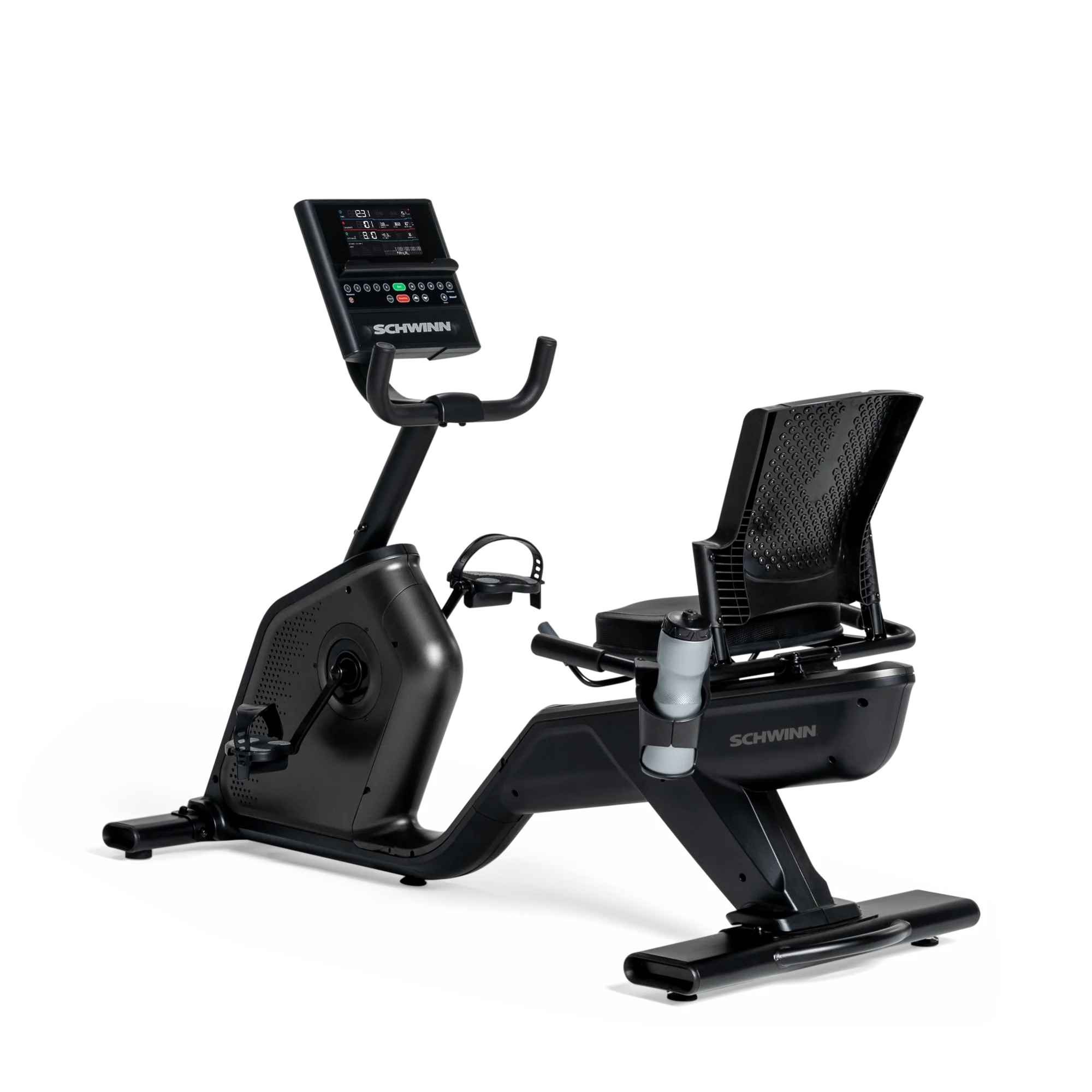
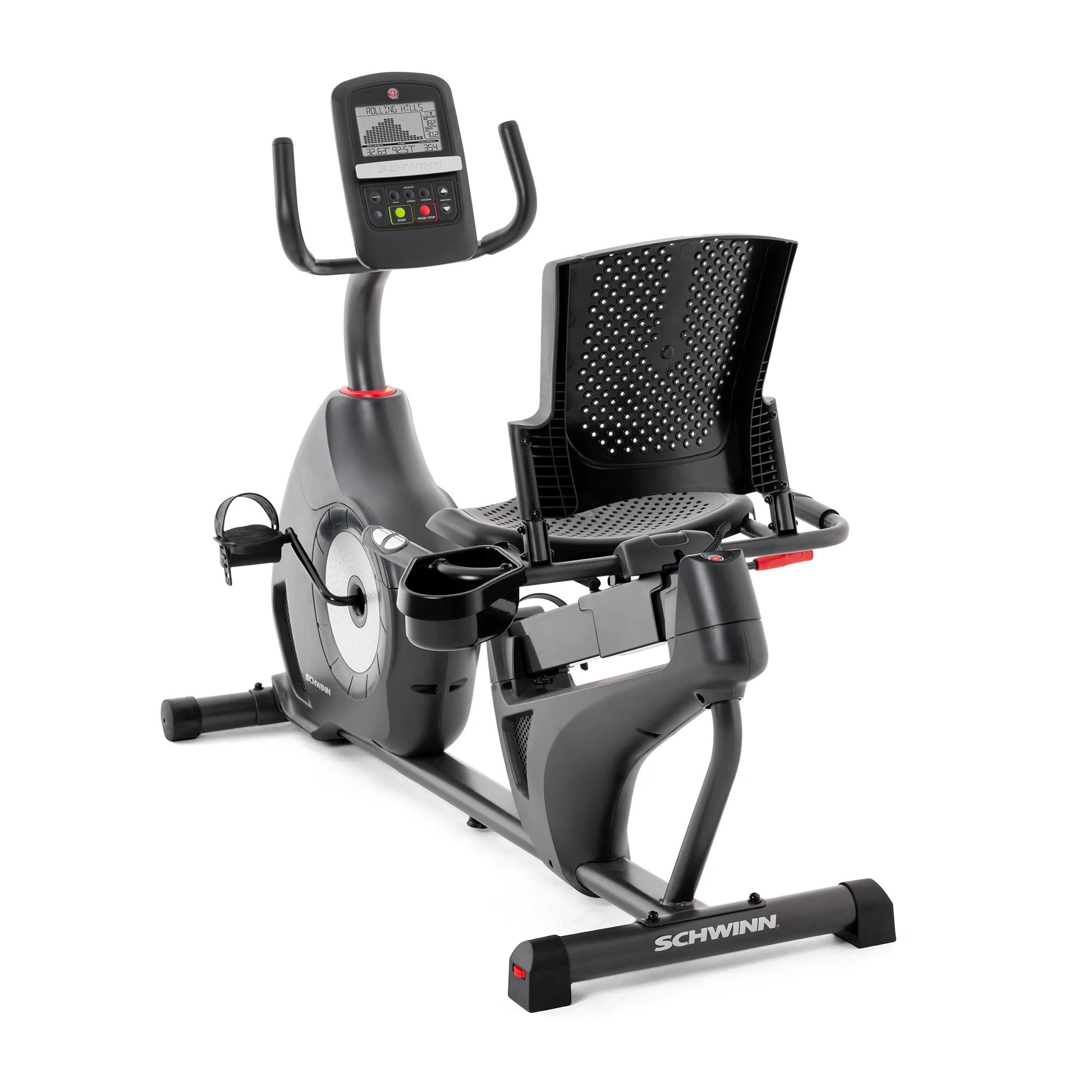
Recumbent bikes




Are exercise bikes HSA/FSA eligible?
If you’re purchasing an exercise bike to improve your general fitness, lose a little weight, train for a sporting event, or get more movement into your day, it typically won’t qualify for HSA/FSA spending, since exercise equipment purchased for general health and wellness isn’t considered a qualified medical expense under HSA/FSA rules. However, certain exercise bikes may qualify when they’re recommended by a healthcare professional to treat or manage a documented medical condition.
For example, if you’ve been diagnosed with type 2 diabetes, a clinician may recommend regular aerobic exercise as part of your treatment plan to help improve blood sugar management, and having an exercise bike at home could make it easier to follow that recommendation consistently. The same may apply to someone recovering from a knee injury who has been advised to perform low-impact cycling as part of a structured rehabilitation program. Either way, the bike’s primary purpose must be medical care, and you’ll generally need supporting documentation like a Letter of Medical Necessity (LMN).
Wondering which exercise bikes are HSA/FSA eligible? Truemed can help you explore your options. Shop the marketplace for a range of HSA/FSA eligible exercise bikes, then complete a health intake survey during checkout. An independent licensed clinician will assess your health survey and may issue an LMN to substantiate your purchase. Final eligibility and reimbursement depend on HSA/FSA rules and your plan administrator’s requirements.

How to Buy Exercise Bikes with Truemed
Checkout
Find the Truemed logo during checkout. Exit the "Shop Pay" pop-up if prompted.
Take a private health survey
A licensed provider will review your answers to determine eligibility.
Make your purchase
Pay with your HSA/FSA card or a credit card. If you use a regular credit card, follow the guide included with your LMN to submit your purchase for reimbursement.
Frequently asked questions
If you can’t find what you’re looking for, please reach out to support@truemed.com
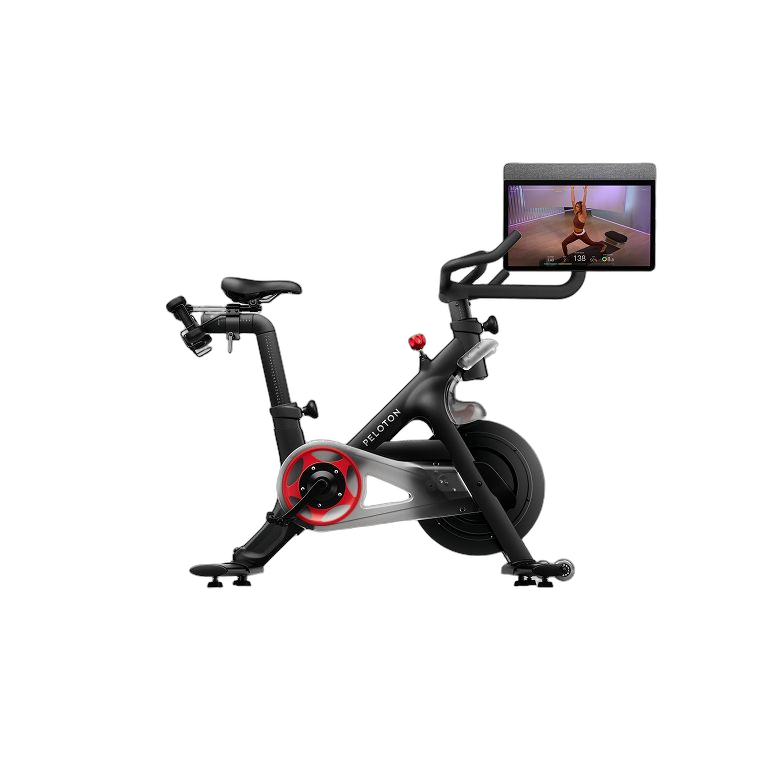
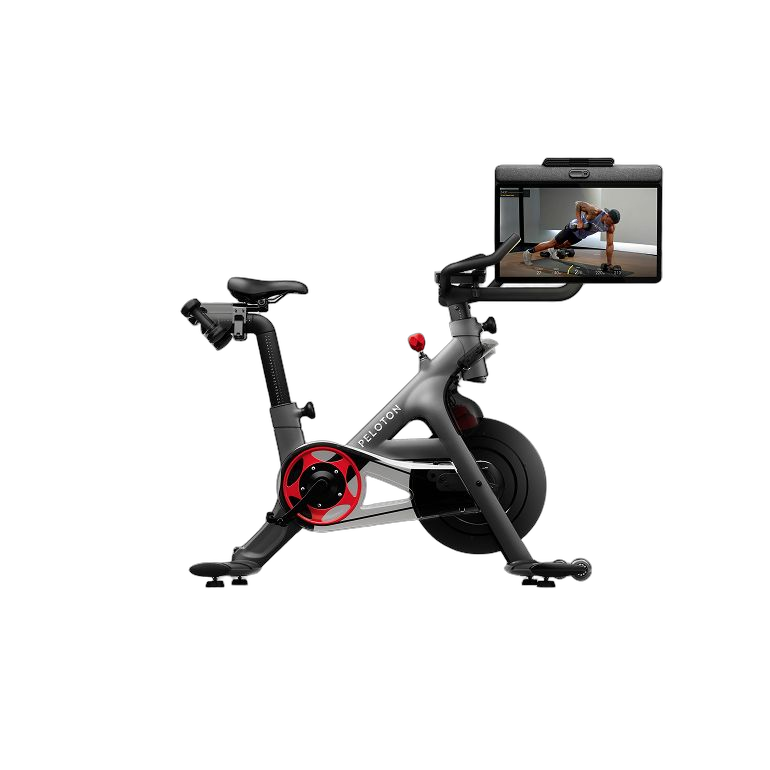
A Peloton Bike may be HSA/FSA eligible for qualified customers when it’s used to treat or manage a documented medical condition and supported by a Letter of Medical Necessity (LMN). Like any exercise bike, it isn’t a qualified medical expense when it’s bought for general fitness.
Peloton is available through Truemed, so you can complete a health intake survey at checkout to see if you qualify. An LMN can support the bike itself, but your plan may handle ongoing app memberships differently, so check before submitting those charges.
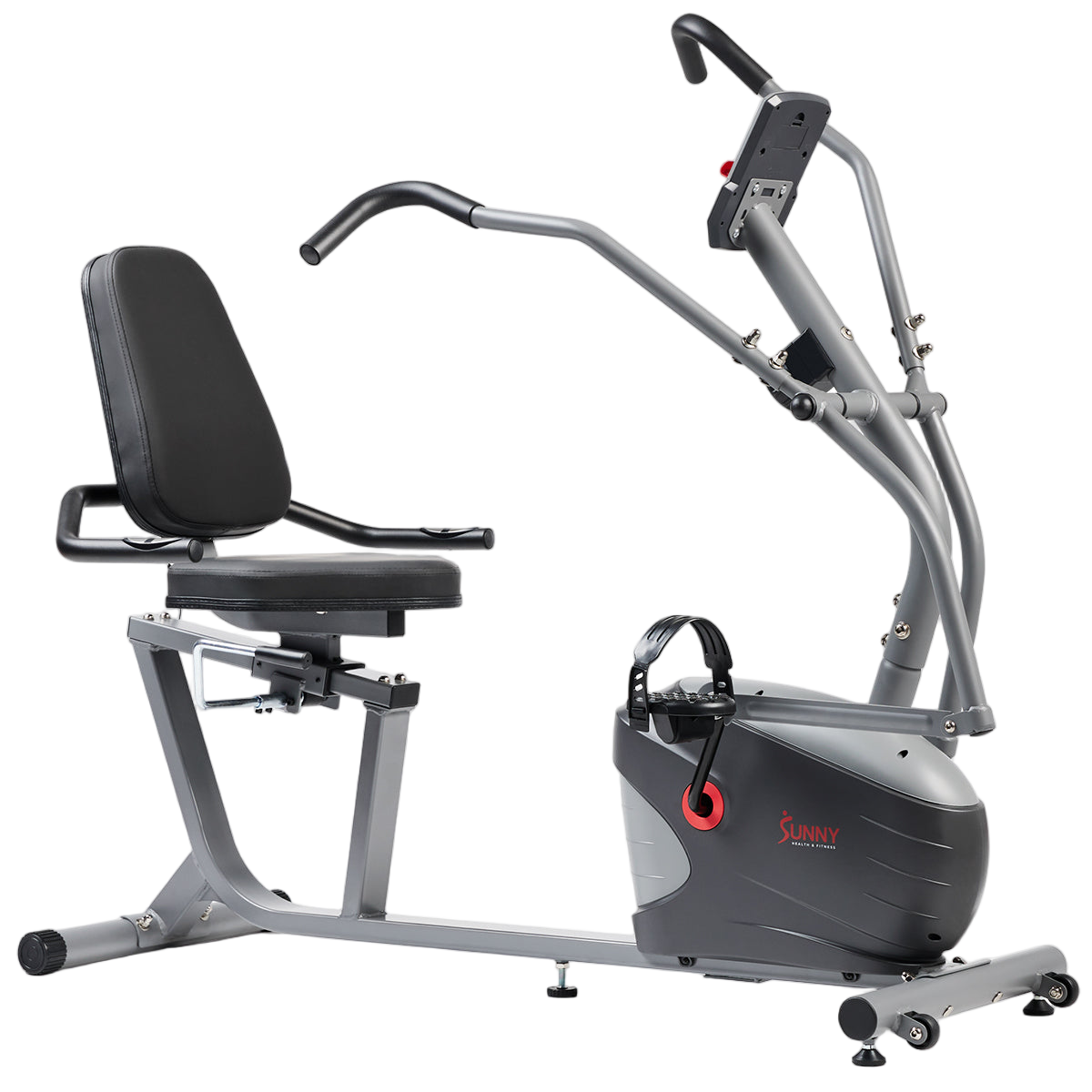
It depends on your body and your goals. A recumbent bike has a reclined seat with back support and pedals out in front of you, which takes pressure off your lower back and joints and makes it easier to get on and off. That makes it a good fit if you have back pain, arthritis, balance concerns, or are recovering from an injury. An upright bike puts you in a position more like a road bike, works your core more, and lets you stand up on the pedals for higher-intensity workouts. If comfort and joint support matter most, a recumbent bike is sometimes the safer choice.

Your health, your savings
All products on Truemed are HSA/FSA eligible for qualified customers — so you can invest in what matters without the out-of-pocket cost.