
Trusted by 2 million American customers
HSA/FSA Eligible Treadmills
Shop treadmills that may qualify for HSA/FSA spending when a clinician recommends cardio as part of your treatment plan.
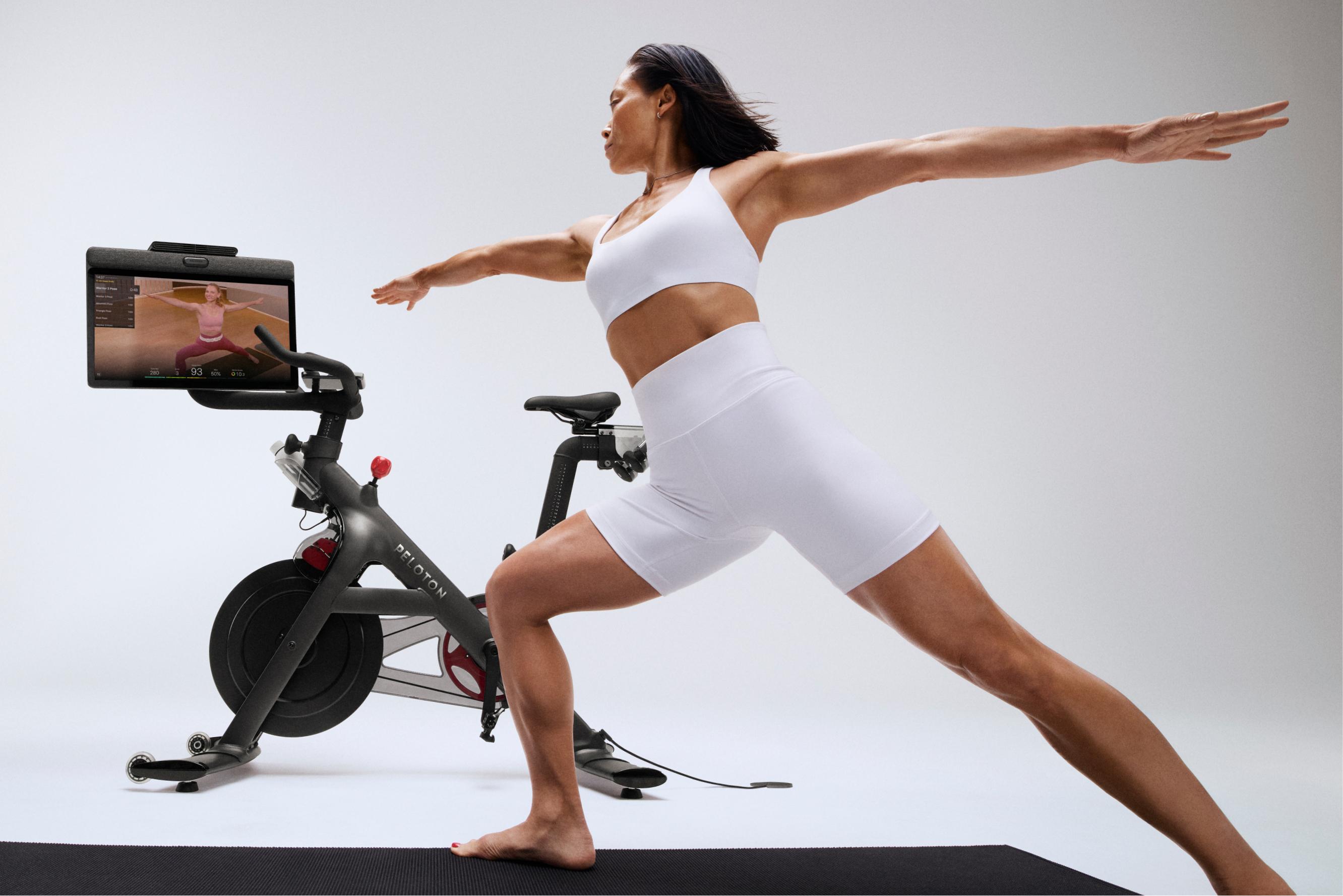

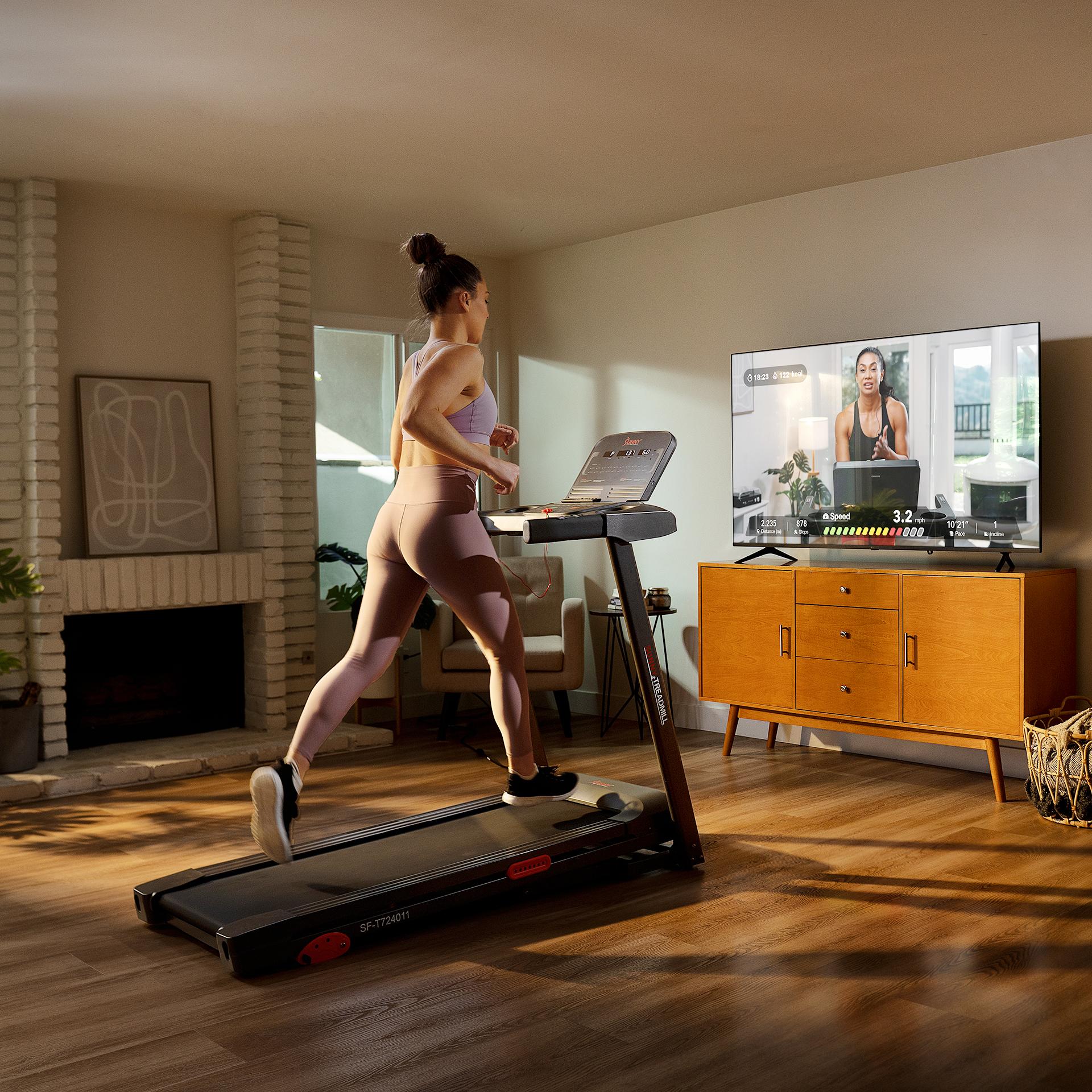

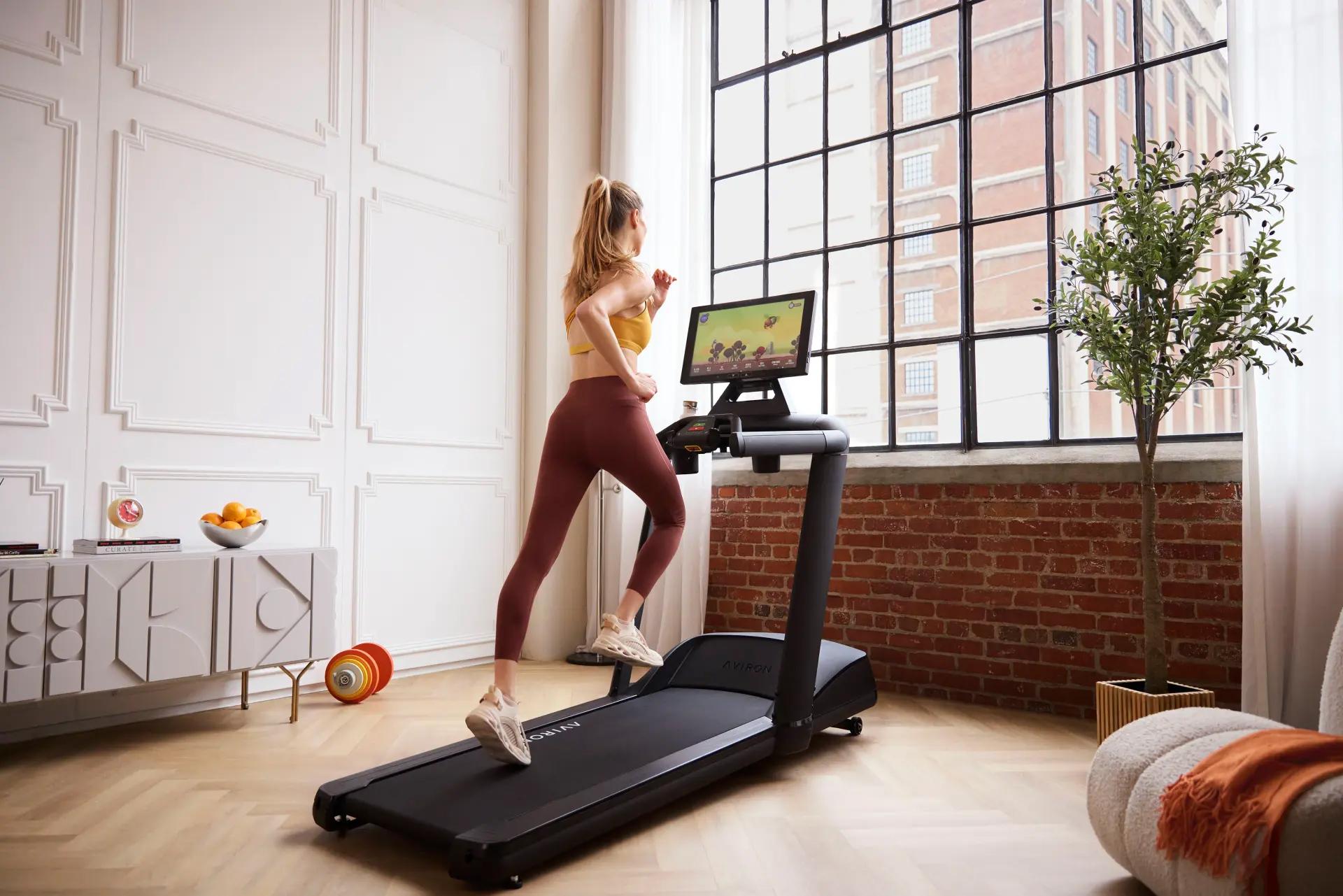

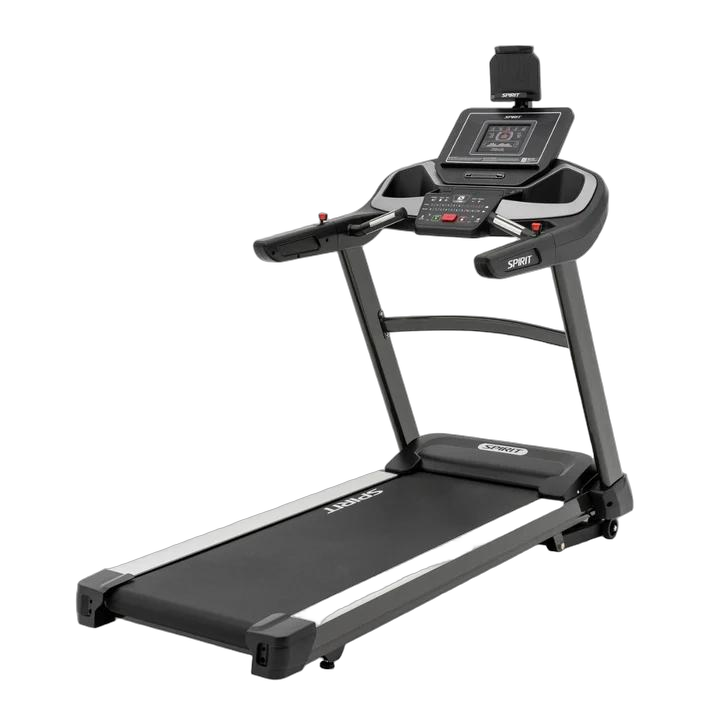

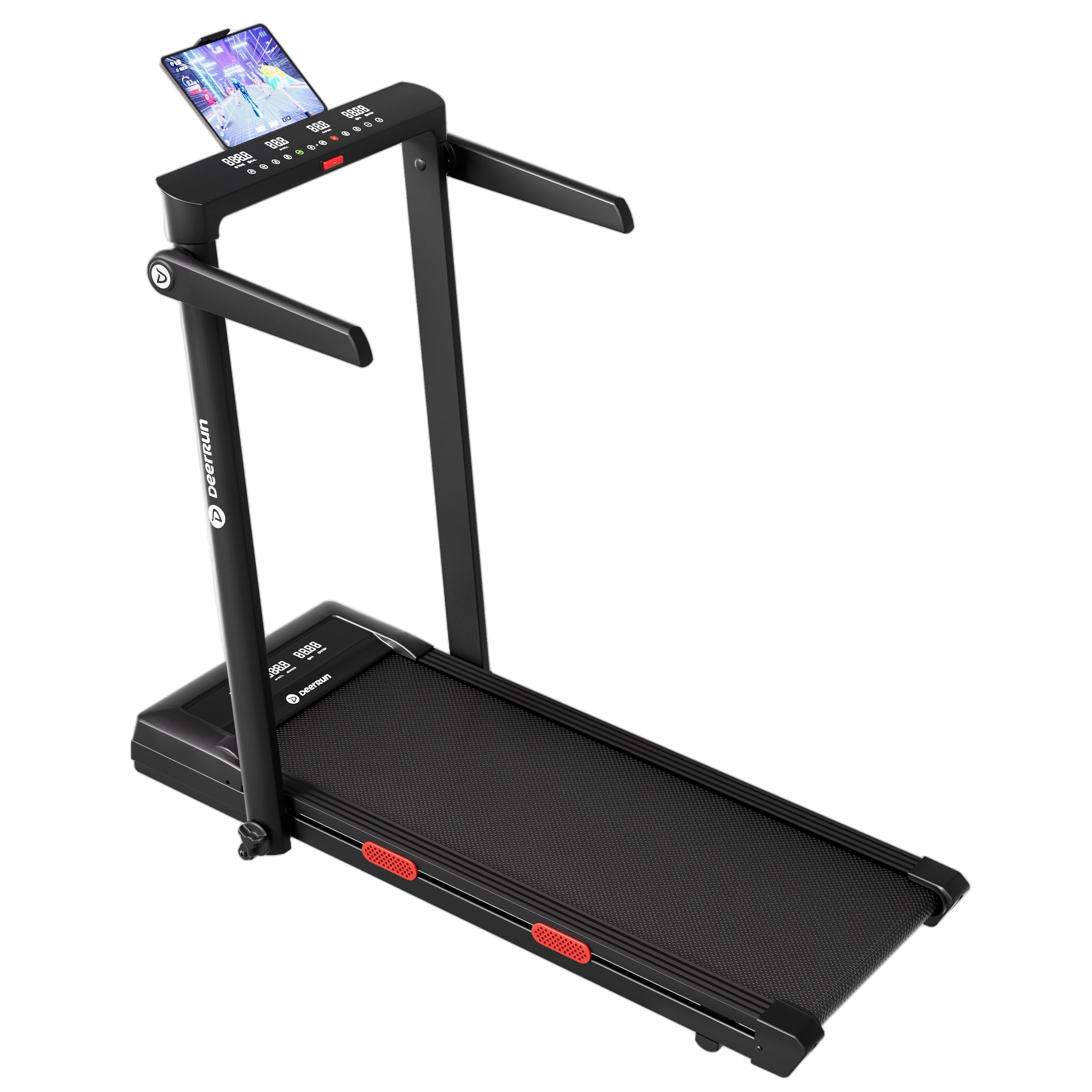

Best Sellers
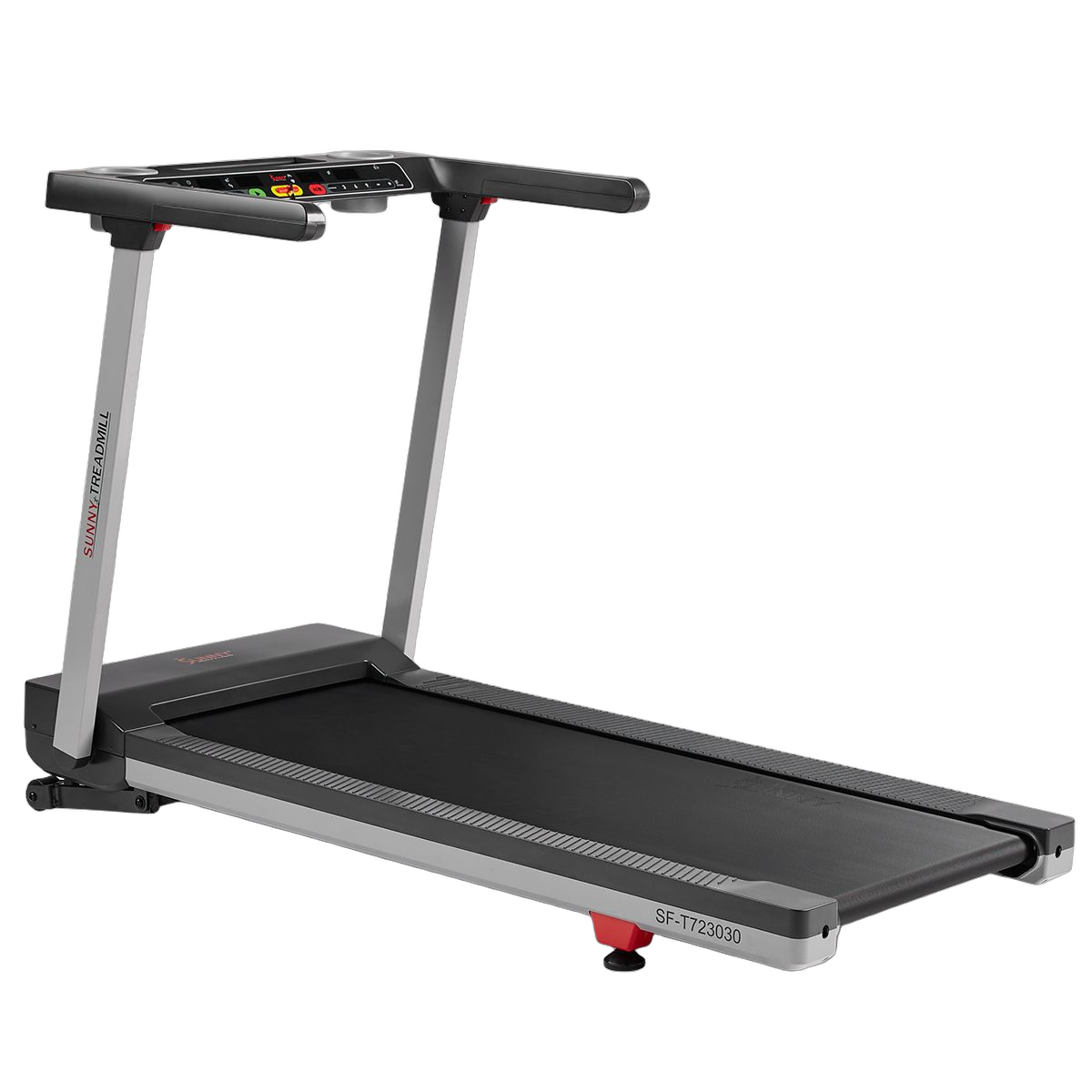
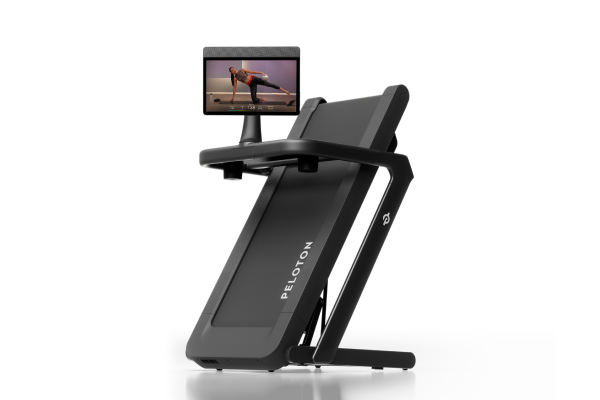
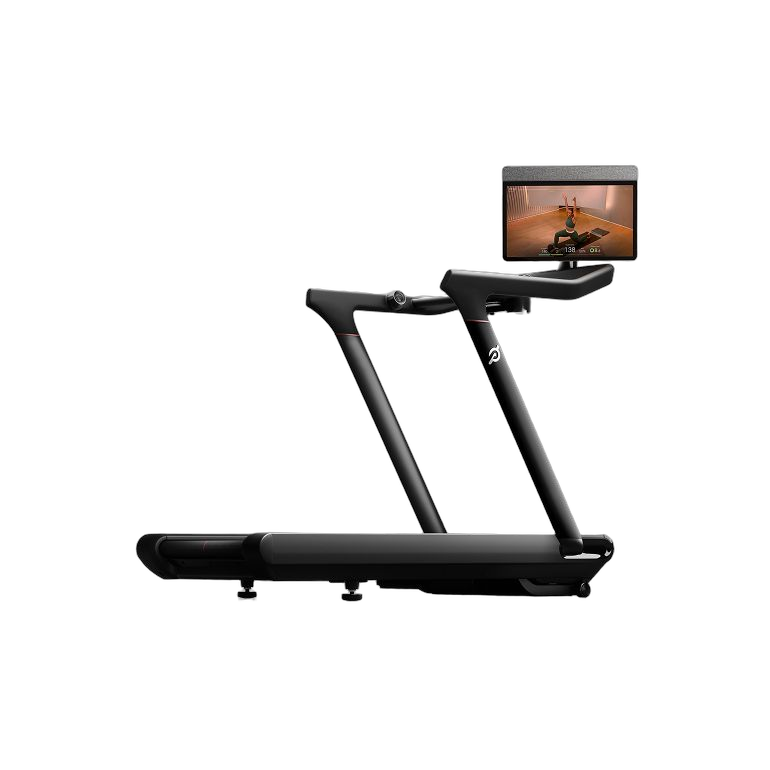

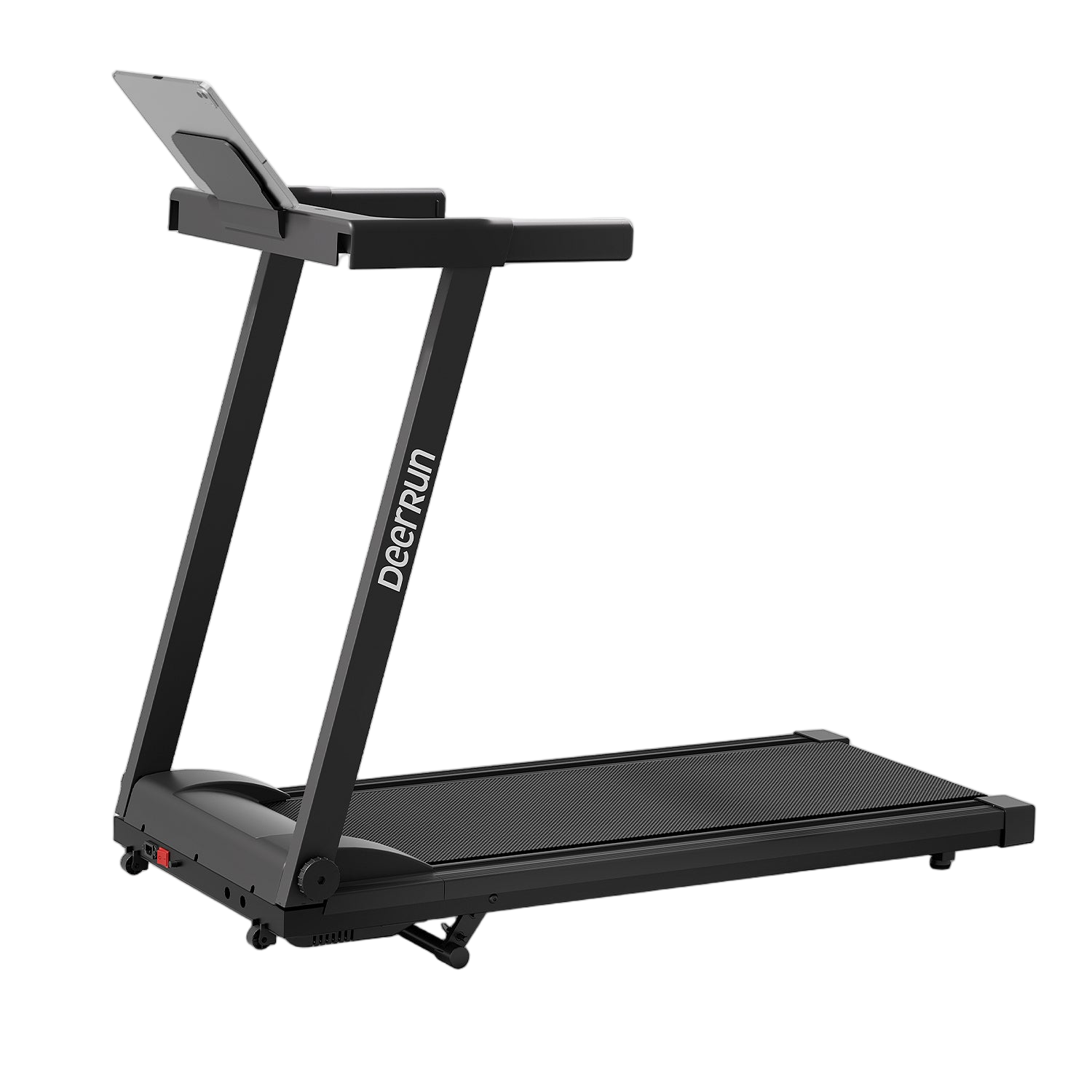

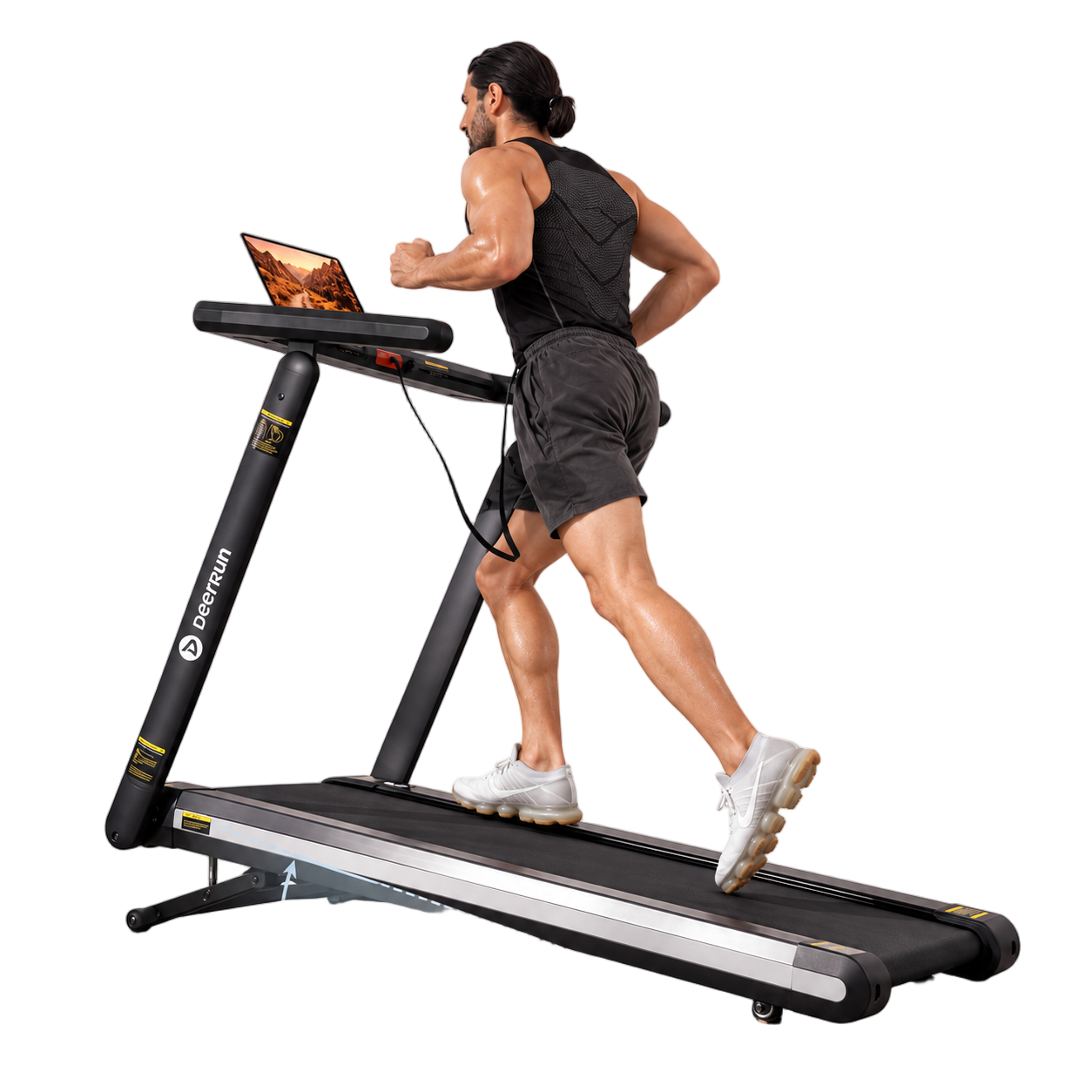
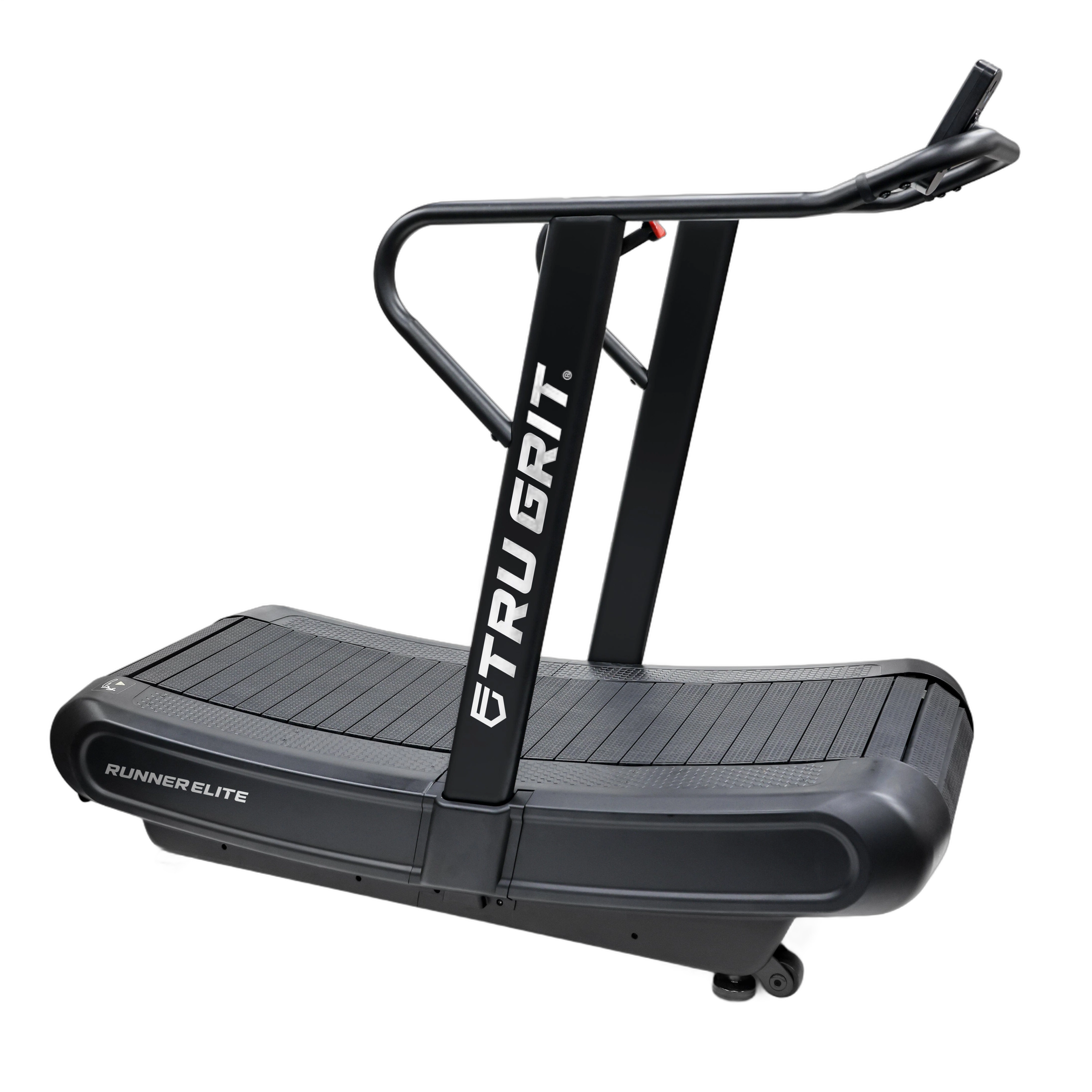

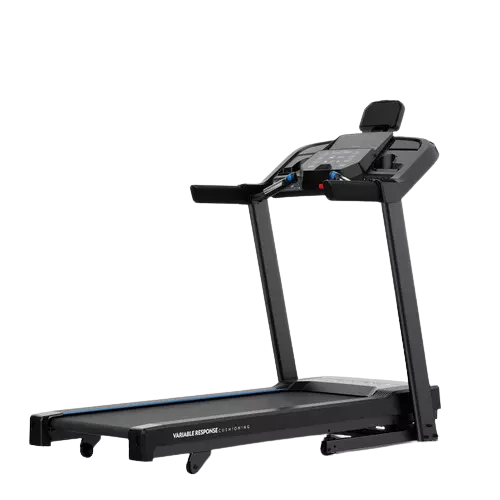

Benefits of Treadmills & Cardio Equipment
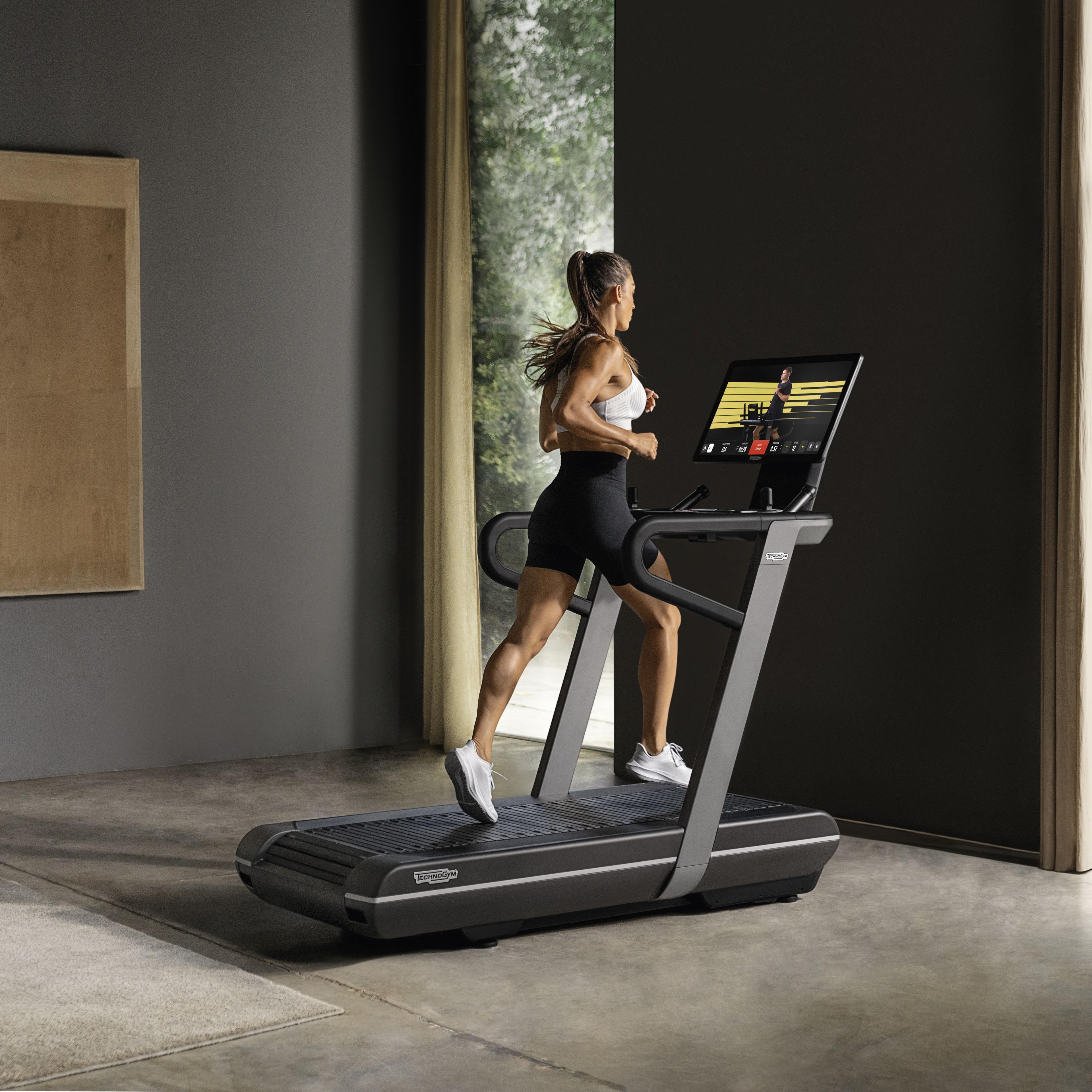
A treadmill takes the guesswork out of staying active. Rain, heat, icy sidewalks, and busy schedules stop being reasons to skip a workout when you can walk, jog, or run at home on your own time. Because you control the speed, incline, and duration, a treadmill makes it easy to start at a comfortable pace and build up gradually. That matters if you’re returning to exercise after an injury or following a provider-recommended activity plan.
Walking is one of the most researched forms of exercise. Regular brisk walking may help lower blood pressure, improve insulin sensitivity, support healthy cholesterol levels, and strengthen your heart and lungs. Incline walking adds intensity without the impact of running, which can make it a joint-friendly option if you’re managing knee or hip pain. If you work at a desk all day, a walking pad or under-desk treadmill lets you add low-intensity movement to hours that would otherwise be spent sitting.
Explore the health areas below where regular walking and cardio play a role in treatment, and shop eligible treadmills from top brands, if qualified.
Bones & Joints
Brain & Nervous System
Heart
Digestive Health
Hormonal & Endocrine
Kidney & Urinary Health
Mental Health
Metabolic Health
Sleep Health
Women's Health
Respiratory Health
Cancer
Autoimmune
Men's Health
The health categories shown above are commonly associated with products in this collection, but they are not exhaustive. Complete a health intake survey to check eligibility for a specific product. Truemed is for qualified customers. Learn more at truemed.com/disclosures (opens in a new tab).


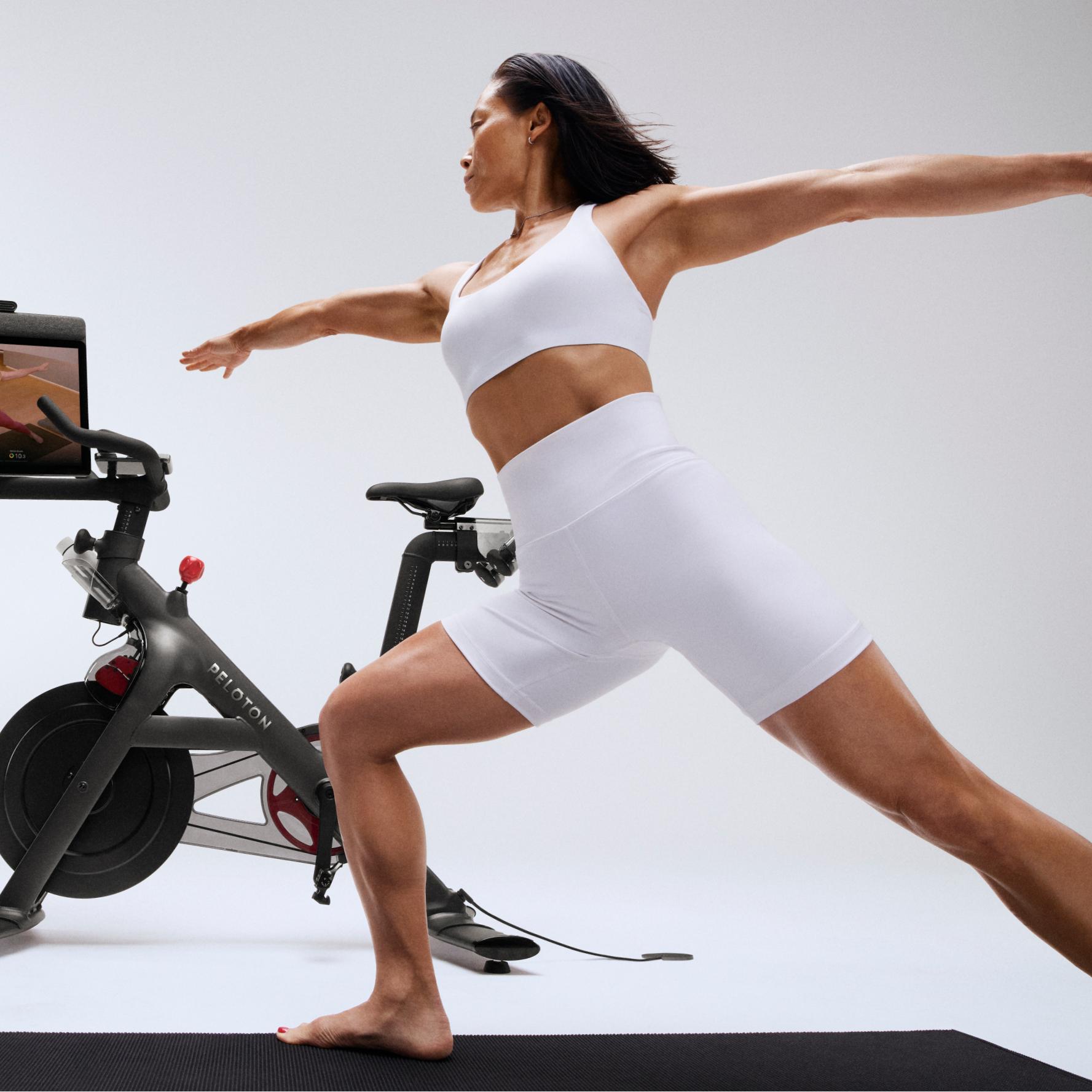
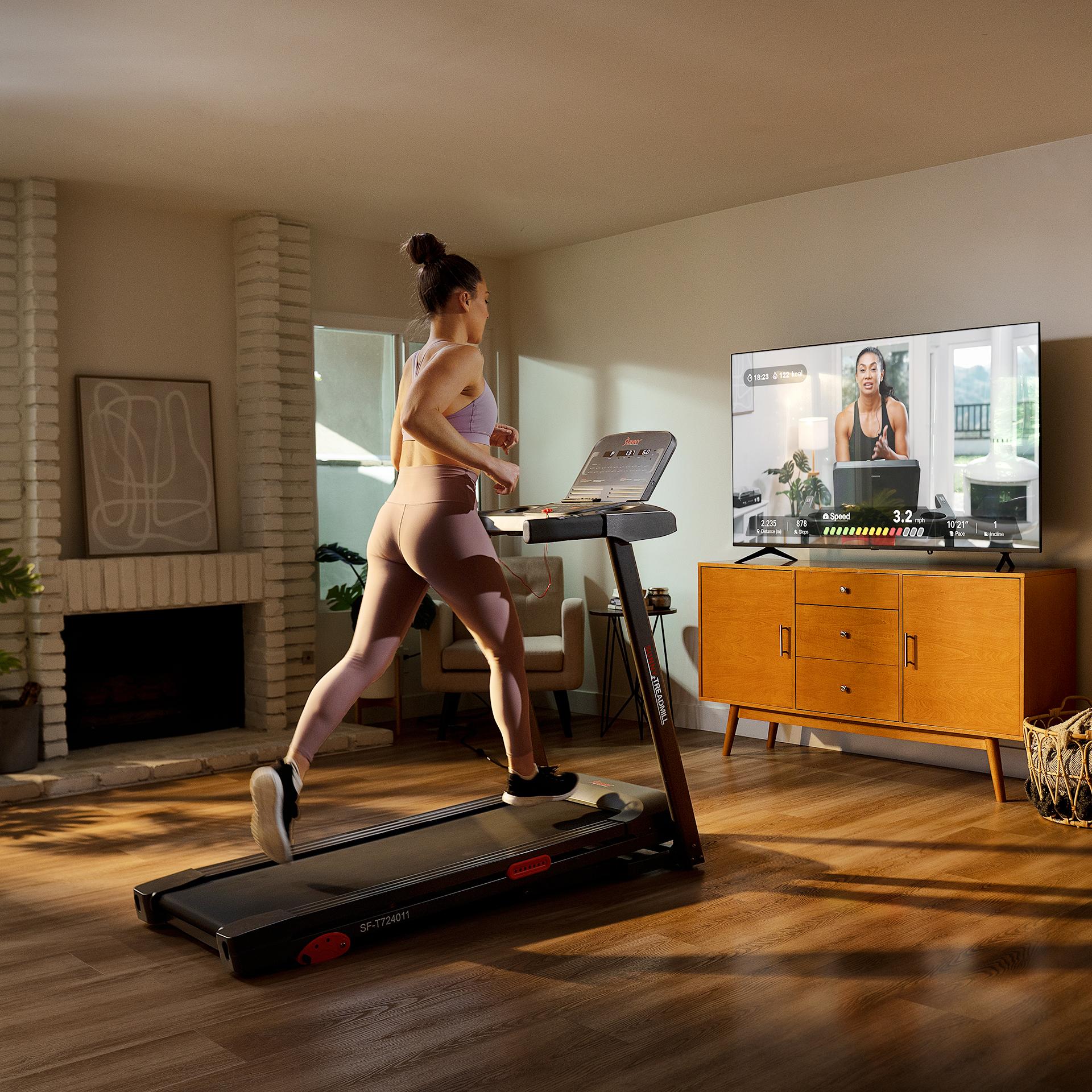
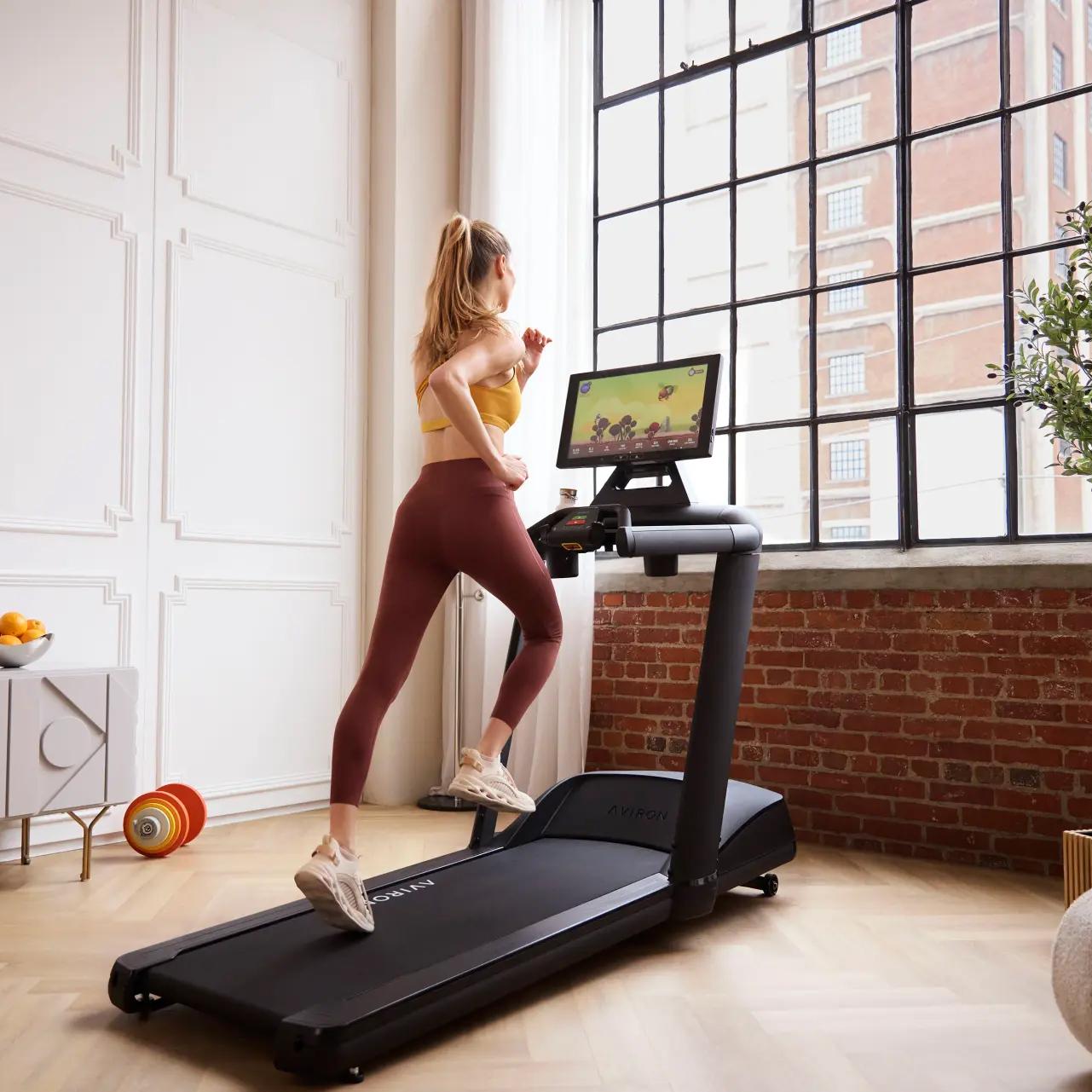

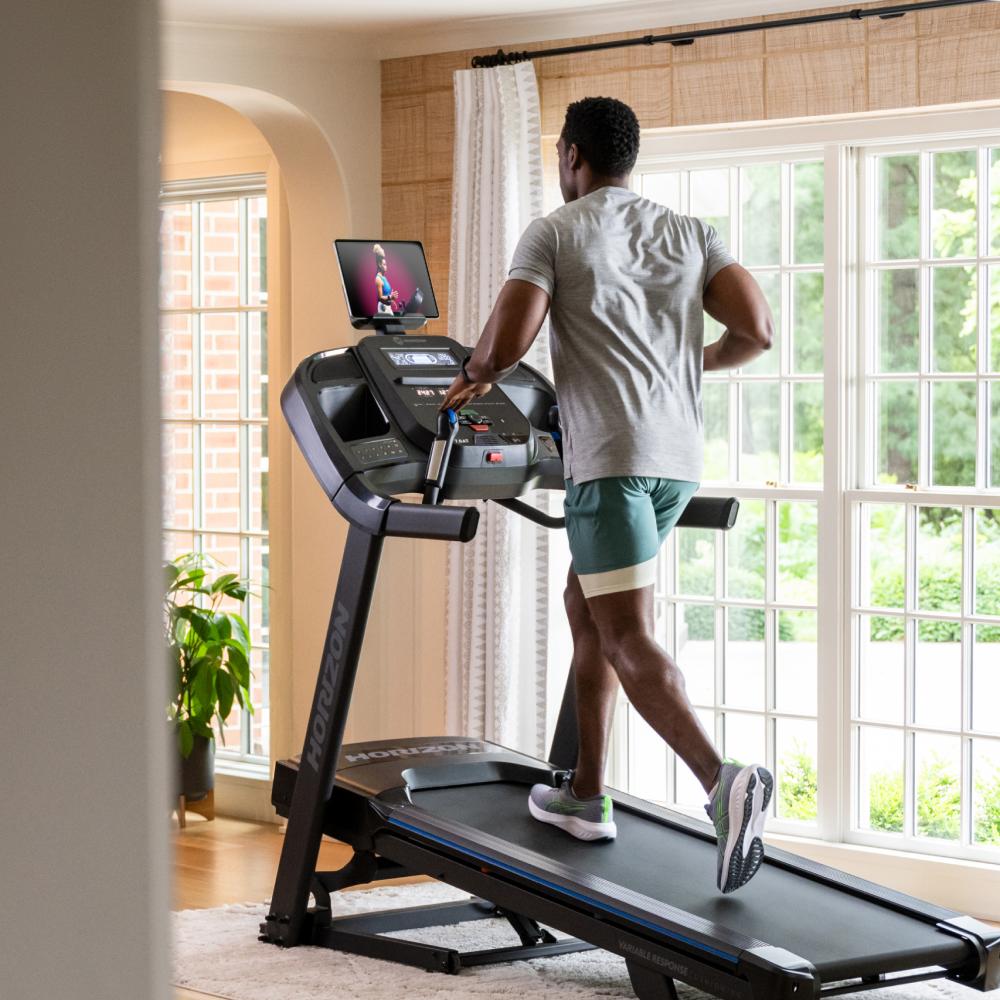

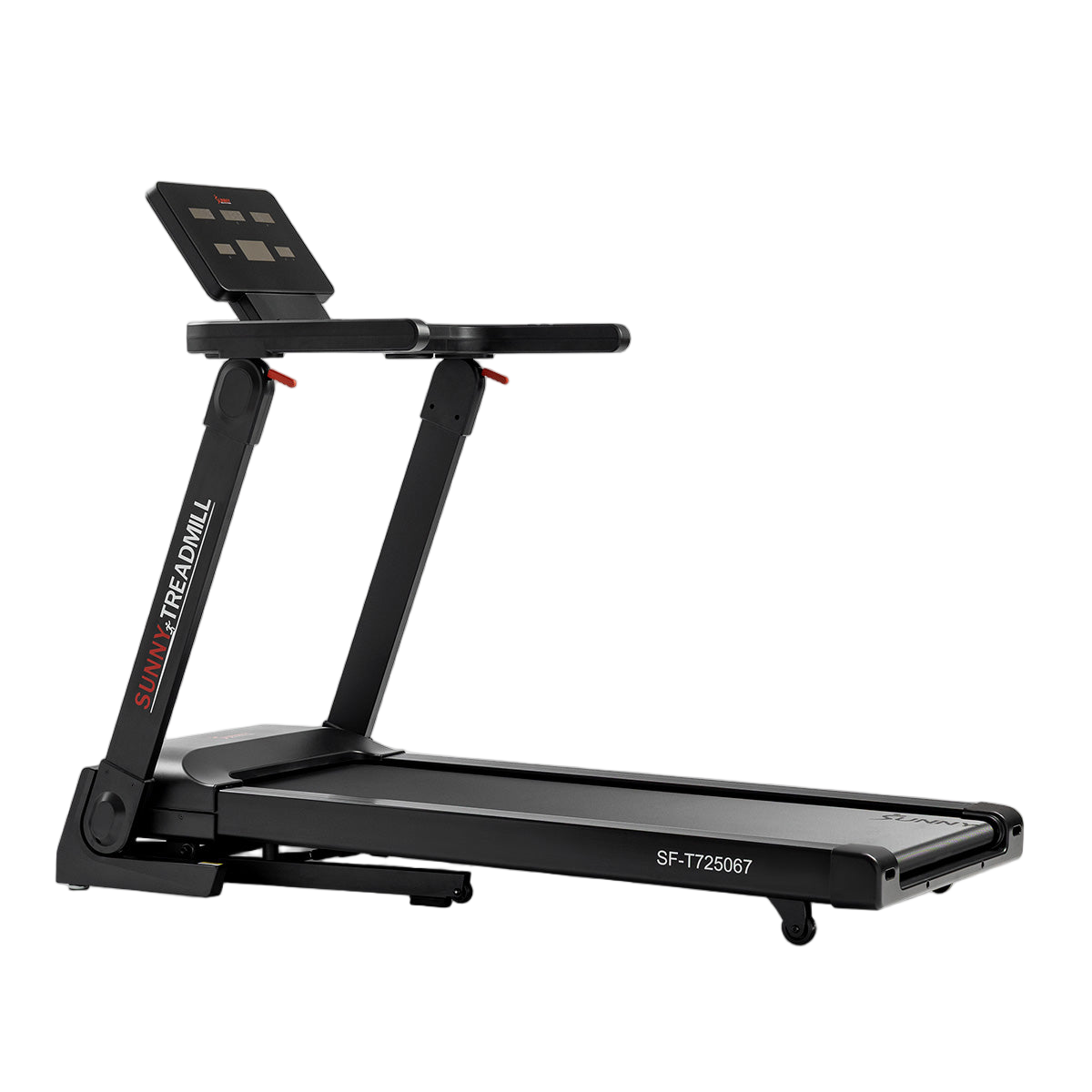


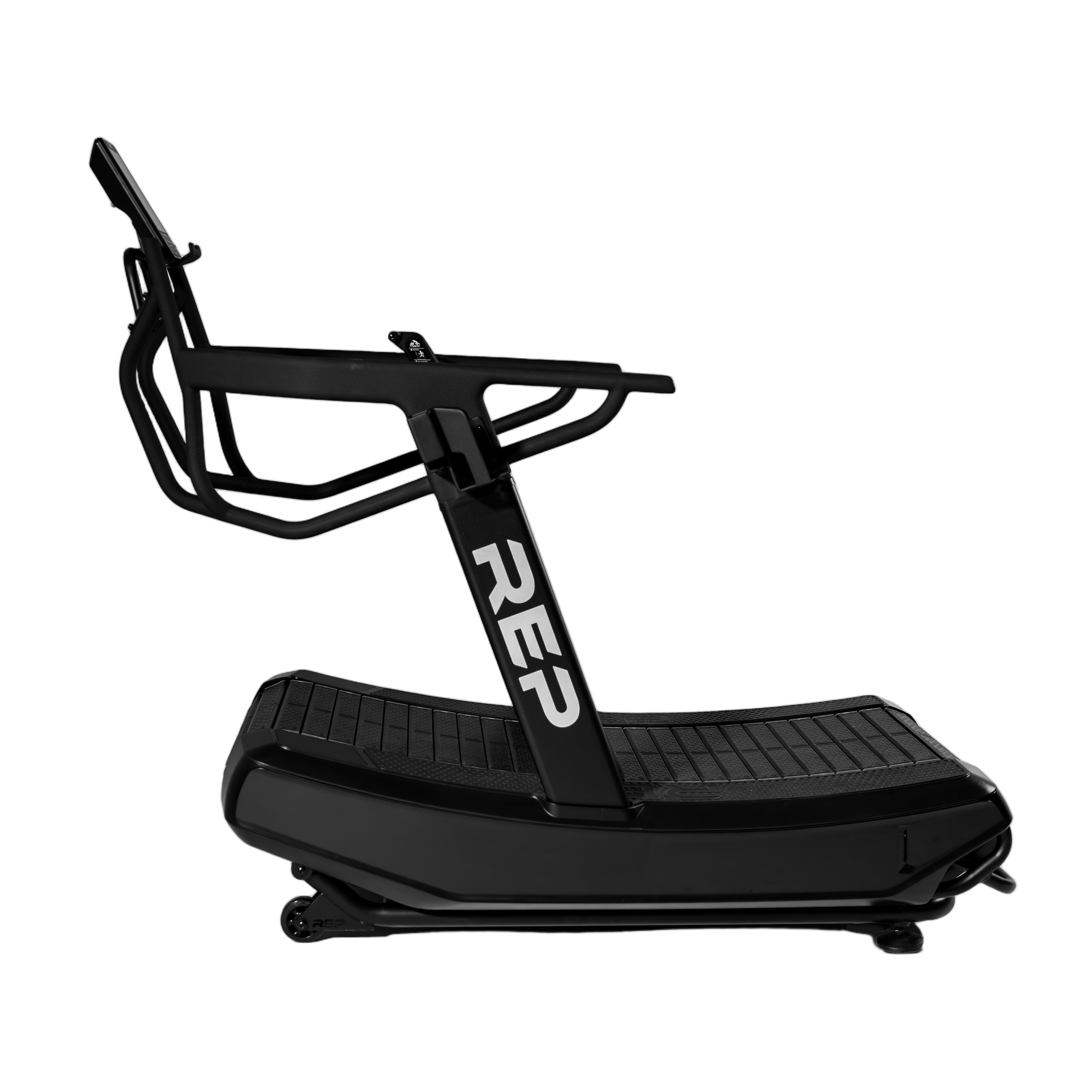

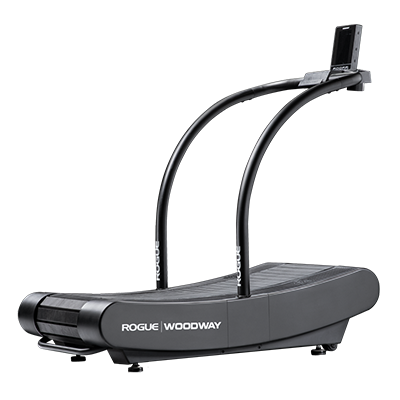

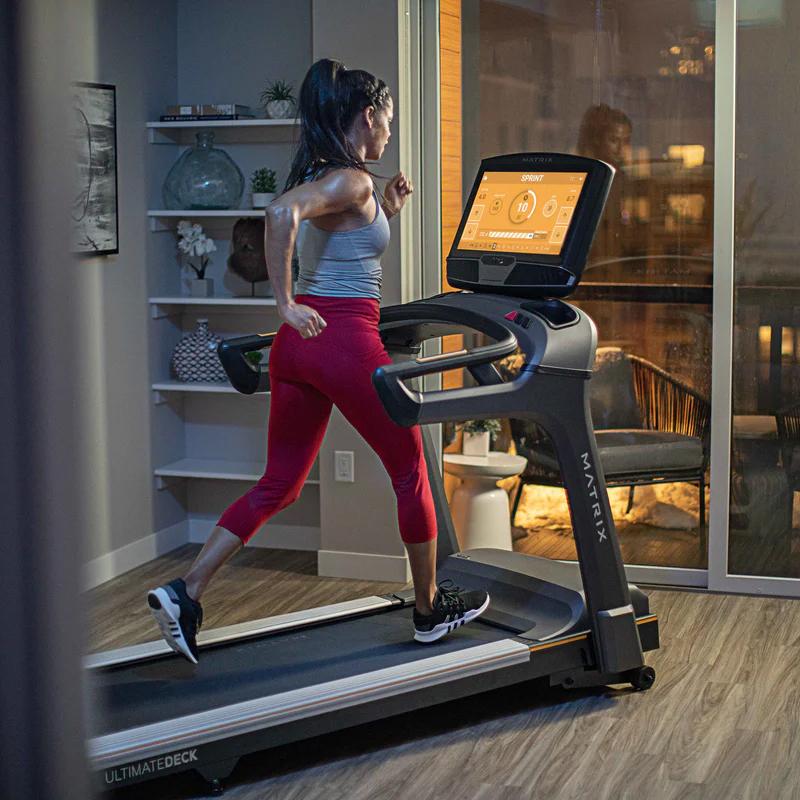
Commercial-grade treadmills
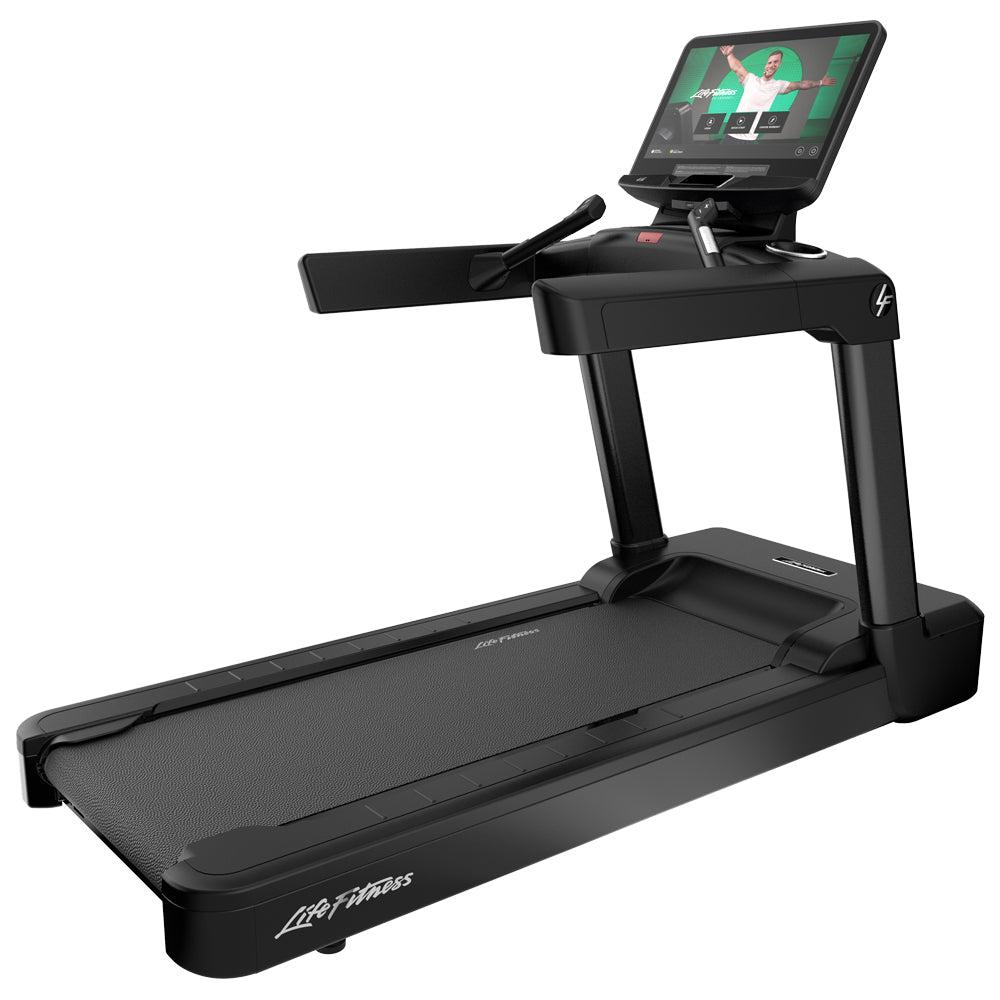


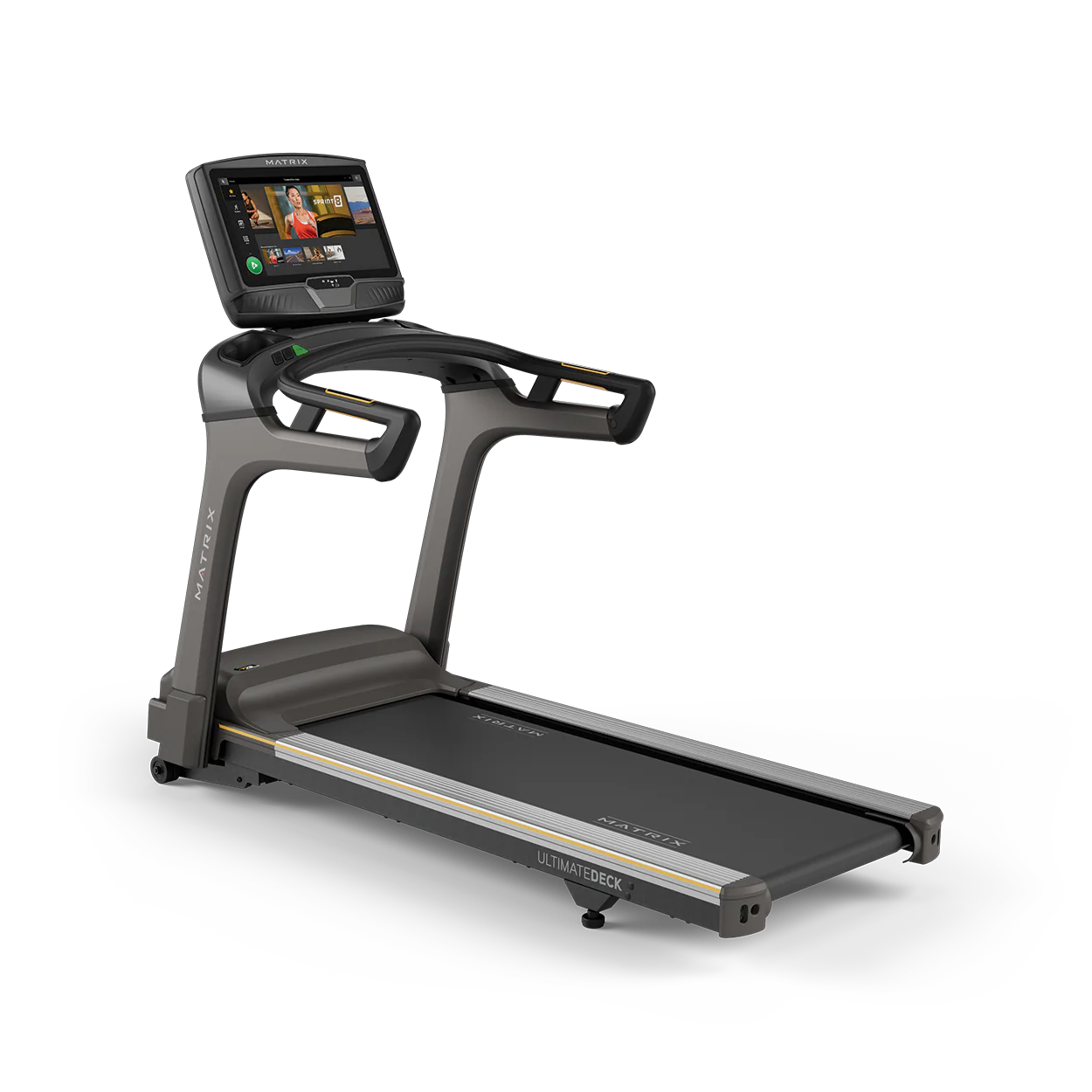

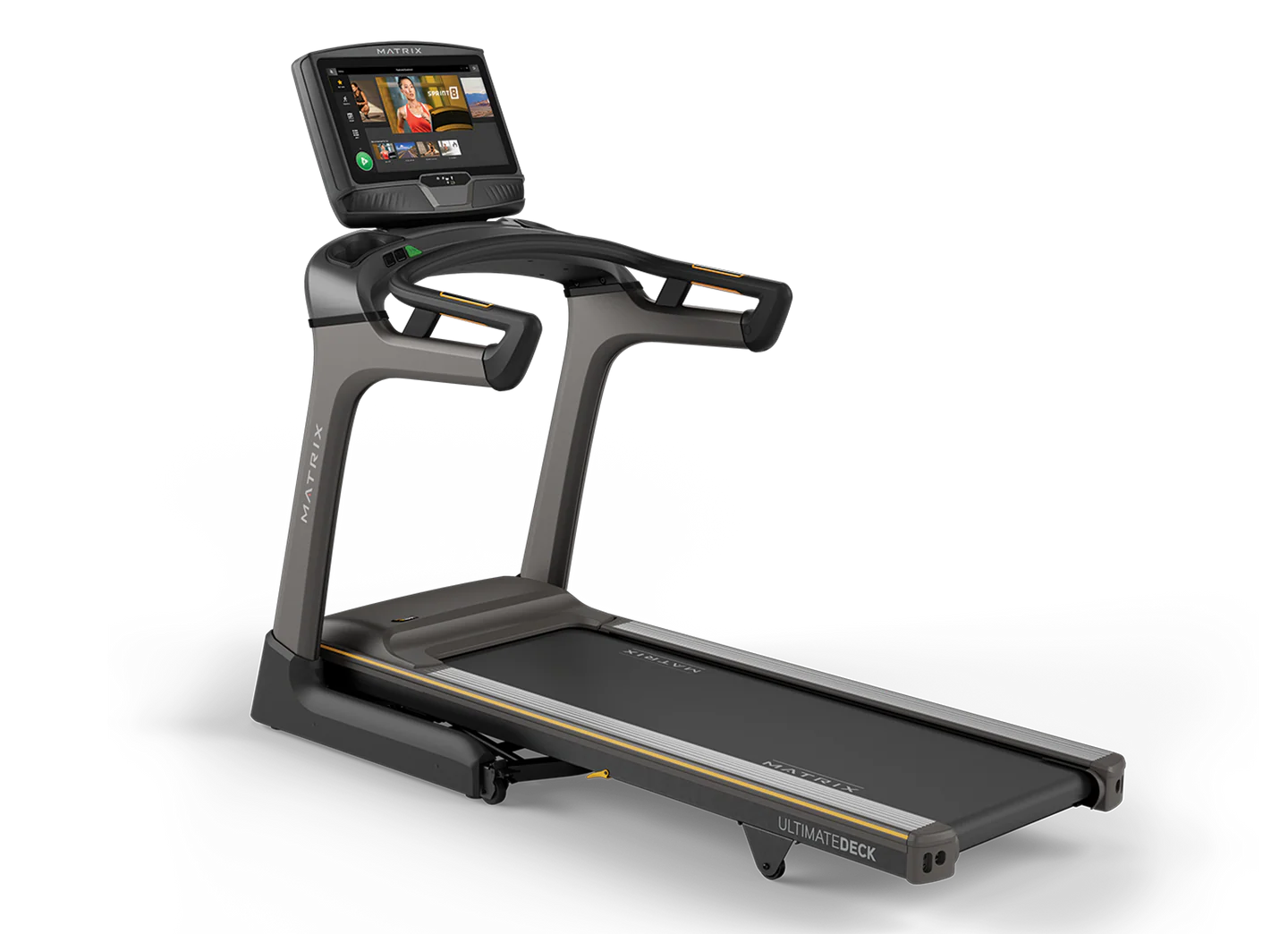
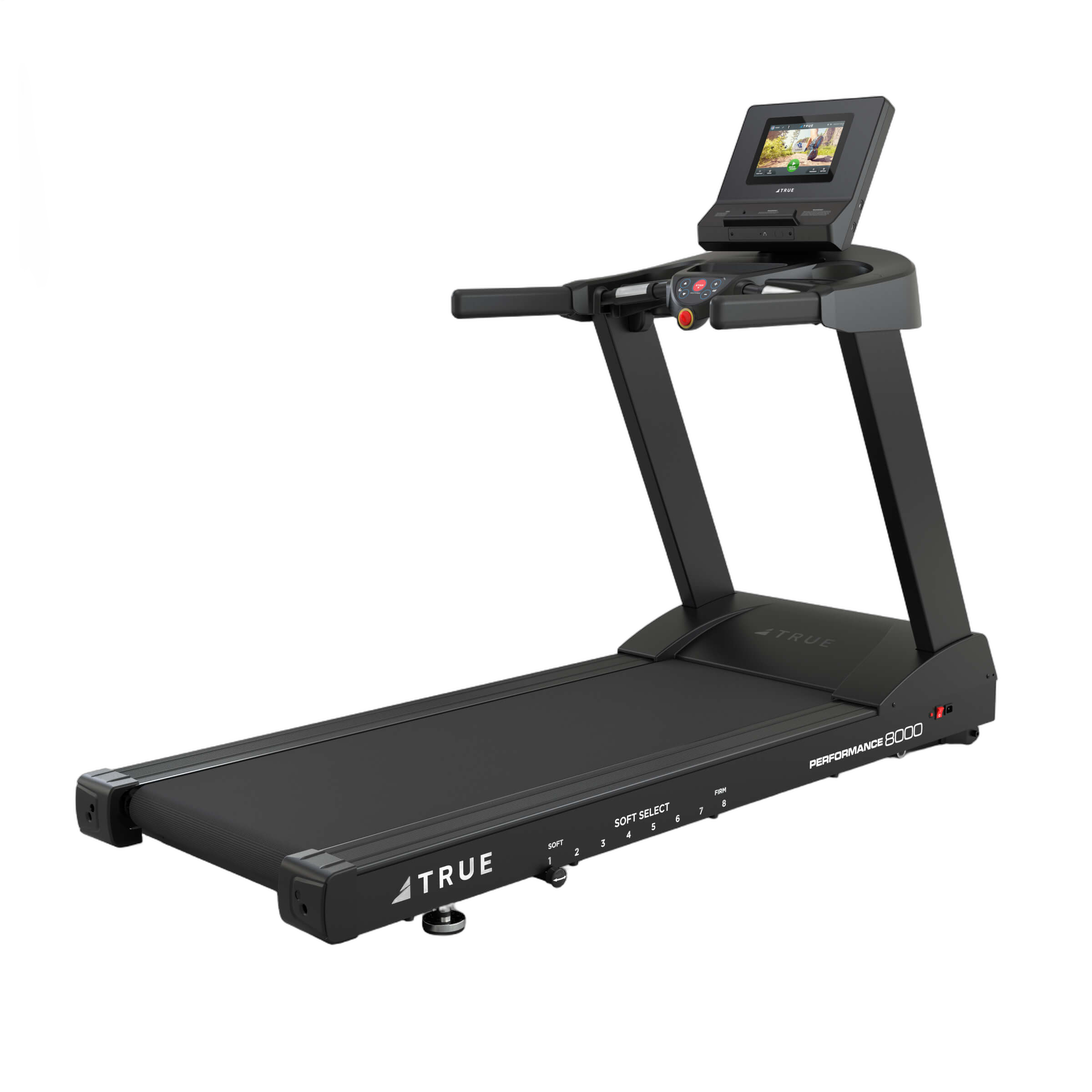
True Performance 8000 Treadmill - 10" Touchscreen

Utah Home Fitness
Treadmills








Can you buy a treadmill with your HSA or FSA?
In some cases, yes. Under HSA/FSA rules, exercise equipment purchased to stay fit or improve your general health is a personal expense. A treadmill only becomes a qualified medical expense when it’s used primarily to treat or manage a documented medical condition.
Say you’ve been diagnosed with hypertension, and a clinician recommends 30 minutes of brisk walking five days a week as part of your treatment plan. If getting outside to walk consistently isn’t realistic, a home treadmill may be what makes that recommendation possible. In that situation, the treadmill may qualify for HSA/FSA spending when supported by a Letter of Medical Necessity (LMN).
What doesn’t qualify? A treadmill bought to train for a half marathon, replace a gym habit, or simply move more. Even though walking is good for everyone, HSA/FSA rules look at why you’re buying the equipment, not just whether it’s healthy.
How to Buy Treadmills with Truemed
Checkout
Find the Truemed logo during checkout. Exit the "Shop Pay" pop-up if prompted.
Take a private health survey
A licensed provider will review your answers to determine eligibility.
Make your purchase
Pay with your HSA/FSA card or a credit card. If you use a regular credit card, follow the guide included with your LMN to submit your purchase for reimbursement.
Frequently asked questions
If you can’t find what you’re looking for, please reach out to support@truemed.com
The 12-3-30 workout is a popular treadmill routine where you set the incline to 12%, walk at 3 miles per hour, and keep going for 30 minutes. The steep incline is meant to rais your heart rate and work your glutes, hamstrings, and calves without the impact of running, which is why many people use it as a joint-friendly alternative to jogging. A 12% incline is demanding, though, so if you’re new to incline walking, consider starting at a lower incline or a shorter duration and building up gradually. If you have knee, hip, or back pain, a heart condition, or balance concerns, check with a clinician before you start.
It comes down to how you’ll use it. Walking pads are compact, usually top out around 4 miles per hour, and often skip handrails and incline, which makes them a good fit for walking at a standing desk or in small spaces. Full-size treadmills take up more room but offer higher speeds for jogging and running, incline settings, handrails for stability, and sturdier decks. If balance is a concern or you want incline walking, a full treadmill is usually the safer choice.

Your health, your savings
All products on Truemed are HSA/FSA eligible for qualified customers — so you can invest in what matters without the out-of-pocket cost.