
Trusted by 2 million American customers
HSA/FSA Eligible Air Purifiers
Shop HEPA air purifiers and air quality devices that may qualify for HSA/FSA spending when used to help manage conditions like asthma or seasonal allergies.
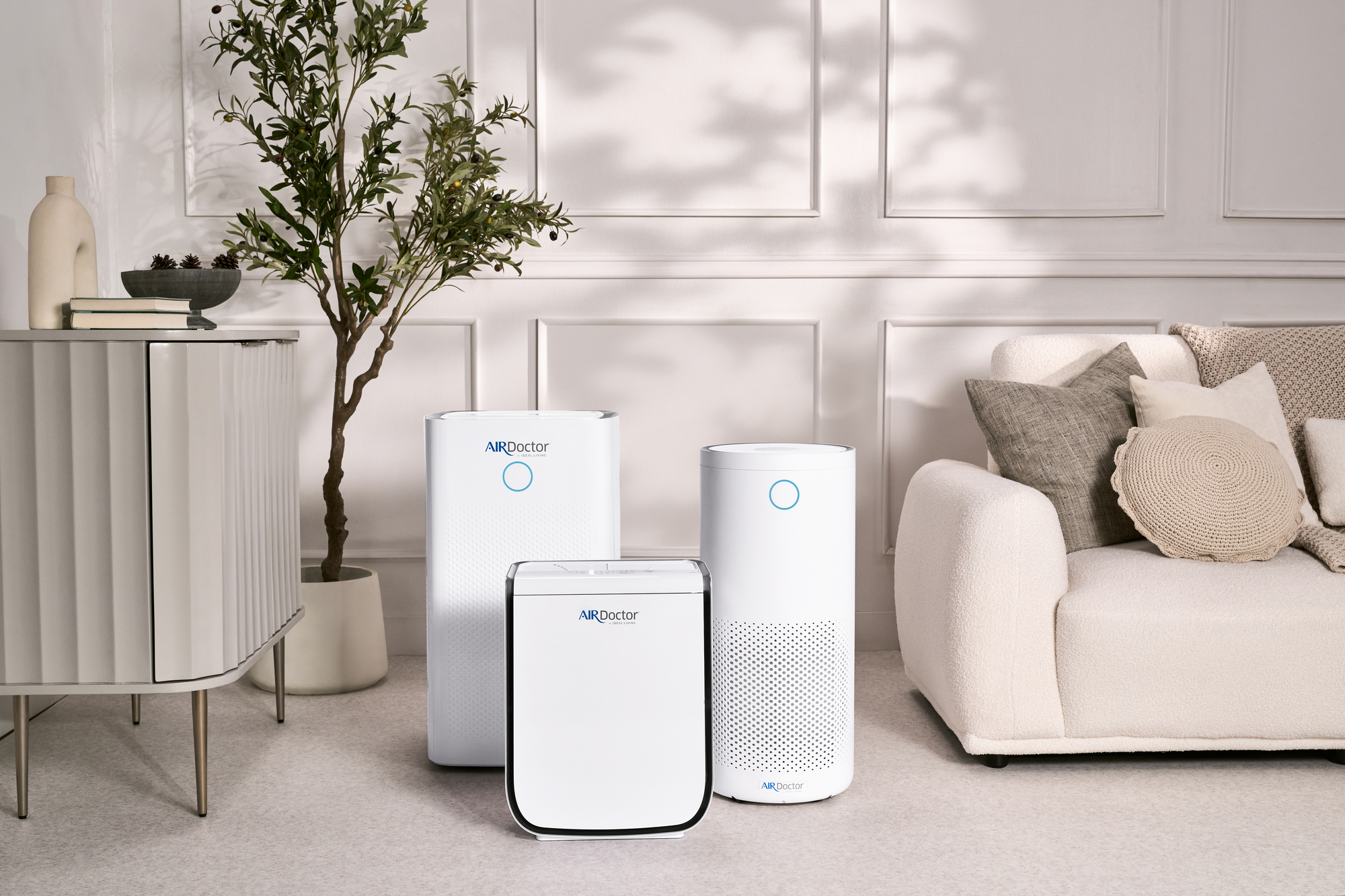

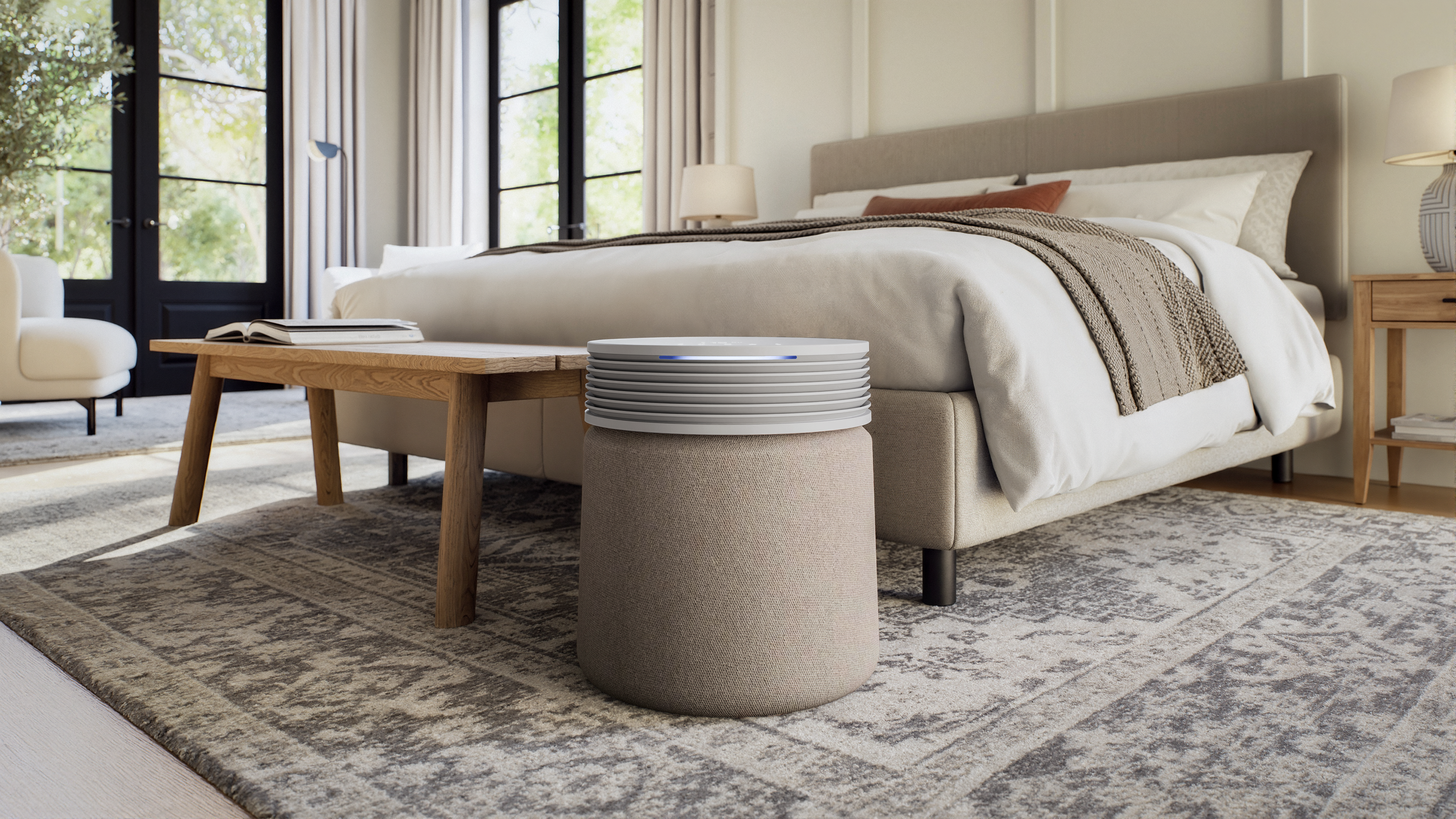

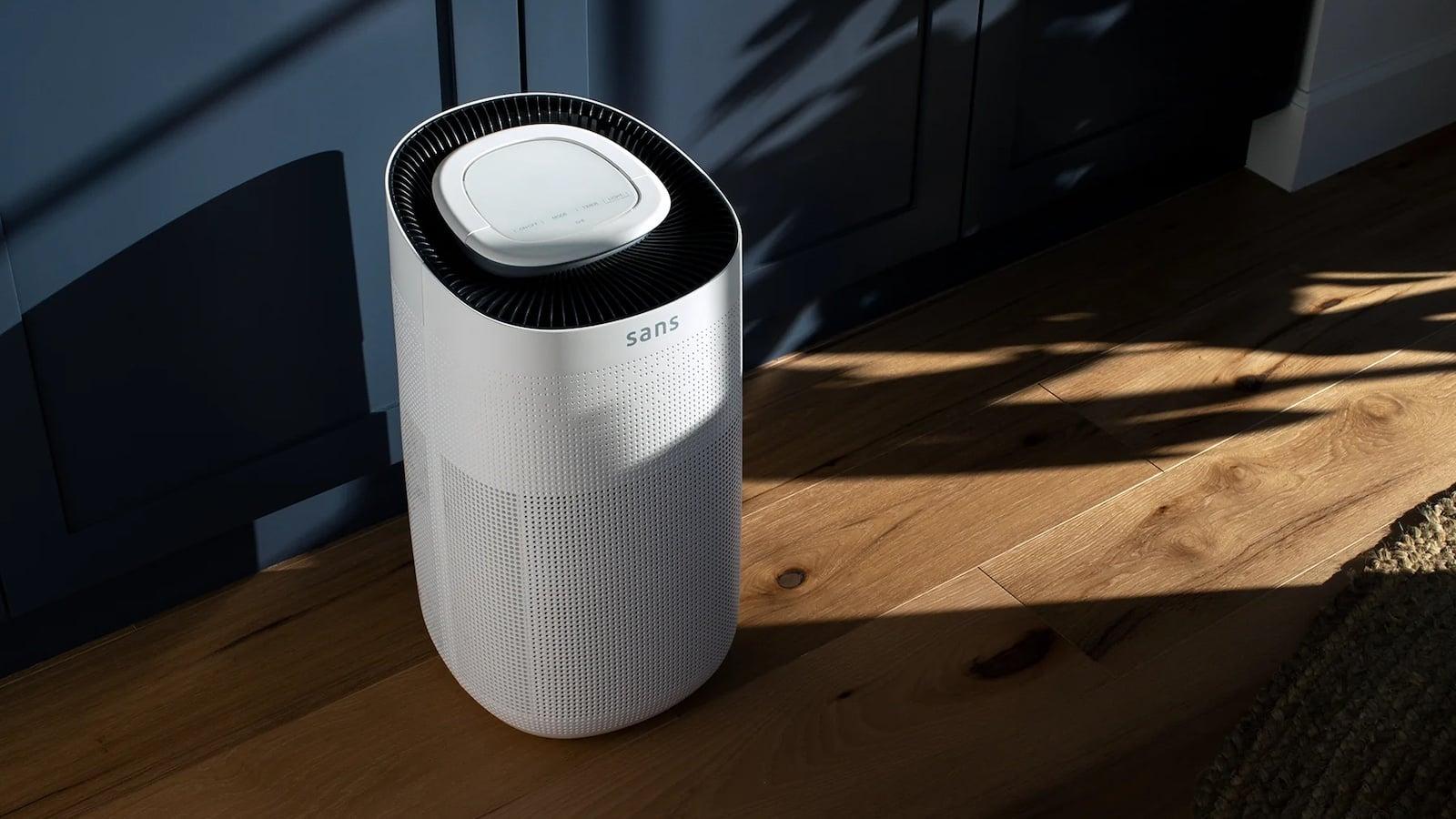

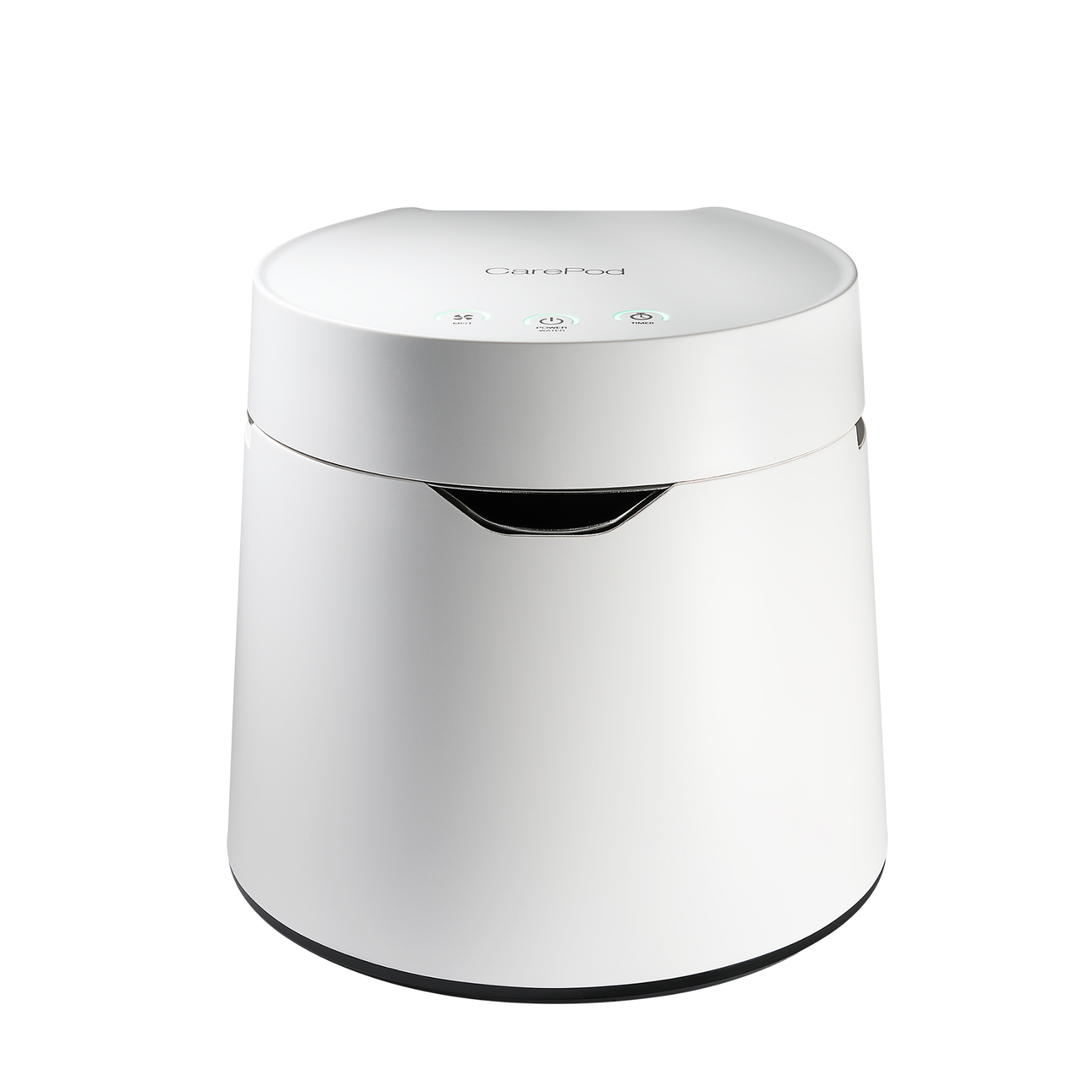

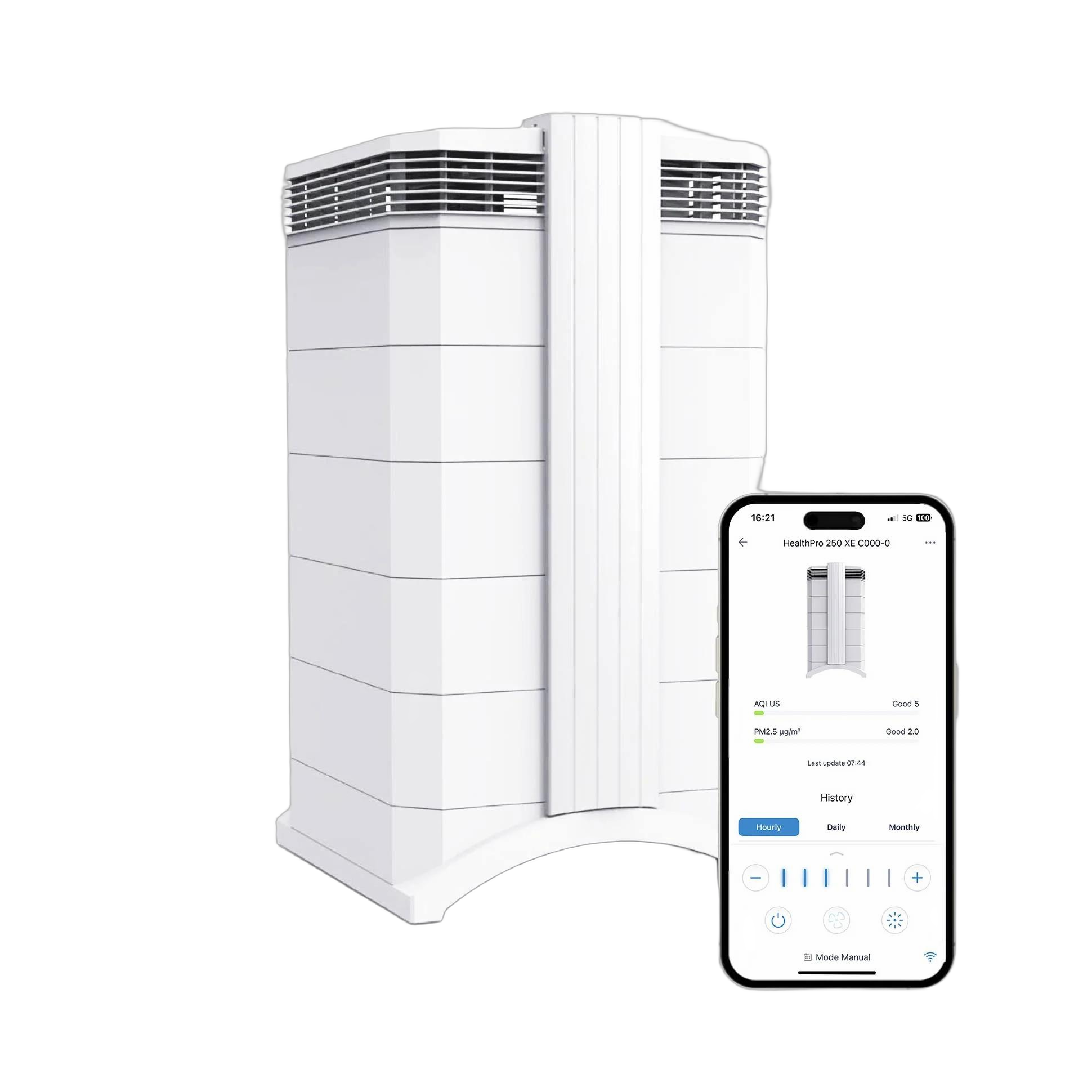

Best Sellers
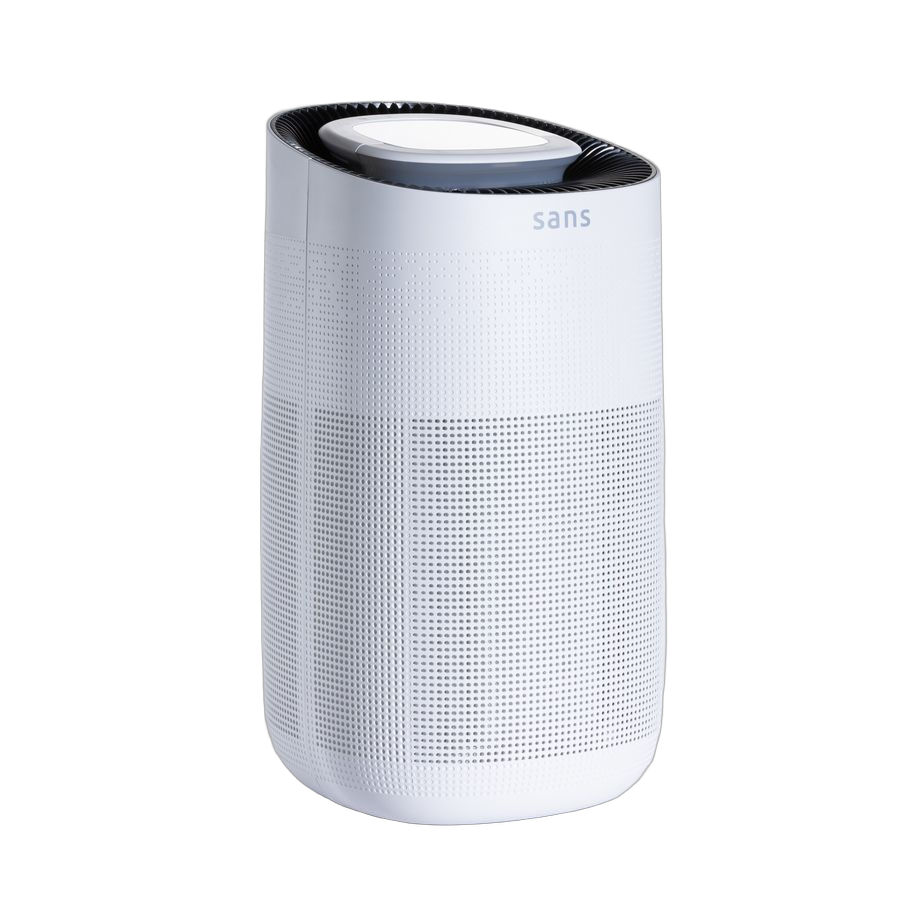
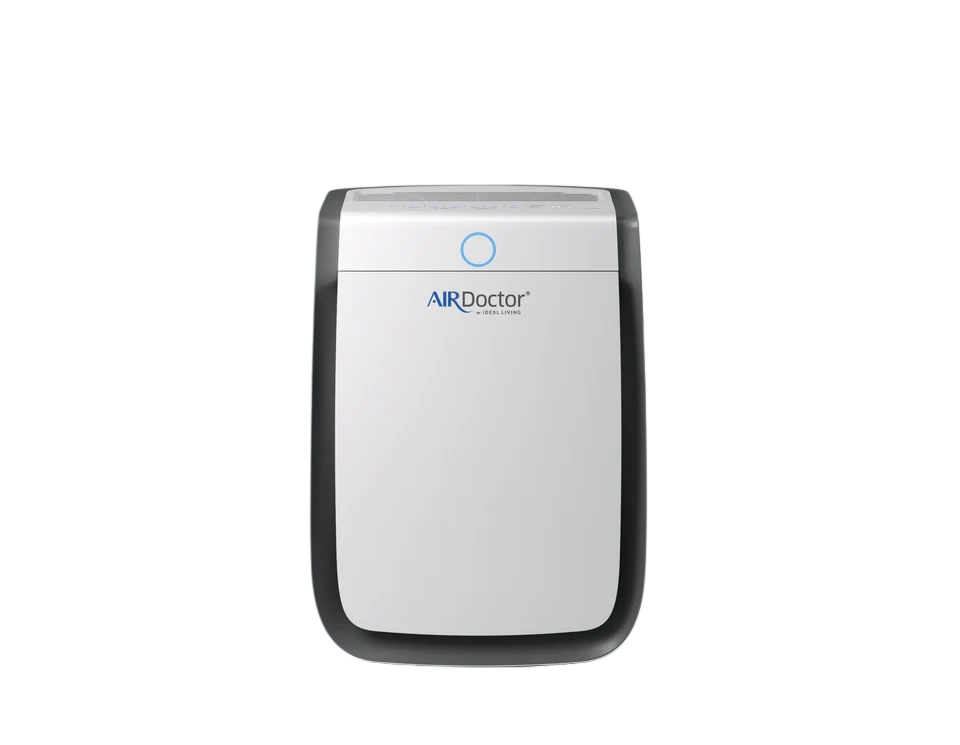
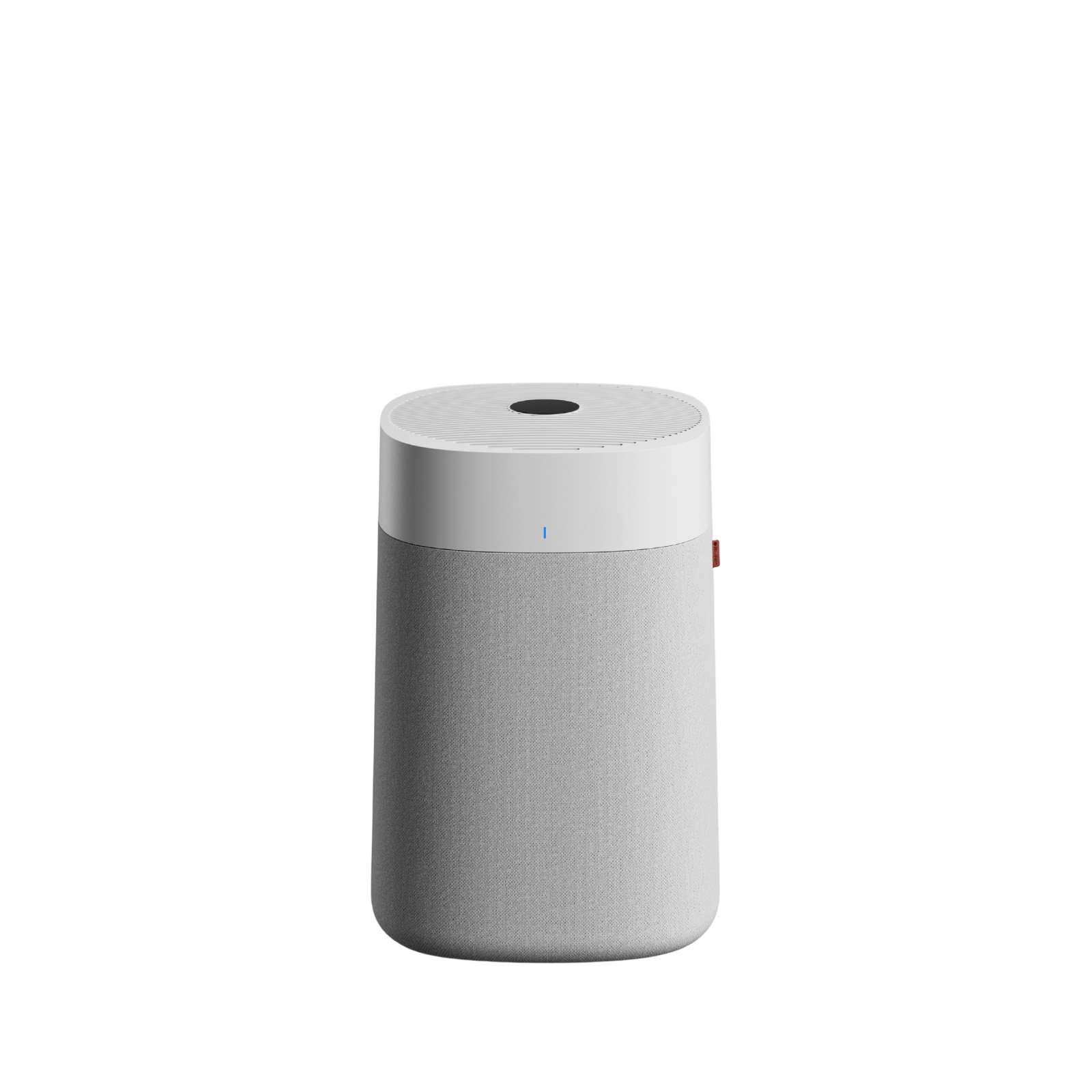




Benefits of Air Purifiers
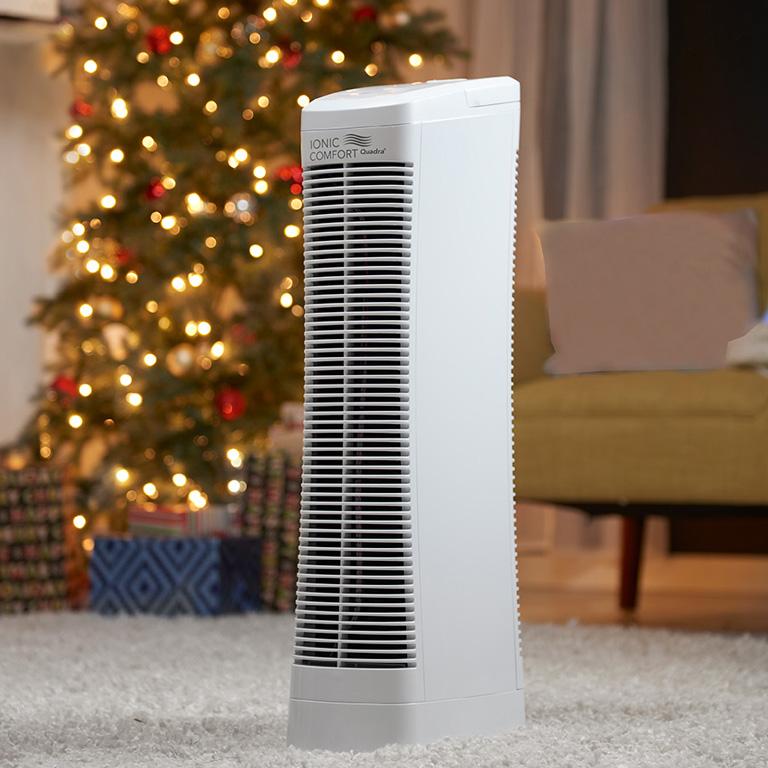
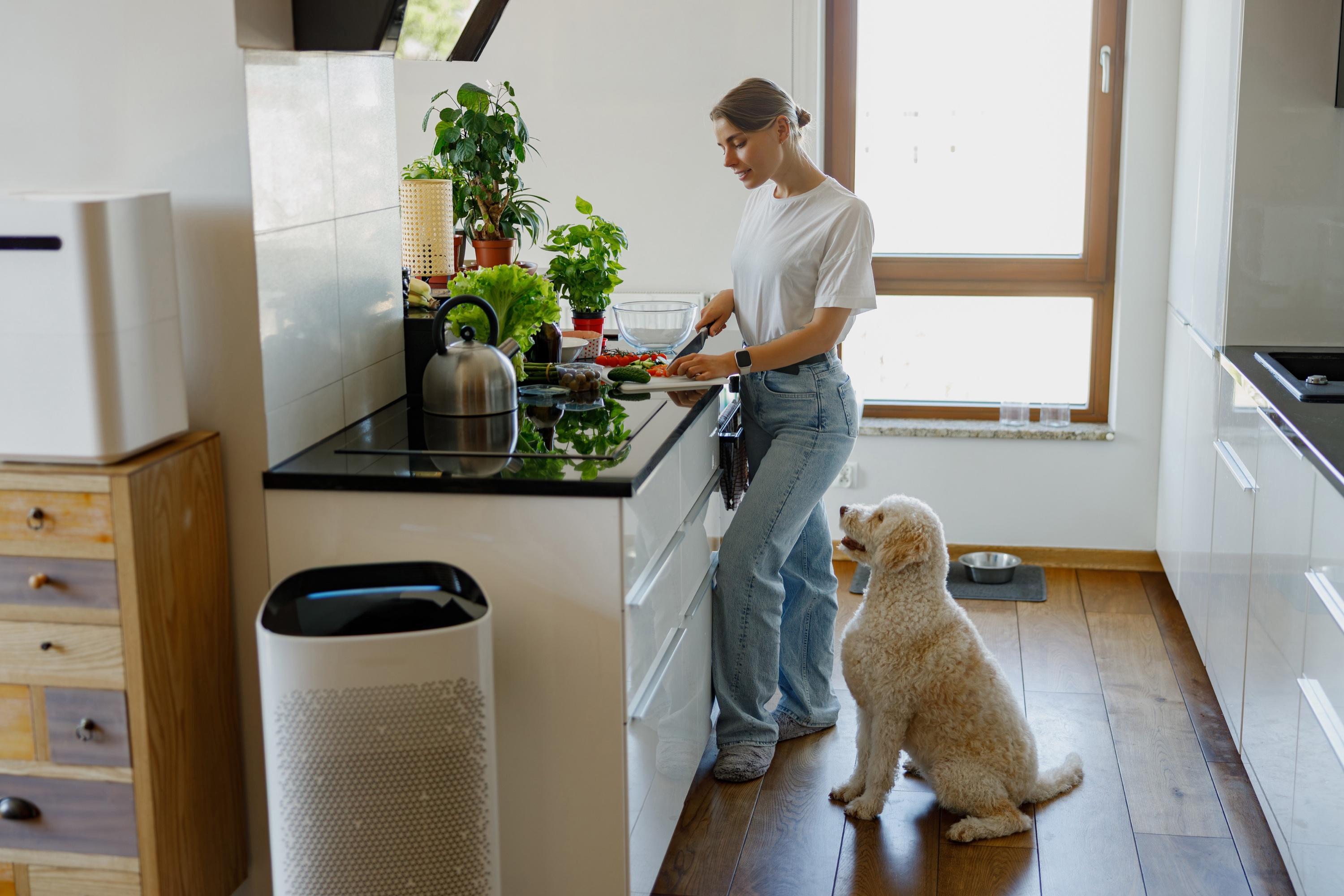
Air purifiers help improve indoor air quality by filtering airborne particles such as dust, pollen, pet dander, and other allergens. Depending on the filtration technology, some models can also help reduce smoke particles and certain airborne pollutants, which helps to create a cleaner, more comfortable indoor environment.
If you live with respiratory conditions or allergies, reducing exposure to airborne irritants may help to reduce your symptoms.
Explore the health areas below where cleaner indoor air plays a role in treatment, and shop eligible air purifiers from top brands, if qualified.
Allergies & Immune Health
Respiratory Health
Ear, Nose, Throat (ENT)
Brain & Nervous System
Autoimmune
Skin & Hair
Women's Health
Digestive Health
Kidney & Urinary Health
Bones & Joints
Cancer
The health categories shown above are commonly associated with products in this collection, but they are not exhaustive. Complete a health intake survey to check eligibility for a specific product. Truemed is for qualified customers. Learn more at truemed.com/disclosures (opens in a new tab).


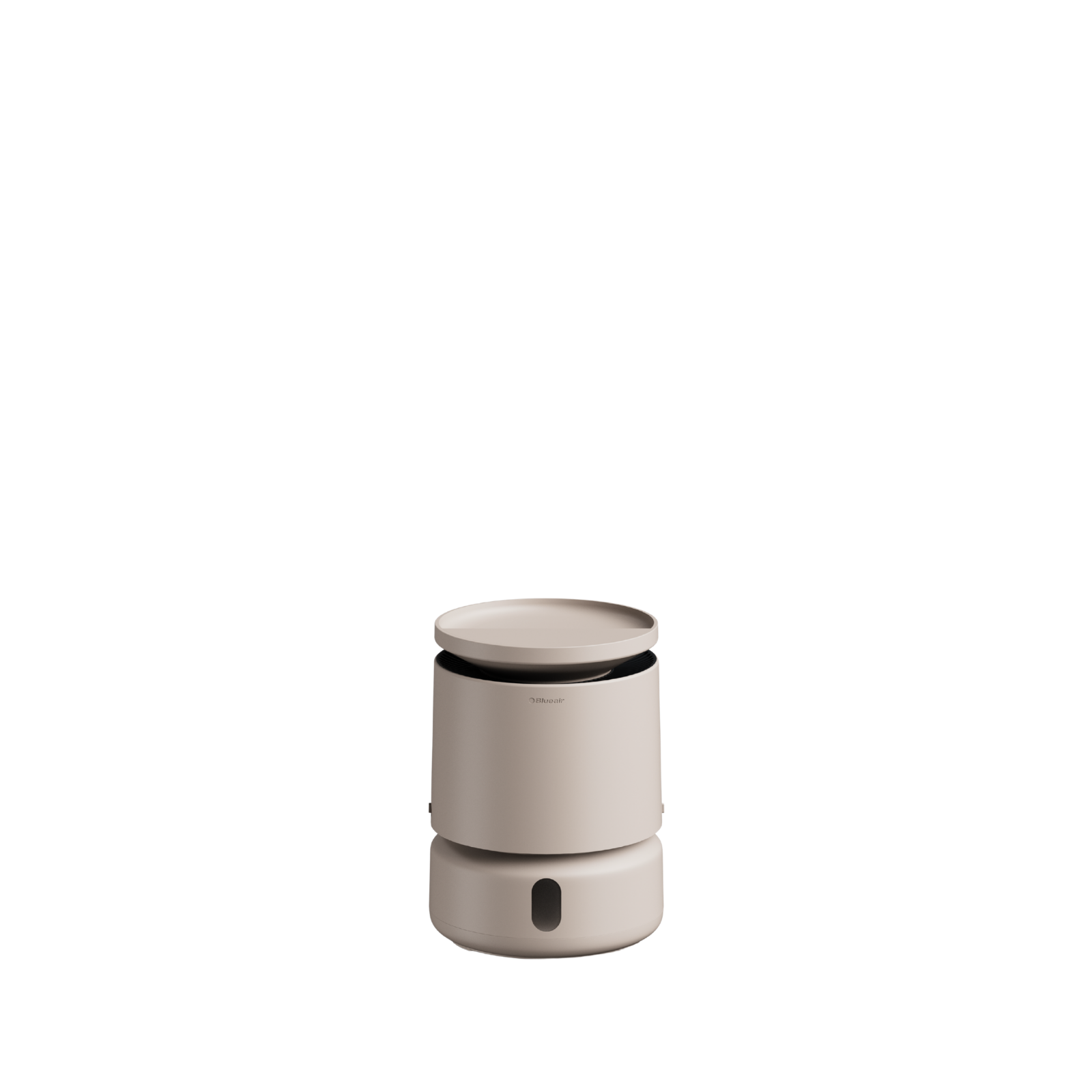
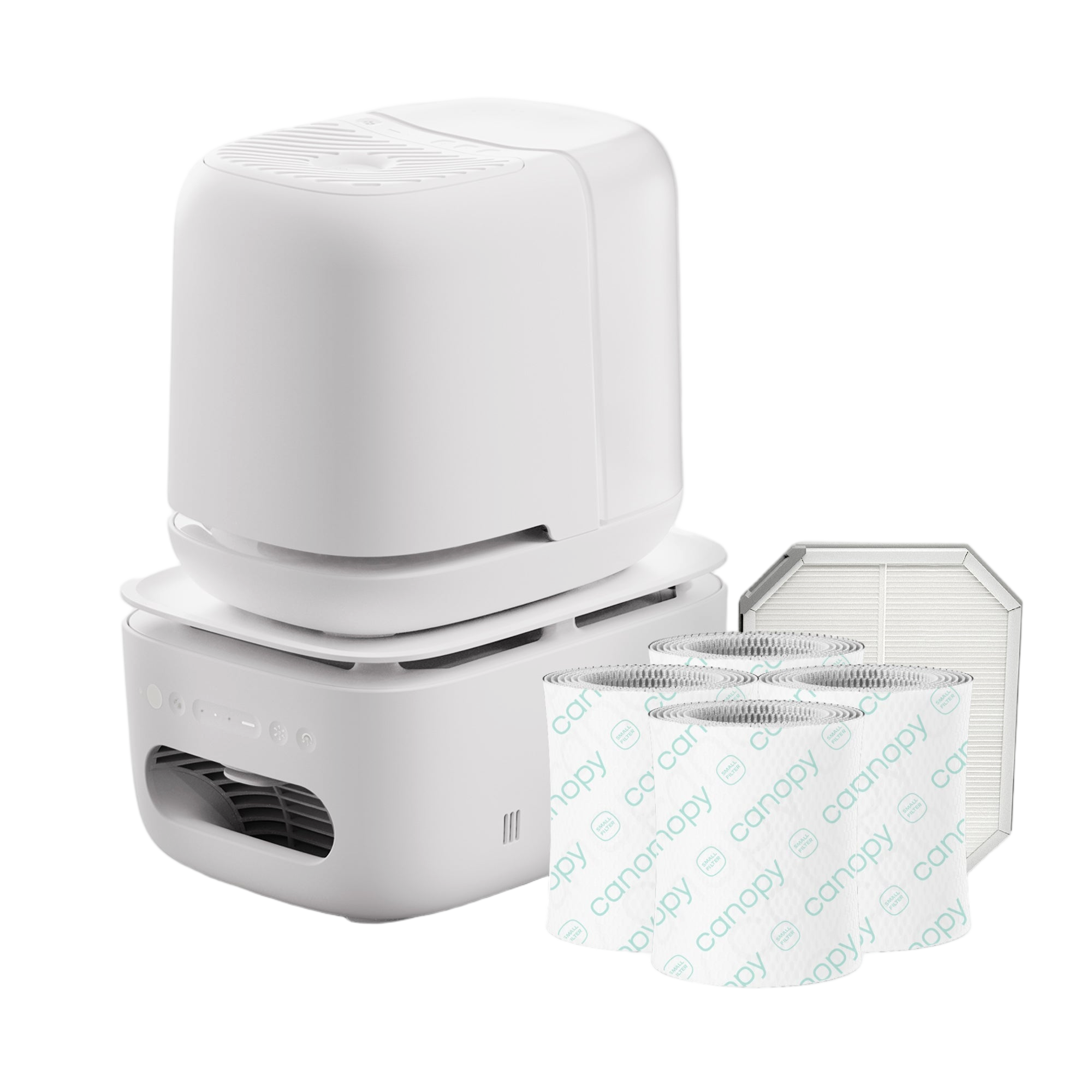
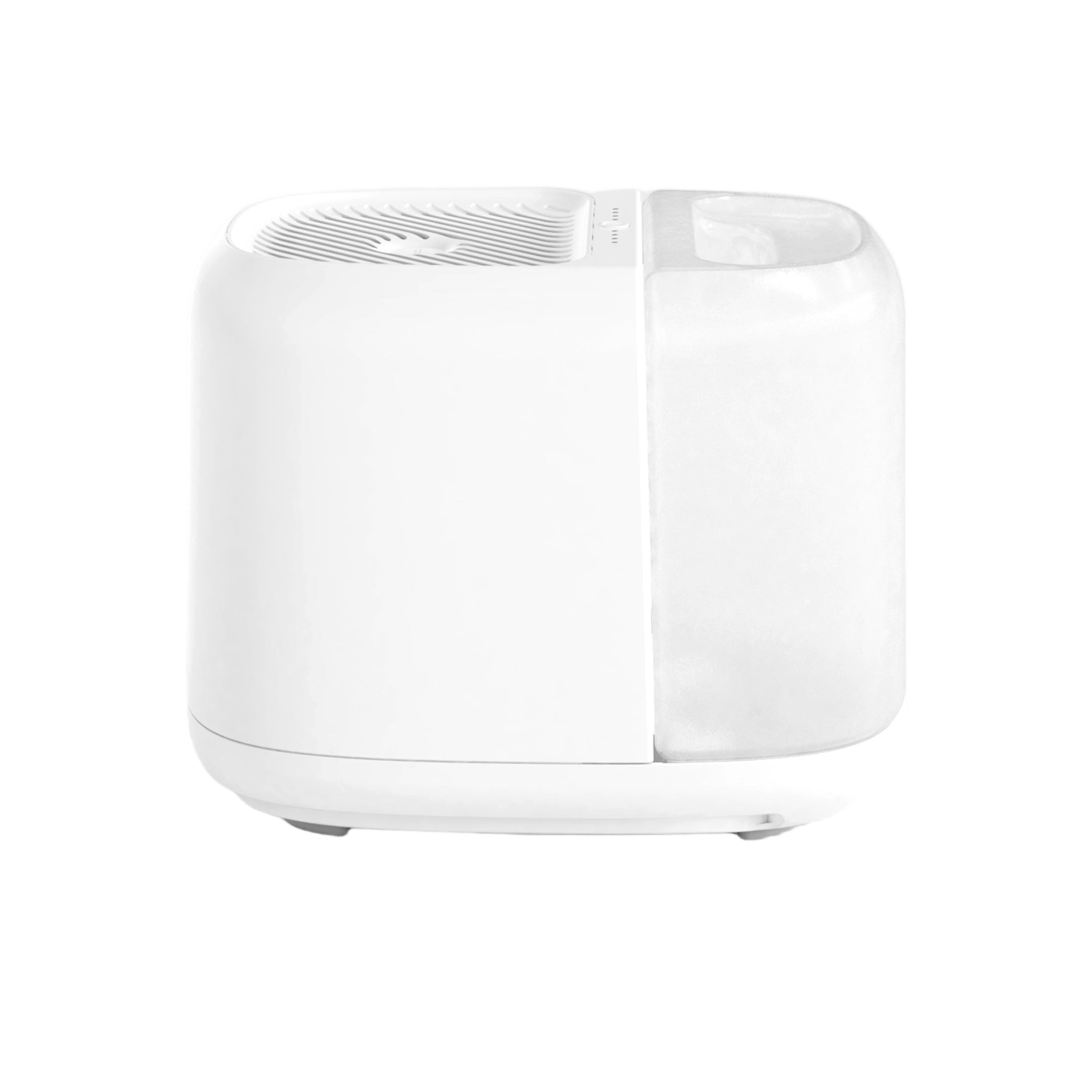
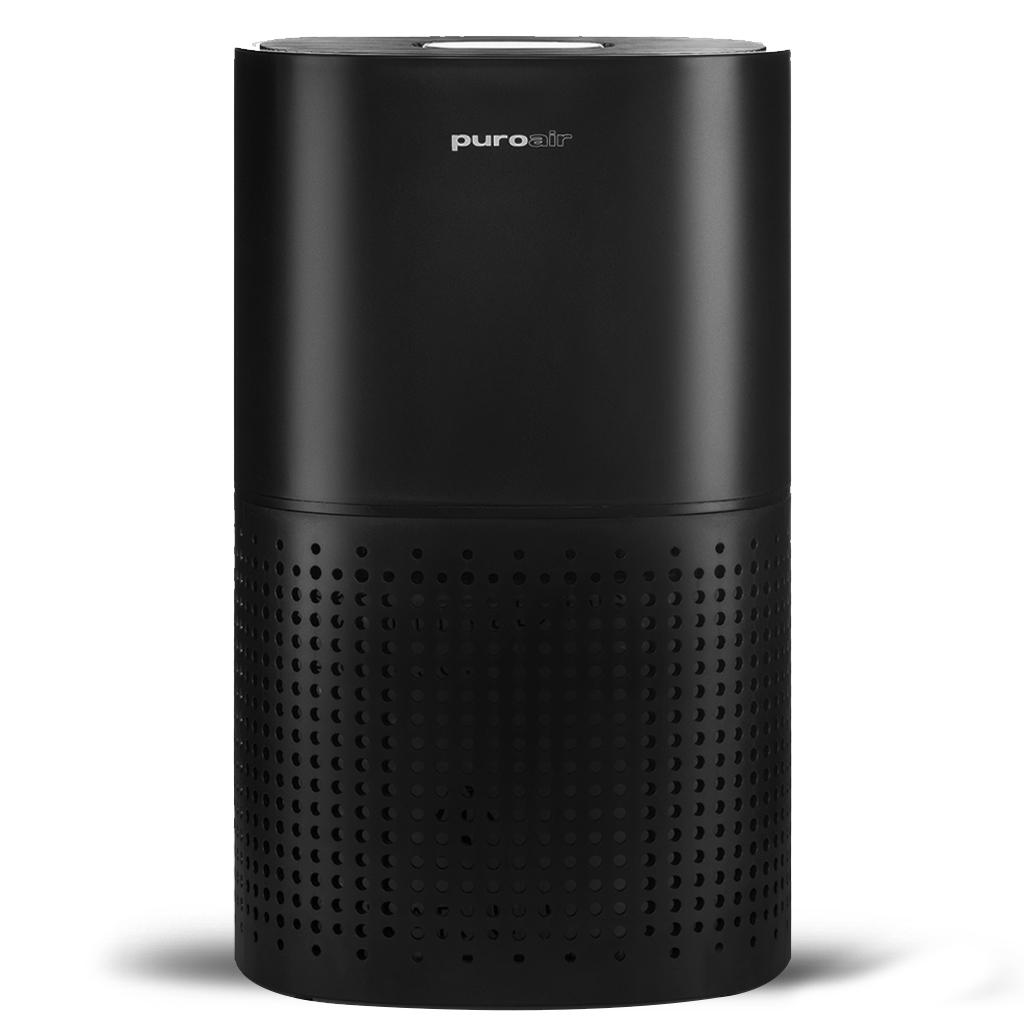
Purifiers under $250
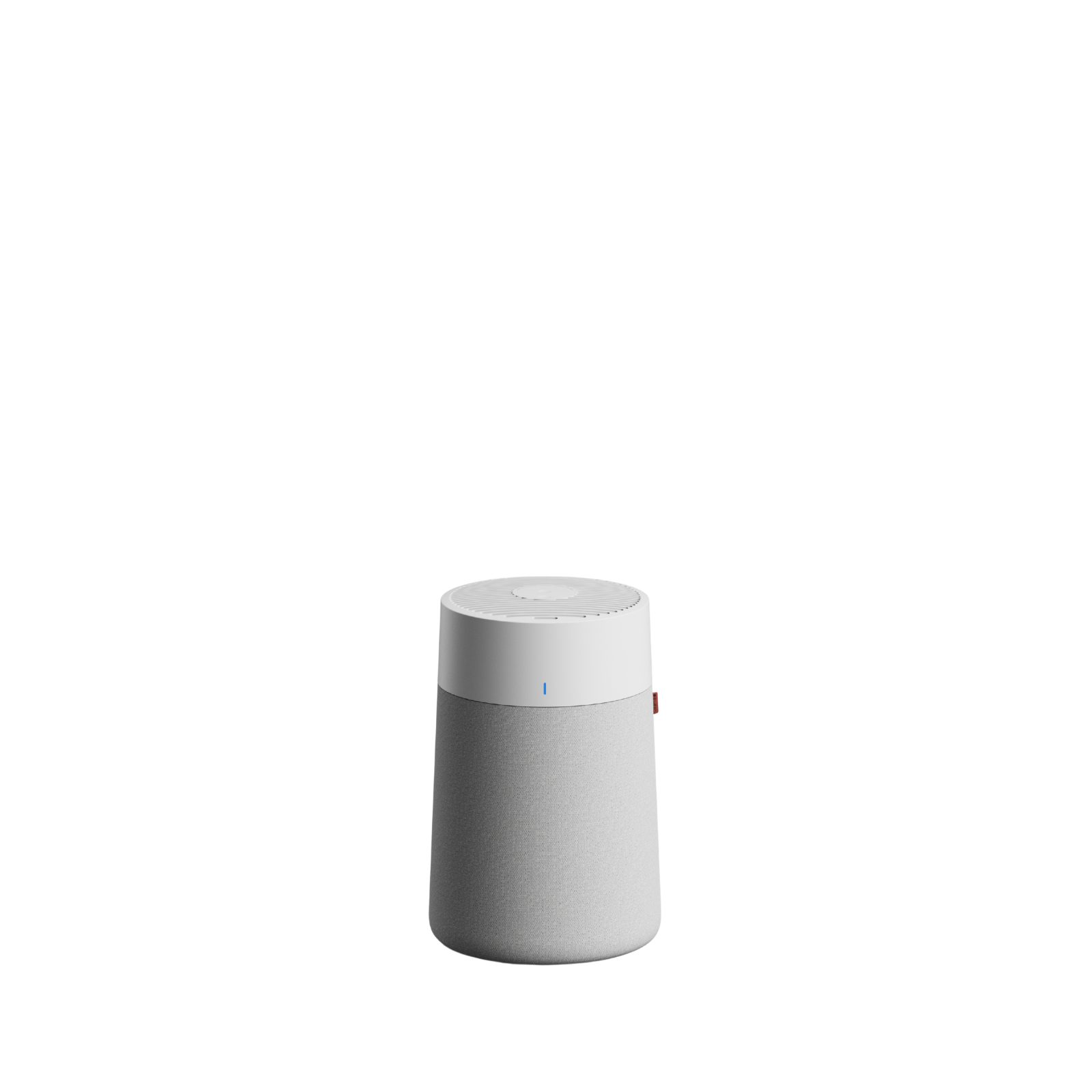
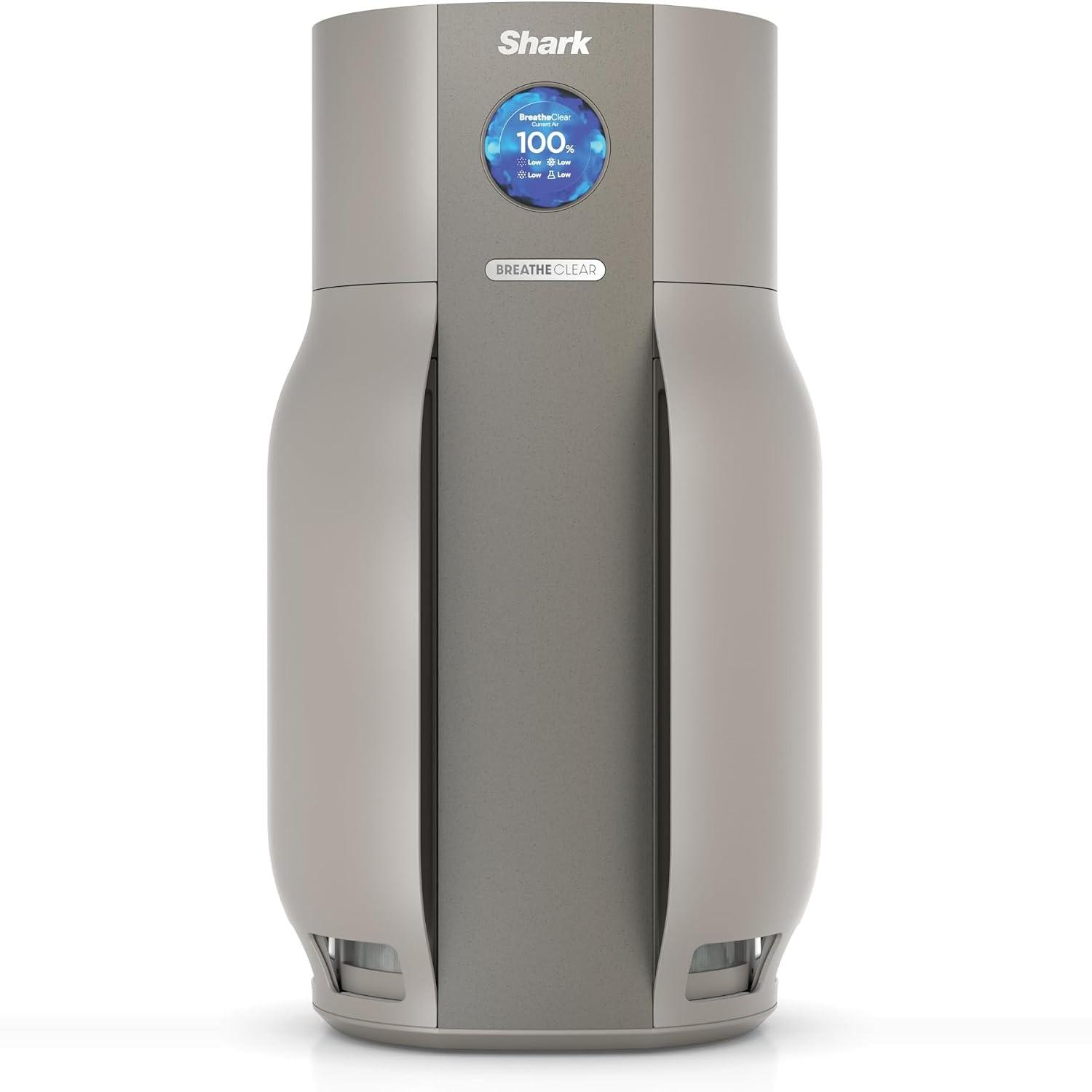


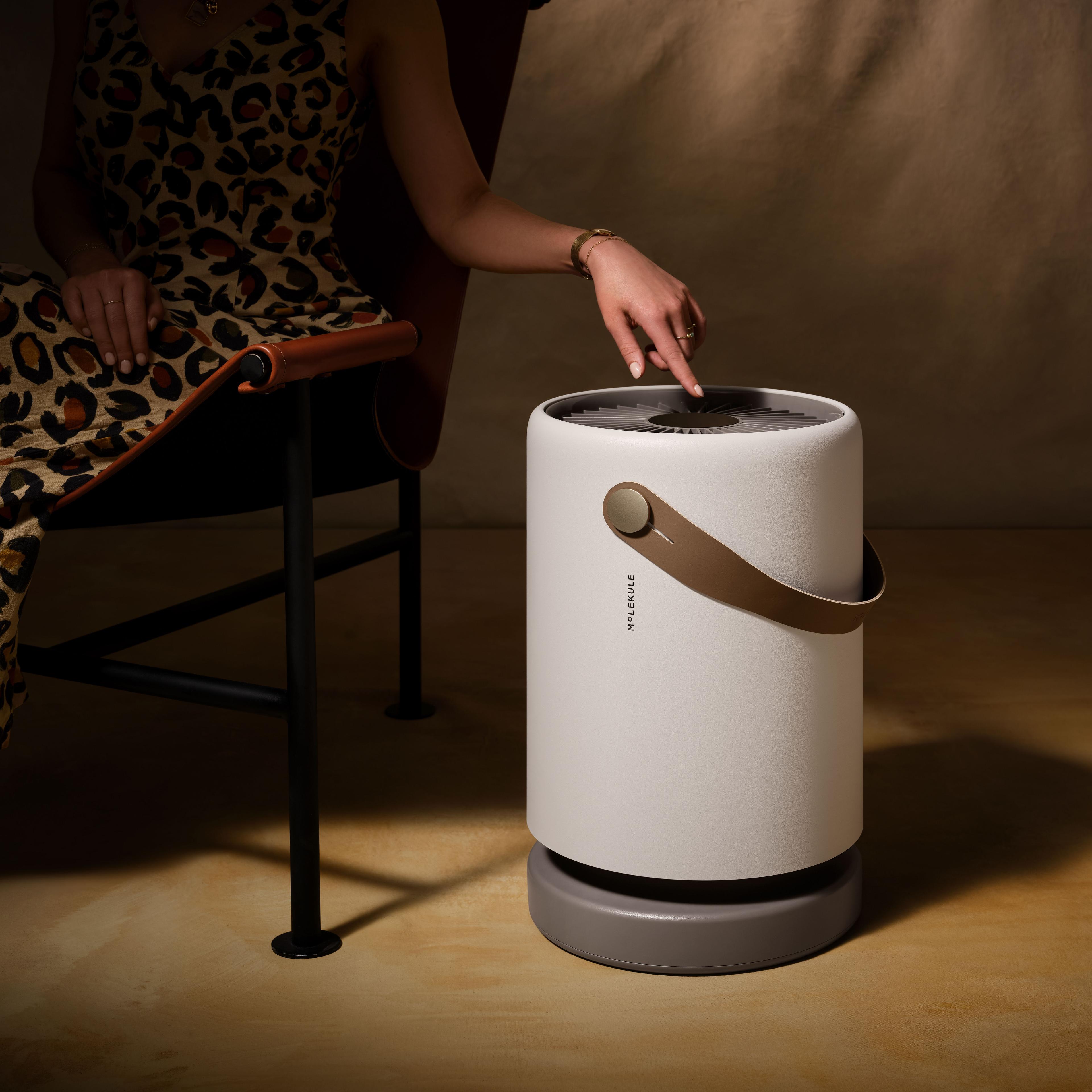














Can air quality products be HSA or FSA eligible?
Air purifiers or humidifiers purchased to improve your indoor air quality or make your home more comfortable aren’t considered qualified medical expenses. However, an air purifier may qualify for HSA/FSA spending when it’s primarily used to treat or alleviate symptoms of a documented medical condition and is accompanied by a Letter of Medical Necessity.
Whether an air purifier is HSA/FSA eligible comes down to its medical purpose. Air purifiers used for general health aren’t eligible, but if you have a genuine medical need, like asthma or other respiratory problems, and a licensed clinician recommends it as part of your treatment plan, it may become HSA/FSA eligible.
How to Buy Air Quality with Truemed
Checkout
Find the Truemed logo during checkout. Exit the "Shop Pay" pop-up if prompted.
Take a private health survey
A licensed provider will review your answers to determine eligibility.
Make your purchase
Pay with your HSA/FSA card or a credit card. If you use a regular credit card, follow the guide included with your LMN to submit your purchase for reimbursement.
Frequently asked questions
If you can’t find what you’re looking for, please reach out to support@truemed.com
Yes. Air purifiers are categorized as dual-use products, meaning they can be used for general health and to treat a specific medical condition. In order for an air purifier (or any other dual-use product) to be considered a qualified medical expense, it must be accompanied by an LMN.
An LMN can help show your plan administrator why a specific air purifier is recommended to manage your documented condition. If you’re unsure whether an air purifier is HSA/FSA eligible for you, Truemed’s health intake process can help determine whether you qualify for an LMN.
Keep in mind that receiving an LMN doesn’t guarantee reimbursement because your HSA/FSA plan administrator may have their own rules and may require additional documentation like an itemized receipt.
Air purifiers with true HEPA filters can capture most airborne particles, including dust, pollen, pet dander, and smoke, which can help reduce indoor allergen levels. They work best when they’re sized correctly for the room, so compare the clean air delivery rate (CADR) against your room’s square footage. Air purifiers don’t remove allergens that have settled on surfaces, so they work best alongside regular cleaning. Filters also need replacing on schedule to keep working well.
Yes, air purifiers may help reduce your exposure to airborne allergens. Air purifiers with true HEPA filters are designed to capture at least 99.97% of particles 0.3 microns in size, which includes common triggers like pollen, pet dander, dust mite debris, and mold spores. Many people with allergic rhinitis or allergy-triggered asthma find that running one in the bedroom helps, since that’s where you spend the most time. Air purifiers work best alongside other steps, though, because they don’t remove allergens that have settled into bedding, carpets, or furniture. Allergen-barrier bedding and regular cleaning can help with those.
The main difference is that the two devices solve different problems. An air purifier cleans the air by filtering out particles like dust, pollen, pet dander, smoke, and mold spores, which makes it the better choice if allergens or airborne irritants trigger your symptoms. A humidifier adds moisture to dry air, which can help ease dry skin, irritated sinuses, a dry throat, and congestion, especially in winter or in dry climates. Many people use both. If you do, aim to keep indoor humidity between about 30% and 50%, since air that’s too humid can encourage dust mites and mold. Clean your humidifier regularly so bacteria and mold don’t build up in the tank.

Your health, your savings
All products on Truemed are HSA/FSA eligible for qualified customers — so you can invest in what matters without the out-of-pocket cost.