
Trusted by 2 million American customers
HSA/FSA Eligible Pillows
Shop HSA/FSA eligible pillows, including cervical, wedge, and orthopedic options that may qualify when used to help manage a medical condition.






Best Sellers
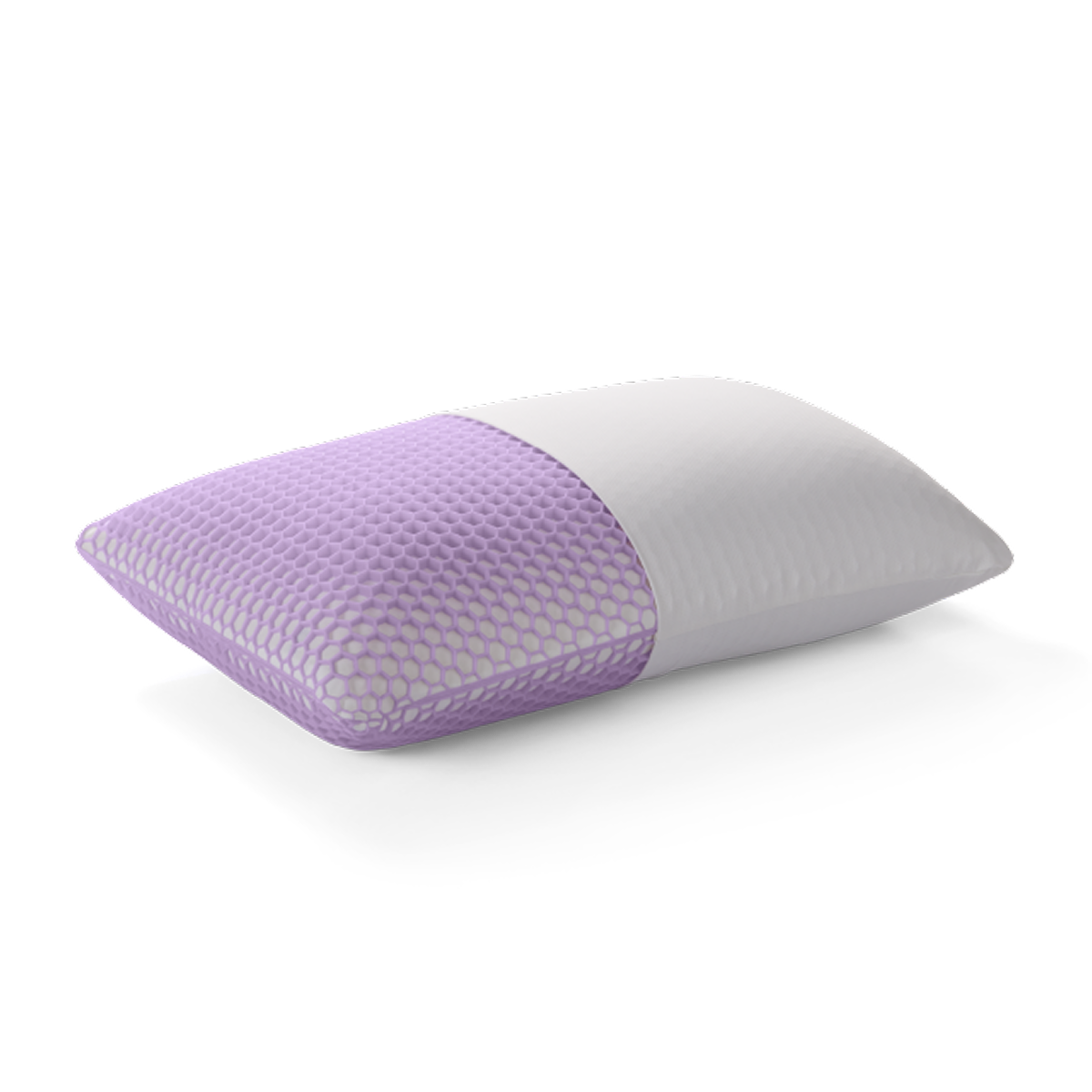
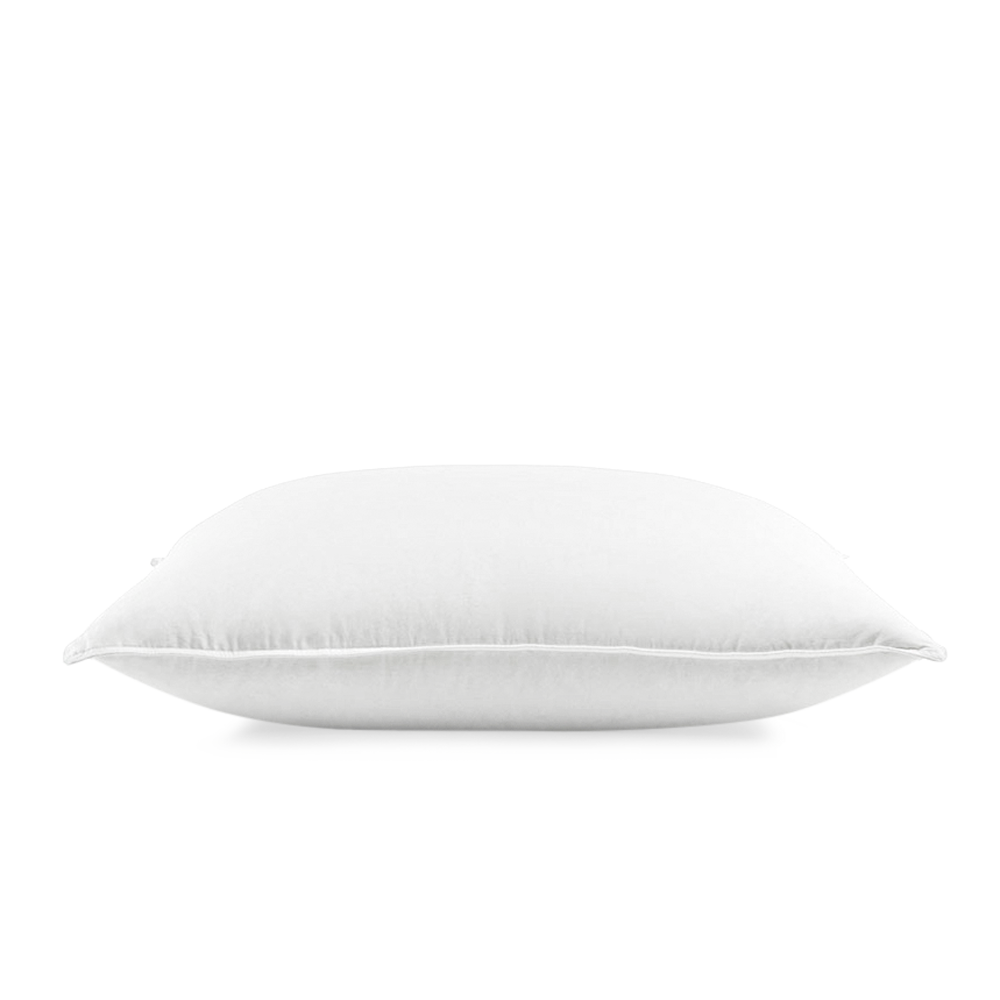
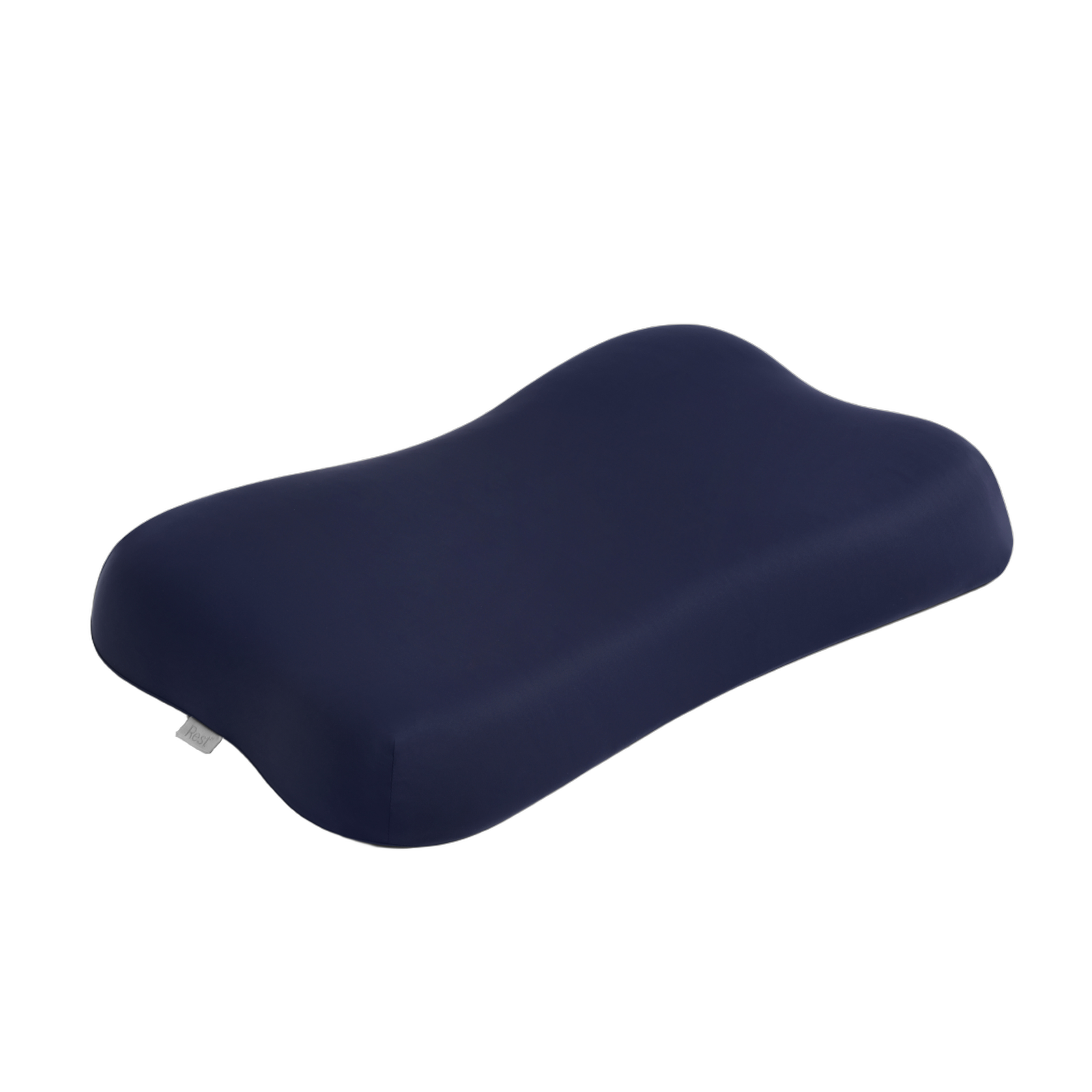
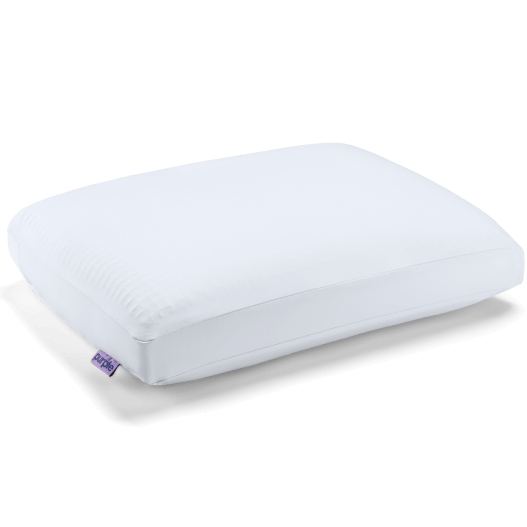
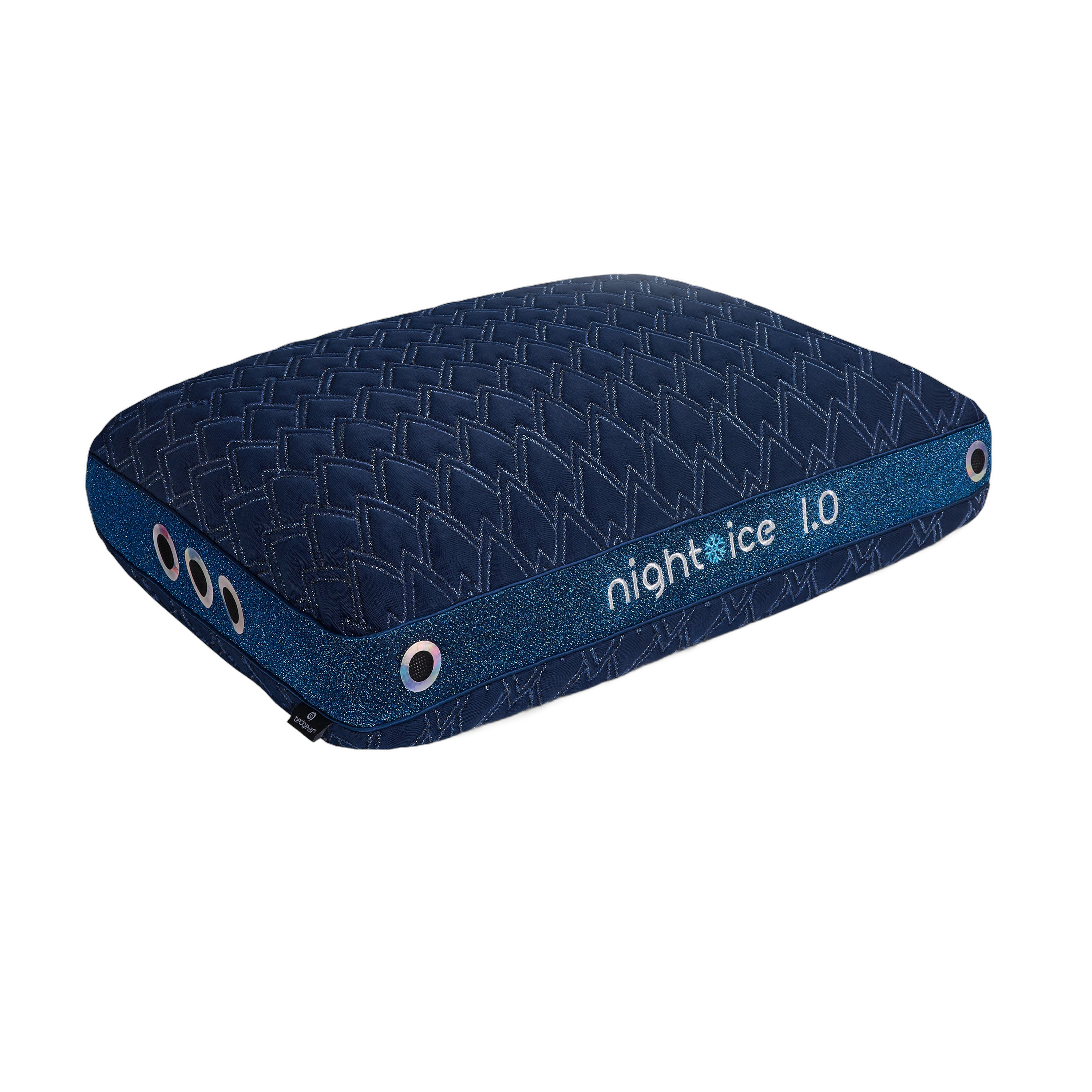
BEDGEAR Night Ice Performance Pillow

BEDGEAR
Pillows
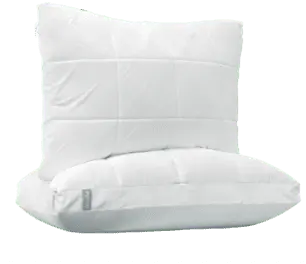

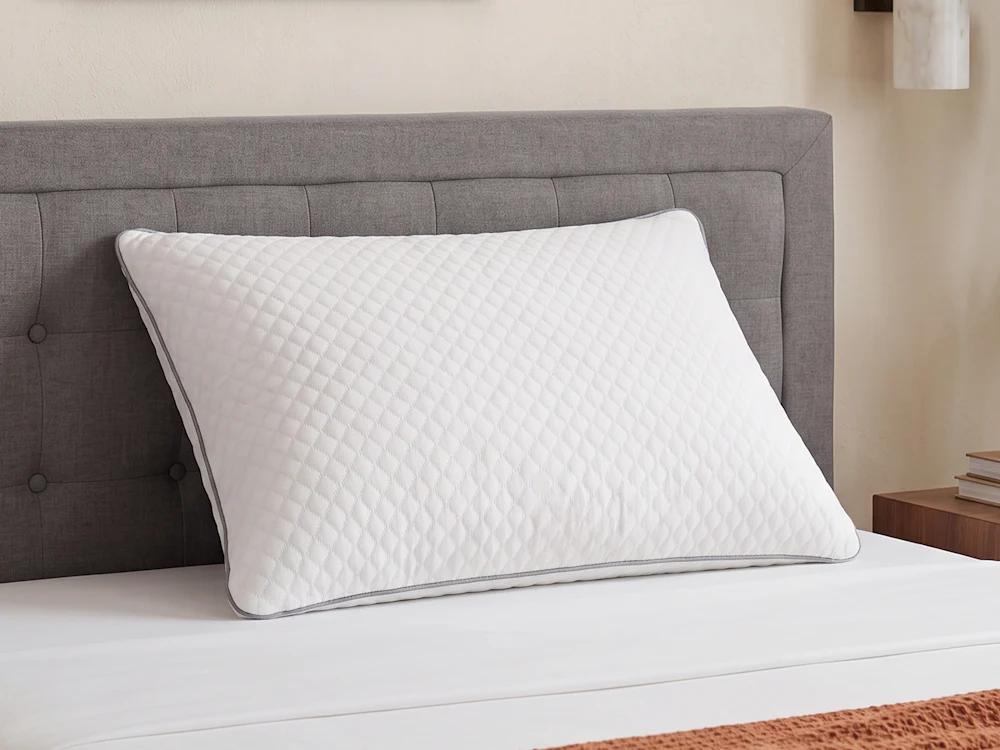
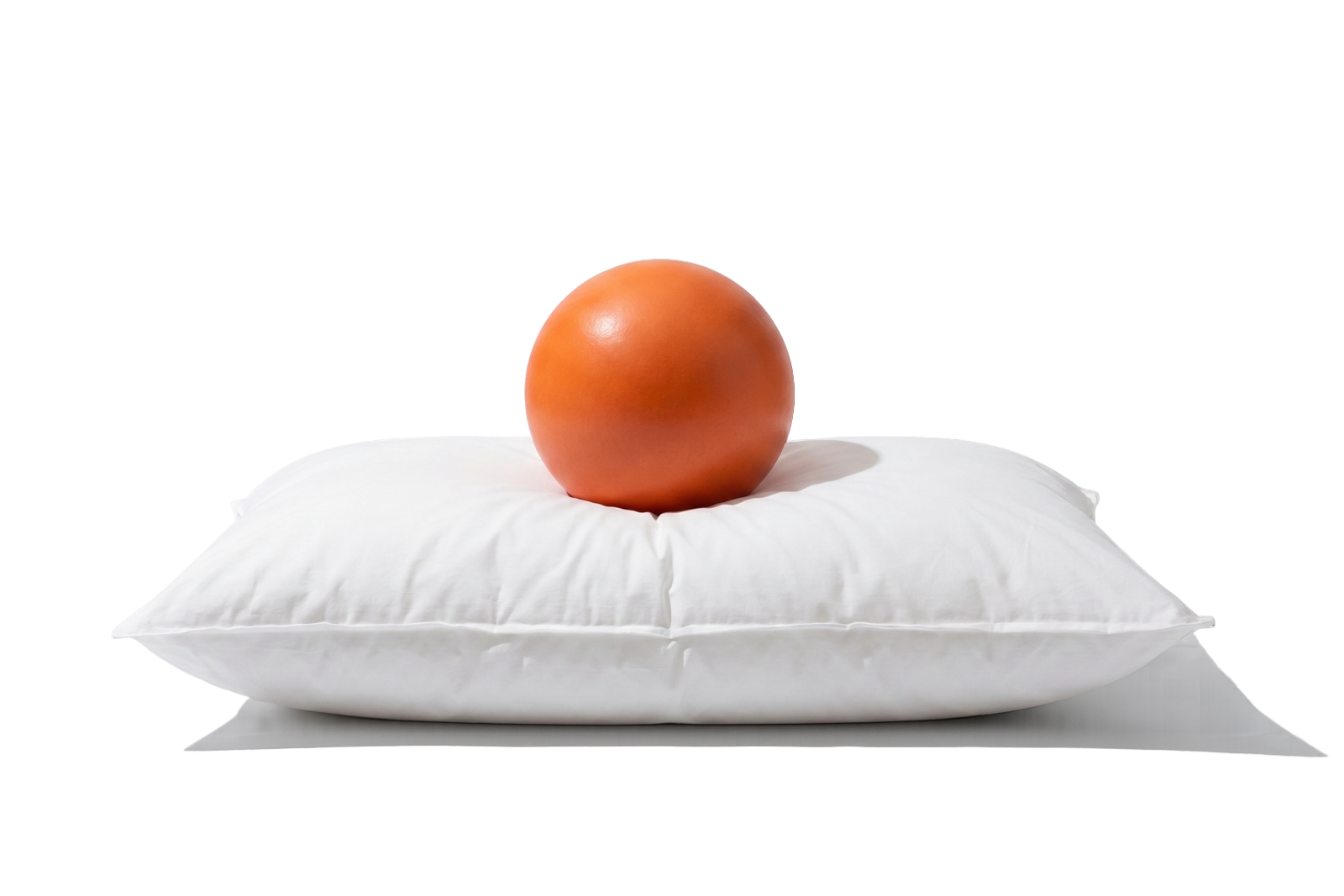


Benefits of Specialty Pillows
The right pillow does more than make your bed comfortable. It keeps your head, neck, and spine aligned through the night, and the wrong one can leave you waking up with neck pain, stiffness, or headaches.
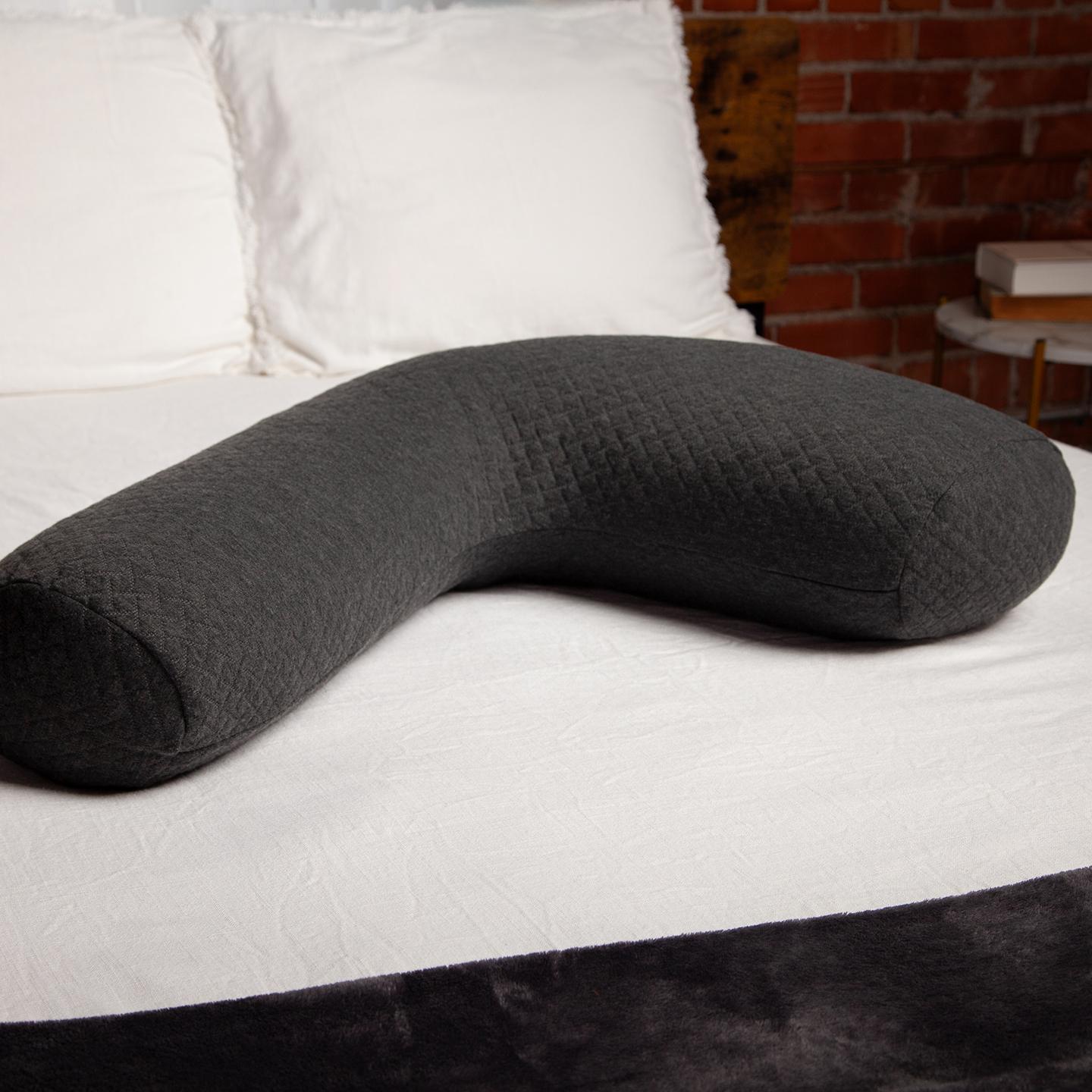
Specialty pillows are designed around specific needs. Cervical and contour pillows cradle the natural curve of your neck, which can help if you live with chronic neck pain or cervical spine issues. Wedge pillows elevate your upper body, which may help reduce nighttime acid reflux and make breathing easier for some people with snoring or congestion. Knee and leg pillows keep your hips and lower back aligned when you sleep on your side, and full-body pregnancy pillows support your belly, back, and hips as your body changes.
Materials matter too. Memory foam molds to your shape for pressure relief, latex offers responsive support, and cooling or hypoallergenic fabrics can help if you sleep hot or have allergies.
Explore the health areas below where proper sleep support plays a role in treatment, and shop eligible cervical, wedge, and orthopedic pillows from top brands, if qualified.
Bones & Joints
Heart
Mental Health
Metabolic Health
Sleep Health
Autoimmune
Women's Health
Brain & Nervous System
Skin & Hair
Hormonal & Endocrine
Digestive Health
The health categories shown above are commonly associated with products in this collection, but they are not exhaustive. Complete a health intake survey to check eligibility for a specific product. Truemed is for qualified customers. Learn more at truemed.com/disclosures (opens in a new tab).

Featured Brands


Cooling pillows
BEDGEAR Night Ice Performance Pillow
BEDGEAR
Pillows
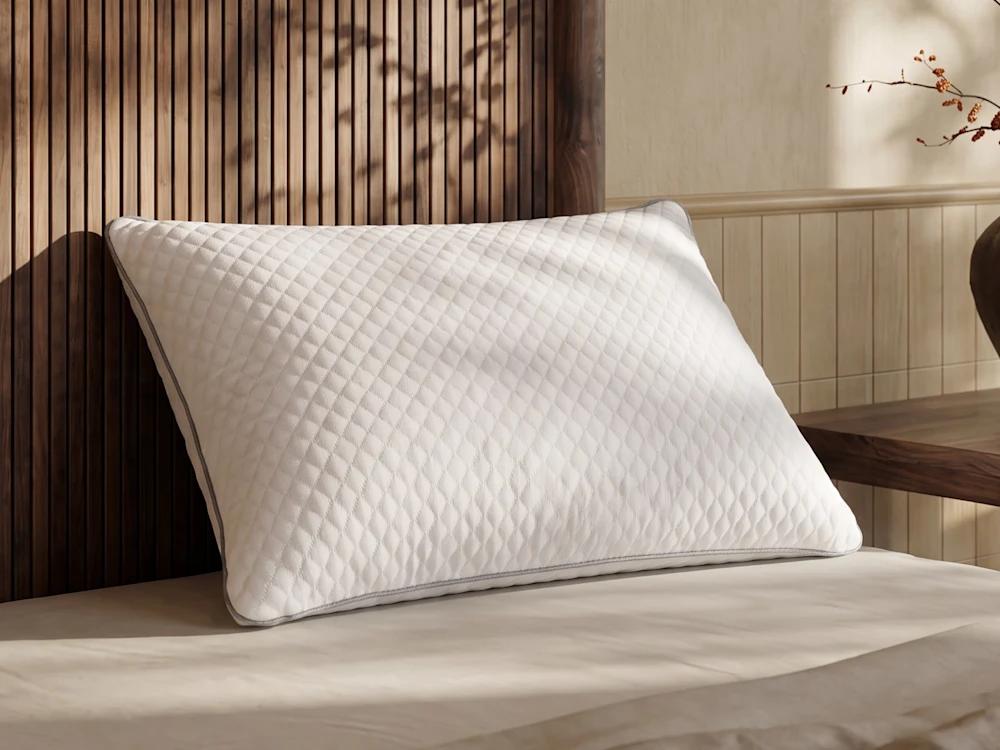

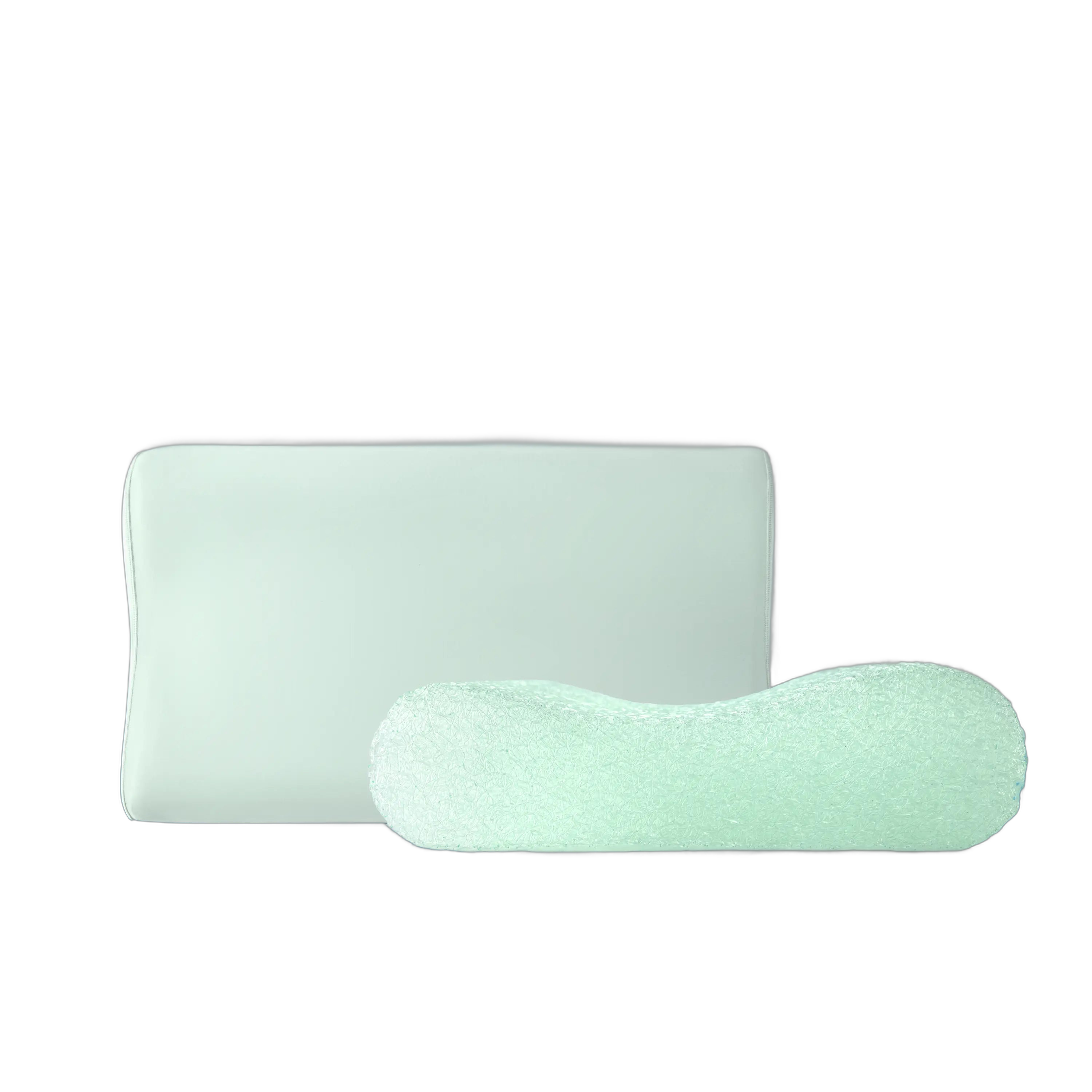

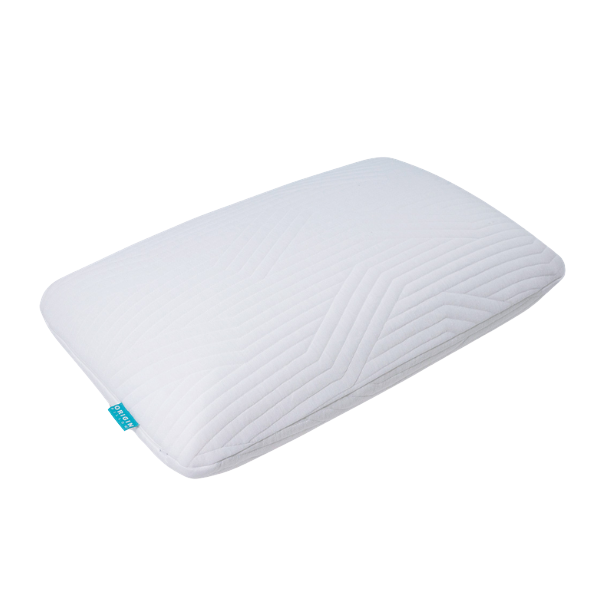

Under $100
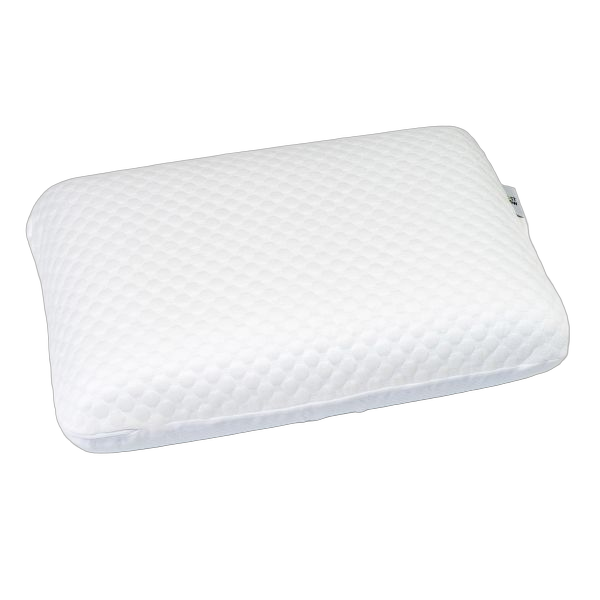

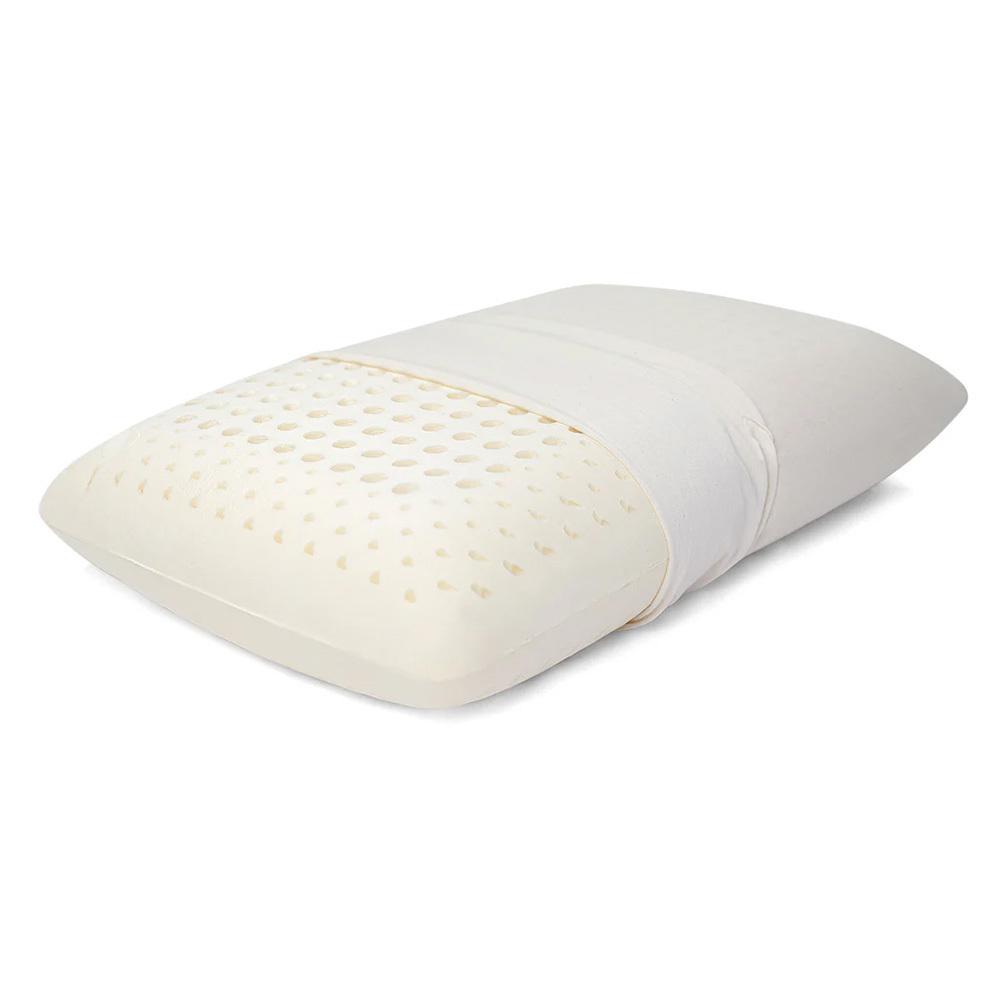

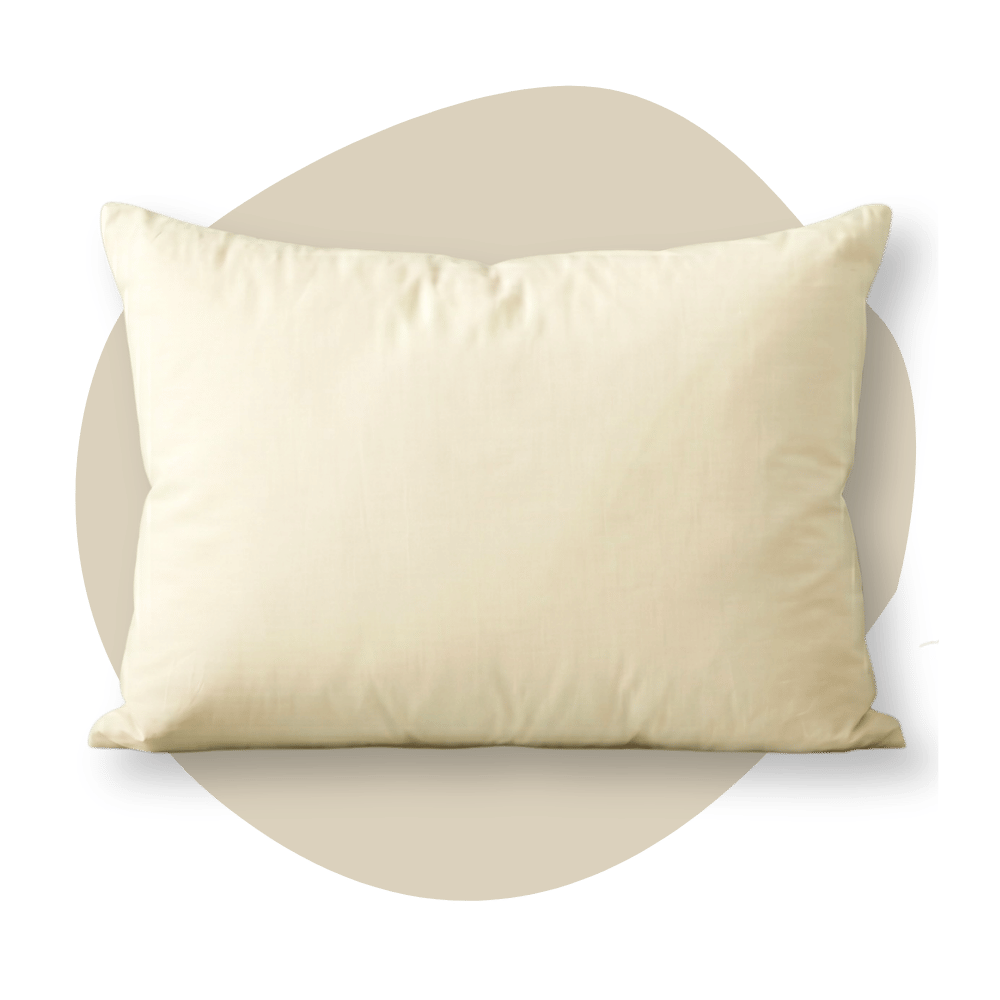
Latex & organic pillows
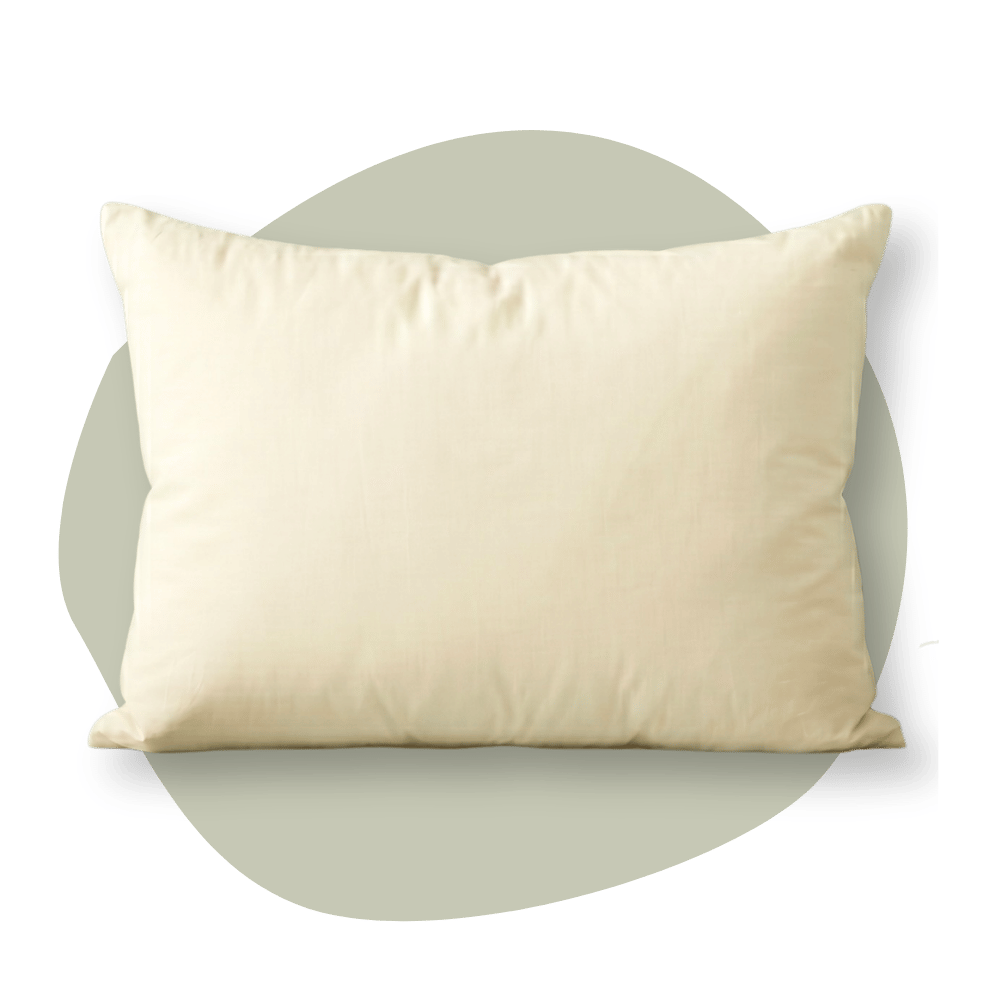
The Organic Snooze Kloud Pillow | Supportive Plush Feel | 100% Organic

The Ultimate Snooze
Pillows
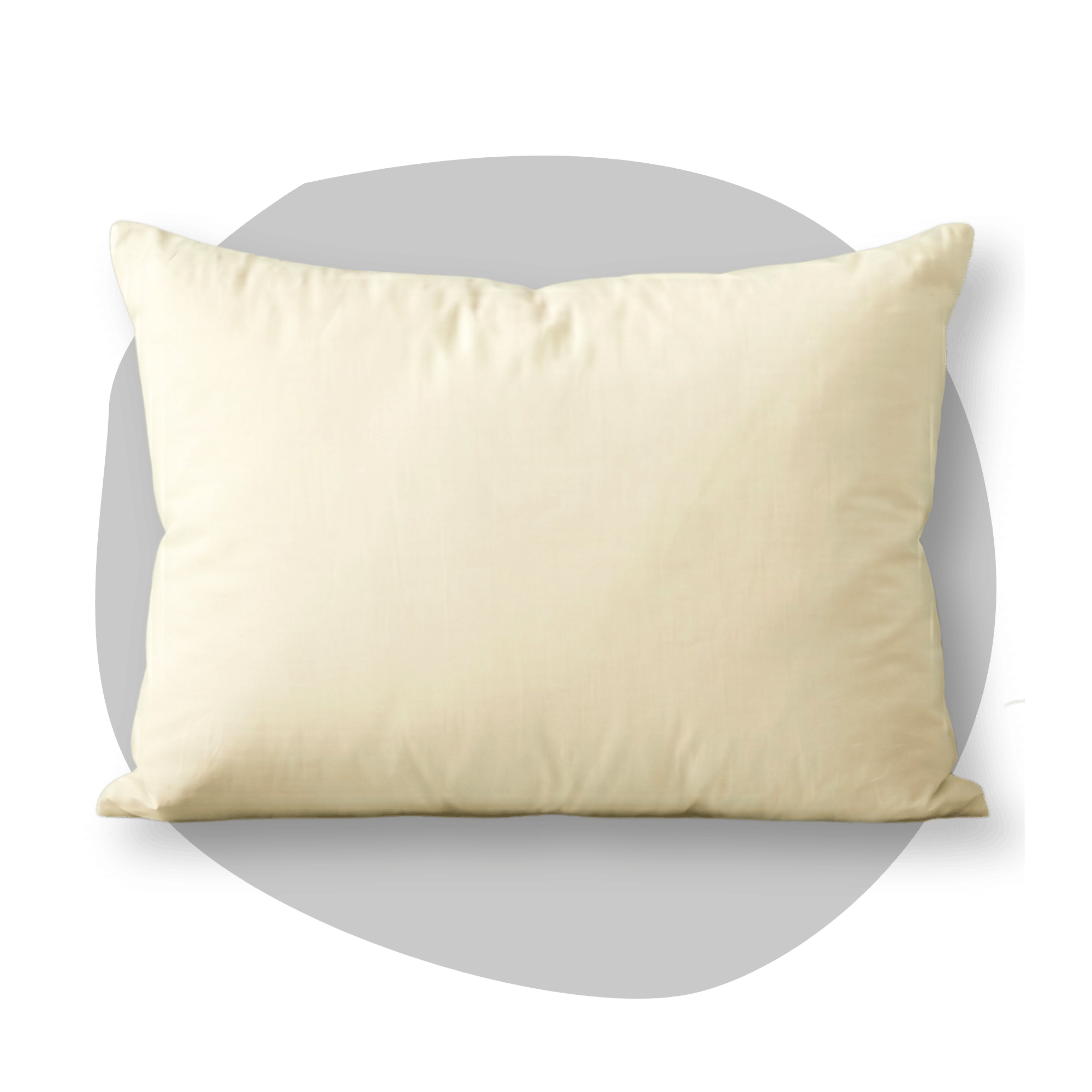
The Organic Snooze Signature Pillow | 100% Organic Cotton
The Ultimate Snooze
Pillows


















Are pillows HSA/FSA eligible?
A pillow may be HSA/FSA eligible for qualified customers when it’s used to help treat or manage a documented medical condition rather than for general comfort. Because pillows are a common household purchase, you’ll usually need a Letter of Medical Necessity (LMN) that connects a specialty pillow to your condition and treatment plan.
Truemed can help you check whether you qualify. At checkout, you’ll complete a health intake survey that an independent licensed clinician reviews. If a pillow is medically appropriate, they may issue an LMN, which you can use to pay with your HSA/FSA card or submit with your receipts for reimbursement.
How to Buy Pillows with Truemed
Checkout
Find the Truemed logo during checkout. Exit the "Shop Pay" pop-up if prompted.
Take a private health survey
A licensed provider will review your answers to determine eligibility.
Make your purchase
Pay with your HSA/FSA card or a credit card. If you use a regular credit card, follow the guide included with your LMN to submit your purchase for reimbursement.
Frequently asked questions
If you can’t find what you’re looking for, please reach out to support@truemed.com
Specialty pillows designed for a medical need are the most likely to qualify. Common examples include cervical pillows for chronic neck pain or cervical spine issues, wedge pillows that elevate the upper body for acid reflux or sleep apnea, pregnancy pillows for pregnancy-related back and hip pain, and orthopedic pillows for musculoskeletal conditions. Having one of these conditions doesn’t automatically qualify you, since a licensed clinician needs to determine that the pillow is appropriate for your needs.
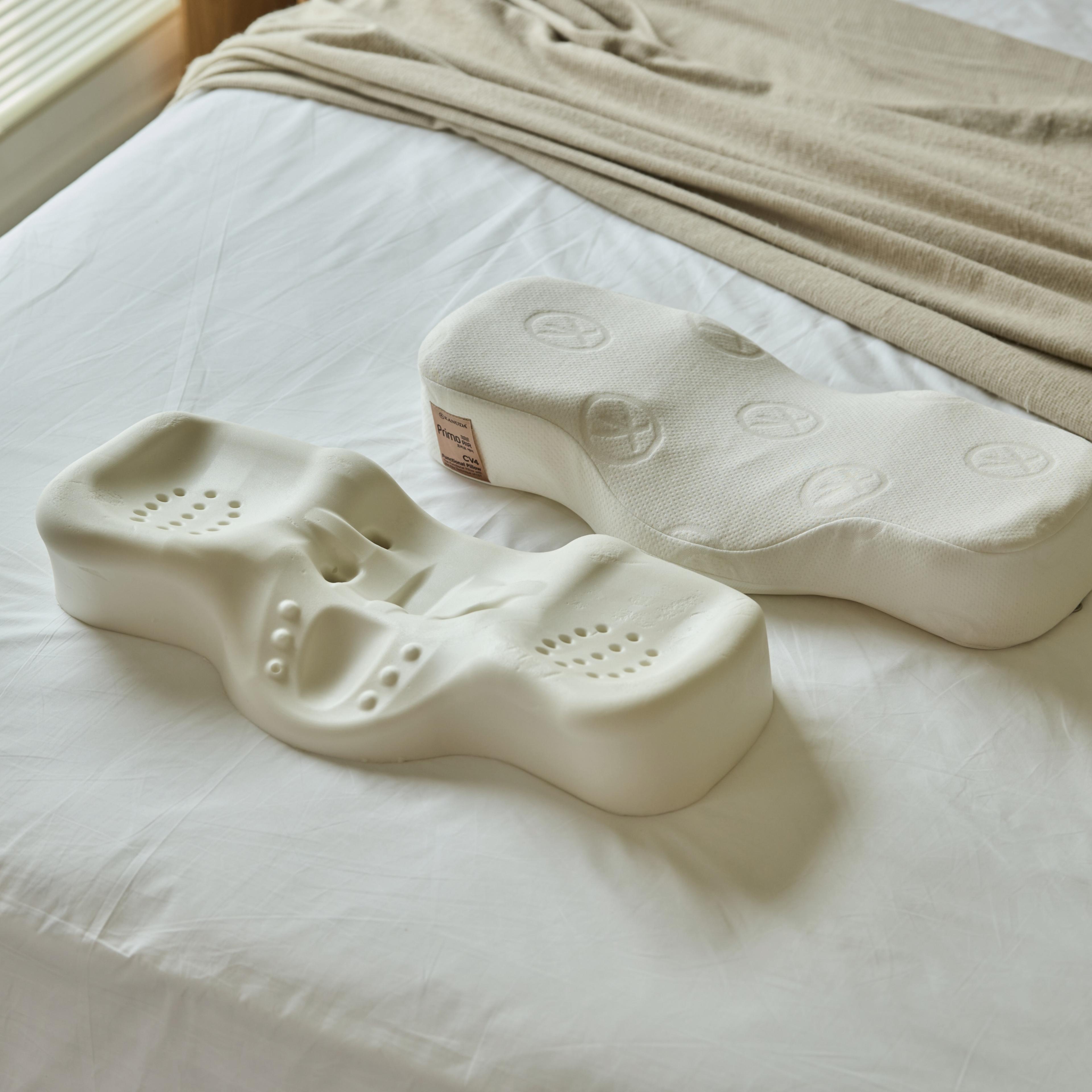
A cervical pillow is a contoured pillow designed to support the natural curve of your neck while you sleep. Most have a raised edge under the neck and a dip for the head, which helps keep your head, neck, and spine aligned. Cervical pillows are commonly used by people with neck pain, stiffness, or cervical spine issues, and they tend to work best for back and side sleepers. It can take a few nights to adjust to the shape.
According to many recommendations, side sleepers usually do best with a medium-firm to firm pillow that’s thick enough to fill the space between your ear and shoulder, keeping your head level with your spine. Higher-loft memory foam, latex, or contoured pillows often work well, and people with broader shoulders typically need a thicker pillow. Many side sleepers also find that a pillow between the knees helps keep the hips and lower back aligned. If you have neck or shoulder pain, a pillow with adjustable fill lets you fine-tune the height.
Most experts suggest replacing your pillow every one to two years, though memory foam and latex pillows often last two to three years. Signs it’s time for a new one include lumps, flattening, lingering odors or stains, or waking up with neck pain or stiffness. For many fill pillows, a quick test is to fold it in half: if it doesn’t spring back, it’s likely worn out. Pillow protectors and regular washing can help extend its life.

Your health, your savings
All products on Truemed are HSA/FSA eligible for qualified customers — so you can invest in what matters without the out-of-pocket cost.