
How To Beat Insomnia Without Feeling Groggy
Author:Nafeesah Allen
Published:
April 10, 2026
Last Updated:
October 06, 2026


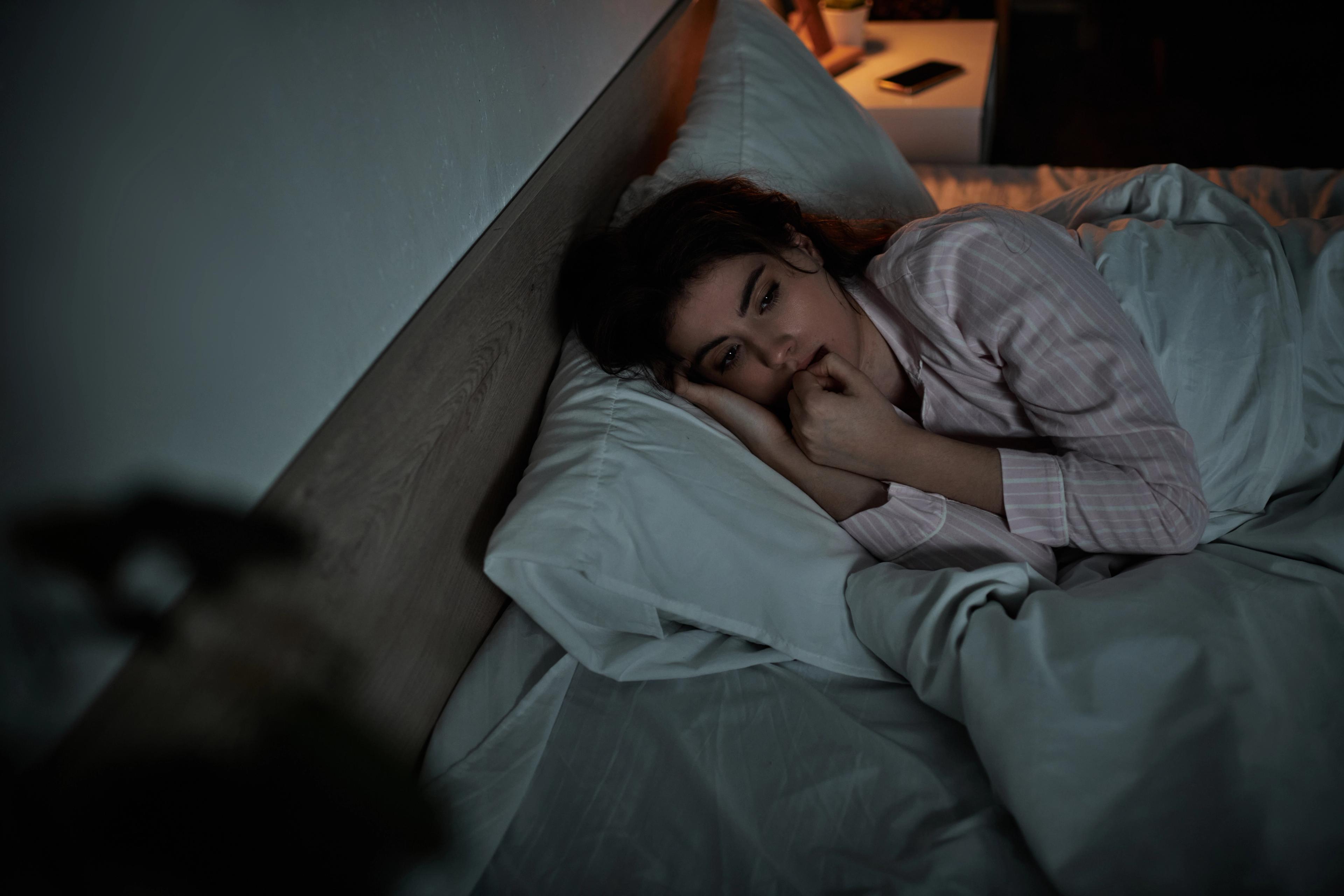
Insomnia is more than just a few bad nights of sleep. According to the Cleveland Clinic, it is defined as a condition that causes “disruptions in how you feel or function because you aren’t sleeping well or sleeping enough. About 10% of the world’s population experiences insomnia that qualifies as a medical condition.” When trying to overcome the condition, the goal is not just to fall asleep faster, but to improve the quality and quantity of sleep. Often, people resort to sleep aids that may leave them feeling foggy the next morning. Here are some ways to beat insomnia with fewer adverse consequences.
Quick Answer: How to beat insomnia
What is insomnia and what does it look like in real life?
What causes insomnia?
How to deal with insomnia without feeling groggy
Trouble sleeping tonight: a low-grogginess game plan
Treatment options and how to avoid next-day grogginess
HSA/FSA-eligible products that may support sleep
If you wake up at 3 a.m.
When to seek medical care
FAQ
Insomnia is more than just a few bad nights of sleep. According to the Cleveland Clinic, it is defined as a condition that causes “disruptions in how you feel or function because you aren’t sleeping well or sleeping enough. About 10% of the world’s population experiences insomnia that qualifies as a medical condition.” When trying to overcome the condition, the goal is not just to fall asleep faster, but to improve the quality and quantity of sleep. Often, people resort to sleep aids that may leave them feeling foggy the next morning. Here are some ways to beat insomnia with fewer adverse consequences.
Quick Answer: How to beat insomnia
The most effective way to beat insomnia without feeling grumpy or groggy is to use cognitive behavioral therapy that can embed new insomnia strategies, such as setting a fixed wake time, reducing nighttime stimulation, and improving the sleep-inducing qualities of your environment. Building better habits can help beat insomnia, without relying on sedating solutions that have side effects.
What is insomnia and what does it look like in real life?
Insomnia is defined as persistent difficulty falling asleep, staying asleep, or waking up earlier than desired, even when you have the opportunity to sleep. As a consequence, insomniacs suffer from daytime symptoms such as fatigue, low mood, irritability, and difficulty concentrating.
The Cleveland Clinic notes that insomnia can be short-term, often triggered by stress, but chronic insomnia lasts for three months or longer. Chronic insomnia tends to become self-reinforcing. Poor sleep leads to worry and effort, which increases physiological arousal and makes sleep harder the following night.
Sleep researchers describe this as a hyperarousal cycle. People with insomnia often show elevated cognitive and physiological activation at night, and they may fall into habits of being a “night owl,” working or playing just as much during the day as they do at night. These disrupted sleep cycles can interfere with the body’s natural transitions to sleep. Clinical guidelines from the Mayo Clinic recommend behavioral approaches as a first-line treatment for chronic insomnia.
What causes insomnia?
Insomnia rarely has a single cause. It is usually the result of overlapping behavioral, psychological, and physiological factors.
Stress, anxiety, and major life changes are among the most common triggers. Disruptions to your sleep schedule, such as inconsistent bedtimes or shift work, can weaken your circadian rhythm. Substances like caffeine, nicotine, and alcohol, especially when consumed later in the day, can be part of the problem.
Medical factors also matter. Sleep apnea, pain conditions, hormonal changes, thyroid disorders, and certain medications can also interfere with sleep in progressively worse ways. In some cases, underlying sleep disorders may have been ongoing for so long that people resign themselves to sedatives or other sleep aids to overcome physiological disruptions to high-quality sleep.
Of course, environments with high levels of noise and light can also make a bad situation even worse. Having a stimulating, rather than calming, sleep space can be a major differentiating factor for people experiencing chronic insomnia.
How to deal with insomnia without feeling groggy
The most reliable way to deal with insomnia is to focus on behavioral changes that rebuild your natural sleep system. Cognitive behavioral therapy for insomnia, often called CBT-I, is considered the gold standard treatment.
A key principle is stimulus control. Your bed should be associated with sleep, not wakefulness. If you are lying awake for an extended period or doomscrolling while lying down, your body may need to be retrained to make better associations with your bedroom. Instead, put down electronics and turn off lights. Get up briefly, stretch, and return to bed. This simple reset can help retrain sleep associations.
Another core strategy is sleep consolidation or sleep restriction, which helps people who can fall asleep but struggle to stay asleep throughout the night. According to Stanford Medicine, this technique involves limiting the time you spend in bed to increase sleep efficiency, then gradually expanding that window as sleep improves. The time allowed in bed should be at least 5.5 hours and should be increased slowly on a week-by-week basis. Studies show that CBT-I techniques can significantly improve total sleep time without the side effects associated with medication.
Cognitive strategies also matter. Many people with insomnia develop anxiety about even attempting to sleep. Learning to challenge intrusive thoughts can reduce the mental pressure. Relaxation techniques can support this process. Slow breathing, progressive muscle relaxation, and mindfulness exercises help lower physiological arousal without sedation. Unlike sleep medications, these approaches do not create external dependencies and can alleviate that persistent feeling of next-day grogginess.
Trouble sleeping tonight: a low-grogginess game plan
Start by committing to a consistent nighttime routine to help anchor the circadian rhythm. Create a wind-down period in the evening that reduces stimulation. Lower light levels, put electronics away, avoid work, and shift toward calming activities. Light exposure at night can suppress melatonin production, which delays sleep onset.
If you wake during the night, avoid checking the clock or the phone alarm. A brief reset in low light can help allow sleep to return naturally.
Treatment options and how to avoid next-day grogginess
CBT-I programs and clinician-guided therapy have both been shown to produce lasting improvements. In extreme cases, medication may be appropriate, but it is typically used for short-term support and tailored to specific symptoms.
Many over-the-counter sleep aids that do not require a physician’s prescription contain antihistamines, which are associated with drowsiness. Supplements should also be used with caution, especially by avoiding combining multiple supplements, which can increase the risk of unpleasant side effects.
To keep grogginess at bay, the key principle is to avoid relying on sedation as a primary solution. These kinds of quick-fix treatments can reduce sleep quality over time or trigger rebound insomnia.
HSA/FSA-eligible products that may support sleep
Platforms like Truemed streamline the clinical intake and documentation process, enabling independent licensed practitioners to determine patient eligibility for sleep tools.*
Truemed is for qualified customers. HSA/FSA tax savings vary. Learn more at truemed.com/disclosures.
These tools are best understood as supportive rather than curative. Products that help manage insomnia or related sleep disorders, when used for a diagnosed condition, can complement behavioral strategies. Eligibility typically requires a Letter of Medical Necessity (LMN) issued by an independent licensed practitioner.
The table below outlines common categories and how they are used.
| Product category | Best for | Why it helps | How to use | Eligibility notes |
|---|---|---|---|---|
| Light blocking solutions | Early waking or light sensitivity | Reduces light-triggered awakenings | Use nightly with consistent schedule | May be eligible with documentation |
| Noise reduction tools | Light sleepers or noisy environments | Lowers sleep disruptions | Use consistently at safe levels | Eligibility varies by plan |
| Cooling supports | Overheating or night sweats | Stabilizes sleep temperature | Set before bedtime | May require symptom documentation |
| Relaxation devices | Stress-related insomnia | Reduces physiological arousal | Use before sleep | May be eligible when medically necessary |
| Digital CBT-I programs | Chronic insomnia | Evidence-based behavior change | Follow structured program | Often eligible with documentation |
If you wake up at 3 a.m.
| Problem | Do this | Avoid this |
|---|---|---|
| Racing thoughts | Write down concerns briefly and return to a calm activity | Checking your phone or email |
| Restless body | Gentle stretching and slow breathing | Intense exercise |
| Frustration | Get out of bed briefly and reset | Forcing sleep |
When to seek medical care
If insomnia persists for several months and affects your daily functioning, it is important to consult a clinician. Evaluation may include reviewing medications, lifestyle factors, and sleep patterns.
In some cases, a sleep study may be recommended, particularly if symptoms suggest sleep apnea or another disorder. It is best to start a simple sleep diary to record when you went to bed and when you woke. Tracking this information for two weeks before a clinician visit can make for a more in-depth conversation about solutions. Prepare to discuss caffeine use, stress levels, and underlying conditions, all of which help clinicians determine why insomnia symptoms persist.
FAQ
Insomnia is a sleep disorder characterized by difficulty falling asleep, staying asleep, or waking too early, even when you have the opportunity to sleep. It often leads to daytime symptoms such as fatigue, irritability, and difficulty concentrating.
Insomnia can be caused by stress, anxiety, inconsistent sleep schedules, caffeine or alcohol use, medical conditions, or other sleep disorders. In many cases, it results from a combination of factors.
Focus on reducing stimulation. Keep lights low, avoid screens, and engage in a calm, repetitive activity until you feel sleepy. If you are fully alert, getting out of bed briefly can help reset your sleep associations.
Long-term improvement typically comes from behavioral approaches such as cognitive behavioral therapy for insomnia, consistent routines, and addressing underlying medical or psychological impediments to high-quality sleep.
Some sleep-related products may be eligible when used to treat a specific medical condition and supported by appropriate documentation. Eligibility varies by plan, and a Letter of Medical Necessity (LMN) may be required for consideration. Final eligibility and reimbursement decisions are determined solely by the HSA/FSA plan administrator.

Editorial Standards
At True Medicine, Inc., we believe better health starts with trusted information. Our mission is to empower readers with accurate and accessible content grounded in peer-reviewed research, expert insight, and clinical guidance to make smarter health decisions. Every article is written or reviewed by qualified professionals and updated regularly to reflect the latest evidence. For more details on our rigorous editorial process, see here.