
Trusted by 2 million American customers
HSA/FSA Eligible Adaptive Footwear
Shop orthopedic, zero-drop, and recovery footwear that may qualify for HSA/FSA spending when it helps manage a documented condition.






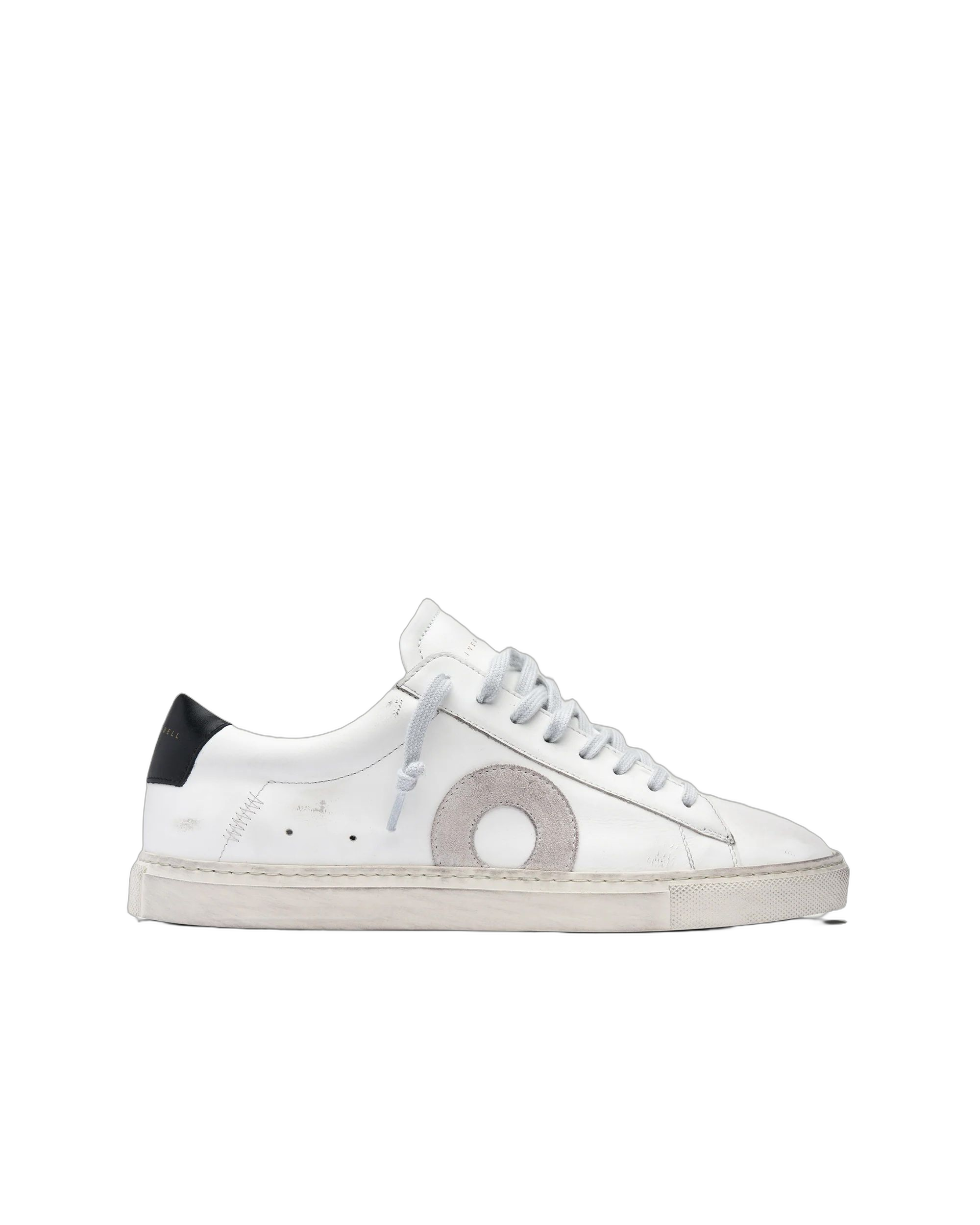

Best Sellers
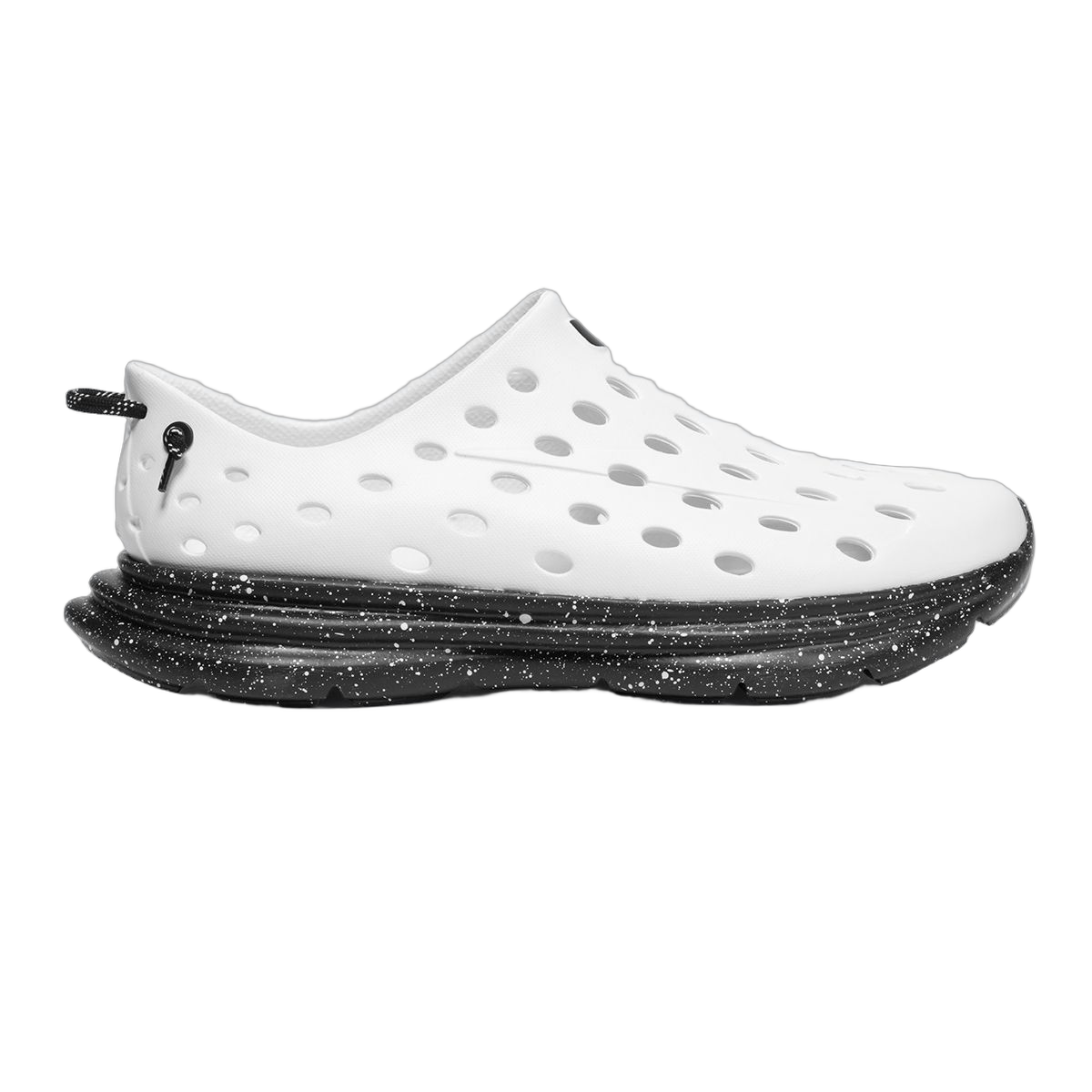
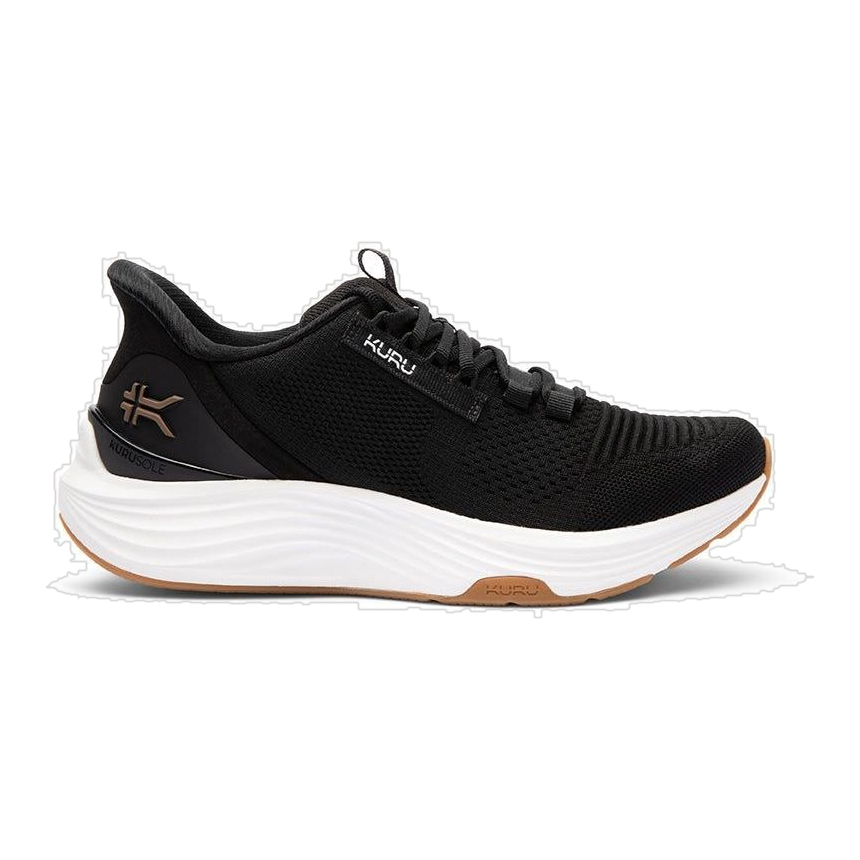


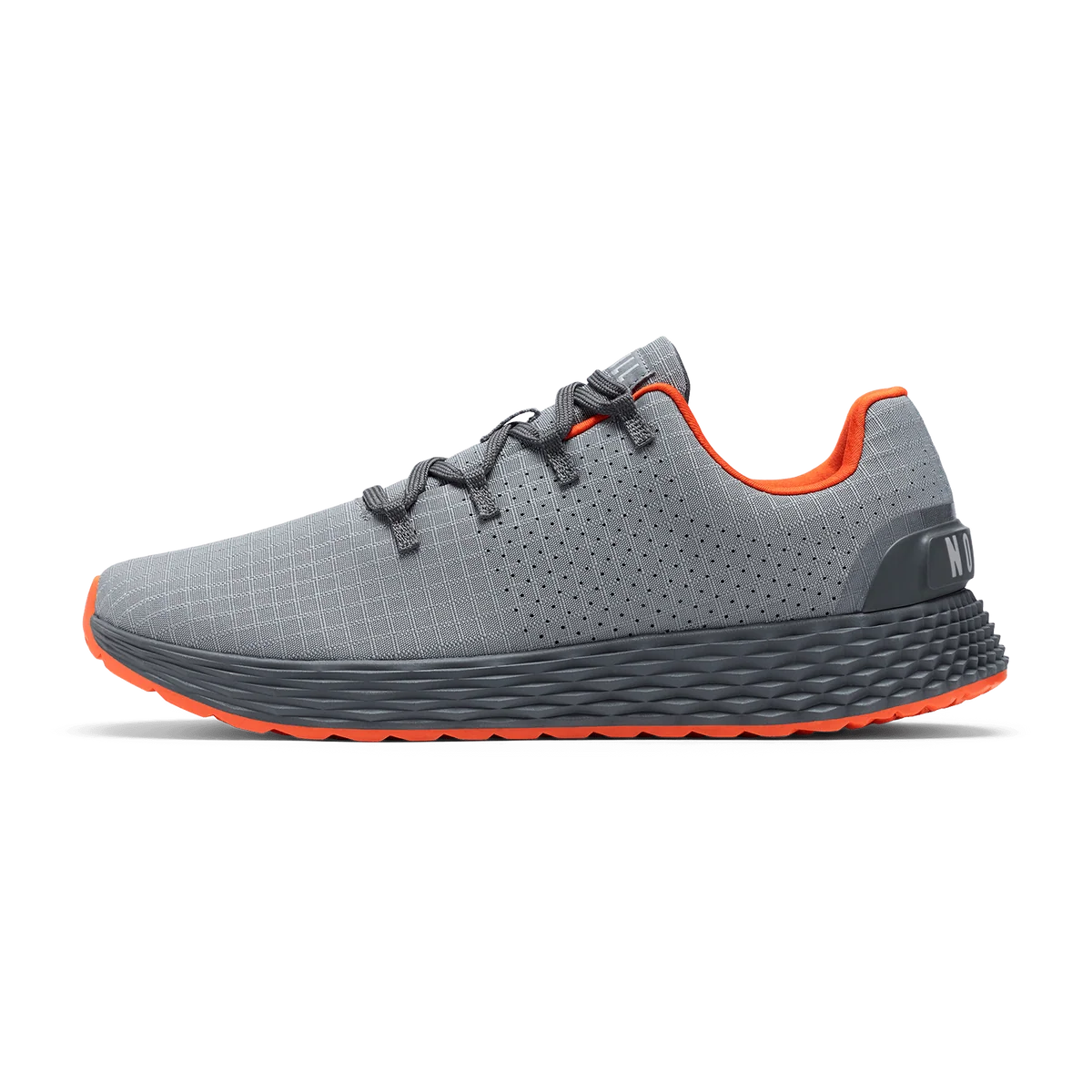


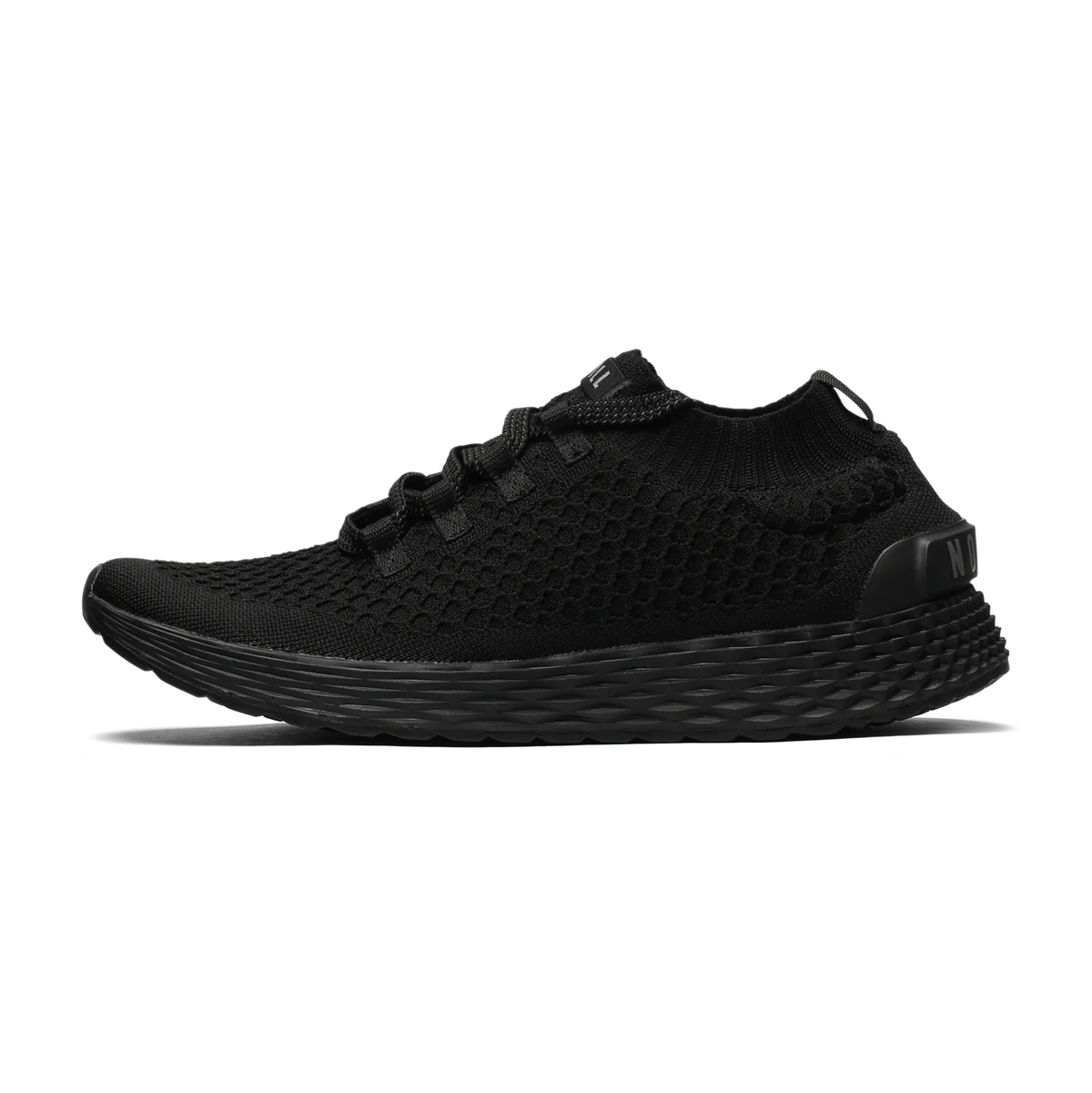


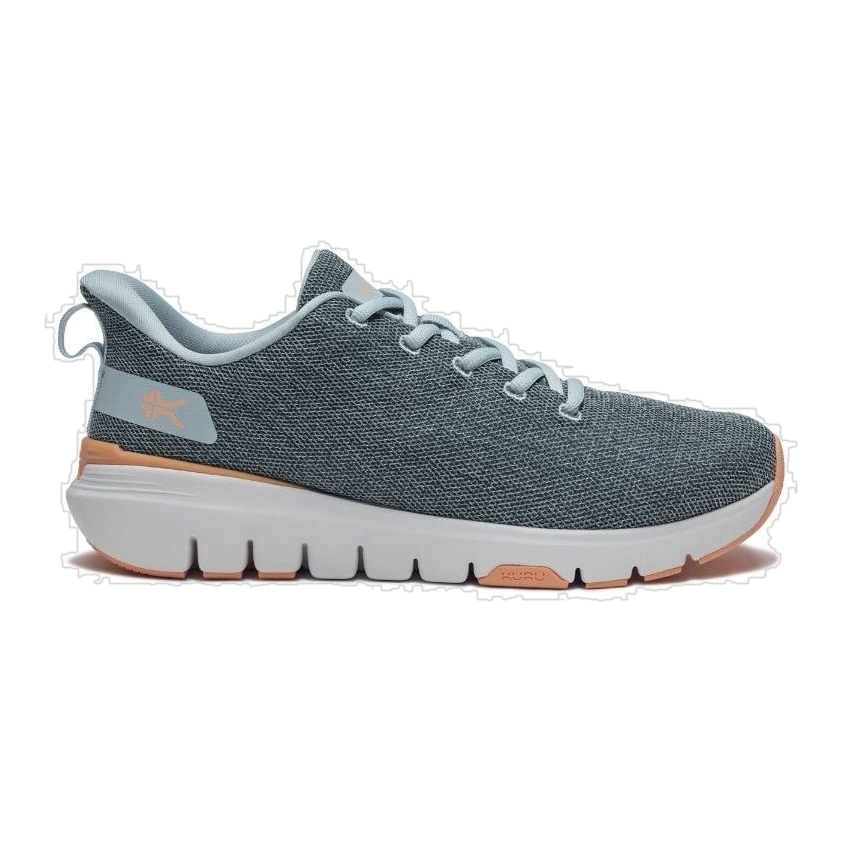


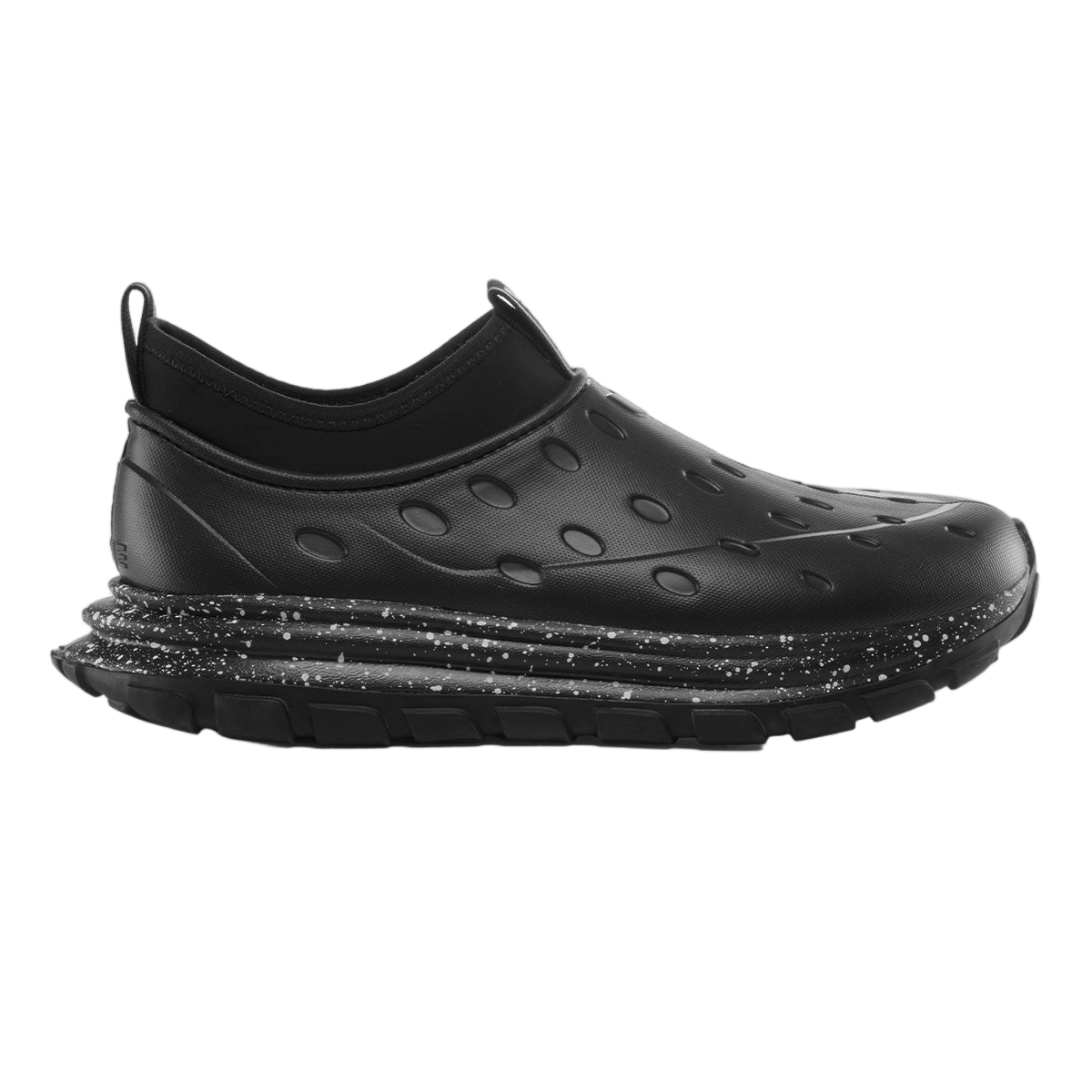
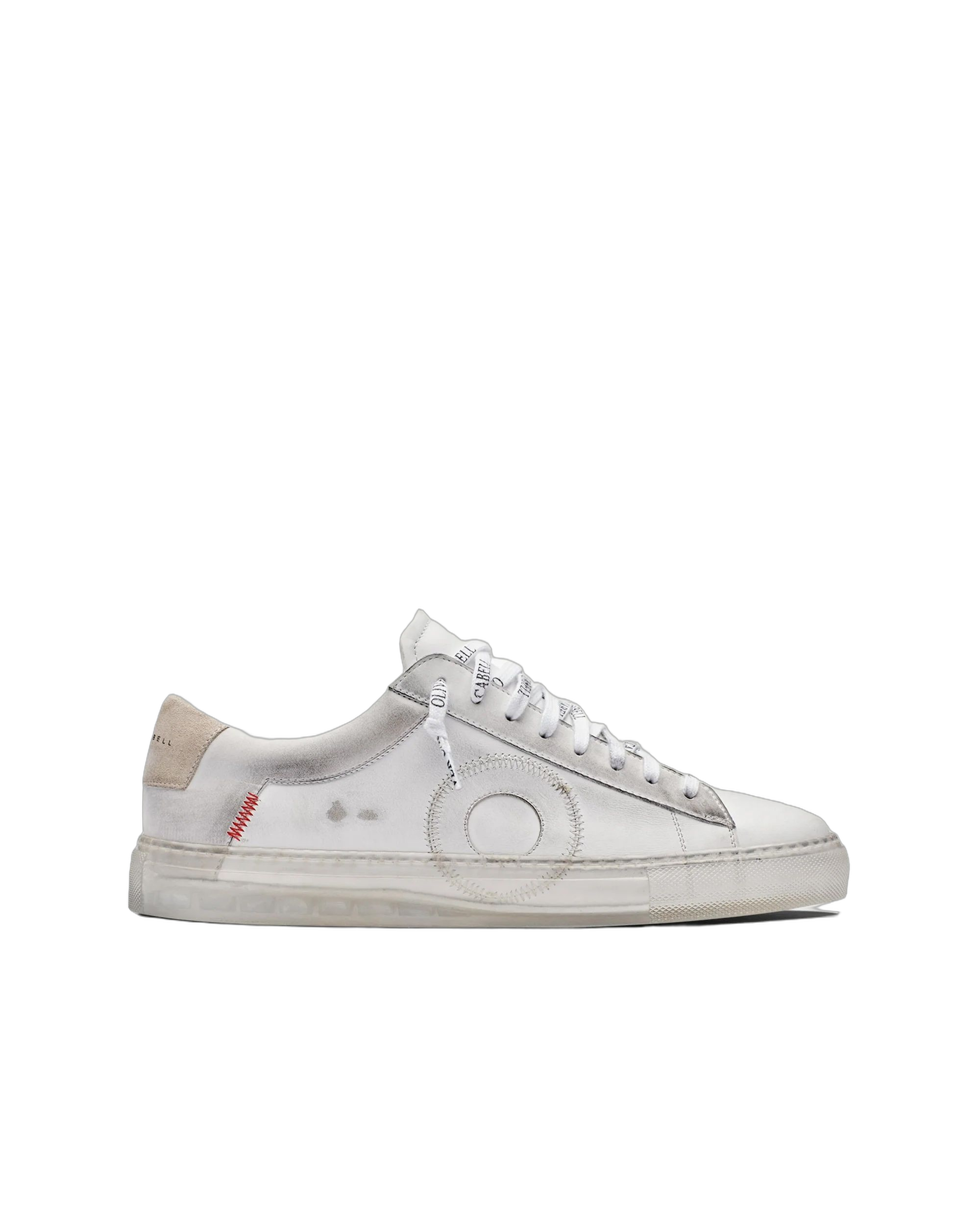
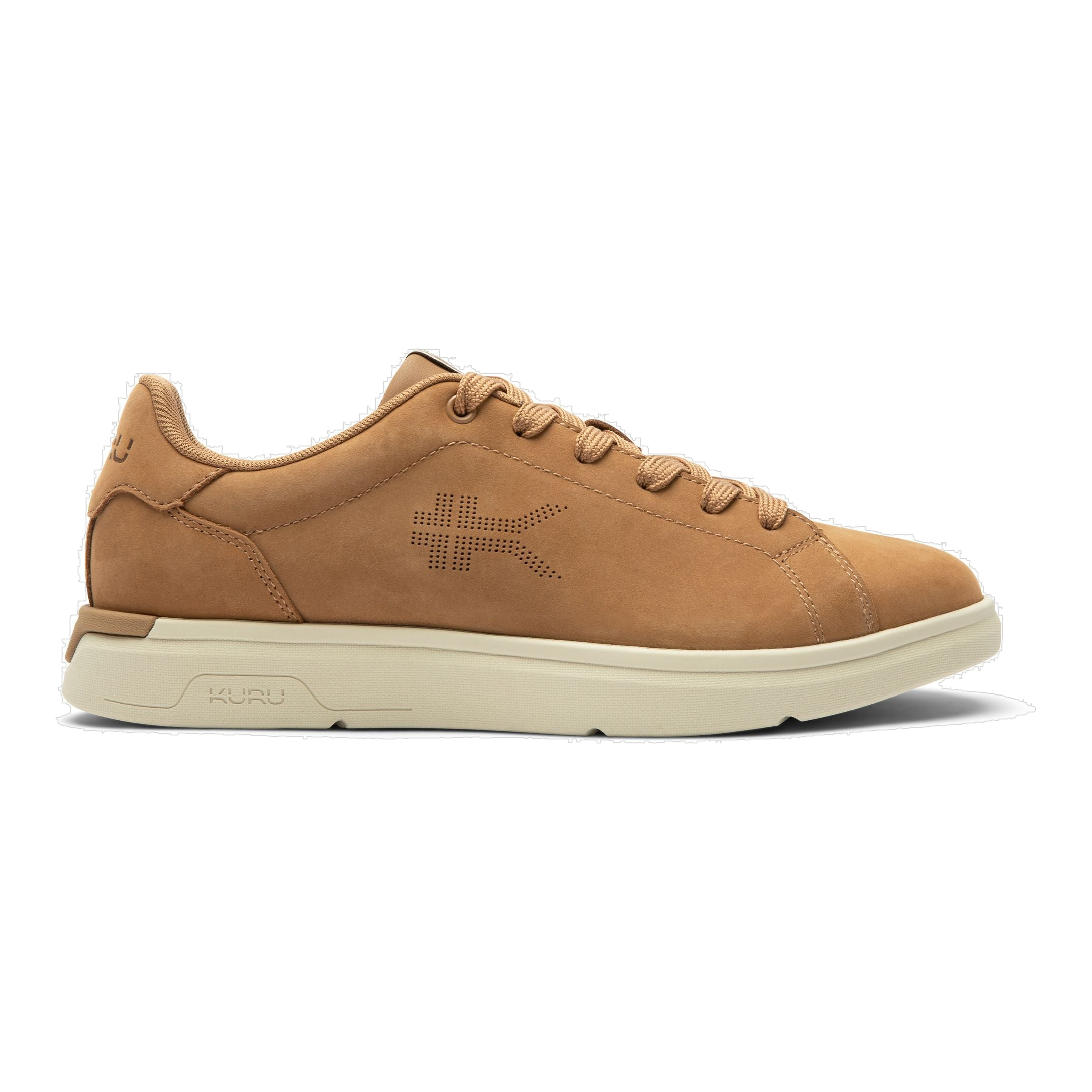


Benefits of Adaptive Footwear
When specialized footwear helps treat or manage a documented health condition, it may qualify for HSA/FSA spending with a Letter of Medical Necessity.
Explore the health areas below where proper support plays a role in treatment, and shop eligible orthopedic, zero-drop, and supportive footwear from top brands, if qualified.
Bones & Joints
Brain & Nervous System
Heart
Metabolic Health
Hormonal & Endocrine
Digestive Health
Kidney & Urinary Health
Mental Health
Respiratory Health
Sleep Health
Women's Health
The health categories shown above are commonly associated with products in this collection, but they are not exhaustive. Complete a health intake survey to check eligibility for a specific product. Truemed is for qualified customers. Learn more at truemed.com/disclosures (opens in a new tab).





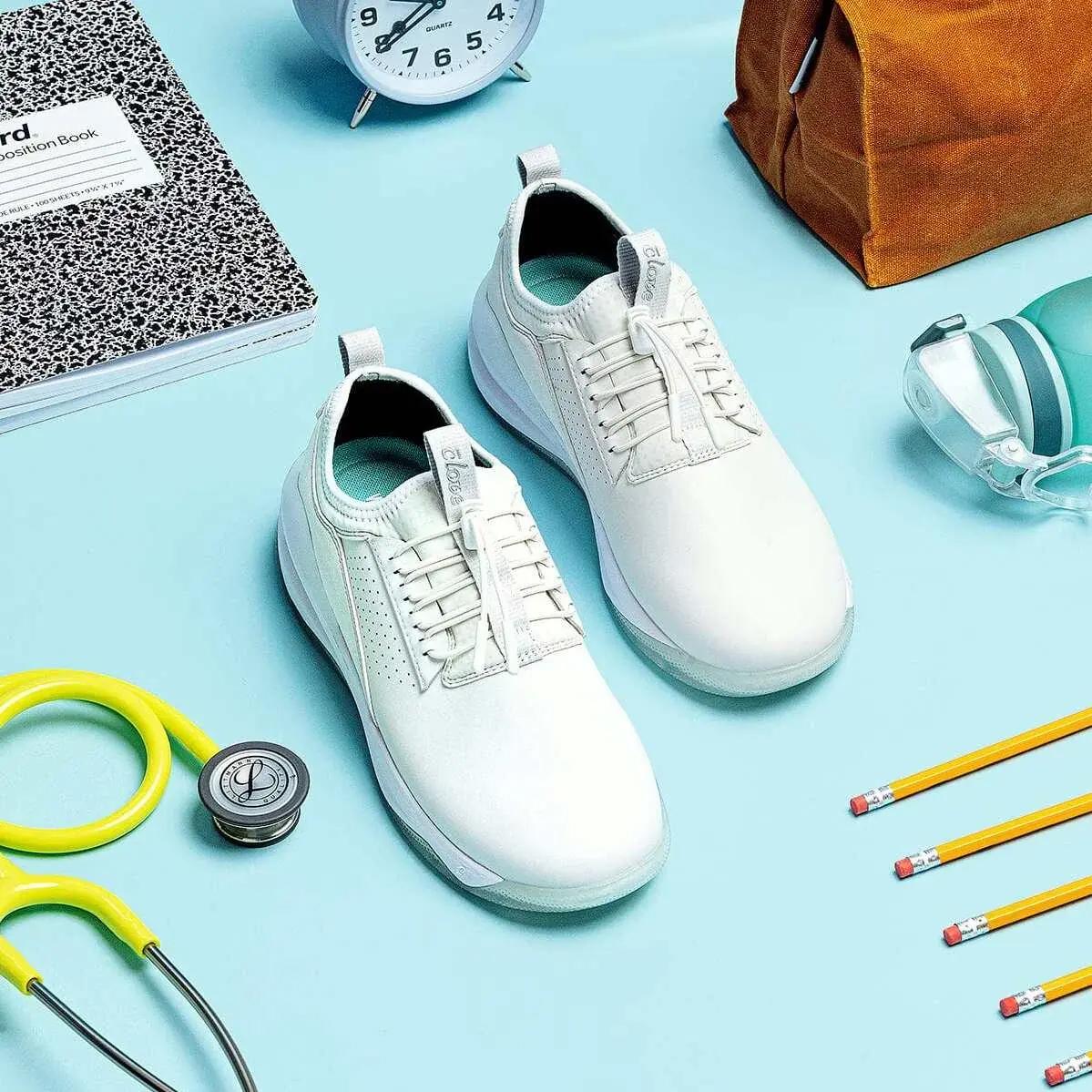



Work & nurse shoes
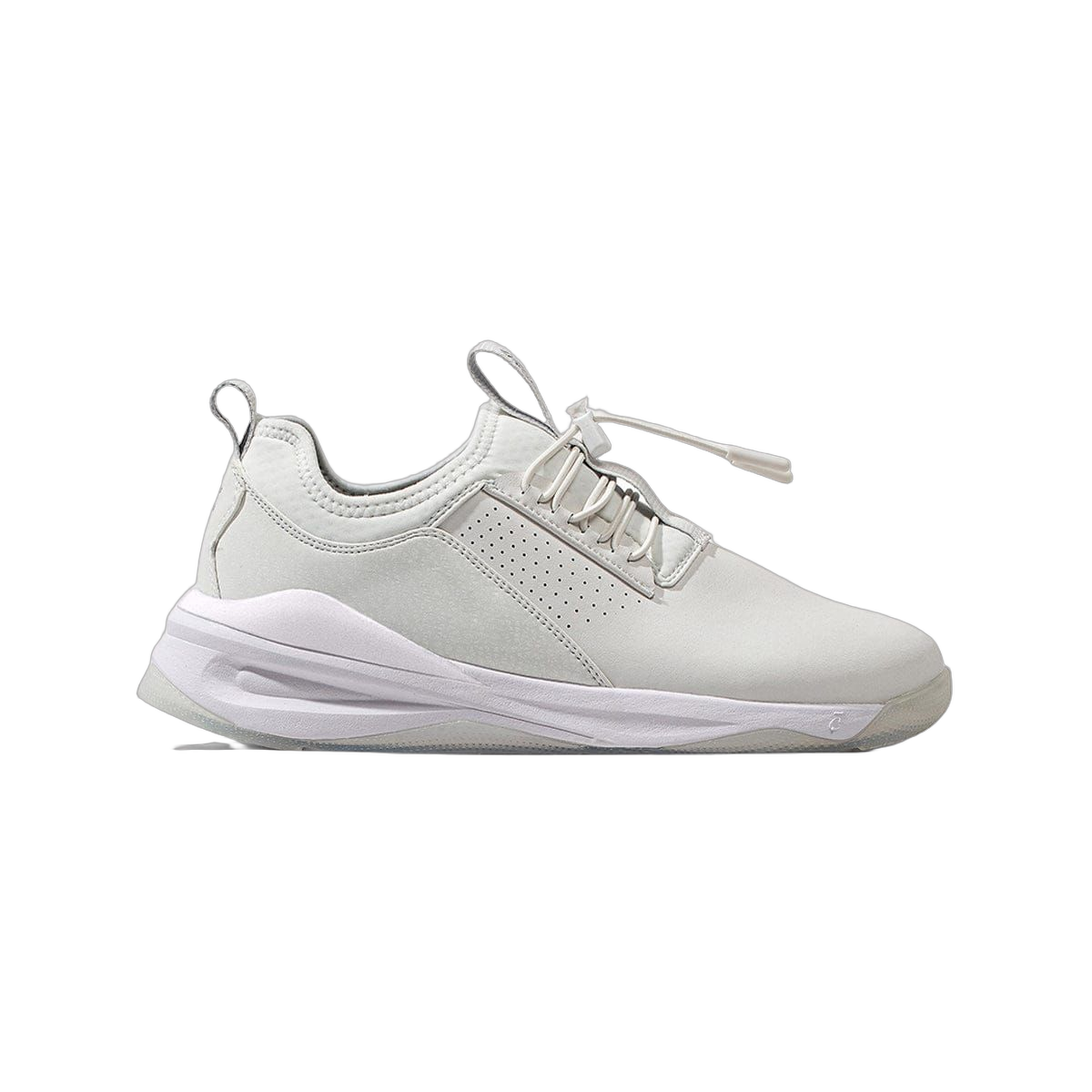
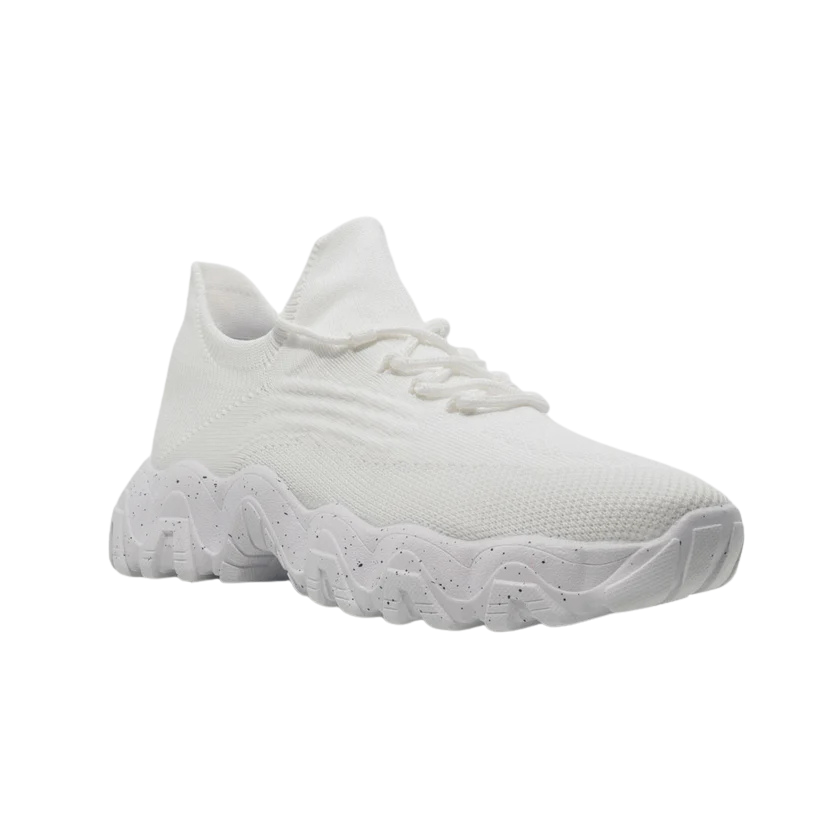
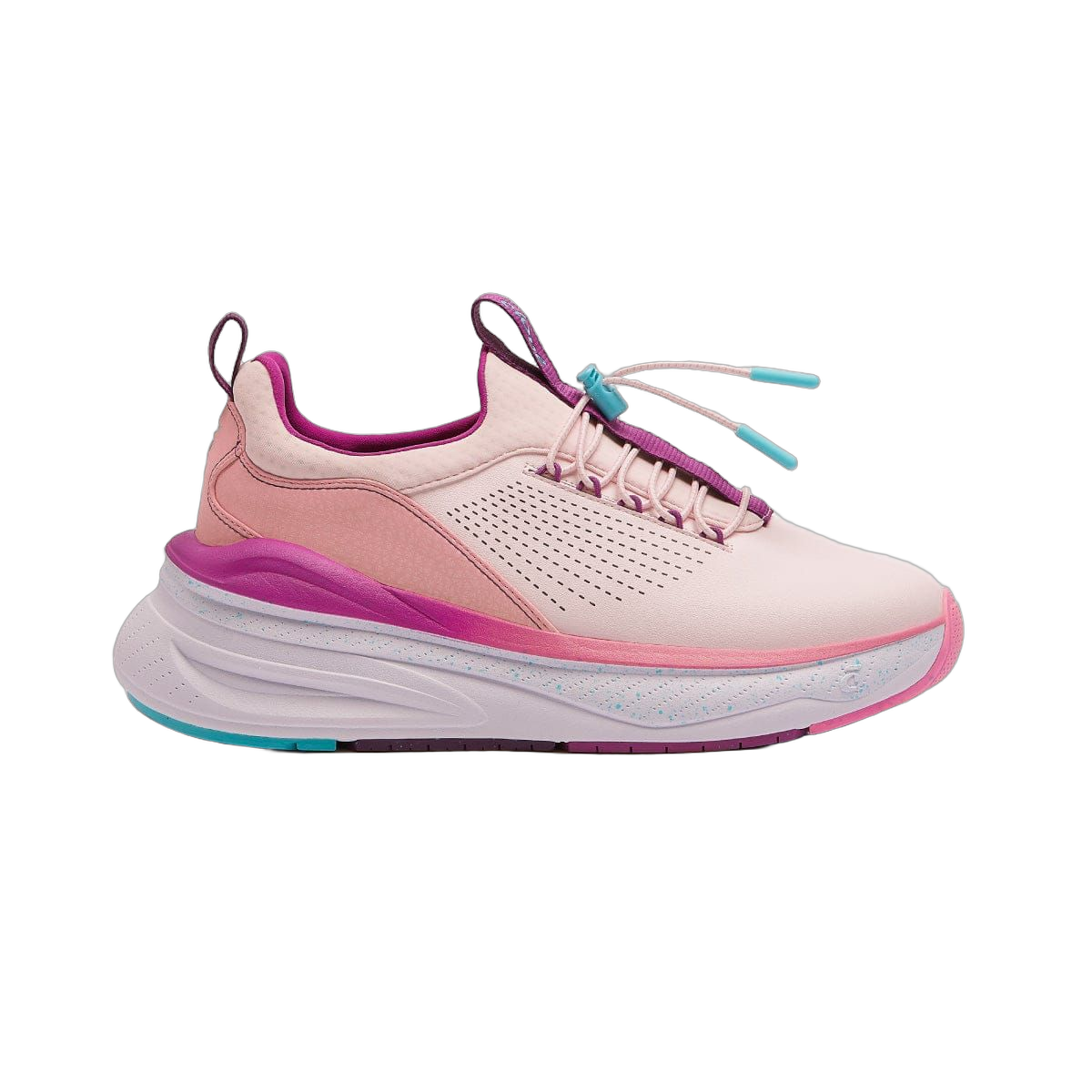
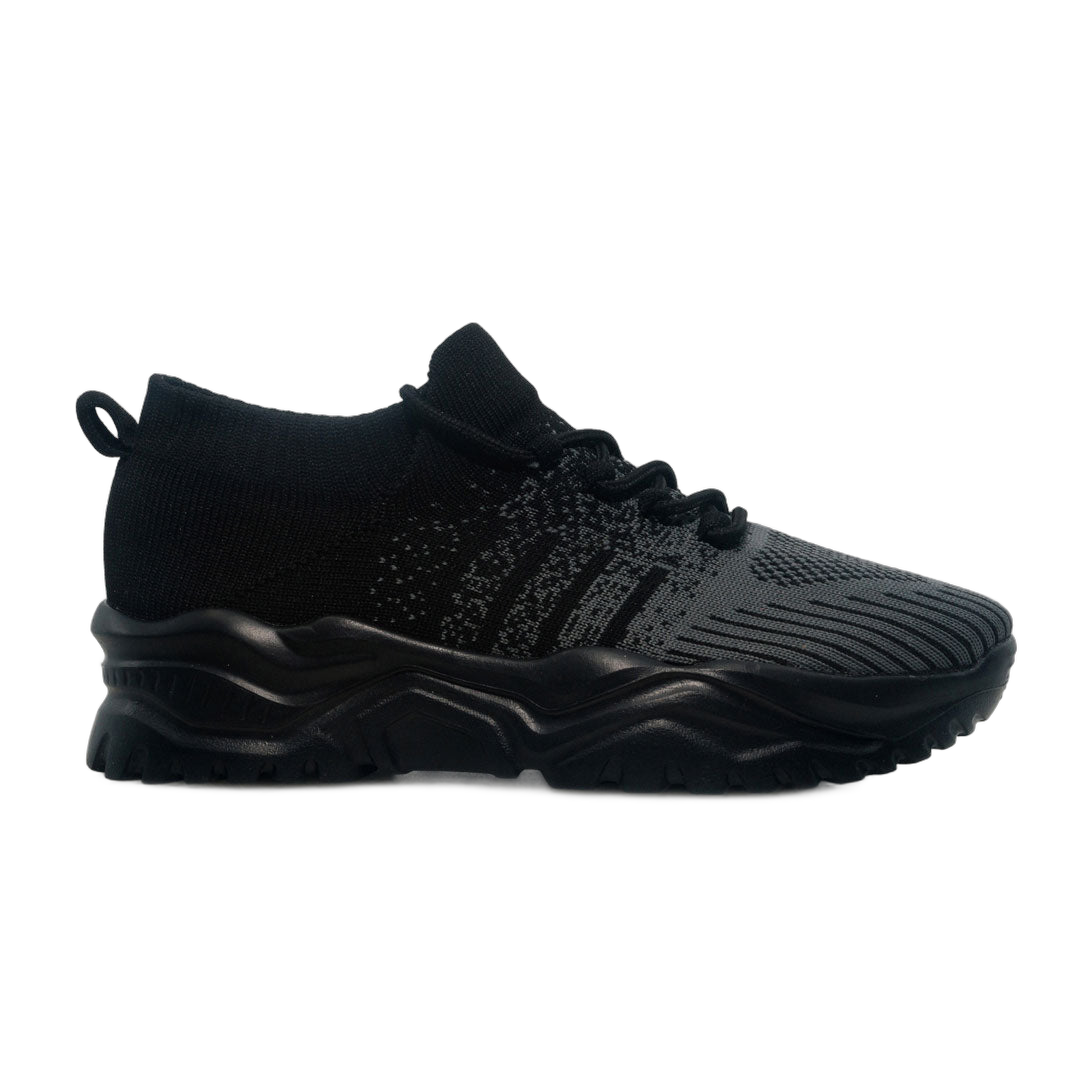
Ortho Cloud 1.0 Unisex Shoes - Midnight Black

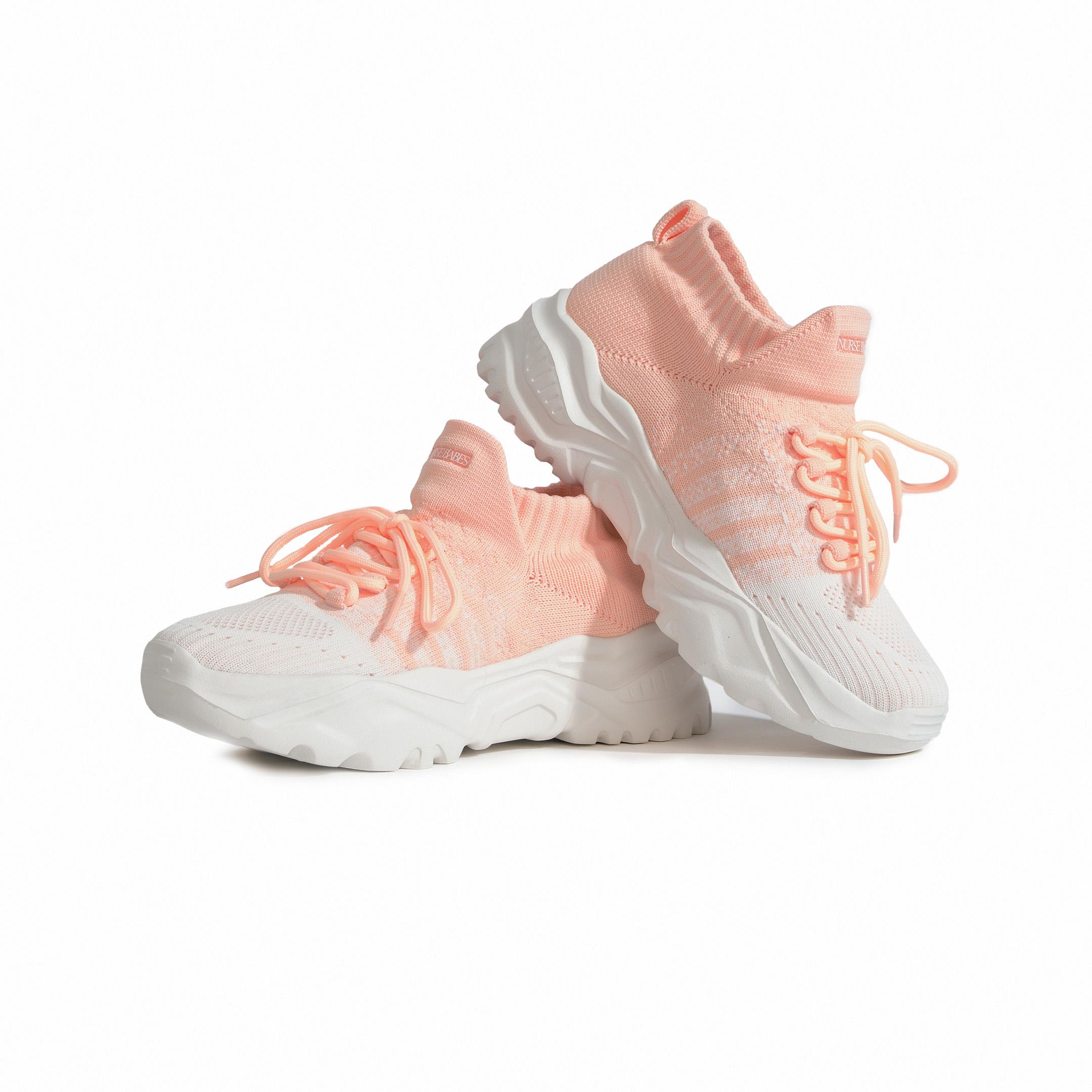
Nurse Babes
Adaptive Footwear
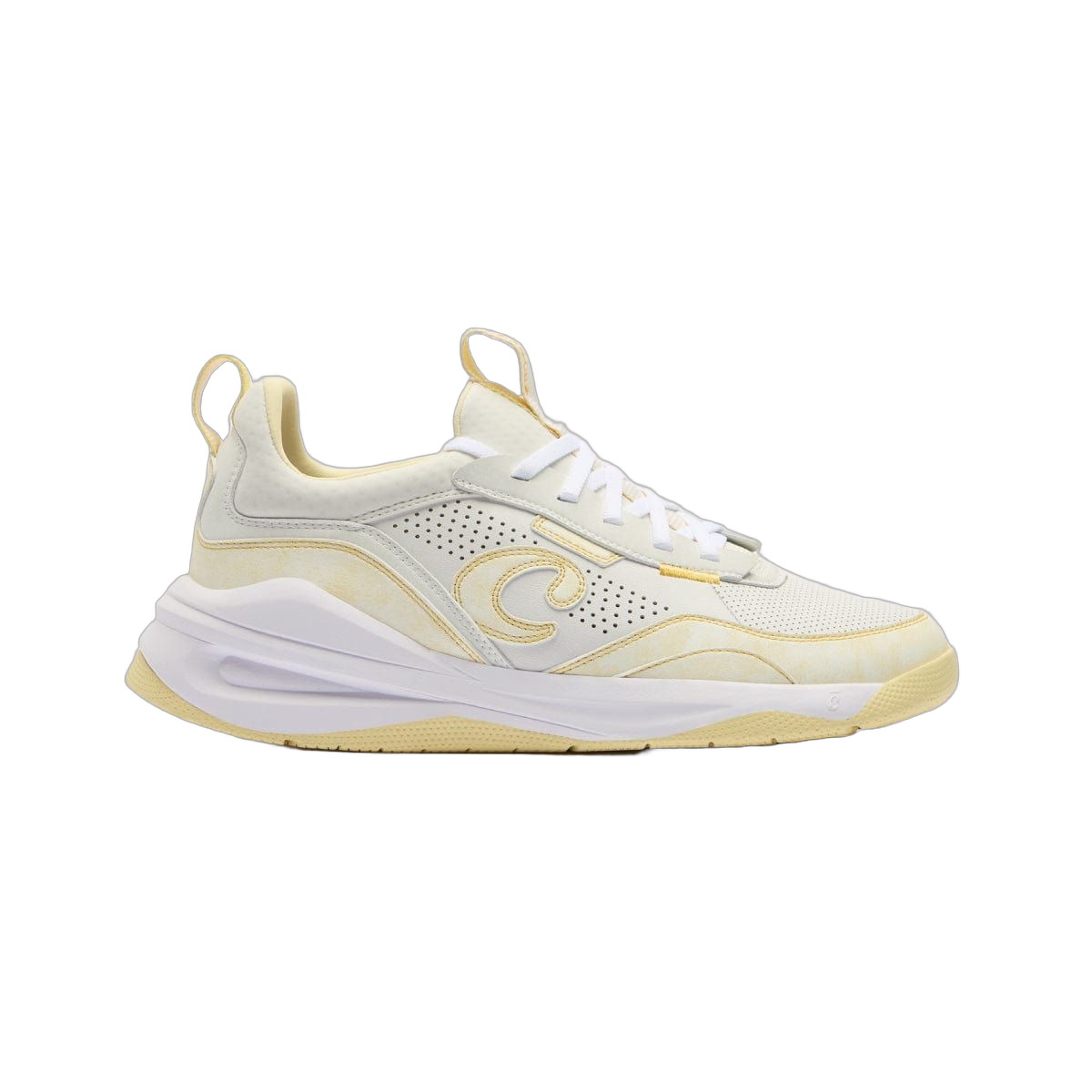
Slip-on & hands-free shoes
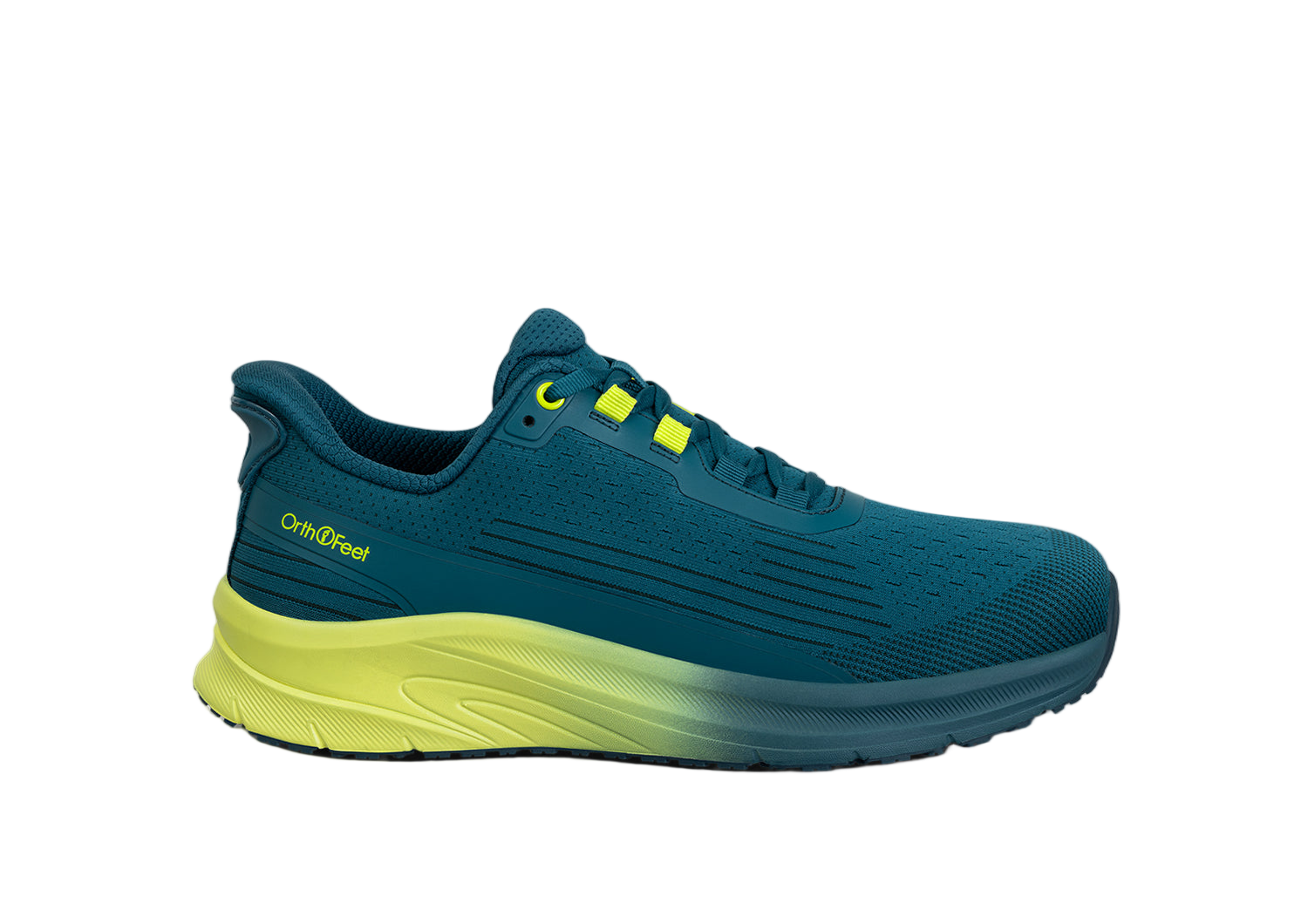
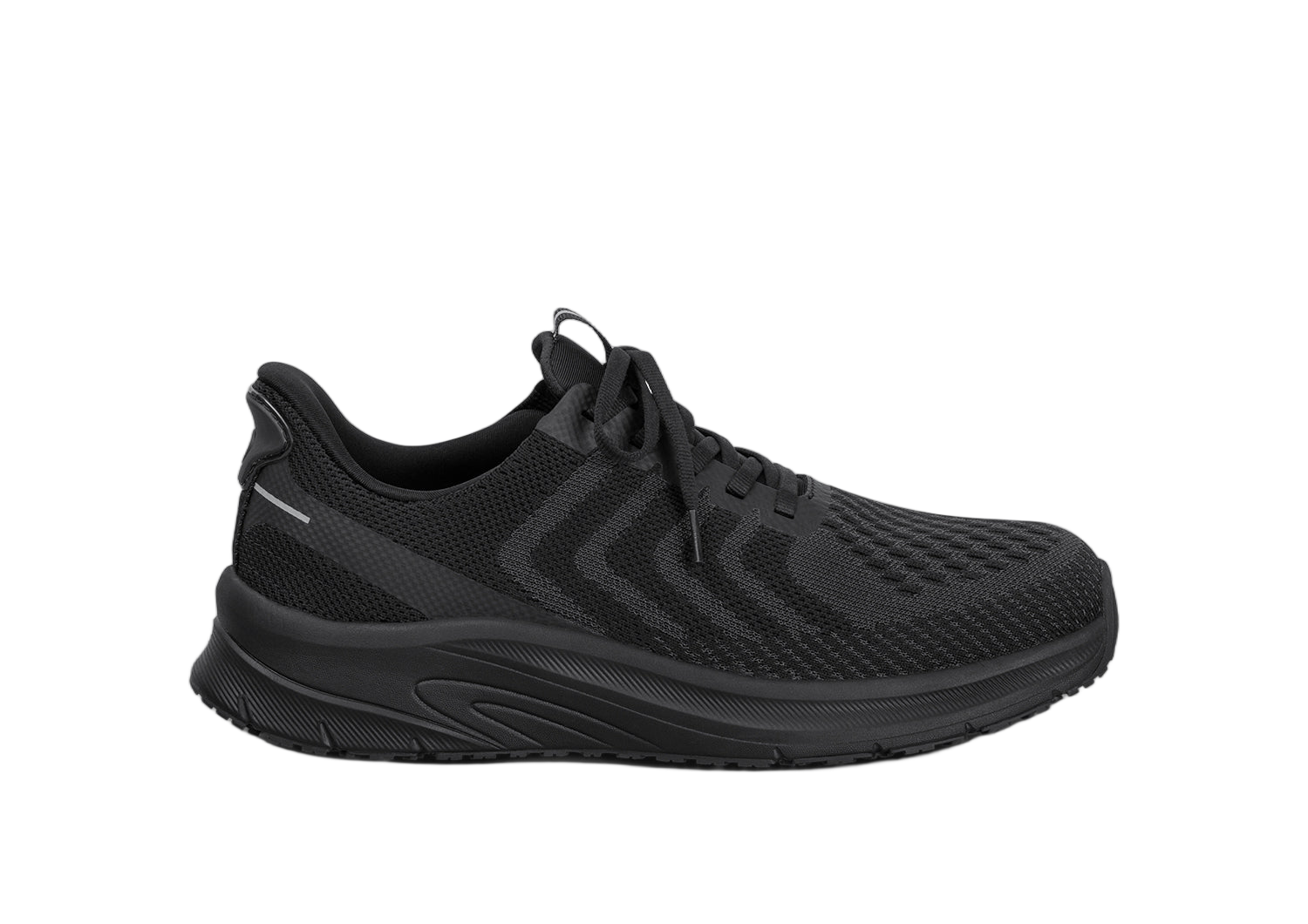
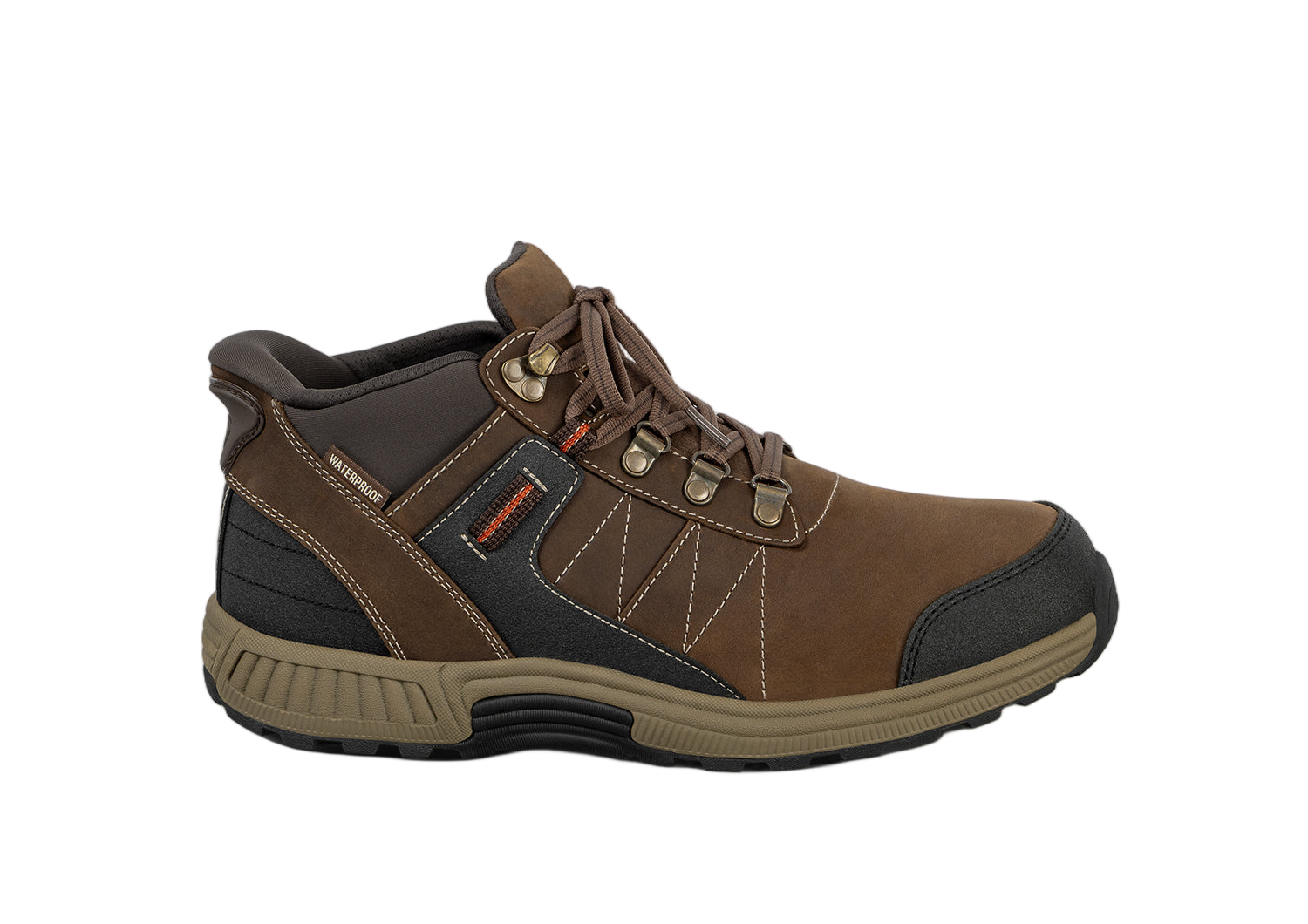
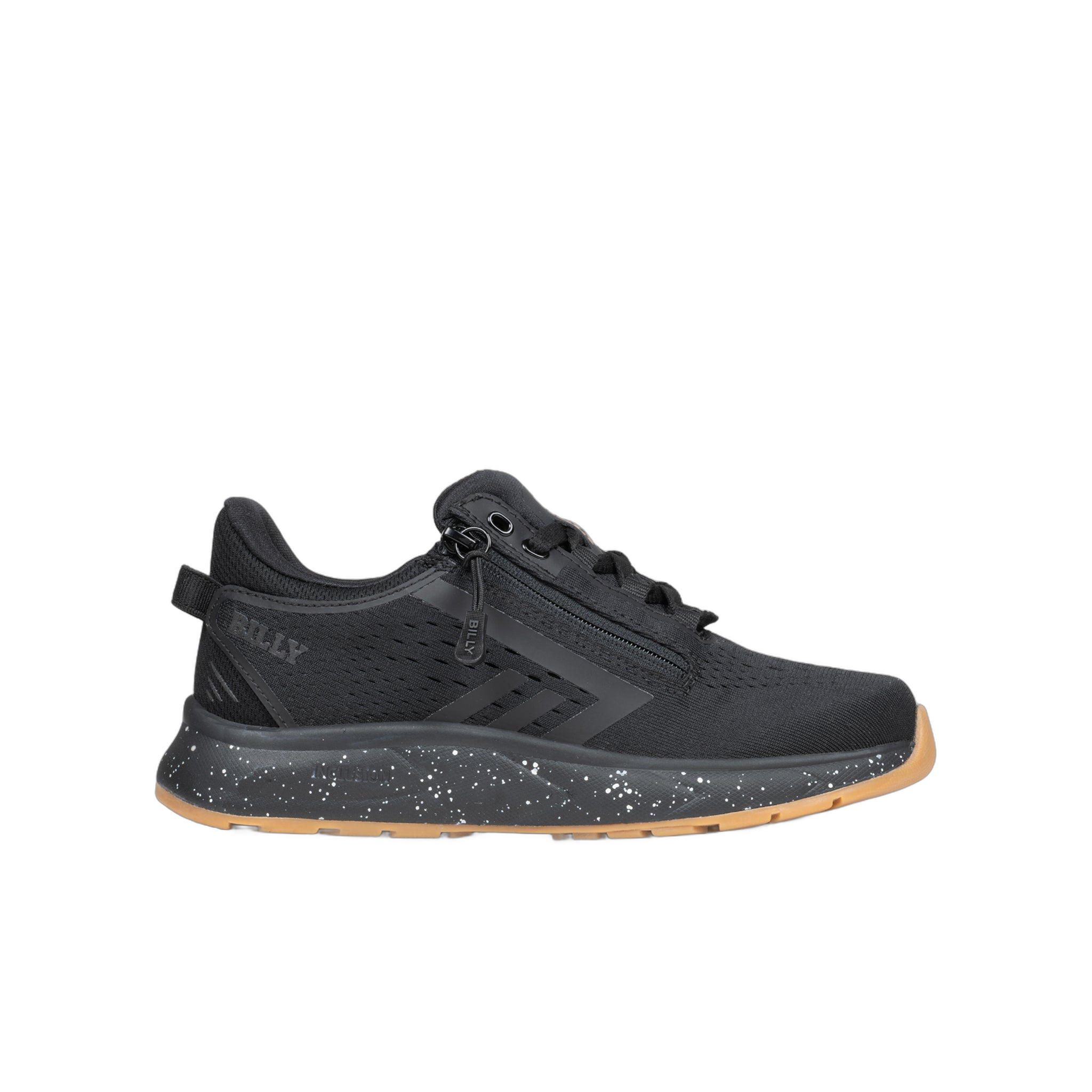
Black/Black/Gum BILLY Sport Inclusion DZ1 Zipper Shoes

BILLY Footwear
Adaptive Footwear

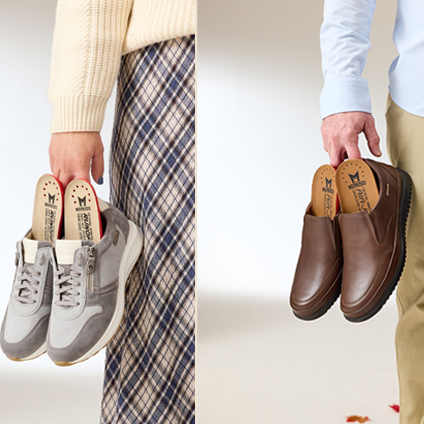

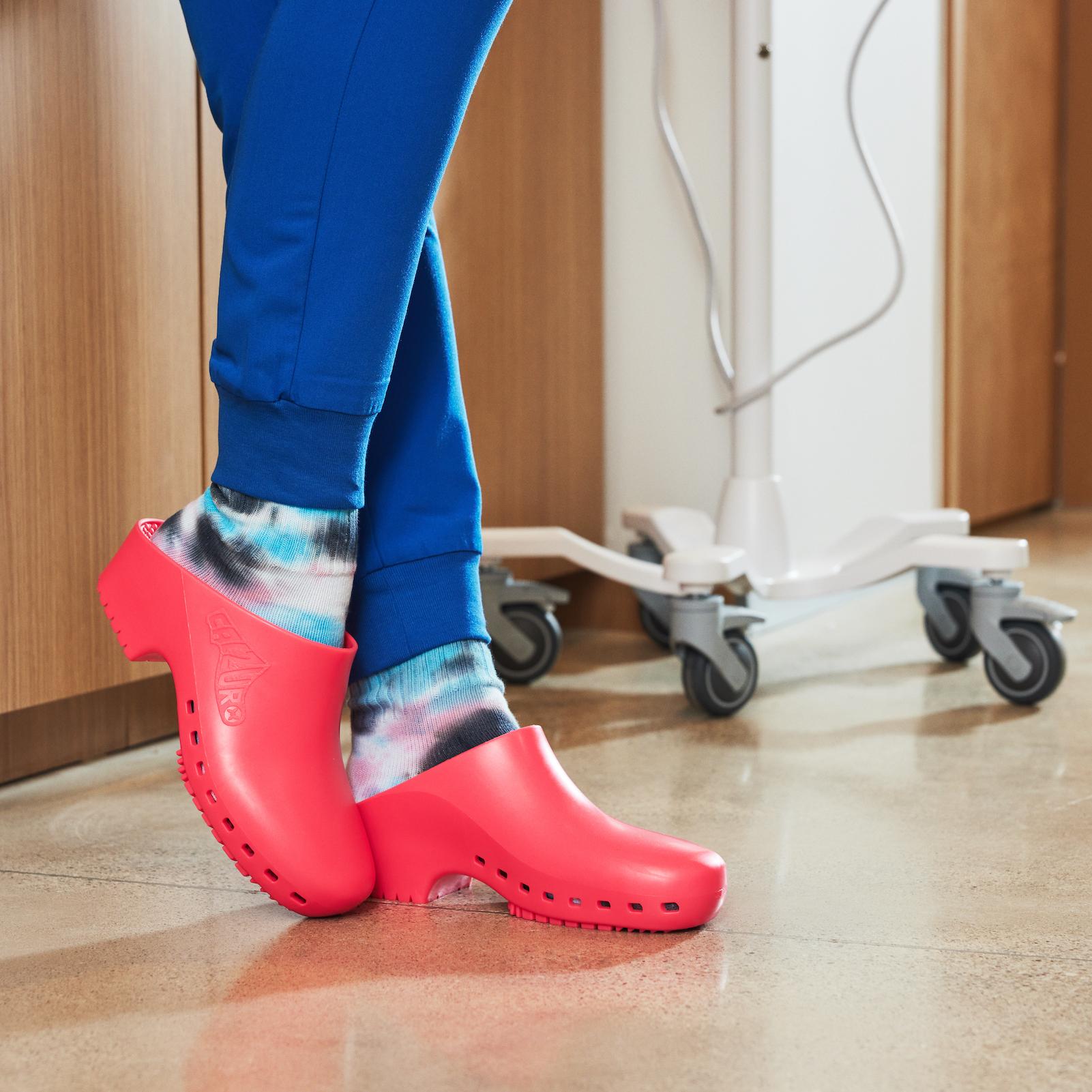

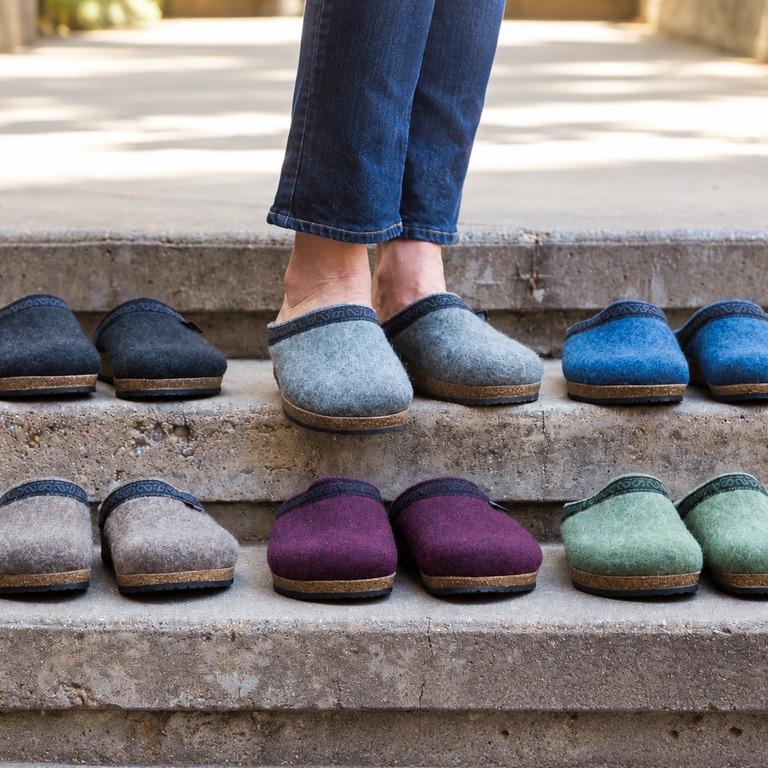


What makes shoes HSA/FSA eligible?
Adaptive footwear can be HSA/FSA-eligible for qualified customers when it’s used to treat or manage a documented medical condition and supported by a Letter of Medical Necessity (LMN).
For many conditions, the right footwear does real clinical work. That might mean diabetic shoes to prevent complications, orthopedic support for plantar fasciitis, or properly fitted insoles for chronic joint and back pain. When footwear is part of managing your condition, it may qualify.
Want to check your eligibility? That’s where Truemed comes in. Explore eligible footwear on the Truemed marketplace and add a product to your cart on the merchant’s site. At checkout, you’ll complete a health intake survey to be reviewed by an independent licensed clinician, who determines eligibility and may issue an LMN. From there, you can pay with your HSA/FSA card or submit for reimbursement, if qualified.
How to Buy Adaptive Footwear with Truemed
Checkout
Find the Truemed logo during checkout. Exit the "Shop Pay" pop-up if prompted.
Take a private health survey
A licensed provider will review your answers to determine eligibility.
Make your purchase
Pay with your HSA/FSA card or a credit card. If you use a regular credit card, follow the guide included with your LMN to submit your purchase for reimbursement.
Frequently asked questions
If you can’t find what you’re looking for, please reach out to support@truemed.com
Many adaptive footwear products may be HSA/FSA eligible for qualified customers when accompanied by a Letter of Medical Necessity (LMN).
Adaptive footwear spans a wide range of categories, including orthopedic shoes, recovery slides, zero-drop and minimalist footwear, hands-free and accessible designs, supportive everyday sneakers, and athletic shoes built for foot protection.
With an LMN from a licensed clinician confirming medical necessity, qualified customers can use pre-tax HSA/FSA dollars on adaptive footwear from Truemed partner brands and save an average of 30% on the purchase.
Conditions that may support medical necessity for adaptive footwear commonly include plantar fasciitis, heel spurs, Achilles tendinopathy, bunions, diabetic peripheral neuropathy, chronic foot pain, post-surgical recovery, arthritis, balance and mobility disorders, and gait-related dysfunction.
Adaptive footwear is also commonly recommended for healthcare workers, nurses, and others on their feet all day with documented foot conditions. General comfort or style preferences without an underlying condition do not, on their own, meet the standard for HSA/FSA eligibility.
Zero-drop shoes have the same height at the heel and the forefoot, so your foot sits level, like it would barefoot. Most traditional running shoes raise the heel 8 to 12 millimeters above the toes. Supporters say a level platform encourages a more natural stride and spreads load more evenly through the foot, and many zero-drop shoes also have a wider toe box. If you’re switching from a raised heel, consider transitioning gradually, since your calves and Achilles tendons may need time to adjust.
Yes, recovery shoes like KANE may be eligible for HSA/FSA spending for qualified customers when a licensed clinician determines the footwear is medically necessary for your specific health situation. Recovery shoes are commonly recommended for chronic foot pain, post-workout recovery tied to musculoskeletal conditions, plantar fasciitis, and foot fatigue from prolonged standing.

Your health, your savings
All products on Truemed are HSA/FSA eligible for qualified customers — so you can invest in what matters without the out-of-pocket cost.