
The Best Running Shoes for Men: How To Choose
Author:Kathleen Ferraro
Reviewed By:Bo Hickey, CSCS
Published:
April 27, 2026
Last Updated:
October 06, 2026
Truemed writers and editors independently evaluate all our product recommendations. If you make a purchase through any affiliate links we provide, we may receive compensation. Learn more.


Key Takeaways
The best running shoes for men depend on how you actually run: Factors like your routine, distance, and terrain matter more than hype or trends.
Comfort is key: The right shoe should feel comfortable right away, typically with no break-in period.
Your needs matter more than fancy specs: Features like cushion, drop, weight, and support matter, but only if they match your body and running habits.
More specialized isn't always the best choice: A versatile daily trainer works well for most casual runners, especially beginners or those mixing running with walking or gym workouts.
Some footwear may be eligible for HSA/FSA use: It may qualify if it's tied to a diagnosed condition and supported by a letter of medical necessity.
Key Takeaways
Best Running Shoes for Men: Start with the Right Use Case
How to Choose Men’s Running Shoes By Fit and Feel
Cushioning, Drop, Weight, and Support: What Actually Matters
Daily Trainers, Speed Shoes, Trail Shoes, and Track Shoes
Good Running Shoes for Beginners, Walking, and Mixed-Use Wear
Signs Your Current Running Sneakers Are Not Working for You
How It Works with HSA/FSA and Truemed
Compliance & Documentation
Deep Dive Recommendations
FAQ
Shop Eligible Products
Ready to unlock your HSA/FSA funds for qualified medical expenses?
I’ve tested a lot of running sneakers over the years. And if there’s one thing I’ve learned, it’s that the shoes people stick with aren’t always the flashiest. More often, they’re the ones that just feel right (and keep feeling right) from day one. And the best running shoes for men are no different.
“When my male patients ask me about the ‘best’ pair of running shoes, I always tell them the best shoe is the one you forget you’re wearing by mile two,” says Mikel Daniels, DPM, MBA, FACFAS, a board-certified podiatrist and CEO of WeTreatFeet Podiatry. “That sounds simple, but getting there takes a little more thought.”
Below, we'll break down how to pick the right shoes based on your running habits, the ways a man's foot and build can steer the choice, what actually matters when it comes to fit and support, and whether or not your purchase might qualify for HSA or FSA dollars.
Best Running Shoes for Men: Start with the Right Use Case
Before you get caught up in features or brand names, start with a simpler question: What do you actually need your running shoes to do?
This is where most men go wrong. They shop for a hypothetical version of themselves—one with a different training routine or pace—instead of the runs they’re actually doing. But because the best running shoes for men are usually built around a specific job, getting the right pair upfront is crucial to avoid issues downstream.
According to Daniels, that job usually falls into one of a few buckets:
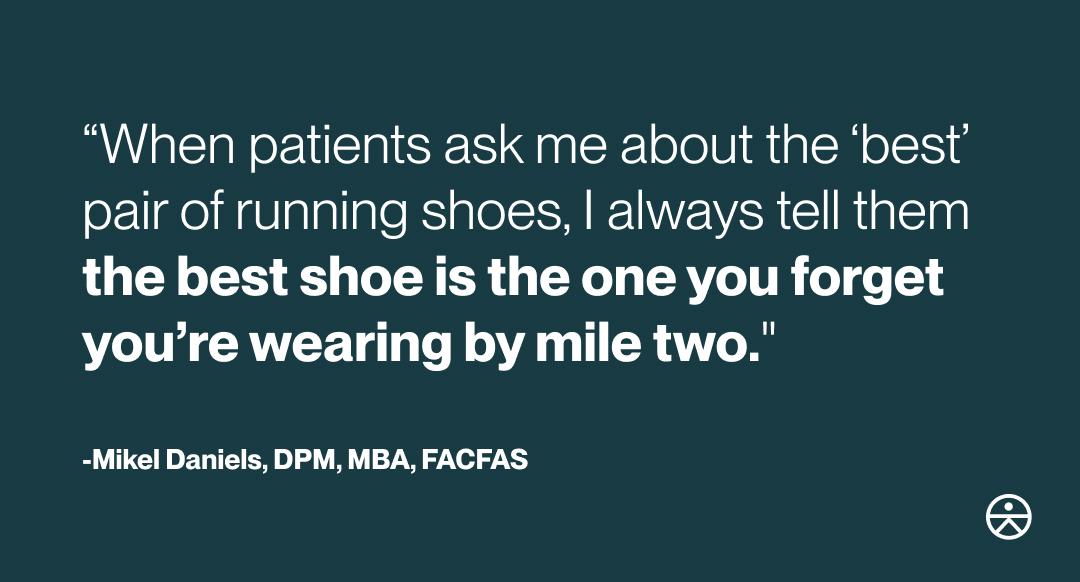
- Daily miles: If you prefer easy runs, short workouts, or getting back into a routine, you need a comfortable, go-to shoe. The farther you go, the more cushioning, durability, and overall comfort matter.
- Speed work or tempo runs: Faster efforts or structured workouts require lighter, more responsive shoes.
- Race day: These more specialized, performance-focused shoes aren’t always ideal for everyday training.
- Trail runs: Uneven terrain requires dedicated grip, stability, and protection.
- Mixed use: If you split your time between running, walking, and gym sessions, you need a more versatile shoe.
With so many options, it’s best to tailor your shoe to the type of running you do most often. A daily trainer is usually the right call for people jogging a few times a week, while longer runs call for more cushioning and support. If you mix in trail or track workouts, you may end up with more than one pair.
Gym shoes, on the other hand, are built for versatility—not for the repetitive impact of running—so they’re not always the best fit for regular miles.
Sample Truemed Products
If you’re not sure what those categories look like in practice, here are a few options that line up with those everyday uses:
- Altra Running Torin 8 ($160): This reliable, cushioned daily trainer is a strong option if you want something comfortable and consistent for easier runs.
- Backcountry’s Nike Zoom Fly 6 Running Shoe ($180): This lightweight, carbon-plated shoe is built for efficient strides, forward propulsion, and faster paces.
- Alta Running FWD VIA 2 ($165): This performance-oriented option has a forward-rolling feel that keeps you moving efficiently on race day.
- Flux Adapt Trail Runner ($150): Designed for uneven terrain, this shoe adds grip and structure if your runs take you off the pavement.
- KURU Footwear ATOM 2 ($169): This option balances support and comfort, making it suitable for both running and all-day wear.
How to Choose Men’s Running Shoes By Fit and Feel
Once you’ve narrowed down the type of shoe you need, fit is what actually determines whether it works.
Even the smallest uncomfortable rub when trying the shoes in the store can turn into irritation just a few moments into a run. “It is very important that the shoe feels comfortable right away. A true running shoe does not have a ‘break‑in’ period,” says Daniels. “Fancy foam and buzzwords are fine, but your body will tell you very quickly what works.”
More specifically, he recommends keeping an eye out for the following features:
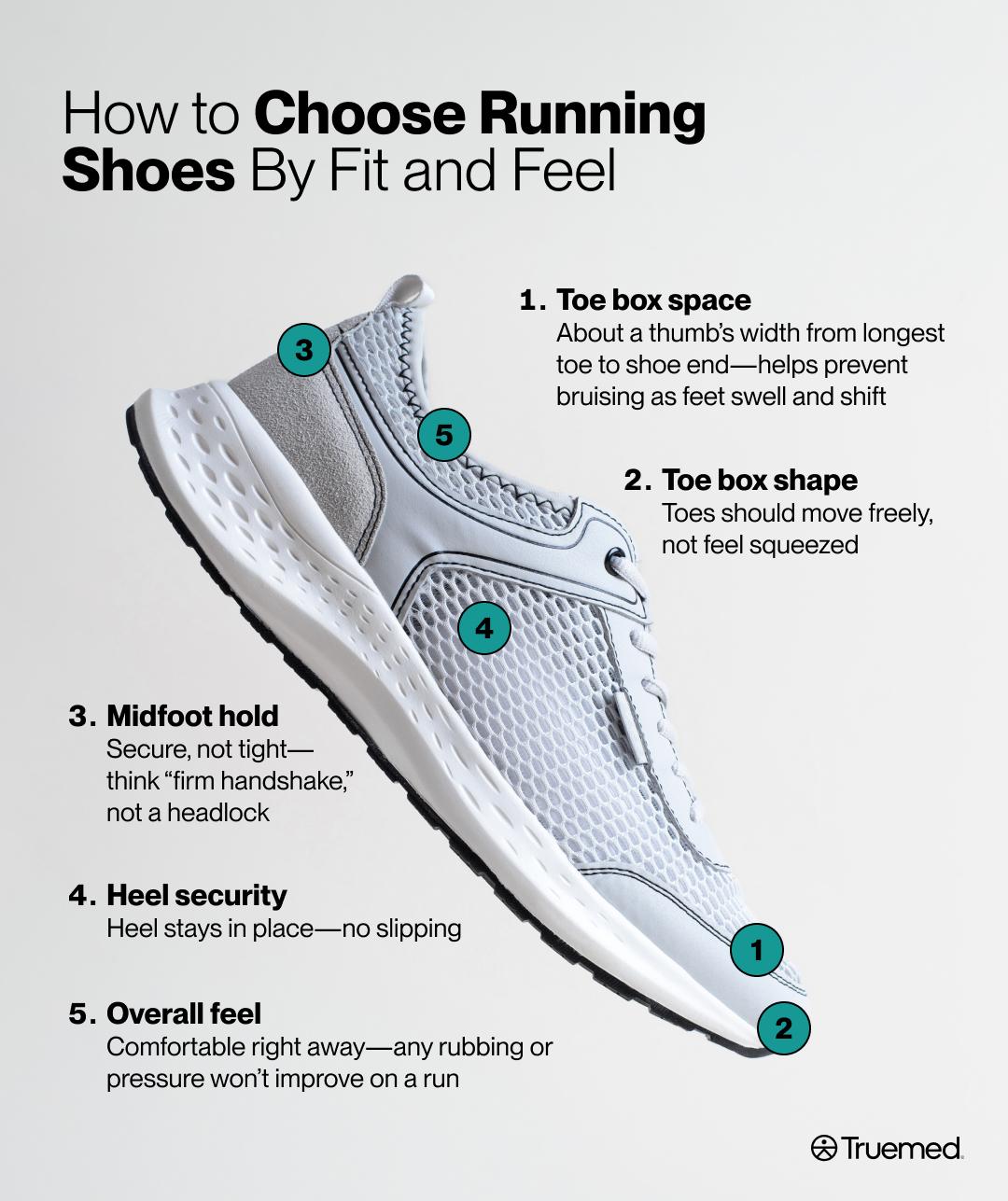
- Toe box space: You should have about a thumb’s width of space between your longest toe and the end of the shoe. Your feet naturally swell as you run, and your toes shift forward (especially on downhills), so this extra room helps prevent bruising.
- Toe box shape: Your toes should be able to move freely without feeling squeezed or restricted. “If your forefoot feels squeezed standing still, it will feel miserable at mile five,” says Daniels.
- Midfoot hold: The middle of the shoe should feel secure without being overly tight—what Daniels describes as “a firm handshake, not a headlock.”
- Heel security: Your heel should stay in place as you move. Any slipping here can quickly lead to blisters.
- Overall feel: Remember, the right shoe should feel comfortable on your foot shape and size immediately. So any rubbing, pressure points, or stiffness you notice in the store likely won’t improve on a run.
These simple tricks can also help you further dial in the right fit:
- Try shoes later in the day when your feet are slightly more swollen
- Wear the socks you run in
- Walk or jog a bit to test out the shoe
Cushioning, Drop, Weight, and Support: What Actually Matters
Shopping for men’s running shoes involves a lot of technical jargon. But in practice, these features just describe how a shoe feels and behaves under your foot, says Daniels.
As you dig into the specs, it’s also worth remembering that more technology doesn’t automatically mean a better shoe. After all, the most advanced option isn’t necessarily the one that matches your body and routine.
Here’s how to think about each feature without overcomplicating it:
- Cushioning: This affects how soft or firm the shoe feels and how much impact it absorbs. “More cushion can help for long runs, heavier runners, or cranky joints, but too much soft foam can feel unstable,” explains Daniels. There are multiple cushion types as well, and each has different trade-offs and benefits. EVA foam, for example, wears out around 300-500 miles. TPU-based foams are more durable but a bit heavier, and PEBA foams break down fairly fast.
- Heel-to-toe drop: This is the height difference between the heel and forefoot. Most traditional shoes run 8–12 mm, which tends to offload the Achilles a bit, according to Daniels. Lower-drop shoes (typically 4-6 mm, but can go down to “zero-drop”) can feel more natural for some runners, but they place more load on the calves and Achilles. “If you’re new to running, or have a history of Achilles issues, stay in the middle of the road on drop until you know how your body responds,” he says.
- Weight: Lighter shoes tend to feel faster and more responsive, which is why they’re often used for speed work or racing. Heavier shoes usually come with more cushioning or structure, which can feel better for easy runs or longer distances.
- Support and stability: This is how much the shoe helps guide your foot, especially if it tends to roll inward or outward. “If you have flat feet or a history of medial ankle or knee pain, a stability shoe with good midfoot structure is worth trying,” Daniels says. Runners without those issues often do well in neutral shoes.
Daily Trainers, Speed Shoes, Trail Shoes, and Track Shoes
Now that you have a framework, let’s get down to options. Below are some of the best running shoes for men by category.
Daily Trainers
If you’re looking for shoes that feel comfortable and consistent while you get into a running routine or log easier runs, this is the category for you. These daily trainers are built to handle repeated impact and hold up over time:
- Altra Running Torin 8 ($160): This reliable, cushioned daily trainer has a roomy toe box and balanced feel. It’s a strong option for easy runs and consistent mileage.
- Flux Adapt Runner ($145): This is a more minimalist daily option that still provides structure, making it a good fit if you prefer a lighter, more natural feel.
- Flux Adapt Runner H20 Pro ($150): A waterproof version of a daily trainer, these are good shoes for running in wet conditions while maintaining comfort and flexibility for regular mileage.
- Veloci Mesa ($180): Designed for everyday training, this shoe offers supportive cushioning and a wide toebox that works well for short runs and longer efforts alike.
- G-DEFY Lauff Supportive Running Shoe ($140): Built with added arch support and shock absorption, this is a solid choice if you want more structure for daily miles.
Speed or Tempo Shoes
These shoes are lighter and more responsive, making them a better fit for workouts where you’re picking up the pace:
- Backcountry’s Nike Zoom Fly 6 Running Shoe ($180): This lightweight, carbon-plated shoe is built for efficient strides, forward propulsion, and faster paces.
- Altra Running Escalante 4 ($130): Lightweight and flexible, this zero-drop shoe is built for quicker turnover during tempo runs or speed sessions.
- Alta Running FWD VIA 2 ($165): This performance-oriented option features a forward-rolling feel that helps maintain momentum during faster efforts.
- Veloci Ascent ($180): Designed for performance, this shoe combines a natural toe box with a more responsive ride for speed-focused training.
Race-Day Shoes
Race-day shoes are designed for performance and efficiency, but they’re typically better used sparingly rather than for daily mileage. The best pair for you depends on your pace, race distance, and terrain. And because these shoes are geared toward performance rather than support, everyday exercise, or injury prevention, they’re also less likely to qualify for HSA or FSA use.
Solid options include:
- Altra Running Vanish Carbon ($192): This lightweight, carbon-plated racing shoe promotes forward propulsion and quick turnover, making it a strong option for race day or high-performance efforts.
- ASICS Novablast 5 ($150): Daniels recommends this shoe for marathoners who want a plush yet stable ride. It offers solid impact protection and a slightly rockered shape that keeps you moving efficiently as the miles add up (without feeling bulky).
Trail Shoes
If your runs take you off-road, these trail shoes are built to handle the added demands of uneven surfaces:
- Alta Running Experience Wild 3 ($150): This trail-ready, low-drop option features a stable rocker base, secure heel, and enough cushioning for longer efforts on varied terrain.
- Flux Adapt Trail Runner ($150): This zero-drop shoe combines grip and structure while still allowing for natural movement, making it a great pick for dirt, gravel, or technical trails.
Track Shoes and Spikes
This is a pretty niche category, and for most men, it’s not something you’ll use day to day. These are built for short, fast efforts (think sprints), rather than comfort, durability, or regular miles.
They really only come into play if you’re training or competing on a track. And because these are performance-focused shoes, they’re also less likely to be HSA- or FSA-eligible products.
- Nike Zoom MaxFly 2 ($200): These sprint spikes are built for short-distance races, featuring a carbon plate and an Air Zoom unit designed to maximize propulsion and speed.
- Saucony Endorphin Cheetah ($190): This lightweight, carbon-plated track spike is ideal for middle- to long-distance races thanks to its responsive foam and aggressive spike plate.
Good Running Shoes for Beginners, Walking, and Mixed-Use Wear
If you’re newer to running or just want a pair that can handle a bit of everything, you don’t need anything overly specialized. This is especially true if your routine includes a mix of running, walking, gym sessions, or just being on your feet a lot during the day.
In most cases, a comfortable, versatile daily trainer will serve you best. You want something that feels good for easy miles and doesn’t punish you if your pace, form, or routine is still evolving.
Here are a few options that work well for mixed use:
- Altra Running Torin 8 ($160): This versatile, cushioned daily trainer works well for both running and walking, especially if you prefer a roomier fit.
- Veloci Mesa ($180): This pair offers supportive cushioning that holds up for everyday mileage while still feeling comfortable enough for longer wear.
- Flux Adapt Knit Trainer ($135): This breathable zero-drop option works well if you’re splitting time between light runs and daily activity.
- KURU Footwear ATOM 2 ($169): Designed with a secure heel and supportive structure, this pick works for both running and walking.
- KURU Footwear TRIPLE MAX Ion ($189): This maximum-cushion option prioritizes comfort, perfect if you’re on your feet for long stretches.
- G-DEFY Lauff Supportive Running Shoe ($140): Built with added arch support and shock absorption, this pair is a good fit for beginners, higher-mileage walkers, or those who spend long periods on their feet.
- G-DEFY MightyRun Slip-On Shoe ($140): The slip-on design of this adaptive footwear makes it easy to get out the door while still offering enough cushioning and support for walking and light running.
If you’re trying to stay within a budget, it’s also worth checking out prior-year versions of popular models. As long as the fit still works for you, they often deliver a similar experience at a lower price.
Signs Your Current Running Sneakers Are Not Working for You
Even if a shoe looks good on paper, your body will usually tell you if it's not the right fit. Here are some common signs your current pair might not be working:
- Hot spots or blisters: Repeated rubbing in the same areas (often your heel toes, or sides of your foot) often means the fit is off or the shoe isn’t holding your foot securely.
- Black toenails or bruising: These issues crop up when there’s not enough space in the toe box or your foot slides forward as you run, says Daniels. It’s a common sign that your shoes are too small or tight up front.
- Numbness or tingling: If your toes or forefoot start to feel numb, your shoe may be too tight and restricting circulation.
- Heel slipping: If your heel lifts or shifts while you run, it can lead to blisters and instability over time, says Daniels.
- Persistent discomfort or pain: Knee, shin, foot, or arch pain can indicate your shoe isn’t providing the right level of support or cushioning for your needs. In some cases, it can also signal you need to dial down or otherwise adjust your form or training routine.
- Uneven wear: If the sole is breaking down unevenly, it may be time to replace or reassess whether it's the right fit for your stride.
If pain is persistent, worsening, or starting to change how you run, it’s a good idea to check in with a healthcare provider. Red flags to watch out for include:
- Sharp pain
- Swelling
- Numbness
- Pain or discomfort that sticks around when you’re not running
How It Works with HSA/FSA and Truemed
Men’s running shoes aren’t automatically eligible for HSA or FSA spending—in most cases, they’re considered a general fitness item. That said, certain footwear may qualify under IRS §213(d) if it’s used to treat or manage a diagnosed medical condition.
But how do you know if an item is FSA- or HSA-eligible? A healthcare provider can help. For instance, they might recommend a specific type of shoe to help with plantar fasciitis or a foot injury. In these cases, you’ll typically need a letter of medical necessity (LMN) from a licensed provider that outlines your diagnosis and explains how the product supports your treatment.
If you qualify,* Truemed can guide you through the process. Here’s what to expect:
- First, check whether the product is typically considered a qualifying medical expense or whether you might need an LMN.
- Complete a health intake survey, which an independent licensed clinician will review.
- Purchase the item using your HSA/FSA card at checkout, or pay out of pocket and submit for reimbursement later.
- The independent licensed practitioner will review your medical history and, if appropriate, issue an LMN. Truemed itself does not make eligibility determinations.
- If your claim is denied, Truemed can help you gather and provide the necessary substantiation documentation to support your reimbursement request.
Final approval always depends on your plan administrator, so make sure to confirm your plan’s requirements before you check out.
*Truemed is for qualified customers. HSA/FSA tax savings vary. Learn more at truemed.com/disclosures.
Compliance & Documentation
If you’re planning to use HSA or FSA funds, it’s important to remember that eligibility isn’t automatic. Even if a product is sold on a marketplace like Truemed, reimbursement typically requires that your purchase is tied to a diagnosed condition and supported by proper documentation.
Here’s what that typically involves:
- An independent clinical review: If you’re using Truemed,* an independent licensed practitioner reviews your health intake and determines if running shoes are medically necessary. Truemed itself does not make medical or eligibility decisions.
- A letter of medical necessity: In this document, the provider explains your diagnosis and why you need running shoes as part of your treatment plan.
- Your plan administrator’s approval: Even with an LMN, your HSA or FSA plan administrator makes all the final reimbursement decisions. Requirements can vary by plan, so check your plan’s details before you make your purchase.
- Proper documentation: Save receipts, product details, reimbursement forms, and any supporting documentation (like your LMN). You may need these for final reimbursement or a claim review.
*Truemed is for qualified customers. HSA/FSA tax savings vary. Learn more at truemed.com/disclosures.
Deep Dive Recommendations
If you’re interested in reading further, try:
- https://www.cdc.gov/physical-activity-basics/about/index.html
- https://medlineplus.gov/exerciseandphysicalfitness.html
- https://www.niams.nih.gov/health-topics/sports-injuries
FAQ
Most running shoes last around 500 miles, though this can vary based on your running habits, body weight, and the shoe itself. If you start noticing reduced cushioning, uneven wear, or new discomfort during runs, it may be time to replace them.
Running shoes aren’t automatically eligible because they’re typically considered general fitness items. However, you might be able to use HSA/FSA funds if a licensed provider deems running shoes necessary to treat or manage a diagnosed condition. You’ll likely need a letter of medical necessity to confirm this, and final approval rests with your plan administrator.
A good fit should feel comfortable immediately. According to Daniels, you should also have about a thumb’s width of space between your longest toe and the end of the shoe, a secure midfoot, and no heel slipping. If you notice pressure points, pinching, or rubbing right off the bat, that’s a good sign the shoe isn’t for you.



See what you can do with your HSA/FSA.
Join 1.5 million Americans who have routed their healthcare dollars toward root cause health via Truemed's HSA/FSA marketplace.
New product announcements
Sales and special offers
Tips for utilizing your HSA/FSA
Editorial Standards
At True Medicine, Inc., we believe better health starts with trusted information. Our mission is to empower readers with accurate and accessible content grounded in peer-reviewed research, expert insight, and clinical guidance to make smarter health decisions. Every article is written or reviewed by qualified professionals and updated regularly to reflect the latest evidence. For more details on our rigorous editorial process, see here.