
How Do I Know If Something Is HSA or FSA Eligible?
Author:Nafeesah Allen
Published:
December 17, 2025
Last Updated:
October 06, 2026



Key Takeaways
FSA or HSA eligibility: always determined by whether a product can be considered a qualified medical expense under section 213(d) of the IRS Code.
Clearly FSA- or HSA-eligible items: typically automatically approve at checkout, like over-the-counter medications and supplies, or a prescription.
Potentially FSA- or HSA-eligible items: require supporting documentation (like an LMN) for coverage. Pay up front and submit your receipt and document(s) for reimbursement.
Always keep receipts (physical copies or online PDFs) and documents (prescriptions, LMNs): for your records and in case of tax audits.
FSA or HSA eligibility is determined by IRS section 213(d) and your plan’s rules. Items are clearly eligible, eligible with a prescription or letter of medical necessity (LMN), or ineligible to be purchased with a Flexible Spending Account (FSA) or a Health Savings Account (HSA).
Clearly eligible items auto-approve at checkout (via approved merchant category codes or product SKU flags). Otherwise, pay out-of-pocket for the item and submit for reimbursement with documentation and a receipt. Your plan administrator has the final say. Check your plan details.
Eligibility at a Glance
How do you know if an item is FSA or HSA eligible? Here’s an overview to help you understand eligibility and avoid denials.
| Item Category | Usually Eligible? | Rx Needed? | LMN Needed? | Proof to Keep | Notes |
|---|---|---|---|---|---|
| Copays/Deductibes | Yes | No | No | EOB/Receipt | Services on/after coverage starts |
| Rx meds | Yes | Yes | No | Pharmacy receipt | Insurer EOB acceptable |
| Over-the-counter (OTC) meds/ supplies | Yes | No | Sometimes | Itemized receipt | Some plans require a detailed SKU |
| Vision/dental/hearing | Yes | Varies | No | Provider invoice | Sunglasses require a prescription |
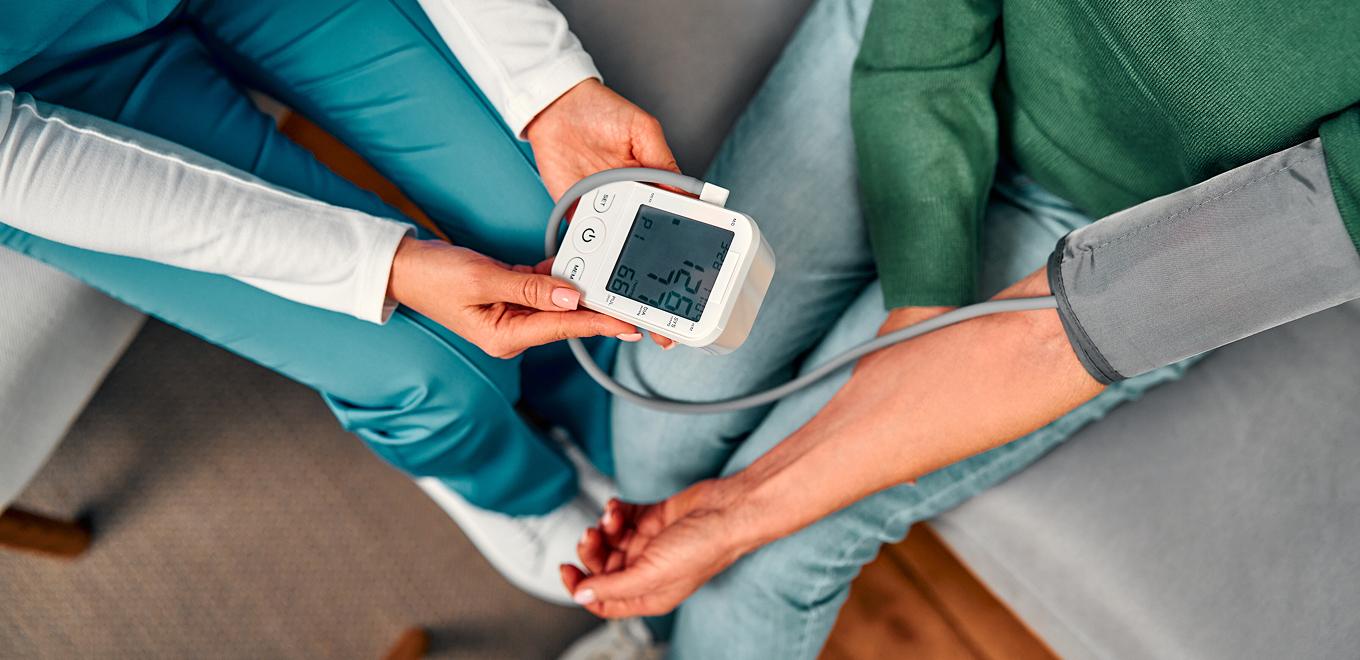
| Devices (braces, blood pressure cuffs, CPAP) | Yes | Varies | Sometimes | Invoice and prescription/LMN | Durable medical equipment |
| Fitness items | Potentially | No | Often yes | Receipt and LMN | Must treat a diagnosed condition |
What Makes an Item Eligible
An item is HSA or FSA eligible if it is considered a qualified medical expense under section 213(d) of the IRS Code. According to the IRS, the item must be for a medical purpose, or "to alleviate or prevent a physical or mental disability or illness. They don't include expenses that are merely beneficial to general health." IRS Publication 502 features a (non-exhaustive) list of eligible expenses.
Medical conditions and diagnoses from healthcare providers make more items eligible with prescriptions or LMNs. Cosmetics and general items are not HSA or FSA eligible. Some plans may have narrower requirements, so always check your Summary Plan Description (SPD) for further clarification.
Where to Check Eligibility
The easiest way to check whether a product is FSA- or HSA-eligible is to use your plan portal. Insurance and policy providers may also offer guidance on prescription requirements for vision, dental, or hearing products that might be FSA or HSA eligible.
Check for retailer tags labeling a product as FSA/HSA eligible or read product descriptions online. You can also search the product on an FSA/HSA eligibility tool, or read here for 100+ items that are HSA- and FSA-eligible.
If you’re unsure, you can request an LMN from a healthcare provider. When approved, an LMN may make certain items eligible when used to address a specific health condition.
How Checkout Works
Many HSA-eligible products will be pre-approved at checkout. These clearly eligible items will be auto-approved based on a retailer’s health-approved merchant category code (MCC) or based on the product SKU that will flag for approval at checkout.
To avoid a decline, split the cart and do separate checkouts; one transaction with HSA/FSA eligible items and the personal card for the rest.
If you’re shopping online, use filters to categorize items as HSA/FSA-eligible filters. Double-check the product label for any mention of eligibility, too. Always download and keep itemized PDF invoices for your records. Remember to split your payments for carts with a mix of HSA-eligible and non-eligible items.
HSA vs FSA: Key Differences While Shopping
While HSAs and FSAs cover the cost of the same products, there are some key differences to remember when shopping.
An HSA is owned by you and is yours for life. An FSA is owned by an employer and is tied to their plan. So if you change jobs, an HSA card will still work, but a health FSA will end. Remember to keep in mind any timelines to submit claims before coverage changes with an FSA in the instance of a job change.
Aside from a general health FSA, there is also a limited-purpose FSA, which can only be used to cover dental and vision expenses. With a limited-purpose FSA, you can still contribute (and should if eligible) to an HSA to cover other medical expenses.
Documentation You Should Keep
To avoid claims getting denied, there are a few documents you should hang onto. Always keep an itemized receipt with the date, merchant, product, and price. Keep PDFs or screenshots of online purchases.
Keep any invoices from providers like dentists or optometrists for your records. Keep prescriptions, LMNs when required, explanation of benefits (EOBs), and bank statements to match with receipts for IRS compliance during tax season and in case of any audits.
Common Pitfalls to Avoid
When using your FSA or HSA, it’s important to stay compliant to avoid penalties or additional taxes. Don’t assume that simply because an item is sold at a pharmacy, it’s HSA- or FSA-eligible. An item’s eligibility is always based on whether it could be a qualified medical expense. If you’re purchasing a mix of items that include both eligible and ineligible items, always split the transactions to only pay for eligible items with the HSA or FSA card.
Always keep digital receipts, prescriptions, or product pages for online orders. For purchasing items that are potentially eligible and treat specific conditions, don’t forget that you need an LMN when submitting for reimbursement.
How It Works Using Your HSA/FSA with Truemed
Complete a health intake at checkout on Truemed* to see if you qualify for an LMN. An independent licensed practitioner will review your submission and may issue an LMN if appropriate. If you are approved for an LMN, it may substantiate that additional expenses are eligible for FSA and HSA spend. It does not change your contribution limit.
Truemed partners with merchants and retailers to help eligible customers shop hundreds of products, pay with their HSA/FSA card, or get reimbursed later. Checkout with Truemed helps you organize your documentation for eligible purchases, so you can maximize your benefits.
*Truemed is for qualified customers. See terms at truemed.com/disclosures.
FAQ
It depends on what kind of FSA you have with an HSA. You cannot have a health FSA at the same time as an HSA, since they both go towards paying for the same type of medical expenses. But you can have a limited-purpose FSA and a dependent care FSA.
Yes, both items that are eligible for an FSA are also eligible for an HSA.
To be eligible for an HSA, the main requirement is that you first need to have a high-deductible health plan. There are a few other rules according to the IRS (ie, you can’t be listed as a dependent on a tax return, you can’t be enrolled in Medicare), but opening an HSA is a smart way to use pre-tax dollars on necessary medical expenses.
While both FSAs and HSAs can help cover the cost of medical purchases, there are a few key differences between an HSA and an FSA. An FSA is offered through an employer, but an HSA may be independently owned and maintained throughout your life--regardless of your employer.
An eligible item will always be for a medical purpose. This includes prescriptions, dental, hearing, and vision-related items. Refer to IRS Publication 502 for a comprehensive list, check your insurance or policy provider, and always refer to labels that indicate HSA/FSA eligibility.


See what you can do with your HSA/FSA.
Join 1.5 million Americans who have routed their healthcare dollars toward root cause health via Truemed's HSA/FSA marketplace.
New product announcements
Sales and special offers
Tips for utilizing your HSA/FSA
Editorial Standards
At True Medicine, Inc., we believe better health starts with trusted information. Our mission is to empower readers with accurate and accessible content grounded in peer-reviewed research, expert insight, and clinical guidance to make smarter health decisions. Every article is written or reviewed by qualified professionals and updated regularly to reflect the latest evidence. For more details on our rigorous editorial process, see here.