
Is Fitness Equipment an HSA/FSA Eligible Expense for Mental Health?
Author:Nahima Shaffer
Published:
May 22, 2026
Last Updated:
September 17, 2026
Truemed writers and editors independently evaluate all our product recommendations. If you make a purchase through any affiliate links we provide, we may receive compensation. Learn more.


Key Takeaways
Exercise has measurable mental health benefits: Regular physical activity supports mood regulation, reduces cortisol levels, improves sleep quality, and builds the kind of routine and self-efficacy that helps manage stress, anxiety, and depression over time.
Most fitness equipment isn't automatically HSA/FSA-eligible — but it can be: Because fitness gear is considered "dual-use," you'll typically need a Letter of Medical Necessity (LMN) from a licensed clinician to use pre-tax dollars on items like treadmills, ellipticals, and step climbers.
Documentation is everything: Keep both your LMN and purchase receipt on file. These records justify the expense for tax purposes and protect you in the event of an audit or account verification.
HSAs and FSAs work differently: HSAs are individually owned, roll over year to year, and stay with you between jobs. FSAs are employer-sponsored, often have a use-it-or-lose-it timeline, and are typically forfeited when you leave a position — worth knowing before you plan a larger purchase.
Why Movement Matters for your Mind
First, it’s important to be reminded about the many positive benefits exercise can have on your mental health beyond the physical results.
- It changes your brain chemistry — Physical activity stimulates the release of endorphins (often called “feel-good” chemicals) and supports neurotransmitters like serotonin and dopamine. These are directly tied to mood regulation and are often the same systems targeted in treatments for conditions like depression and anxiety. Over time, regular movement has been shown to support neuroplasticity—the brain’s ability to adapt and form new neural connections. This is one reason exercise is often recommended alongside traditional treatments, as it helps reinforce many of the same biological pathways those treatments target.
- It reduces stress in a measurable way — While exercise can temporarily increase physical stress (especially during more intense workouts), the body adapts in ways that make you more resilient over time. One of the most important changes is improved regulation of cortisol, the body’s primary stress hormone. Chronic stress is often associated with consistently elevated cortisol levels, which can negatively impact mood, sleep, and overall health. Regular physical activity helps bring those levels back into balance, making it easier for the body to recover from daily stressors. Even short bouts of activity—like a 20–30-minute walk—can help regulate the body’s stress response.
- It improves sleep quality — Sleep and mental health are closely connected, and exercise can play a key role in strengthening both. Regular movement helps regulate your circadian rhythm (your body’s internal clock) influencing when you feel alert and when you can feel tired. Exercise can improve both sleep onset and duration, making it easier to fall asleep, stay asleep, and experience deeper, more restorative sleep cycles. Better sleep doesn’t just improve energy levels, as it is also strongly associated with improved emotional regulation.
- It builds structure and routine — Consistent physical activity can provide a sense of routine and predictability, which is beneficial for individuals managing mental health conditions. When motivation is low or stress is high, having a set time or simple plan for movement can reduce decision fatigue and create a reliable anchor in the day. This added structure may help days feel more manageable and less overwhelming. Even small, repeatable habits, like a daily walk or short workout, can build stability over time and make it easier to stay consistent with both exercise and overall self-care.
- It supports self-efficacy — One of the most overlooked benefits of exercise is its impact on self-efficacy, the belief in your ability to follow through and achieve goals. Completing a workout, sticking to a routine, or even showing up on a difficult day reinforces a sense of capability and control. These small wins build momentum. As confidence grows, it often carries into other areas of life, making it easier to handle challenges, stay consistent, and support overall mental well-being.
What Makes Fitness Equipment HSA/FSA Eligible
Because HSAs and FSAs use pre-tax dollars, the IRS and federal government provide detailed guidelines outlining which expenses are eligible for reimbursement i.e. which are HSA and/or FSA eligible. While many healthcare providers recognize exercise as an important part of overall health, fitness equipment is not generally classified as a qualified medical expense.
However, some items that are considered “dual-use” products, meaning their primary purpose is not medical, require additional documentation to be eligible for HSA/FSA spending.
In these cases, using HSA or FSA funds for fitness-related equipment is still possible, but it typically requires a Letter of Medical Necessity (LMN). This document is written by a licensed clinician and explains why a particular item or service is required for your treatment plan or specific condition, even if it is not automatically eligible for HSA/FSA spending or reimbursement.
Along with your purchase receipt, the LMN serves as documentation to justify the expense. Be sure to keep both records for tax purposes and potential verification when filing or auditing your account.
Types of HSA/FSA-Eligible Fitness Equipment
Now that you understand how to use your HSA or FSA, it’s time to look at how movement can fit into that picture. The right equipment can make it easier to stay consistent, remove common barriers, and support both physical and mental health over time. Here are three products that can help you build a sustainable movement routine:
Sunny Health & Fitness - Premium Foldable Auto Incline Smart Treadmill with 20" Running Deck
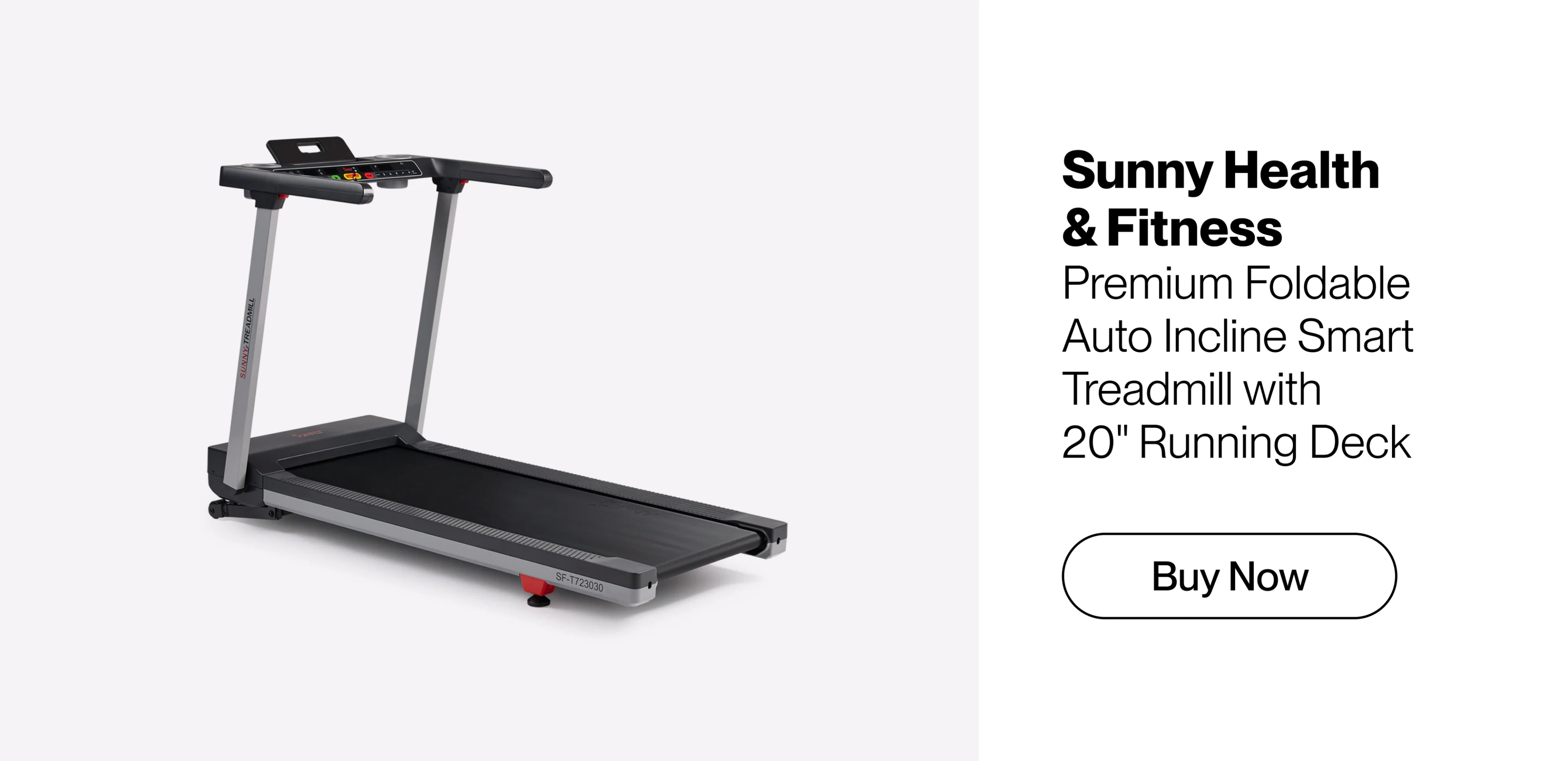
Walking and running are among the most accessible forms of physical activity, and both have been consistently linked to improved mental health outcomes. Regular aerobic exercise is associated with reduced symptoms of stress, anxiety, and depression, while also supporting the release of endorphins and regulation of mood-related neurotransmitters.
However, environmental factors such as weather, safety, or time constraints can make it difficult to maintain a consistent outdoor routine. A treadmill can help address these barriers by providing a reliable, controlled environment for movement at home.
This model offers a balance of convenience and functionality. Its foldable design supports easy storage, while the 20-inch running deck provides a stable surface for both walking and running. With 15 levels of incline, users can also adjust workout intensity to match their fitness level or specific goals. The unit also comes fully assembled, reducing setup time, and includes Bluetooth connectivity for guided workouts or immersive training experiences.
Sunny Health & Fitness - Premium Smart Programmable Electro-Magnetic Resistance Recumbent Elliptical Cross Trainer
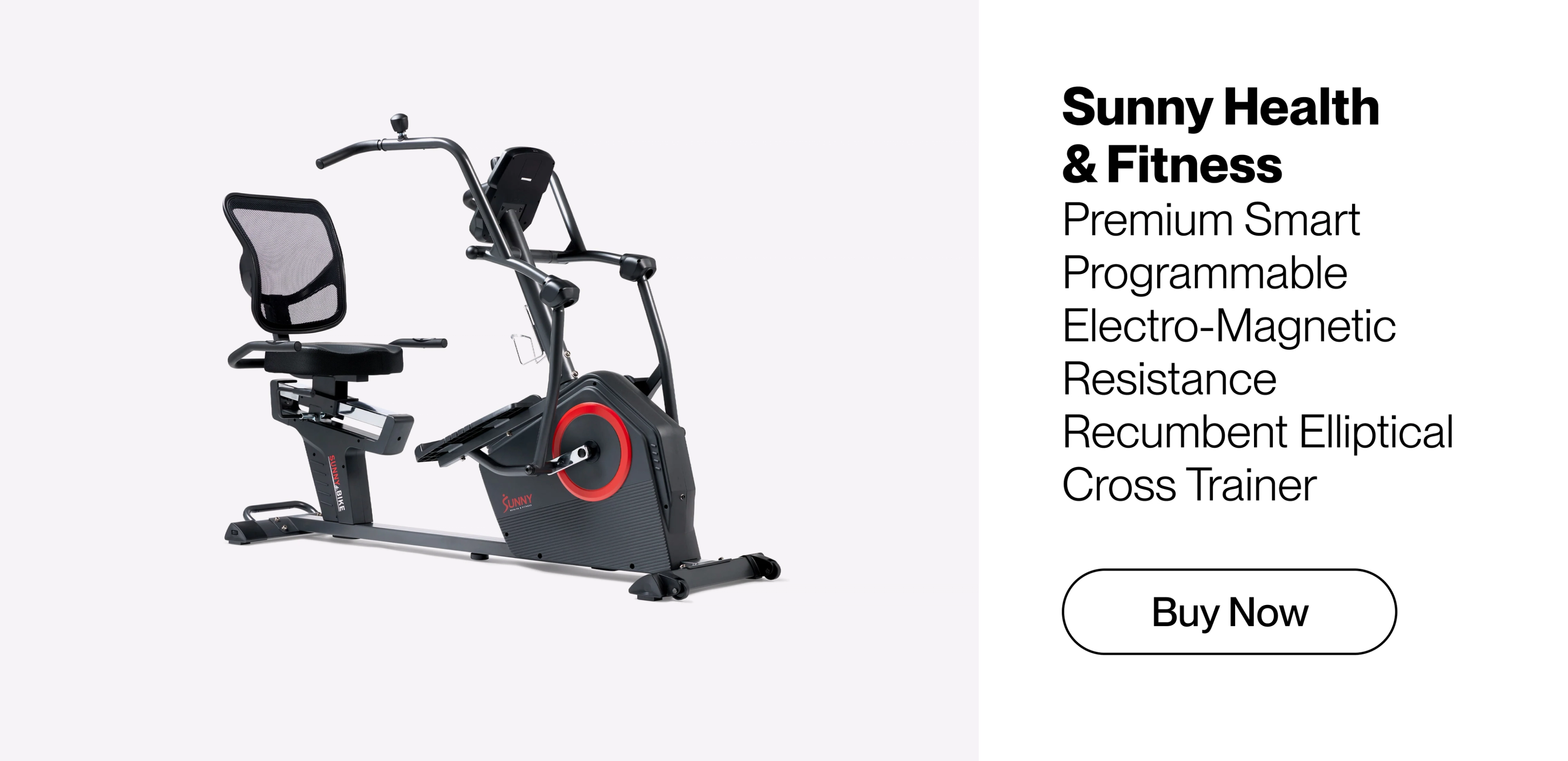
Next, this smart recumbent elliptical cross trainer offers a low-impact way to stay consistent with movement, especially on days when energy or motivation is lower. The seated design provides added comfort and stability, making it more accessible for a wider range of users.
The elliptical motion engages both the upper and lower body, creating a more balanced, full-body workout than a traditional recumbent bike. With programmable electro-magnetic resistance and built-in features like preset workouts and progress tracking, it’s easy to adjust intensity, stay motivated, and build a routine that supports both physical and mental well-being over time.
Sunny Health & Fitness - Foldable Compact Smart Step Climber
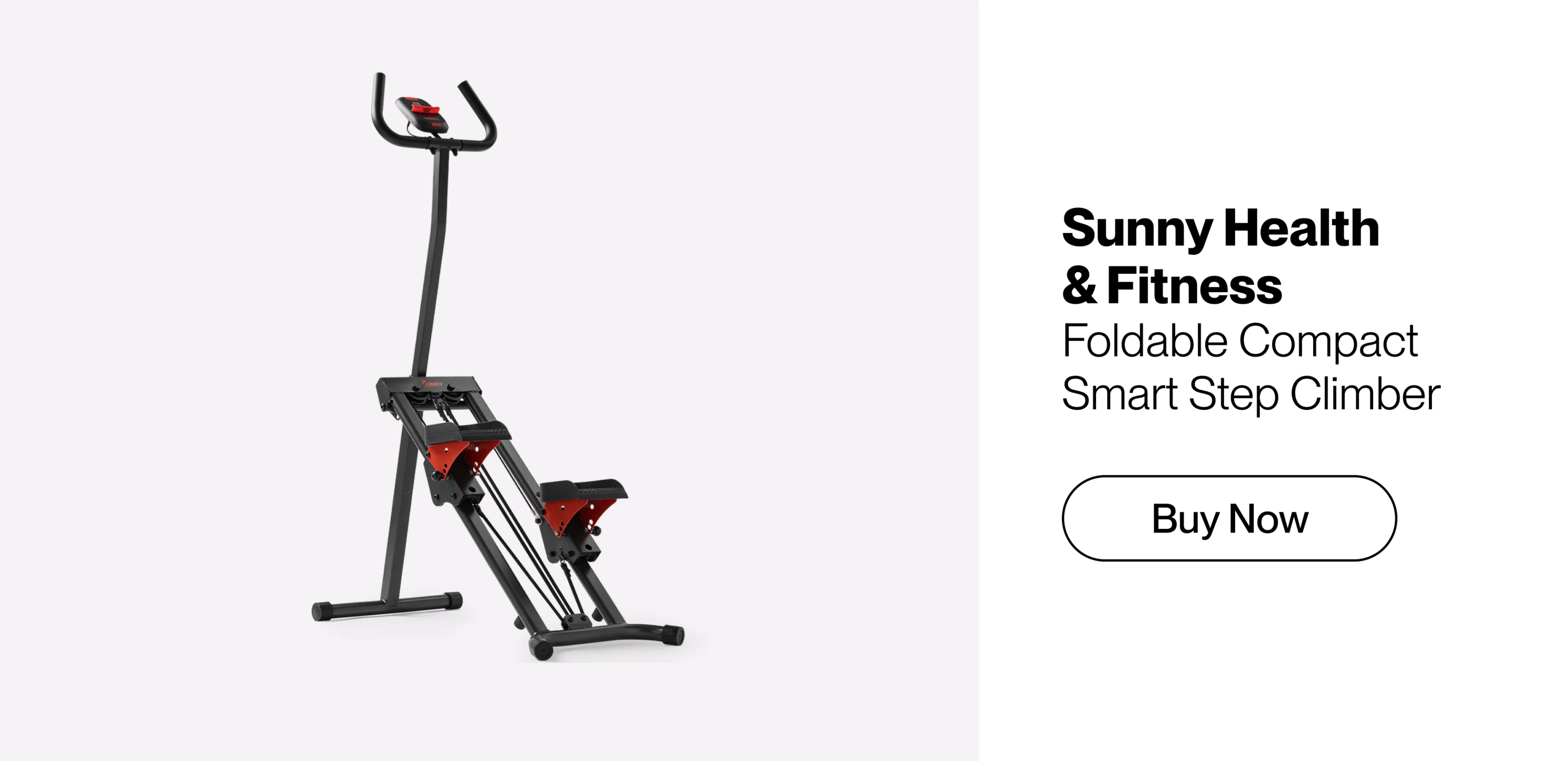
If you need a more compact option to get moving, this smart step climber is an easy and effective choice. It’s simple to use, easy to store, and ready whenever you need a quick workout, making it ideal for fitting movement into a busy day. Its foldable design works well in smaller spaces, while the sturdy frame provides stability during use.
Designed to strengthen the lower body and core, it also helps build cardiovascular endurance over time. An easy-to-read display makes it simple to track your progress and stay consistent as you build a routine.
How to Use Your HSA/FSA for Eligible Fitness Equipment Purchases
If you’re ready to use your HSA or FSA to purchase fitness equipment, Truemed makes the process straightforward. Simply add your item to the cart and choose Truemed as your payment option at checkout, then complete your purchase using your HSA/FSA card.
It’s also helpful to remember the difference between the two accounts. An HSA is individually owned and stays with you even if you change jobs, while an FSA is employer-sponsored and is usually forfeited when you leave your position. Contribution limits can vary as well—HSA funds roll over year to year without expiring, whereas FSA funds typically must be used within a set timeframe.
If you’ve been unsure about using your HSA or FSA for a fitness or mental health purchase, these distinctions may make the decision a bit clearer.
Making the Most of Your HSA/FSA for Mental Health
Caring for your mental health doesn’t have to be separate from your financial planning. As you’ve seen, your HSA or FSA can be a practical tool for supporting both clinical care and movement-based habits that can make a serious difference for people dealing with diagnosed mental health conditions.
Whether it’s therapy, prescribed treatment, or fitness equipment that supports a documented need, these accounts give you a way to invest in your health using pre-tax dollars. With the right guidance and documentation, you can build a routine that not only fits your lifestyle but also feels sustainable long term.
By aligning your mental health and movement goals with how you use your HSA or FSA, you’re not just covering expenses, you’re creating a more consistent, accessible approach to feeling better day to day.
References
- American Psychological Association. (2020, March 4). Working out boosts brain health. https://www.apa.org/topics/exercise-fitness/stress
- American Psychological Association. (n.d.). Exercise and stress. https://www.apa.org/topics/exercise-fitness/stress
- Sleep Foundation. (2025, July 29). Exercise and sleep. https://www.sleepfoundation.org/physical-activity/exercise-and-sleep
- Parsons, C. E., Schofield, B., Batziou, S. E., Ward, C., & Young, K. S. (2022). Sleep quality is associated with emotion experience and adaptive regulation of positive emotion: An experience sampling study. Journal of Sleep Research, 31(4), e13533. https://doi.org/10.1111/jsr.13533
- UCLA Health. (2026, March 11). How a daily routine can boost your mental health. https://www.uclahealth.org/news/article/how-daily-routine-can-boost-your-mental-health
- McAuley, E., Blissmer, B., Katula, J., Duncan, T. E., & Mihalko, S. L. (2000). Physical activity, self-esteem, and self-efficacy relationships in older adults: A randomized controlled trial. Annals of Behavioral Medicine, 22(2), 131–139. https://doi.org/10.1007/BF02895777
FAQ
Yes, but with a caveat. Fitness equipment is considered a "dual-use" product, meaning its primary purpose isn't strictly medical. To use pre-tax HSA or FSA dollars, you'll need a Letter of Medical Necessity (LMN) from a licensed clinician explaining how the equipment supports treatment for a specific condition, such as anxiety, depression, or chronic stress.
Research consistently supports the connection. Regular physical activity stimulates endorphin release, supports neurotransmitters like serotonin and dopamine, helps regulate cortisol, and improves sleep — all of which play a role in managing symptoms of anxiety and depression. Exercise is often recommended alongside traditional treatments rather than as a replacement.
The qualification process is the same — both require an LMN for fitness equipment. The main differences are in how the accounts work. HSA funds roll over indefinitely and stay with you between jobs, giving you more flexibility on timing. FSA funds typically expire at year-end and are tied to your employer, so if you have FSA dollars to use before they're forfeited, fitness equipment can be a way to put them toward long-term health.


See what you can do with your HSA/FSA.
Join 1.5 million Americans who have routed their healthcare dollars toward root cause health via Truemed's HSA/FSA marketplace.
New product announcements
Sales and special offers
Tips for utilizing your HSA/FSA
Editorial Standards
At True Medicine, Inc., we believe better health starts with trusted information. Our mission is to empower readers with accurate and accessible content grounded in peer-reviewed research, expert insight, and clinical guidance to make smarter health decisions. Every article is written or reviewed by qualified professionals and updated regularly to reflect the latest evidence. For more details on our rigorous editorial process, see here.