
Berberine Benefits & Effects on Blood Sugar, Weight & Health
Author:Mia Taylor
Reviewed By:Michaela Robbins, DNP
Published:
June 22, 2026
Last Updated:
September 17, 2026
Truemed writers and editors independently evaluate all our product recommendations. If you make a purchase through any affiliate links we provide, we may receive compensation. Learn more.



Key Takeaways
Hundreds of years of use: Berberine is a traditional Chinese medicine that's been used for more than 400 years. Studies have shown that berberine may have a variety of potential benefits including aiding in weight loss and blood sugar control.
Gut health benefits: Berberine can also support gut health, which helps to promote overall health and fend off the onset of serious disease.
Not a prescription replacement: Berberine is not equivalent to GLP-1 medications and should not be seen as a replacement for prescription treatment.
The supplement industry is famous for making many claims about the benefits of its products, which can make it challenging to sort through the hype. Berberine, a compound found in a long list of plants, is a supplement that's been promoted to help with weight loss, control blood sugar and cholesterol, and support gut health. And the good news is there are some promising studies that have documented these benefits.
"Beberine is a plant-derived compound found in herbs such as goldenseal, barberry, Oregon grape, and tree turmeric. It is a well studied nutrient with strong clinical evidence for improving glucose metabolism, lowering cholesterol and triglycerides, and improving insulin resistance, with newer research showing benefits for gut health, and inflammation," says Jason Winkelmann, ND, of True Health Centers.
Of course, like any medication or supplement, berberine is far from being a cure-all. The benefits of taking it can vary from person to person based on a variety of factors. This guide will provide a closer look at some of those benefits, along with covering whether berberine can be purchased using your health savings account (HSA).

What is berberine?
Berberine is a natural substance known as an alkaloid that's found in nature. Alkaloids are extracted from various plants, among them goldenseal, barberry, and Oregon grape, according to the National Center for Complementary and Integrative Health. A longtime staple in Ayurvedic and Chinese medicine, berberine has been used as an herbal remedy to treat ailments ranging from inflammation to auto-immune diseases and dysentery.
According to the Mayo Clinic, berberine works "at a cellular level," including by activating an enzyme in the body that's known as the metabolic master switch, whose proper name is AMP-activated protein kinase."By stimulating this enzyme, berberine may help improve various metabolic functions, including glucose uptake, fat oxidation, and insulin sensitivity," Mayo Clinic explains.
The benefits of berberine
While berberine has been part of Eastern medicine for hundreds of years, it's benefits have only recently been discovered and studied by Western medicine. Initial studies have delved into its potential to treat diabetes, assist with weight loss, reduce inflammation, reduce the risk of colorectal cancer, and promote gut health, among other things.
"What makes berberine interesting is that it appears to work across multiple systems at the same time," says Melanie Keller, ND with Studio Partner and Intuitive Edge Doctor. "The strongest evidence currently centers around blood sugar regulation, insulin sensitivity, cholesterol and triglyceride support, and broader metabolic health markers. Some studies have also shown modest support for body composition and waist circumference when paired with nutrition and lifestyle changes."
Let's dive a little deeper into some of those potential benefits.
Blood sugar management: Studies have shown that berberine may be effective in helping to lower blood sugar levels in individuals who are impacted by type 2 diabetes. In particular, the use of berberine may improve one's insulin sensitivity, while also reducing production of glucose in the liver.
"Berberine is most well known and researched for its role in blood sugar regulation, insulin sensitivity, and lipid management," explains Dr. Erika Gray, PharmD, founder and chief medical Officer at ToolBox Genomics.
"Several meta-analyses of berberine consistently found reductions in fasting blood glucose and HbA1c (a measure of average blood sugar) in people with type 2 diabetes," adds Gray. "One comprehensive review of randomized controlled trials found statistically significant reductions in HbA1c, fasting plasma glucose, and post-meal blood glucose when berberine was used either alone or alongside standard diabetes medications."
Cholesterol and triglyceride support: Yet another well-researched benefit of berberine is cholesterol management. In particular, berberine has been found to lead to significant reductions in total cholesterol, along with LDL cholesterol and triglycerides. LDL cholesterol, which stands for low-density lipoproteins, is often referred to as the "bad" cholesterol because its presence can cause buildup in arteries. Triglycerides can be high as a result of consuming significant amounts of starchy foods (think: bread, pasta, potatoes and the like), which convert to sugar in your body.
"Evidence suggests that berberine may help lower LDL (“bad”) cholesterol, lower triglycerides and slightly increase HDL (“good”) cholesterol," explains Adiana Castro, MS, RDN, a bariatric clinical dietician with Weill Cornell Medicine and founder of Compass Nutrition. "Bad cholesterol can build up in arteries over time. Triglycerides are a type of fat in the blood that can increase heart disease risk when levels are too high."
Increasing HDL cholesterol, meanwhile, is beneficial because it helps remove excess cholesterol from the bloodstream, adds Castro.
Modest weight-management support: Perhaps one of the buzziest potential benefits associated with using berberine is its ability to aid in weight loss. Studies in relation to berberine and obesity have supported this potential, pointing out that its use can be a budget friendly way to help support for "obesity management, particularly in resource-limited settings."
But before you rush out and purchase a bottle of berberine, know that many experts say the weigh-loss resulting from its use is often limited, despite the fact that it's often marketed as "nature's Ozempic."
"I think it’s important to keep expectations realistic. Berberine is not a magic fat-loss supplement, but some people do notice modest support with appetite regulation, reduced cravings, improved metabolic flexibility, or changes in waist circumference over time," says Keller.
Yoon Hang Kim, MD, says comparing berberine to Ozempic, while being "catchy" is incorrect. "GLP-1 medications produce around 15% body-weight loss in trials; berberine is a different category of intervention entirely. It should never be used to replace prescribed medication," says Kim.
According to the National Center for Complementary and Integrative Health: "Effects on weight were seen primarily in people who took berberine in doses of more than 1 gram per day and for more than 8 weeks."
Make sure the berberine you use is third-party tested and the right dosage to see meaningful change in the prevention or management of the relevant disease—and consult with your clinician before trying it!
Gut-health and microbiome benefits: Gut health is critical to overall health and here too, studies have shown that berberine has the potential to be beneficial. Here's why: Your gut microbiota (GM) GM plays an important role in regulating body health. And when you experience gut dysbiosis, or an alteration of the quality and/or quantity of GM, it can influence your physiology and even lead to the onset of disease. In particular, GM "plays a role in homeostasis and may exert positive influence on immune responses and prevent the development of inflammatory diseases." Research indicates that berberine may help regulate gut health by reducing harmful bacteria, while also supporting growth of good bacteria.
"Berberine has been shown to increase the level of beneficial bacteria and decrease levels of pathogenic bacteria in the gut," Winkelmann explains. "Berberine also helps increase short chain fatty acid production (a byproduct of beneficial bacteria) .which strengthens the intestinal barrier and decreases inflammation."

What berberine cannot do
So now that we've covered some of the potential benefits of berberine, let's take a moment to explore what it cannot do. First and foremost, berberine It is not equivalent to GLP-1 medications or metformin used to treat type 2 diabetes and obesity and should not viewed in this light.
"Berberine is not equivalent to GLP-1 medications, and it should not be presented as a replacement for prescription treatment when medical management is necessary," stresses Keller.
"It’s also important to remember that supplements work within the context of the entire metabolic picture," Keller continues. "If someone is sleeping five hours a night, highly sedentary, chronically stressed, under-eating protein, or constantly spiking blood sugar, no supplement is going to override that physiology."
Castro offers similar advice, pointing out that "berberine does not have the same effects on weight loss as GLP-1 medications."
"GLP-1 medications have been shown to clinically impact appetite, body weight and blood sugar management," says Castro, adding that "lifestyle basics still matter alongside any supplement plan."
"No supplement can outrun poor lifestyle habits," explains Castro. "The foundation of metabolic health will always be adequate protein intake, fiber-rich foods, joyful movement, quality sleep, and regular stress management. Berberine, like any other supplement, does not replace these lifestyle and nutrition behaviors."
Bottom line: Berberine should not be seen as a replacement for any prescribed treatment. Medication changes should only be made by a prescribing healthcare provider.
Who may consider berberine, and what to check first
So who should consider using berberine and when? Experts say it can be appropriate in various cases. That includes for individuals who have "borderline-high fasting glucose, early insulin resistance, or mildly elevated lipids" says Kim. Conversely, berberine should not be used by those who have established diabetes or individuals who are already on several medications, Kim adds.
Reviewing the medications you're currently taking and how they may be impacted by berberine is an essential first step, one Kim says should not be viewed as optional. This is especially important because berberine can change the blood levels of many drugs — diabetes medications, blood thinners, blood pressure drugs, and more.
"A pharmacist review of your full medication list is a smart, simple step, and dosing and monitoring really do warrant working with a healthcare provider" says Kim.

How to use berberine
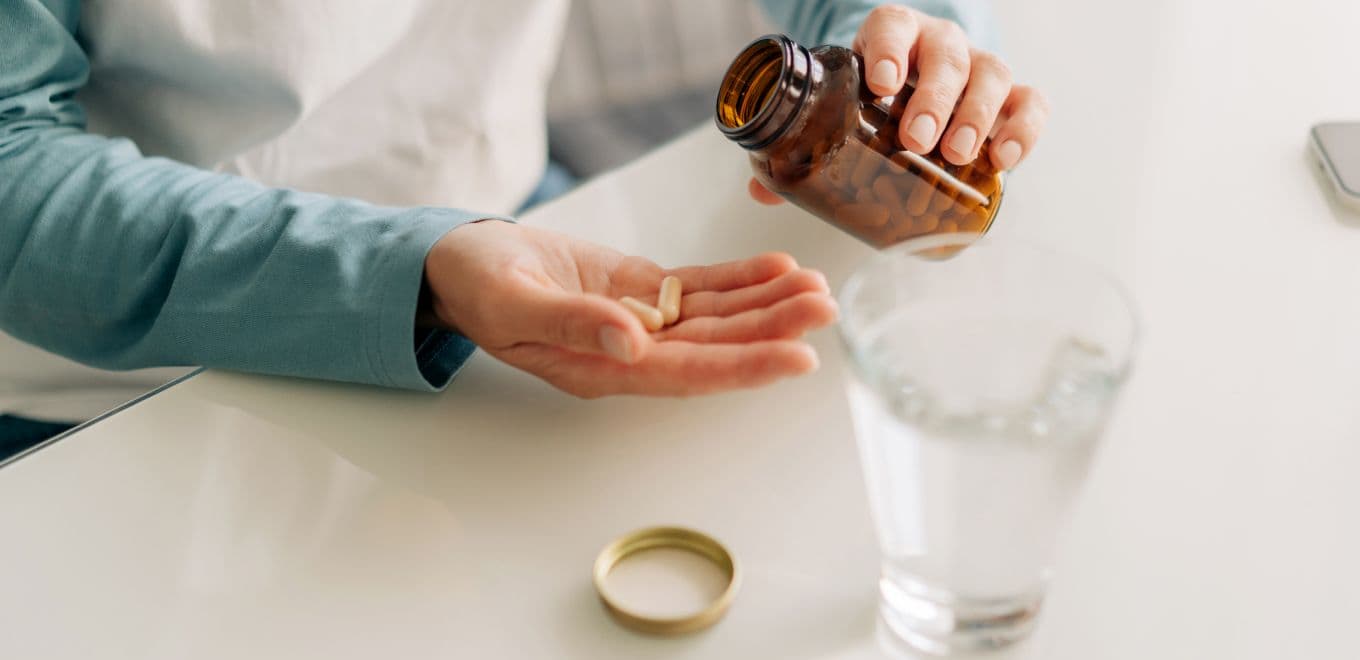
Berberine is most widely available in 500 mg capsules or tablets. Work with a healthcare provider to pinpoint the best starting dose for you. Most individuals when starting this supplement begin with low doses and wait a few weeks before increasing, advises Kim.
"The rule is to start low, assess, then adjust," explains Kim. Eventually you can build up, under the supervision of your clinician, if your body tolerates it. Moreover, it's important to split the dose over a few meals, which is better for both your stomach and to maintain steadier blood levels.
Finally, Kim advises always taking berberine with food, never on an empty stomach.
Recommended Truemed products related to berberine benefits
Now that we've covered all of its potential benefits, here's a closer look at some of the berberine related products available on Trumed.
Gaia Herbs Berberine & Milk Thistle
Best for: Gaia's Herbs Berberine & Milk Thistle may be helpful for readers seeking a berberine option paired with liver-support.
Luma Nutrition Berberine Supplement
Best for: Luma Nutrition's berberine supplement provides a straightforward berberine-only option with a simple formulation.
Best for: An option for users who are focused on daily metabolic-support routines, Durable BERBERINE provides an enhanced-formulation and longer, 90-day, supply.Thorne Berberine
Best for: Thorne Berberine offers a good option for users seeking metabolic, heart, glucose and GI support in one supplement. The Thorne option also contains both berberine HCl & phytosome for absorption.
How It Works with HSA/FSA and Truemed
After reading about all the potential benefits of berberine, you may be wondering whether your HSA savings can be used to pay for supplements. The answer is, it depends.
In general, HSA funds are meant to cover out-of-pocket medical expenses that are medically necessary to treat or prevent your disease. In some cases, that can include paying for supplements if they're being used to treat a specific health problem. Think: iron supplements to treat anemia or probiotics for digestive issues.
When they're recommended or prescribed by a health care provider, these types of vitamins and supplements can be paid for with HSA funds. In such cases, a Letter of Medical Necessity (LMN) from your healthcare provider is often required to establish the medical need for the supplement and get reimbursed by your HSA for the expense.
Truemed specializes in helping you maximize your HSA and other health-related benefits. If you're curious about whether a berberine purchase might be covered by your HSA or FSA, a great place to start is by checking out potentially HSA/FSA-eligible products on Truemed.com. You may qualify to use HSA/FSA funds for your purchase and a Letter of Medical Necessity (LMN) from a licensed clinician can be used to document why berberine is needed to treat a specific condition.
Truemed can guide you through this purchase process. Here's what it entails:
- When you click on a berberine product in the Truemed marketplace that you're interested in, you’ll be redirected to the merchant’s site. At that point, be sure you select "pay with HSA/FSA funds at checkout."
- Next, you’ll complete an intake survey that will be reviewed by an independent licensed healthcare provider. If the purchase is deemed medically necessary to prevent or treat disease, you’ll be able to obtain an LMN and pay with your HSA or FSA funds.
- You can purchase the item using your HSA/FSA card at checkout, or pay out of pocket and submit for reimbursement later. If you pay out of pocket, save the transaction receipts to submit to your HSA administrator for reimbursement.
*Truemed is for qualified customers. HSA/FSA tax savings vary. Learn more at truemed.com/disclosures
The bottom line
Berberine has been shown to have a great deal of promise. Its many potential benefits include helping to control blood sugar, support gut health, and manage cholesterol. It can also help aid in weight loss, but that doesn't mean it's equivalent to Ozempic. If you're considering adding berberine to your health routine, be sure to consult a medical professional first.
FAQ
Recent studies have indicated that berberine may have a variety of benefits including potentially aiding in weight loss, helping to control blood sugar, supporting gut health and even may help to fight cancer.
While berberine has many potential benefits, its use can also cause some side effects ranging from cramps and diarrhea to constipation, gas, nausea and bloating, according to the National Center for Complementary and Integrative Health.
Taking the proper dose of berberine and the timing of when you take it is important. Experts typically recommend starting with a low dose and adjusting as needed under the supervision of your healthcare provider. It's also best to take berberine just before eating or with food. In addition, it's important to avoid combining berberine with other medications without consulting a medical professional. This includes diabetes, blood pressure, blood thinner or liver-metabolized medicines.
Berberine can be HSA/FSA eligible, but it depends on how it's being used. Under IRS rules, over-the-counter supplements like berberine aren't automatically qualified medical expenses just because they're available for purchase. To use HSA/FSA funds, you generally need a Letter of Medical Necessity (LMN) from a licensed provider connecting the supplement to a specific health condition — for example, using it to support healthy blood sugar levels, manage cholesterol, or as part of a broader metabolic health protocol.

Editorial Standards
At True Medicine, Inc., we believe better health starts with trusted information. Our mission is to empower readers with accurate and accessible content grounded in peer-reviewed research, expert insight, and clinical guidance to make smarter health decisions. Every article is written or reviewed by qualified professionals and updated regularly to reflect the latest evidence. For more details on our rigorous editorial process, see here.