
HSA Eligible Baby Items: What's Covered and How to Unlock More for Mom & Baby
Author:Kennedy Coleman
Published:
June 12, 2026
Last Updated:
August 11, 2026
Truemed writers and editors independently evaluate all our product recommendations. If you make a purchase through any affiliate links we provide, we may receive compensation. Learn more.



Key Takeaways
HSA/FSA dollars cover far more of your family's health than the basics: Beyond thermometers and Tylenol, your pre-tax funds can reach formula, smart sleep tech, air quality, prenatal vitamins, and more, if qualified.
A Letter of Medical Necessity (LMN) is the unlock: For products that aren't automatically eligible, an LMN from a licensed clinician could be the unlock to help qualified customers access additional family health tools.
Standard baby formula and diapers generally aren't eligible, but there are real exceptions.: Specialized or medically necessary formula can qualify with documentation, even though everyday formula and plain diapers are treated as general-use items.
Key Takeaways
What makes a baby item HSA/FSA eligible?
Can you use your HSA/FSA on your baby's expenses?
Is baby formula HSA eligible?
Explore potentially HSA/FSA eligible products for baby
Explore potentially HSA/FSA eligible products for growing kids
Explore potentially HSA/FSA eligible products for mom
Put your HSA/FSA to work for your whole family
FAQ
Shop Eligible Products
Ready to unlock your HSA/FSA funds for qualified medical expenses?
A healthy family is expensive before you ever set foot in a pediatrician's office. In 2025, the average cost of raising a child under five reached $27,743 a year, and in the priciest states it now tops $44,000. That's on top of prenatal care and the cost of pregnancy itself, and it’s why so many parents feel the squeeze in the very first months.
Thankfully, there are ways to lower the out of pocket costs of raising a healthy child, and one area many families overlook is their Health Savings Account (HSA) or Flexible Spending Account (FSA). These tax advantaged accounts can cover far more of your family's health needs than the obvious thermometer and Tylenol. Breast pumps, prenatal vitamins, smart sleep tech, humidifiers, and more may be eligible for HSA/FSA spending, saving customers an average of 30% versus paying out of pocket.
The catch is that eligibility isn't a single fixed list. Some items are always eligible, while many more become eligible once a healthcare provider documents the medical need in a Letter of Medical Necessity (LMN). Understanding that distinction is how you turn your HSA/FSA into a real tool for your whole family, from bump to baby to growing kid. Let's break it down.
What makes a baby item HSA/FSA eligible?
The IRS standard, in plain English: a qualified medical expense must be primarily to treat, prevent, diagnose, or mitigate a medical condition, not for general health or wellness. That single rule explains almost every "yes," "no," and "it depends" you'll run into when trying to spend your HSA funds on baby gear.
In practice, baby and family health products fall into two buckets:
1. Always eligible. Items that are inherently medical, including breast pumps, nasal aspirators, thermometers, infant pain relievers. These products typically do not require additional documentation meaning you can just pay with your HSA/FSA card and you’re done.
2. Potentially eligible with a Letter of Medical Necessity (LMN). This is the bucket most parents don't know about. Many high-quality baby health products are "dual-use,” meaning they serve a general purpose and support a genuine medical need for some babies and mothers. When a licensed provider documents that connection in an LMN, those products may be HSA/FSA eligible.
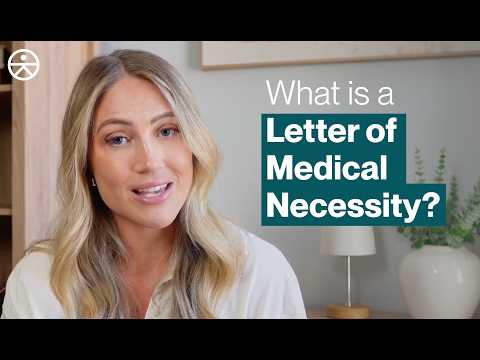
So what's a Letter of Medical Necessity?
A letter of medical necessity is a formal document from a licensed healthcare provider explaining why a particular product, treatment, or service is necessary to cure, treat, mitigate, or prevent the patient's health [or medical] condition.
Traditionally, getting one meant booking a doctor's visit and chasing paperwork. But thanks to platforms like Truemed*, qualified customers can acquire a letter of medical necessity in the checkout flow for the desired health tool, no in person visit required.
Remember, the rules for spending your HSA/FSA on yourself are different than spending those funds on someone else. We’re dive deeper into the rules of spending pre-tax HSA/FSA funds on a dependent below.
Here’s how it works with Truemed:
- First, you can check whether a product or service is normally considered a qualifying medical expense or whether you might need an LMN.
- Complete a health intake survey that will be reviewed by an independent licensed clinician.
- Buy the item; either pay directly with your HSA/FSA card at checkout, or pay with a regular credit/debit card and seek HSA/FSA reimbursement afterward.
- The independent licensed clinician will review your medical history, and if you qualify, will issue an LMN. Truemed itself does not make eligibility determinations.
- Truemed also offers support in the event you get a denial of reimbursement and need to provide substantiation documentation.
*Truemed is for qualified customers. HSA/FSA tax savings vary. Learn more at truemed.com/disclosures
Can you use your HSA/FSA on your baby's expenses?
Yes, generally you can use your HSA or FSA funds on your baby’s health and medical expenses, but eligibility depends on your baby being a "tax dependent," which is a narrower category than you might expect. Your HSA or FSA can be used tax free on qualified medical expenses for yourself, your spouse, and anyone who qualifies as your tax dependent under IRC Section 152.
A newborn qualifies as a tax dependent from birth, as long as they live with you and you provide more than half their support. You don't need to have added them to your insurance plan yet, and you don't need a Social Security number in hand to start using HSA/FSA funds on their care.
Where this gets confusing is with older kids. Under the ACA's dependent coverage rule, a child can stay on a parent's health insurance until age 26, even if the parent doesn't claim them as a tax dependent. But that's a different rule from the tax dependent test that governs HSA/FSA reimbursement. To count as a tax dependent, a child generally needs to meet the IRS's qualifying child test which means they are under 19, or under 24 if a full-time student, and not providing more than half of their own support. Parents sometimes assume “on my insurance” means “covered by my HSA,” but it doesn’t always work that way.
The bottom line for new parents is that your baby counts from day one, and many medically necessary baby items are HSA/FSA eligible, helping save on those expensive newborn costs in the first year of life.
Is baby formula HSA eligible?
Short answer: standard baby formula is generally not HSA/FSA eligible as a routine grocery. However, baby formula may be eligible for qualified customers when linked to a medical need and supported by appropriate documentation.
The IRS treats ordinary formula the way it treats regular food: a normal cost of living, not a medical expense. So a tub of standard formula off the shelf typically can't be reimbursed on its own.
Here’s where this changes:
- Medically necessary or specialized formula. When a child has a diagnosed condition, like a metabolic disorder, severe allergy, malabsorption, or similar, and a provider prescribes a specialized formula, the incremental cost (the difference between the special formula and ordinary formula) can qualify with proper documentation.
- With a Letter of Medical Necessity. If a provider documents that a specific formula supports your child's specific health needs, an LMN may support reimbursement of qualifying costs.
Featured: Bobbie Formula
Bobbie is the only female-founded and mom-led baby formula company for parents who prefer simple and healthy ingredients for their little ones. European style organic baby formula that meets the U.S. FDA's nutritional requirements, Bobbie uses only the finest premium ingredients to ensure the best nutrition for your baby. Bobbie may be HSA/FSA eligible for qualified customers. See if you qualify →

Explore potentially HSA/FSA eligible products for baby
These products support real health needs for babies, like sleep, skin, and air quality, and may be HSA/FSA eligible when a provider documents a connection to medical need.
Happiest Baby SNOO Smart Sleeper
The SNOO is a responsive bassinet that detects fussing and soothes babies back to sleep with gentle motion and sound, while keeping babies safely on their backs through built-in swaddle clips. See if you qualify →

Hatch Sleep Tools
Hatch teaches the whole family better sleep habits with its science-backed smart sleep devices and original sleep audio content to help you unwind, sleep deeply and rise rested. See if you qualify →

Canopy Baby Bathtub Filter
Easy-to-install Baby Bath Tub Filter that reduces chlorine and irritants for gentler baths. Made with FDA grade BPA-free silicone, it doubles as a spout cover and temperature indicator, bringing extra protection and peace of mind to every bath. See if you qualify →

Molekule Air Filter
Air quality is one of the most overlooked aspects of everyday health. Molekule and Mo make it easier to monitor, understand, and improve the air in your home, especially important for infants with growing respiratory and immune systems. See if you qualify →

Explore potentially HSA/FSA eligible products for growing kids
Family health doesn't stop at infancy. These products support older children's physical, nutritional, and emotional health, and may be eligible for HSA/FSA spending with appropriate documentation.
Billy Footwear
Billy Footwear creates stylish, functional shoes featuring a unique zipper design that opens fully for easy on-and-off access, which is ideal for children with mobility challenges. See if you qualify →

Woom Bikes
Lightweight, properly sized kids' bikes support physical activity, motor development, and healthy weight. See if you qualify →

Good Inside
Get year-round, 24/7 parenting support with Good Inside, the evidence-based parenting app and platform from Dr. Becky Kennedy, clinical psychologist and mom of three. See if you qualify →

Explore potentially HSA/FSA eligible products for mom
A healthy family starts with a healthy parent, and maternal health is a core part of the picture whether it’s before, during, or long after pregnancy. These products support the mom's nutritional and recovery needs and may be eligible with an LMN.
Explore more HSA/FSA eligible women’s health tools in HSA/FSA-Eligible Women's Health Products: The 2026 Guide to What Actually Qualifies.
Ritual Essential Postnatal Multivitamin
Ritual's Essential Postnatal is a multivitamin designed to support nutrient needs during the postpartum period and throughout breastfeeding, containing 15 traceable nutrients in a vegan capsule with a citrus-flavored tab. See if you qualify →

WeNatal for Her Prenatal
Support your health before, during, and after pregnancy. WeNatal for Her delivers 24 essential nutrients in optimal, absorbable forms to support you from preconception through pregnancy and breastfeeding. See if you qualify →

Put your HSA/FSA to work for your whole family
Your HSA/FSA dollars exist to support your family's health, not just line items on a receipt from a pharmacy. From formula and safe sleep to prenatal nutrition, more of your baby and family care may qualify than you'd expect, especially once a Letter of Medical Necessity is in play.
Explore the Truemed marketplace to see which products qualify for your family, and start putting those pre-tax dollars to work.
FAQ
Standard formula generally isn't eligible as a routine grocery, but specialized or medically necessary formula prescribed for a diagnosed condition may be eligible, or partially eligible, with appropriate documentation.
Sometimes. Some advanced monitors that track baby’s vitals are sometimes HSA/FSA eligible. Check with your HSA/FSA provider to be certain which baby monitors qualify.
Car seats are generally not considered an eligible medical expense. However, certain car seats designed for children with particular medical needs could be HSA/FSA eligible.



See what you can do with your HSA/FSA.
Join 1.5 million Americans who have routed their healthcare dollars toward root cause health via Truemed's HSA/FSA marketplace.
New product announcements
Sales and special offers
Tips for utilizing your HSA/FSA

Editorial Standards
At True Medicine, Inc., we believe better health starts with trusted information. Our mission is to empower readers with accurate and accessible content grounded in peer-reviewed research, expert insight, and clinical guidance to make smarter health decisions. Every article is written or reviewed by qualified professionals and updated regularly to reflect the latest evidence. For more details on our rigorous editorial process, see here.