
Are E-Bikes HSA/FSA Eligible?
Author:Dor Korngold
Published:
June 08, 2026
Last Updated:
October 06, 2026



Key Takeaways
Eligibility is conditional, not automatic: Select e-bikes qualify for HSA/FSA spending, but only for buyers who obtain a Letter of Medical Necessity (LMN) from a licensed clinician and meet certain health criteria.
Pedals are the deciding feature: Only Class 1 e-bikes (pedal-assist motor that engages while pedaling and cuts off at 20 mph) reliably qualify, because they require physical exertion. Class 2 (throttle), Class 3 (up to 28 mph), mopeds, and e-scooters generally don't.
Integrated checkout beats DIY reimbursement: Shopping with retailers that have built-in HSA/FSA processors like Truemed handles eligibility, documentation, and the LMN automatically at checkout, rather than leaving you to pay out of pocket and chase reimbursement yourself.
Shop Eligible Products
Ready to unlock your HSA/FSA funds for qualified medical expenses?
Health Benefits of E-Bikes
There's a lingering misconception that riding an e-bike is "cheating." Clinically speaking, that couldn't be further from the truth. Because e-bikes utilize pedal-assist technology, you control the exact amount of effort you exert on the pedals.
If you are recovering from surgery, managing joint pain, dealing with cardiovascular conditions, or navigating mobility limitations, an e-bike lets you keep moving when conventional exercise might be difficult or entirely impossible. Research shows that e-bike riders tend to ride more often and for longer distances than traditional cyclists, resulting in a much more consistent routine of low-impact aerobic activity. For doctors recommending moderate-intensity movement as part of a treatment plan, an e-bike is often the most accessible way for patients to hit those goals.
Eligible vs. Ineligible E-Bikes
The IRS has strict guidelines about what qualifies as medical equipment. When it comes to HSA eligible bikes, and more specifically HSA eligible e-bikes, eligibility almost always depends on one mechanical feature: the pedals.
- The compliant choice: To use your HSA or FSA, the bike typically needs to be a Class 1 model, meaning the motor kicks in only when you're actively pedaling and shuts off at 20 mph. Because they demand physical exertion from the rider, Class 1 bikes strongly support the medical case for use as mobility or exercise equipment.
- The ineligible list: Because they feature a throttle that allows movement without any physical exertion, Class 2 bikes are significantly harder to justify as medical equipment. Similarly, Class 3 bikes—which reach speeds up to 28 mph—generally exceed the thresholds set by eligibility guidelines. Note that mopeds and e-scooters are entirely excluded from coverage since they lack the pedaling requirement essential for proving medical necessity.
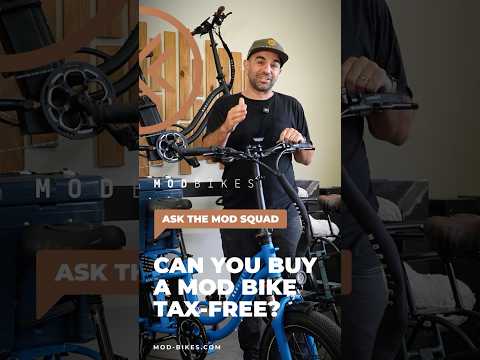
Learn more about e-bike eligibility from the MOD Bikes team in this short video explaining what makes an e-bike HSA/FSA eligible and how to unlock access, if qualified, with the help of Truemed.
What to Look for When Buying & How It Works
Finding a HSA/FSA eligible bike is only half the battle; the checkout process is where things usually fall apart. If an e-bike brand doesn't have a built-in system for accepting HSA/FSA payments, you are stuck paying out of pocket, securing your own documentation, submitting receipts to your plan administrator, and hoping the reimbursement clears.
It is significantly smarter to shop with retailers that have integrated HSA/FSA checkouts. Brands like MOD BIKES use HSA/FSA processors like Truemed to handle the entire eligibility process smoothly at checkout.
You simply browse for a bike, select the HSA/FSA payment option, and complete a health intake survey. An independent licensed clinician reviews your answers and, if you qualify, issues a Letter of Medical Necessity (LMN) to ensure your transaction is IRS-compliant. From there, you just pay with your HSA or FSA card, or with a regular credit or debit card, and submit for reimbursement later.
Qualified customers may be able to use HSA or FSA funds for potentially eligible fitness equipment, like select e-bikes, with Truemed*, but plan administrators make the final decisions around eligibility and reimbursements. For qualified customers shopping with Truemed, there is no additional cost on the platform because the cost of Truemed’s services is included in the purchase price.
*Truemed is for qualified customers. HSA/FSA tax savings vary. Learn more at truemed.com/disclosures.
How to Save with HSA
Let's talk numbers. High-quality e-bikes are a premium investment, typically running between $1,500 and $3,000. By tapping into pre-tax HSA or FSA funds, qualified buyers save an average of 30%*. On a $2,000 bike, that leaves $600 right back in your pocket.
The Ultimate Double-Dip Strategy:
You can actively stack these pre-tax savings with local utility or state rebates. Depending on your local government, the financial incentives are massive. Austin currently offers residents a $600 rebate; Honolulu offers $500; and Denver residents can claim up to $1,250. You can check if your city is on the list using the MOD BIKES Electric Bike Rebate Guide.
3 Best-Selling HSA/FSA-Eligible E-Bikes
If you're ready to upgrade your daily movement, here are three Class 1 models that check all the compliance boxes. They are built by MOD BIKES, a brand that has been designing and engineering premium electric rideables down in Texas since 2018. Aside from offering the seamless Truemed checkout, they back their bikes with a 5-year warranty, free continental US shipping, and dedicated US-local support. With tens of thousands of 5-star reviews, you're making a proven investment in your health.
MOD City+ Step-Thru 3 ($1,999)
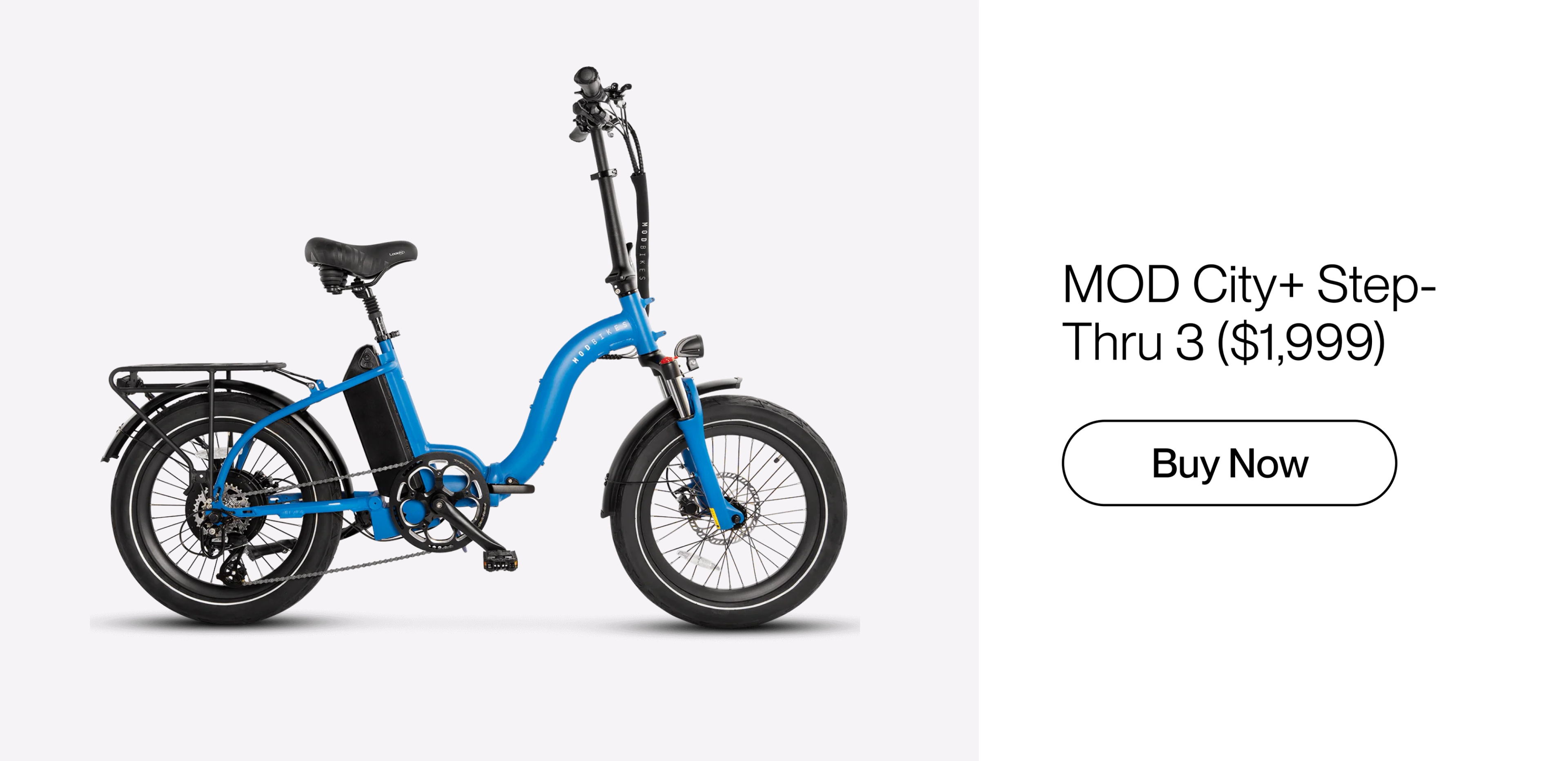
A folding, lightweight commuter featuring a step-thru frame for incredibly easy on and off. It uses a torque sensor for highly natural, responsive pedal assist, making it perfect for easing back into a daily routine safely. Average HSA/FSA savings: ~$600.
MOD Groove Step-Thru 3 ($1,999)
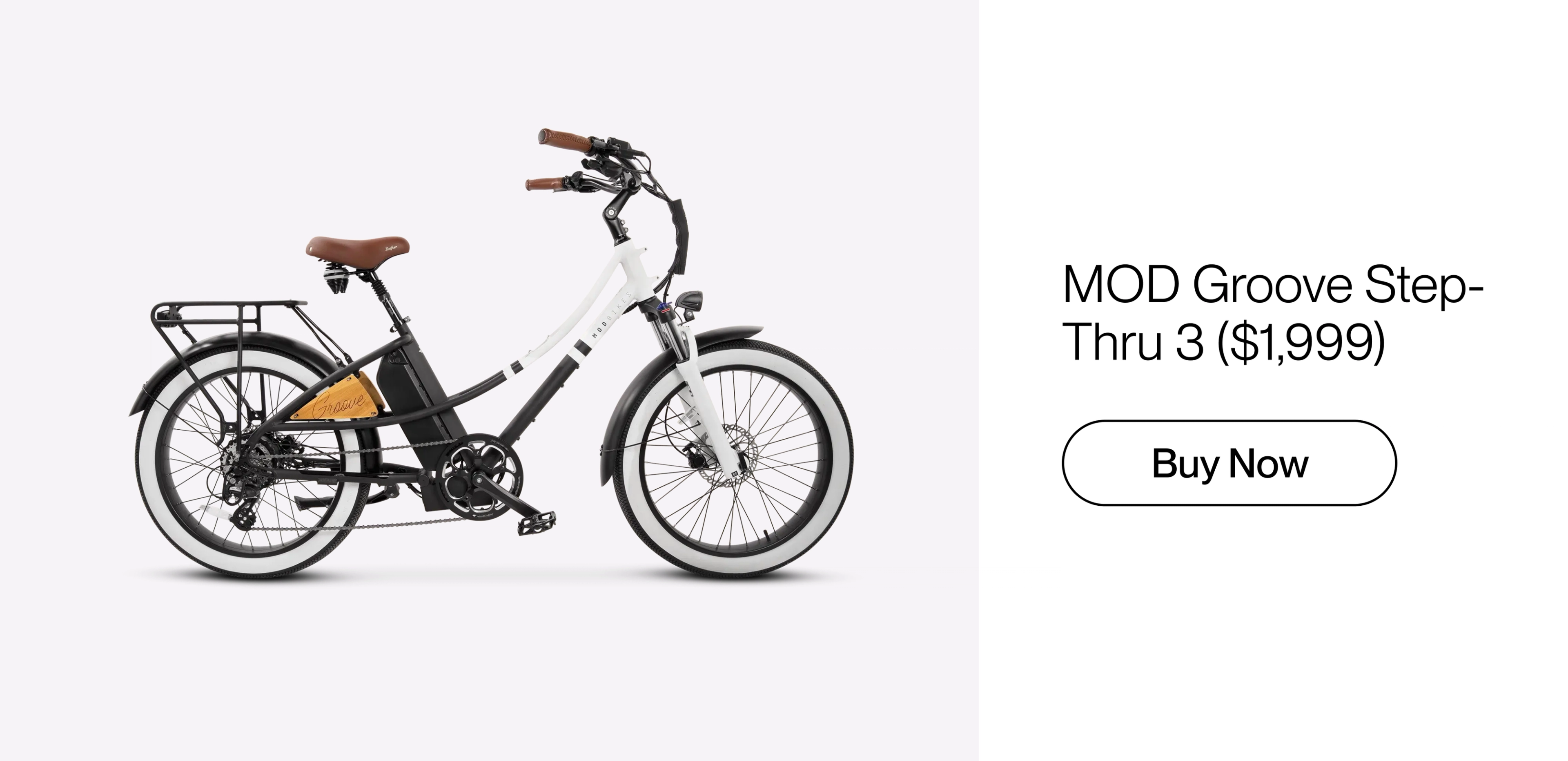
A classic beach cruiser built entirely around low-impact comfort. Outfitted with fat tires, an upright riding posture, and a step-thru frame, it is highly recommended for riders managing joint stiffness or mobility limits. Average HSA/FSA savings: ~$600.
MOD Easy SideCar 3 ($3,899)

The original sidecar e-bike. It is a uniquely functional choice if you need extra cargo capacity or want to bring a companion (or pet) along for the ride, all while safely getting your pedal-assist cardio. Average HSA/FSA savings: ~$1,170.
FAQ
You don't need a traditional pharmacy prescription, but you do need a Letter of Medical Necessity (LMN) from a licensed healthcare provider. If you shop through a Truemed-integrated retailer like MOD BIKES, this happens naturally during checkout. You fill out a telehealth survey, and if a provider determines the bike is medically appropriate for you, you’ll receive an LMN making the purchase eligible for HSA/FSA spending.
There isn't a rigid, exclusive checklist. However, conditions that frequently support an LMN for fitness equipment, like an e-bike, include obesity, cardiovascular disease, type 2 diabetes, osteoarthritis, joint pain, and post-surgical recovery. Ultimately, a licensed provider makes the final call based on your unique situation and whether low-impact aerobic exercise is recommended for you.
Generally, no. Your health funds cover the actual medical equipment—the bike itself—not accessories like baskets, bags, helmets, or locks. Fortunately, Truemed’s checkout system typically splits the payment automatically, so your HSA/FSA covers the eligible item and your standard credit card covers the rest of the cart.



See what you can do with your HSA/FSA.
Join 1.5 million Americans who have routed their healthcare dollars toward root cause health via Truemed's HSA/FSA marketplace.
New product announcements
Sales and special offers
Tips for utilizing your HSA/FSA
Editorial Standards
At True Medicine, Inc., we believe better health starts with trusted information. Our mission is to empower readers with accurate and accessible content grounded in peer-reviewed research, expert insight, and clinical guidance to make smarter health decisions. Every article is written or reviewed by qualified professionals and updated regularly to reflect the latest evidence. For more details on our rigorous editorial process, see here.