
Best Cooling Mattress Pad in 2026: Do They Work and How to Choose One
Author:Kennedy Coleman
Published:
July 17, 2026
Last Updated:
October 06, 2026
Truemed writers and editors independently evaluate all our product recommendations. If you make a purchase through any affiliate links we provide, we may receive compensation. Learn more.


Key Takeaways
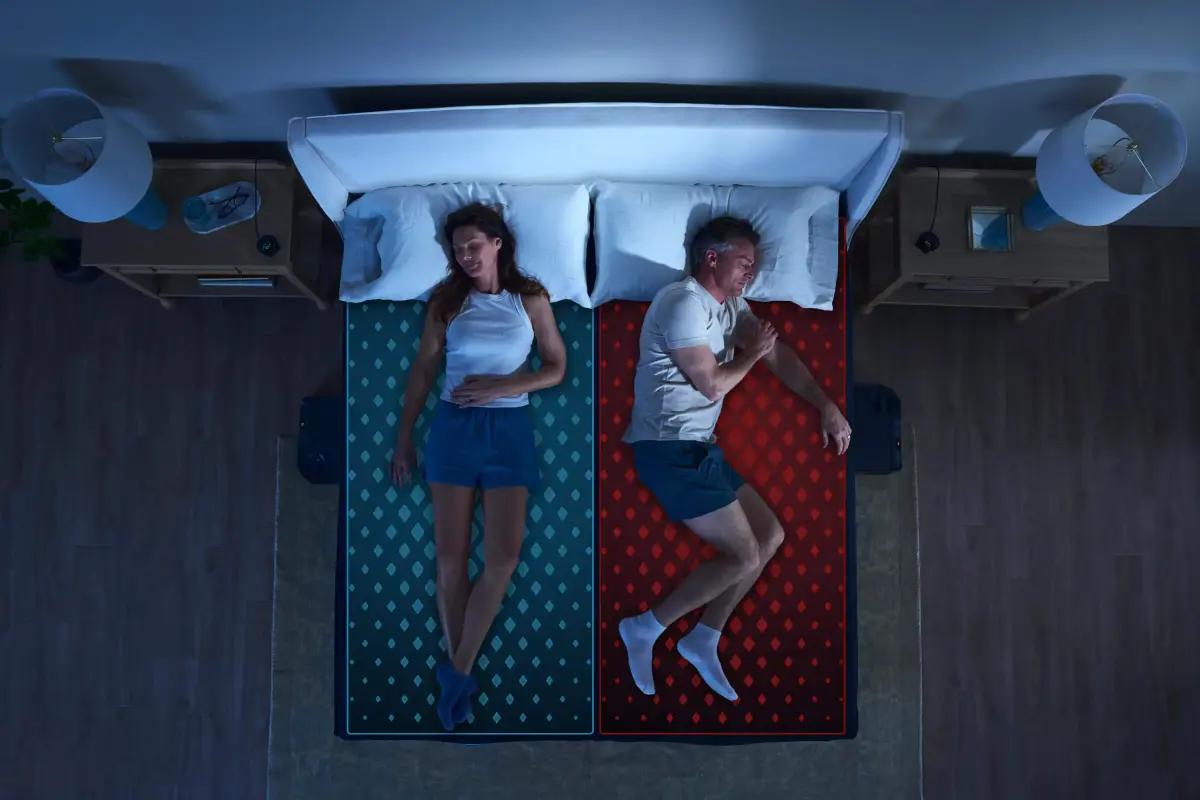
Not all cooling pads are equal: They fall into passive fabric/gel pads, phase-change pads, and active water-based systems, and only the active tier offers true, continuous, all-night cooling.
Yes, they work if you pick the right type for you: Passive pads help at the margins; active water-based systems actively pull heat away and hold a set temperature through the night.
A few factors decide the best pad: Active vs. passive cooling, temperature range, dual-zone control, subscription requirements, and ease of maintenance are what matter most.
Shop Eligible Products
Ready to unlock your HSA/FSA funds for qualified medical expenses?
If you run hot at night, wake up sweating, or fight with a partner over the thermostat, a cooling mattress pad is one of the simplest upgrades you can make to your bed. But the category can be crowded and confusing.
Prices range from about $30 to well over $1,000, and "cooling" can mean anything from a slightly breathable fabric to a system that actively pumps temperature-controlled water beneath you all night.
Thankfully, once you understand the few things that actually determine how well a cooling mattress pad works, choosing one gets a lot simpler. Ahead, we'll break down how cooling pads work, whether they're worth it, what to look for, and which one to consider, plus how a cooling mattress topper may be HSA/FSA eligible for qualified customers.
What is a Cooling Mattress Pad?
A cooling mattress pad is a layer that sits on top of your mattress (usually under the fitted sheet) and helps keep your body from overheating while you sleep.
The term covers a wide range of products that work in very different ways, and understanding the tiers is the key to shopping well.
Types of Cooling Mattress Pads
Broadly, cooling mattress pads fall into three categories:
- Passive/fabric-based pads: These use breathable materials, gel-infused foam, or moisture-wicking fibers to help dissipate heat. They're the most affordable option, but their effect is limited since they don't actually remove heat so much as trap slightly less of it. That means once they warm up to your body temperature, the cooling largely stops.
- Phase-change material (PCM) pads: These use special materials that feel cool to the touch and absorb some body heat as they change state. They can help you fall asleep in a cooler bed, but the effect is temporary and passive because there's no active temperature control through the night.
- Active/water-based systems: These circulate temperature-controlled water through a thin pad using a bedside unit, actively pulling heat away from your body and holding a set temperature all night. This is the premium tier, and it's the only category that offers true, adjustable, continuous cooling for serious hot sleepers.
For most people who are shopping specifically because they sleep hot, the active water-based category is where the meaningful results are. However, depending on your individual preferences and needs, cooling mattress pads in all three categories could be suitable.
Do Cooling Mattress Pads Actually Work?
Yes, but how well they work depends almost entirely on which of the three types above you choose.
Passive fabric and gel pads work at the margins. They can make the surface of your bed feel cooler when you first lie down and help wick away some moisture, which is genuinely useful for mild cases. But because they rely on your own body and room to carry heat away, their effect fades as the night goes on and the material equalizes with your body temperature.
Active, water-based systems work in a fundamentally different way. Instead of passively resisting heat, they actively move it: a bedside unit chills water and circulates it through the pad, continuously drawing heat away from your body and maintaining a temperature you set. Because the system keeps regulating all night rather than relying on a one-time cooling effect, it delivers consistent results for people who genuinely struggle with overheating, night sweats, or a partner who prefers a different temperature.
So the honest answer is: cooling mattress pads absolutely work, but if your goal is real, all-night temperature control rather than a marginally cooler surface, an active water-based system is what actually delivers it.
What to Look for in a Cooling Mattress Pad
Once you get past the marketing, a handful of practical factors separate a pad that genuinely helps from one that just sounds impressive.
Here's what's worth paying attention to before you buy:
Active vs. passive cooling
This is the single most important decision. Passive pads are cheaper but may not be enough depending on your individual needs. Active water-based systems cost more but are the only option that regulates temperature continuously through the night.
- An active, water-based system is the best choice if you're a serious hot sleeper, deal with regular night sweats, or share a bed with someone who runs at a very different temperature. These are the situations where continuous, adjustable, all-night temperature control genuinely earns its higher price, and where dual-zone control can be the difference between good sleep and a nightly thermostat standoff.
- A passive pad is the best choice if your needs are milder. Perhaps you want a cooler-feeling surface, better moisture-wicking, or a simple upgrade without a bedside unit, refilling, or a higher price tag. For someone who just runs slightly warm or wants a lower-maintenance, budget-friendly option, a quality passive or gel-based pad can be exactly right, and it's a far better fit than an active system you'd find fussy or overkill.
Temperature range and control
For active systems, look at how cold (and warm) the unit can actually go, and whether you can set a specific temperature rather than just "high/medium/low."
Dual-zone control
If you share a bed, the ability to set each side to a different temperature is a genuine game-changer. It ends the thermostat standoff entirely. Not every system offers this, so it's worth confirming if it’s something that’s important to you.
Subscription requirements
Some connected sleep systems require an ongoing membership to unlock full functionality. Others give you everything with the hardware and no recurring fee. If you'd rather not add another subscription, check this before buying.
Setup and maintenance
Water-based systems need occasional refilling and cleaning. Look for a design that makes this straightforward, and check the pad is machine-washable or easy to wipe down.
Fit and compatibility
Make sure the pad matches your mattress size and depth, and that the bedside unit fits your nightstand and noise tolerance.
HSA/FSA eligibility
Certain cooling products may be eligible for payment with HSA/FSA funds for qualified customers when tied to a diagnosed medical condition and backed by the right documentation. If you're managing a condition where sleep and temperature regulation matter, this is worth exploring (more below).
The Best Cooling Mattress Toppers
There isn't one "best" cooling mattress pad for everyone because the right choice really depends on how hot you sleep and what you're trying to solve.
Great for Seriously Hot Sleepers: ChiliPad
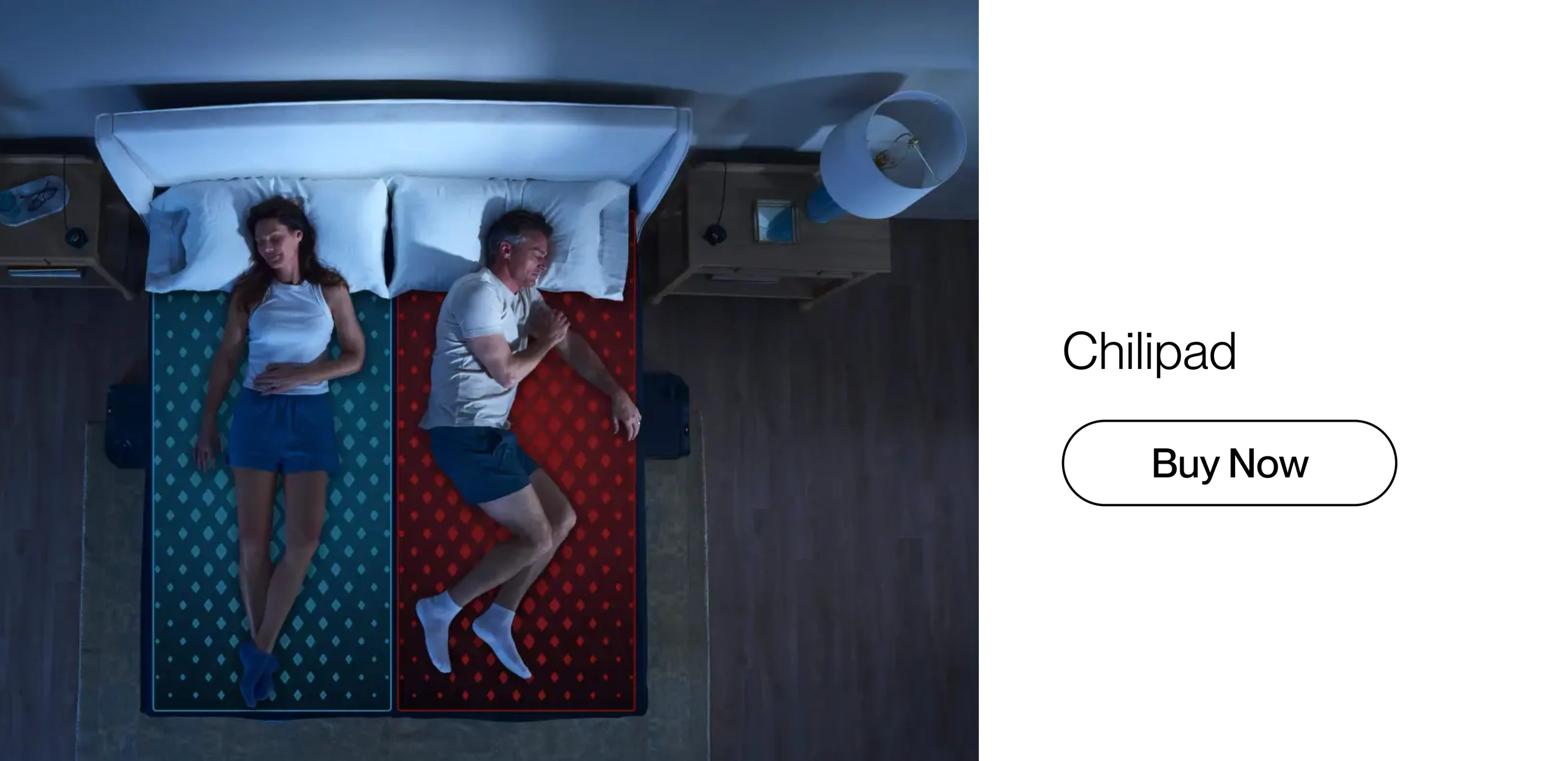
The Chilipad is a water-based cooling system that circulates temperature-controlled water through a thin pad that lays on top of your mattress, actively regulating your sleep temperature all night rather than relying on a passive cooling effect that fades.
A few things make it stand out:
- True active cooling. It uses circulating water to continuously pull heat away, holding a set temperature through the night instead of just feeling cool at first touch.
- Dual-zone options. With a dual-zone setup, each side of the bed can be set to its own temperature, so couples with different comfort preferences don't have to compromise.
- No required subscription. You get the full functionality with the hardware itself, without an ongoing membership fee to unlock features.
- Wide temperature range. It can run genuinely cold for hot sleepers, and can also warm the bed if you want it to.
Like any active system, it asks a little more of you than a fabric pad including occasional refilling and cleaning, and a bedside unit that needs a spot on your nightstand. But for people whose main problem is overheating at night, that trade-off is exactly what makes it work when other pads don't.
Checkout both the Chilipad 1.0 and the Chilipad 2.0 to discover which Chilipad sleep system may be right for you and your needs.
Great for Mildly Hot Sleepers: GhostBed Memory Foam Topper
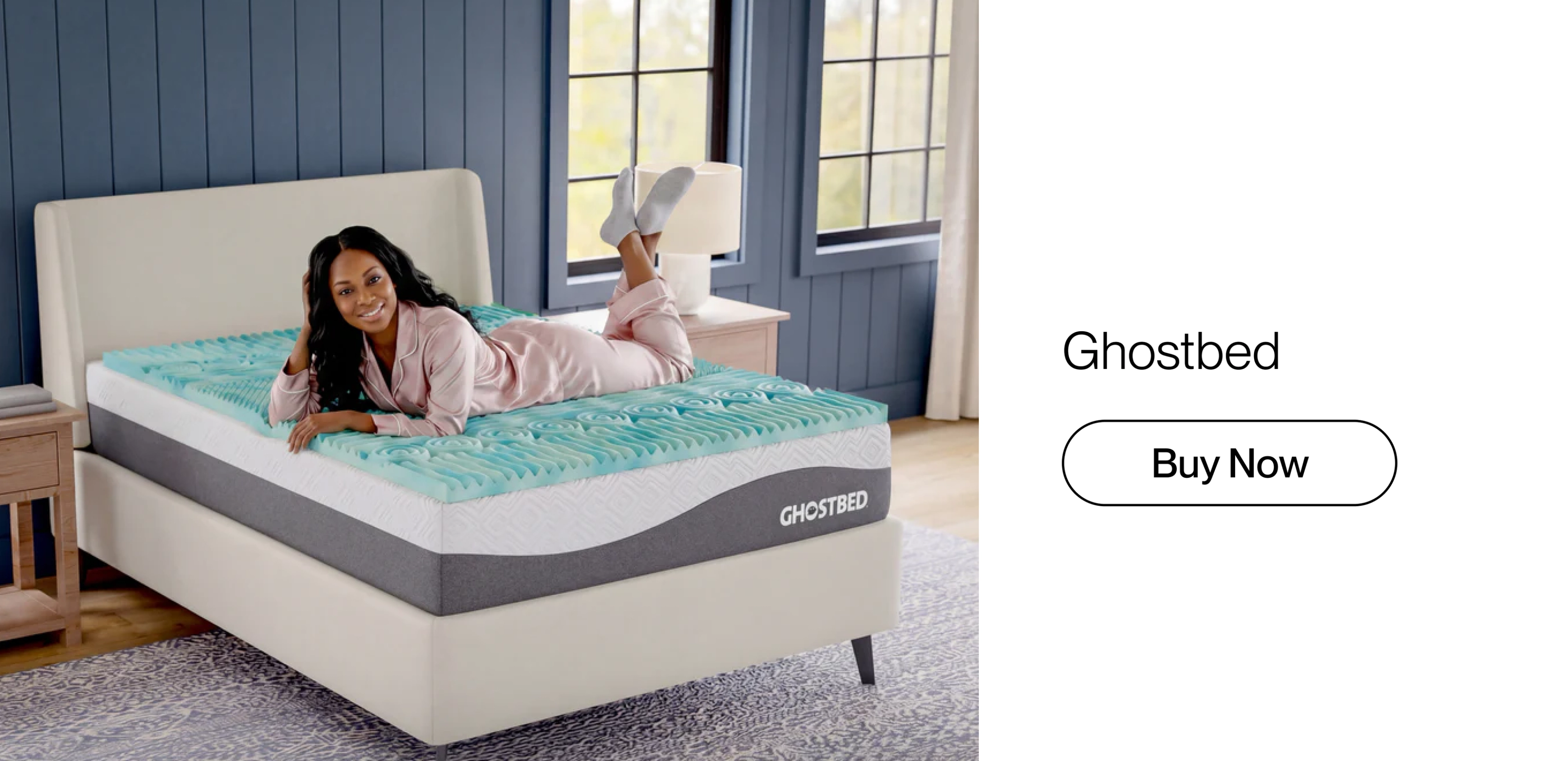
If your needs are milder, and you want a cooler, more comfortable sleep surface without a bedside unit or ongoing maintenance, a quality passive topper is often the better fit. The GhostBed Memory Foam Topper pairs 3" of contouring gel memory foam with a cooling, waterproof cover, so it helps dissipate heat and wick moisture while adding pressure relief.
A few things make it a strong passive pick:
- Gel memory foam. The gel infusion helps draw heat away from the surface, so the bed feels cooler than standard memory foam that tends to trap warmth.
- Cooling, waterproof cover. The breathable cover adds to the cooling effect and protects the foam underneath.
- Pressure relief built in. Beyond temperature, the 3" of foam contours to your body so you're upgrading comfort and coolness in one layer.
- Simple and low-maintenance. There's no unit to fill and a stay-put design that keeps it in place which is ideal for someone who just runs slightly warm and wants an easy upgrade.
For a serious hot sleeper it won't match the all-night regulation of an active system, but for mild overheating or anyone who wants a straightforward, comfortable, budget-friendly option, it's exactly the right tool.
How to Sleep Cooler (Beyond the Pad)
A cooling mattress pad does the heavy lifting, but a few habits can help you get even more comfortable:
- Keep your bedroom cool: somewhere in the mid-60s Fahrenheit is often cited as ideal for sleep.
- Choose breathable, natural-fiber sheets and lightweight bedding like the Evercool®+ Cooling Sheet Set from Rest.
- Take a warm shower before bed; the post-shower drop in body temperature can help signal sleep.
- Limit heavy meals, alcohol, and intense exercise close to bedtime, all of which can raise body temperature.
- Keep a consistent sleep schedule so your body's natural temperature rhythm stays predictable.
Want to explore more ways to invest in better sleep? Check out our curated selection of sleep tools that may be HSA/FSA eligible for qualified customers.
How it Works with HSA/FSA and Truemed
Some cooling mattress toppers may be eligible for HSA/FSA use for qualified customers when they're tied to a diagnosed medical condition and supported by appropriate documentation.
Truemed* helps guide customers through that process, and there's no additional cost to use it. Truemed's services are included in the purchase price.
Here's how it works:
- Start by checking whether a product qualifies as an eligible medical expense or whether a letter of medical necessity (LMN) is needed.
- Complete a health intake survey that's reviewed by an independent licensed clinician.
- If you qualify, the clinician may issue an LMN based on your medical history and health needs. Truemed itself does not make eligibility determinations.
- You can then purchase eligible products with your HSA/FSA card, or pay out of pocket and submit for reimbursement afterward.
*Truemed is for qualified customers. HSA/FSA tax savings vary. Learn more at truemed.com/disclosures.
Who May Qualify to Use HSA/FSA funds on a Cooling Mattress Pad
Because eligibility depends on a diagnosed medical condition, the circumstances a clinician may consider tend to center on conditions where sleep and temperature regulation play a direct role. A few common examples:
- Night sweats and hot flashes: For people experiencing menopause-related night sweats, or night sweats connected to another diagnosed condition, active temperature regulation may help address the mid-night overheating that disrupts sleep.
- Insomnia and chronic sleep difficulty: A drop in body temperature is part of how the body signals sleep onset. For someone with diagnosed insomnia or another sleep disorder, a clinician may consider whether temperature regulation is relevant to managing that condition.
- Other conditions where sleep matters: Sleep is closely tied to the management of many health conditions, so a provider may weigh a person's broader medical picture when reviewing an intake.
FAQ
For most people who sleep hot, the best cooling mattress pad is an active, water-based system with adjustable temperature, dual-zone control, and no required subscription. These actively pull heat away from your body and maintain a set temperature all night, rather than passively cooling for a short time and then fading.
Yes, but how well depends on the type. Passive fabric and gel pads offer a mild, temporary cooling effect. Active water-based systems work much better for serious hot sleepers because they continuously circulate temperature-controlled water and regulate your sleep temperature throughout the night.
Passive pads use breathable or gel materials to dissipate some body heat. Active systems circulate temperature-controlled water through a thin pad using a bedside unit, actively drawing heat away from your body and holding the temperature you set.
They can be, especially active systems with dual-zone control. Dual-zone lets each side of the bed be set to a different temperature, so two people with different comfort preferences can each sleep at the temperature they like.
Certain cooling products may be HSA/FSA-eligible for qualified customers when they're tied to a diagnosed medical condition and supported by appropriate documentation, which may include a letter of medical necessity. Eligibility depends on the product, your health needs, and your documentation, and final reimbursement decisions rest with your plan administrator.


See what you can do with your HSA/FSA.
Join 1.5 million Americans who have routed their healthcare dollars toward root cause health via Truemed's HSA/FSA marketplace.
New product announcements
Sales and special offers
Tips for utilizing your HSA/FSA
Editorial Standards
At True Medicine, Inc., we believe better health starts with trusted information. Our mission is to empower readers with accurate and accessible content grounded in peer-reviewed research, expert insight, and clinical guidance to make smarter health decisions. Every article is written or reviewed by qualified professionals and updated regularly to reflect the latest evidence. For more details on our rigorous editorial process, see here.