
Why Is It Hard for Me to Sleep? What to Know and Do
Author:Nafeesah Allen
Published:
May 06, 2026
Last Updated:
September 10, 2026


Common Reasons Why You Can’t Sleep
Sleep-Support Products That May Fit Into a Truemed Journey
How Sleep Problems Are Diagnosed and What Testing May Involve
Treatment Options That Can Actually Help
Sleep Trouble Patterns and Support Options
How It Works with HSA/FSA and Truemed
Compliance & Documentation
Deep dive recommendations
FAQ
Common Reasons Why You Can’t Sleep
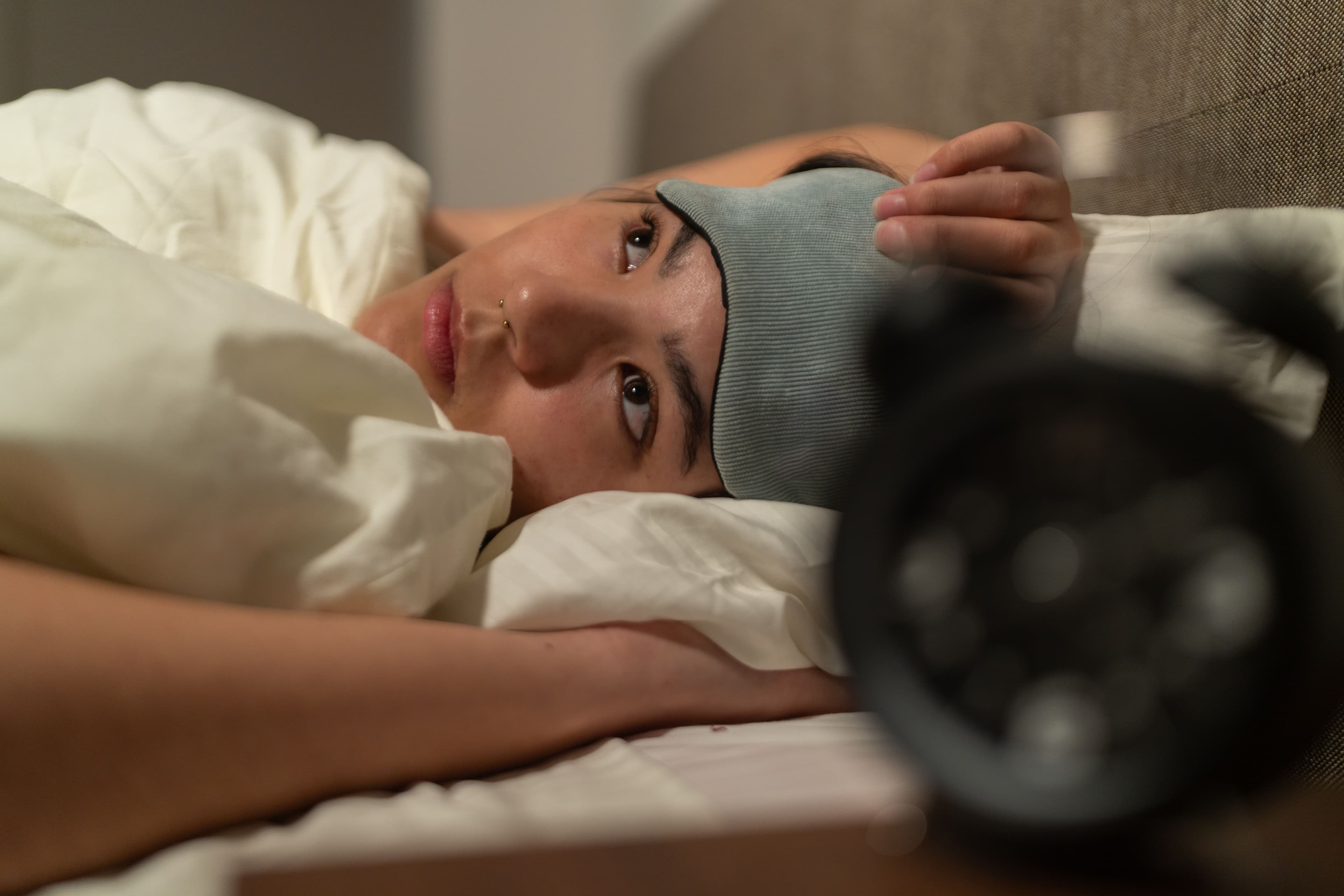
Millions of Americans deal with sleeping problems. Nearly 4 in 10 adults regularly have trouble falling asleep, and almost half of adults have trouble staying asleep three or more nights per week, according to the National Sleep Foundation’s 2025 Sleep in America Poll.
But the causes of poor-quality sleep can vary widely and affect each person differently. Insomnia is consistently struggling to fall asleep at night, waking during the night, or rising too early. People with insomnia struggle to return to sleep despite feeling tired, wanting to sleep, and having enough time to do so.
Stress, grief, travel, work changes, and major environmental shifts can all impact sleep quality. Bad sleep can also be caused by habits like irregular bedtime, using screens late at night, consuming alcohol or caffeine, and eating a heavy meal before bed.
There are also physical and mental causes to sleep disorders. Pain, reflux, breathing issues, illness, and frequent urination can affect your sleep. Hormone changes, like pregnancy or menopause, can cause sleep disruption. Mental health can also hinder sleep and wake cycles. Some medications can too.
Other sleeping disorders, like sleep apnea (interrupted breathing affecting sleep), restless leg syndrome, and parasomnias (sleepwalking, nightmares, and sleep paralysis), are also related to insomnia.
Insomnia can leave you feeling tired, unfocused, irritable, or sluggish the next day. Many people complain about mood changes, memory loss, and school or work performance problems. Trouble sleeping can also create a vicious cycle in which worrying about not being able to sleep ultimately impedes sleep.
Thankfully, there’s an abundance of sleep clinics, specialists, and products that help you finally get good sleep.
Sleep-Support Products That May Fit Into a Truemed Journey
Sleep products are tools that help you sleep better, whether by improving physical comfort, encouraging better habits, or addressing health symptoms. Each person may need something different, based on the causes of their insomnia. But the best long-term outcomes may come from pairing sleep-related products, which may be FSA- or HSA-eligible, with habit changes and clinical guidance.
Eight Sleep Pod 5
Eight Sleep’s Pod 5 offers smart temperature control, sleep tracking, and support for the sleep environment. By optimizing Rapid Eye Movement (REM) and deep sleep, the Pod 5 supports cardiovascular recovery, boosts cognitive function, and enhances energy.
Bearaby Weighted Blankets
For those who may benefit from comfort-focused support, Bearaby Weighted Blankets can help create a calming bedtime routine to encourage better sleep. By applying gentle, even pressure, the weighted blankets help regulate the nervous system and improve sleep quality.
Hug Sleep Hooded Sleep Pod
The Hug Sleep Hooded Sleep Pod offers sensory-based bedtime support. The Sleep Pod delivers a full-body “hug” with gentle, breathable compression. The combo helps some people wind down and drift off faster.
Momentous Nightly Sleep 30-Pack
Momentous Nightly Sleep supplements blend Magnesium L-Threonate, Apigenin, and L-Theanine to help the body and mind relax. Overall, they may promote deeper, higher-quality sleep.
Sleep Number ClimateCool™ Smart Bed
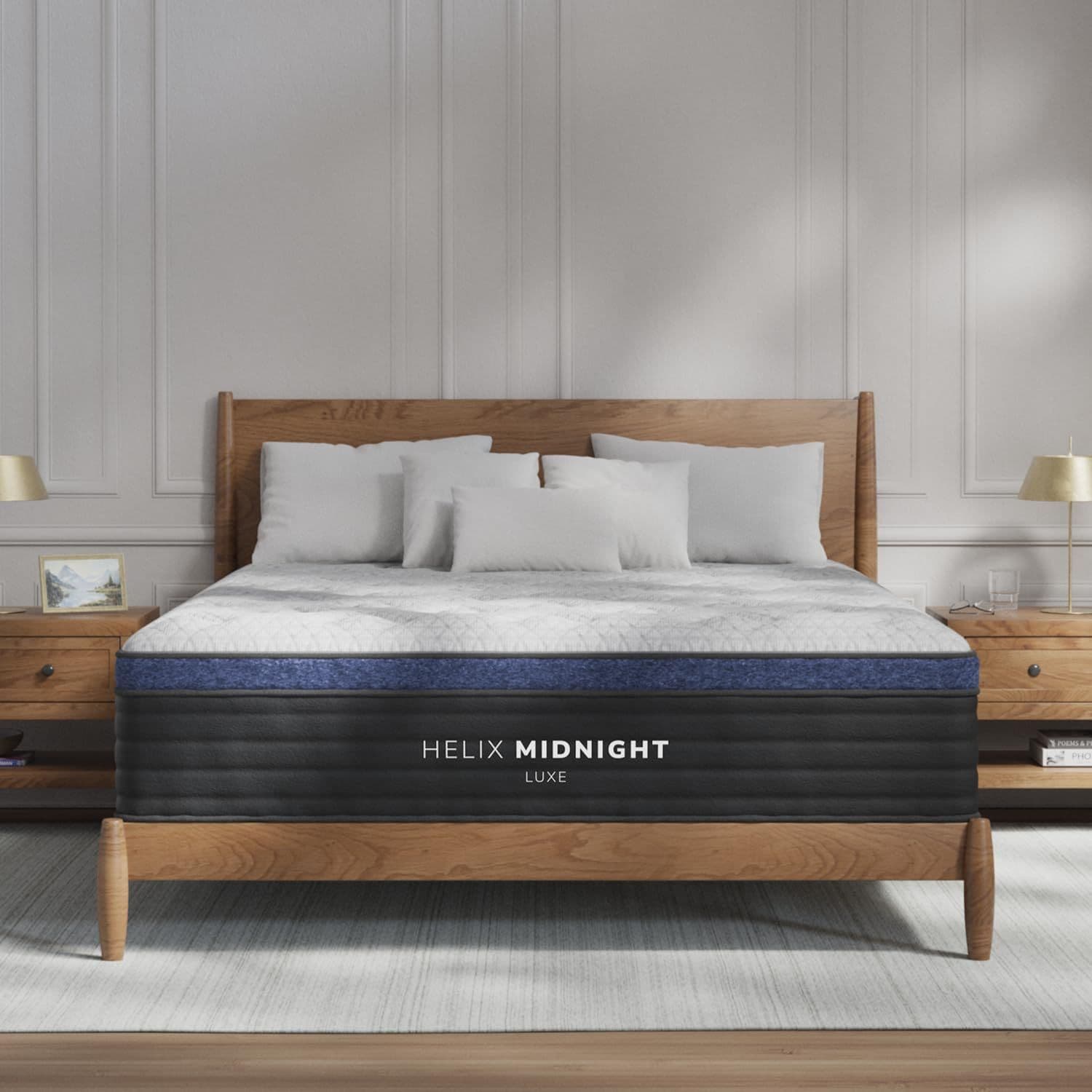
HSA/FSA-eligible mattresses are designed specifically to address sleep and health problems. The ClimateCool™ Smart Bed by Sleep Number has active cooling and adjusts both sides of the bed separately, improving shared-bed experiences.
| Product category | Best fit use case |
|---|---|
| Sleep environment support | Light, temperature, noise disruption |
| Pattern-tracking tools | Inconsistent sleep schedule, symptom tracking |
| Recover or comfort products | Pain-related sleep disruption |
| Bedtime routine aids | Stress-related winding down challenges |
How Sleep Problems Are Diagnosed and What Testing May Involve
If you regularly have trouble sleeping, wake up exhausted, or feel extremely tired during the day, talk to your healthcare provider about a referral to a sleep specialist.
The specialist will likely review your sleep and medical history, symptoms, medications, and routines. They may encourage you to track symptoms, keep a sleep diary, and log meals and daily activities.
Specialists may also conduct assessments to diagnose persistent sleep problems. These could include tests with a wearable device to track movement and sleep patterns, or a sleep study that monitors brain waves, oxygen levels, heart rate, and eye and leg movement. Tests can help sleep specialists understand underlying causes and offer appropriate recommendations.
Treatment Options That Can Actually Help
There’s no one-size-fits-all solution to beat insomnia. Remedies may vary by individual, depending on whether sleep interruption is chronic or short-term. Treatments often target the root cause of bad sleep, like pain, anxiety, hormone imbalances, respiratory issues, and medication side effects.
To tackle short-term sleep disruption, the first step is to improve lifestyle habits within your control, such as meal schedules and bedtime routines. Avoiding screens and caffeine at night can help, as can calming wind-down routines.
For chronic sleep problems, cognitive behavioral therapy for insomnia (CBT-I) can help. CBT-I addresses the thoughts, feelings, and behaviors around sleep that are contributing to insomnia. Also, medications may improve acute sleep disruptions, but a healthcare provider may suggest different long-term solutions.
Sleep-support products can also help alongside other treatments to improve sleep quality and be an effective way to beat insomnia.
Sleep Trouble Patterns and Support Options
| What you notice | What it may suggest | What may help next |
|---|---|---|
| Can’t fall asleep for hours | Stress, caffeine, schedule mismatch | Review evening habits and consider routine-support tools |
| Wake up often and feel overheated | Temperature disruption, hormone-related sleep issues | Optimize sleep environment, consider temperature-support products |
| Wake too early and can’t return to sleep | Insomnia, mood-related sleep disruption, and/or schedule issues | Review symptoms, track patterns, seek guidance if ongoing |
| Tired all day despite enough hours in bed | Poor sleep quality, another sleep disorder, or another underlying health condition | Look at interruptions, timing, and possible evaluation |
| Snore loudly or gasp at night | Possible breathing-related sleep disorder | Seek evaluation before relying on products alone |
How It Works with HSA/FSA and Truemed
Truemed* helps qualified customers maximize their HSAs and FSAs.
To use Truemed, first check whether a product or service is normally considered a qualifying medical expense and if you might need a Letter of Medical Necessity (LMN). Complete a health intake survey that an independent licensed clinician will review. Then, buy the item, paying either with your HSA/FSA card at checkout or a personal card and submit for HSA/FSA reimbursement afterward. Truemed itself does not make eligibility determinations: The independent licensed practitioner will review your medical history and, if you qualify, will issue an LMN. Truemed also offers support if you are denied reimbursement and need to provide substantiation.
*Truemed is for qualified customers. HSA/FSA tax savings vary. Learn more at truemed.com/disclosures.
Compliance & Documentation
Some sleep-related products or services may be HSA/FSA eligible, depending on the product, the condition, and your health needs. Some purchases may require an LMN to be covered. When using Truemed, your plan administrator makes the final reimbursement decision.
Deep dive recommendations
For more helpful resources about sleep, visit:
FAQ
Feeling tired and unable to sleep can be frustrating. It’s often caused by insomnia, stress, poor sleep habits, or a disrupted circadian rhythm that keeps your brain stimulated even when you feel tired.
Common causes of insomnia can include stress, mental health disorders, an irregular schedule, physical conditions and illnesses, medications, poor sleeping habits, and even other sleeping conditions.
Yes, sleep-support products can be HSA/FSA eligible through Truemed, depending on your plan.


Editorial Standards
At True Medicine, Inc., we believe better health starts with trusted information. Our mission is to empower readers with accurate and accessible content grounded in peer-reviewed research, expert insight, and clinical guidance to make smarter health decisions. Every article is written or reviewed by qualified professionals and updated regularly to reflect the latest evidence. For more details on our rigorous editorial process, see here.