
Turmeric Benefits for Arthritis, Blood Sugar, and More: What the Research Actually Shows
Author:Kennedy Coleman
Reviewed By:Katherine Janosz, MD
Published:
July 23, 2026
Last Updated:
October 06, 2026


Key Takeaways
Curcumin is the active ingredient, not turmeric as a whole: Turmeric is only about 2-9% curcumin by weight, which is why concentrated curcumin extracts—not the kitchen spice—are what most clinical studies use.
Arthritis is turmeric's best-supported benefit: A 2024 meta-analysis of 11 meta-analyses found curcumin relieves osteoarthritis pain, improves joint mobility, and can reduce reliance on pain medication—in some cases performing comparably to NSAIDs like ibuprofen.
Turmeric may modestly improve blood sugar markers: Clinical research shows curcumin supplementation significantly lowers fasting blood glucose, HbA1c, and insulin resistance, though it's a complement to, not a replacement for, diabetes care.
Absorption is the catch: Curcumin is poorly absorbed on its own. Pairing it with black pepper (piperine) and dietary fat can increase bioavailability, but the effects vary by product, and piperine may interact with medications.
It's generally considered safe: Turmeric is well tolerated at studied doses, but high doses can upset the stomach, it can interact with blood thinners and diabetes medication, and has been linked to rare cases of liver injury, particularly with some enhanced-bioavailability formulations, so check with your doctor first.
Shop Eligible Products
Ready to unlock your HSA/FSA funds for qualified medical expenses?
Turmeric vs. Curcumin: What's the difference?
People use these words interchangeably, but they aren't the same. Turmeric is the golden-orange spice made from the root of a plant related to ginger. Curcumin is the best-studied bioactive compound in turmeric, and it is thought to contribute substantially to many of turmeric's studied health effects.
The important detail: turmeric contains only a small amount of curcumin, roughly 2% to 9% by weight. That's why sprinkling turmeric on your food delivers far less curcumin than the doses used in research, which rely on concentrated extracts that can be up to 95% curcumin. When you see claims about turmeric's health benefits, they almost always trace back to curcumin.
Turmeric for Arthritis and Joint Pain
Alleviating arthritis and joint pain is turmeric's strongest and best-documented benefit. Curcumin is a potent anti-inflammatory, and inflammation drives much of the pain and stiffness in arthritis.
A 2024 umbrella meta-analysis pooling 11 separate meta-analyses found that curcumin significantly reduces knee osteoarthritis pain and improves joint function. In several head-to-head trials, curcumin has performed comparably to NSAIDs like ibuprofen and diclofenac, often with fewer gastrointestinal side effects, though researchers caution that the underlying studies vary in quality and larger head-to-head trials are still needed. There's promising, though more limited, evidence for rheumatoid arthritis as well.
So what does that mean for people living with chronic joint pain? For some people with osteoarthritis, curcumin may be a reasonable adjunct to established treatments and lifestyle strategies. It should not be used to stop or reduce prescribed medication without discussing that decision with a clinician. The thing to keep in mind: it works best alongside other interventions like movement, an anti-inflammatory diet, and good sleep, not as a standalone fix.
Turmeric Benefits for Blood Sugar
Curcumin's second well-studied benefit is metabolic. A systematic review and dose–response meta-analysis of 59 randomized controlled trials found that curcumin supplementation significantly reduces fasting blood glucose, HbA1c (a measure of average blood sugar over three months), fasting insulin, and insulin resistance. These findings suggest that curcumin may modestly improve some markers of glucose metabolism, particularly in people with metabolic dysfunction, prediabetes, or type 2 diabetes. However, study populations, formulations, doses, and treatment durations vary, and curcumin is not an established replacement for evidence-based diabetes treatment.
An important caveat: turmeric is a complement to diabetes care, not a substitute for it. And because curcumin can lower blood sugar, combining it with diabetes medication could push your levels too low, so this is a conversation to have with your doctor before incorporating curcumin into your health routine.
Turmeric for Inflammation
One possible explanation for curcumin's effects in conditions such as osteoarthritis and metabolic dysfunction is its influence on multiple inflammatory and cellular signaling pathways. Studies measuring C-reactive protein (CRP), a standard blood marker of systemic inflammation, have found curcumin supplementation meaningfully lowers it, along with other inflammatory markers like TNF-a and IL-6. That matters because chronic low-grade inflammation is linked to a wide range of conditions, from arthritis to metabolic and cardiovascular disease.
How to Get the Most out of Your Turmeric
One of the biggest challenges with turmeric is that curcumin is notoriously hard for the body to absorb. On its own, much of it is broken down and cleared before it ever reaches your bloodstream. That's why how you take turmeric can matter as much as whether you take it. A few evidence-backed ways to improve absorption:
- Pair it with black pepper. Piperine, the active compound in black pepper, is the single most studied absorption booster. In a small human study, it was found that adding a small amount of piperine increased curcumin bioavailability by 2,000% by slowing the enzymes that would otherwise break curcumin down. However, the effect depends on the specific formulation, and piperine can also affect the absorption and metabolism of medications. Many quality supplements build piperine right into the formulation.
- Take it with fat. Curcumin is fat-soluble, so consuming it alongside a meal containing some fat improves uptake. However, absorption depends heavily on the specific formulation, so follow the product's directions.
- Look for standardized extracts. Culinary turmeric contains only a small fraction of curcumin. Instead look for supplements that are formulated with clinical dosages in mind. “High absorption” claims alone are not enough; different formulations have not been shown to be interchangeable. This is particularly important because enhanced-bioavailability formulations have been associated with rare cases of liver injury
- Be consistent. Benefits build over weeks rather than days so consistency matters.
Are Turmeric Supplements Safe?
Turmeric and curcumin are generally considered safe. However, as with all supplements, there are some risks to be aware of, including the following:
- GI side effects can include nausea, reflux, stomach upset, diarrhea, and constipation.
- Turmeric/curcumin supplements may interact with medications, particularly those affecting bleeding risk or glucose.
- Piperine can alter drug metabolism and absorption.
- Some enhanced-bioavailability curcumin products have been associated with rare cases of liver injury.
- People with gallbladder or biliary tract disease should use caution, particularly with concentrated turmeric products.
- Pregnancy safety is not established for supplemental doses beyond normal food use.
- Reports of liver injury with some highly bioavailable formulations.
How to Buy Turmeric and Curcumin Supplements with HSA/FSA
Here's something many people don't realize: if a licensed clinician determines that a curcumin supplement is medically necessary for a diagnosed condition, like osteoarthritis or type 2 diabetes, you may be able to buy it with pre-tax HSA or FSA dollars, if qualified.
Supplements are what's called a dual-purpose item. Bought for general wellness, they're a personal expense. However, when they're tied to a specific health condition and supported by a Letter of Medical Necessity (LMN), they can become a qualified medical expense under IRS rules.
Getting that documentation is usually the hard part which is where Truemed* comes in. Truemed is a platform that builds the LMN qualification step directly into checkout at thousands of health brands, so qualified customers can use HSA/FSA funds without chasing down paperwork. Here's how it works:
Add an eligible curcumin or turmeric supplement to your cart at a Truemed partner brand and select Pay with HSA/FSA (look for the Truemed logo at checkout).
Complete a health intake survey—no in-person doctor's visit required.
An independent, licensed clinician reviews your information and, if you qualify, issues a Letter of Medical Necessity.
Pay directly with your HSA/FSA card, or use a regular card and follow the included guide to submit for reimbursement.
The LMN is included at no extra cost, and qualified customers save an average of 30% by using pre-tax dollars.
*Truemed is for qualified customers. HSA/FSA tax savings vary. Learn more at truemed.com/disclosures.
Featured Turmeric and Curcumin Products
These products may be eligible for HSA/FSA reimbursement for qualified customers when the applicable requirements are met. Because curcumin absorbs poorly on its own, several of these are formulated for better bioavailability, with black pepper, phospholipids, or paired fats.
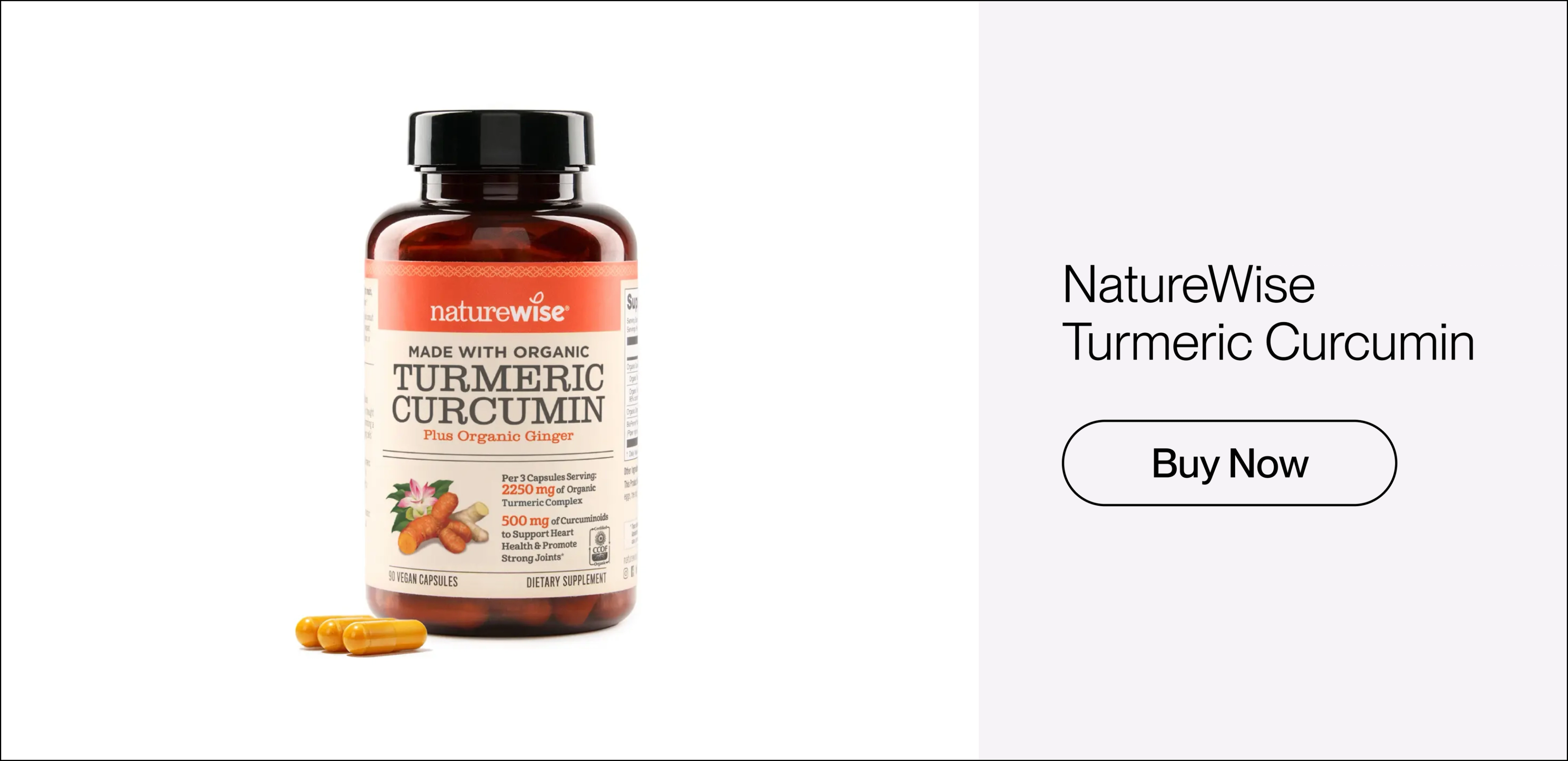
Organic turmeric extract standardized to 95% curcuminoids. NSF Contents Certified and CCOF Made with Organic Certified turmeric curcumin, so you know exactly what's in each capsule.
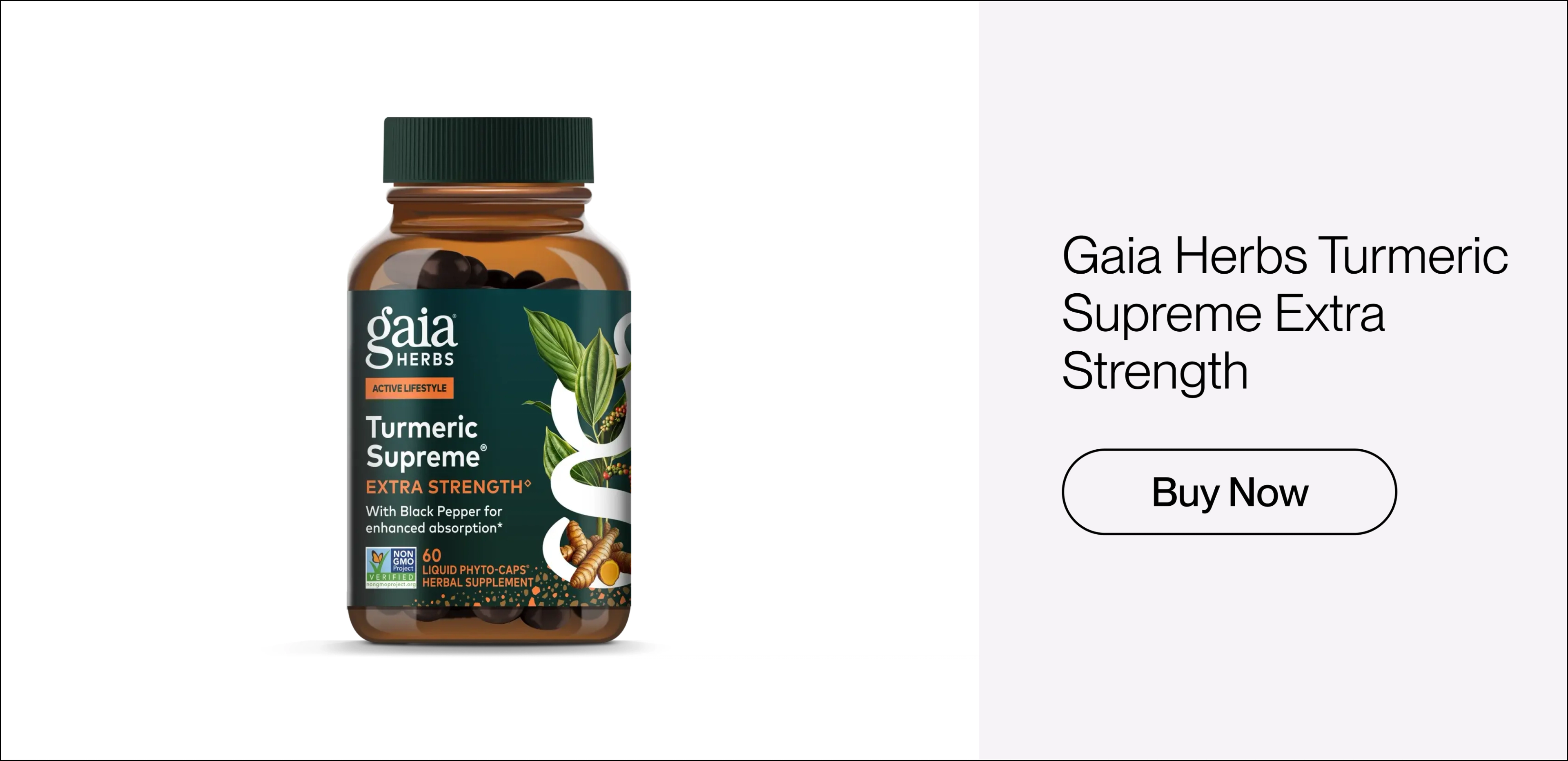
A formula with the equivalent of approximately 6.6 g of turmeric and 95 mg of curcuminoids per serving. Providing 24× greater absorption than unformulated curcumin.
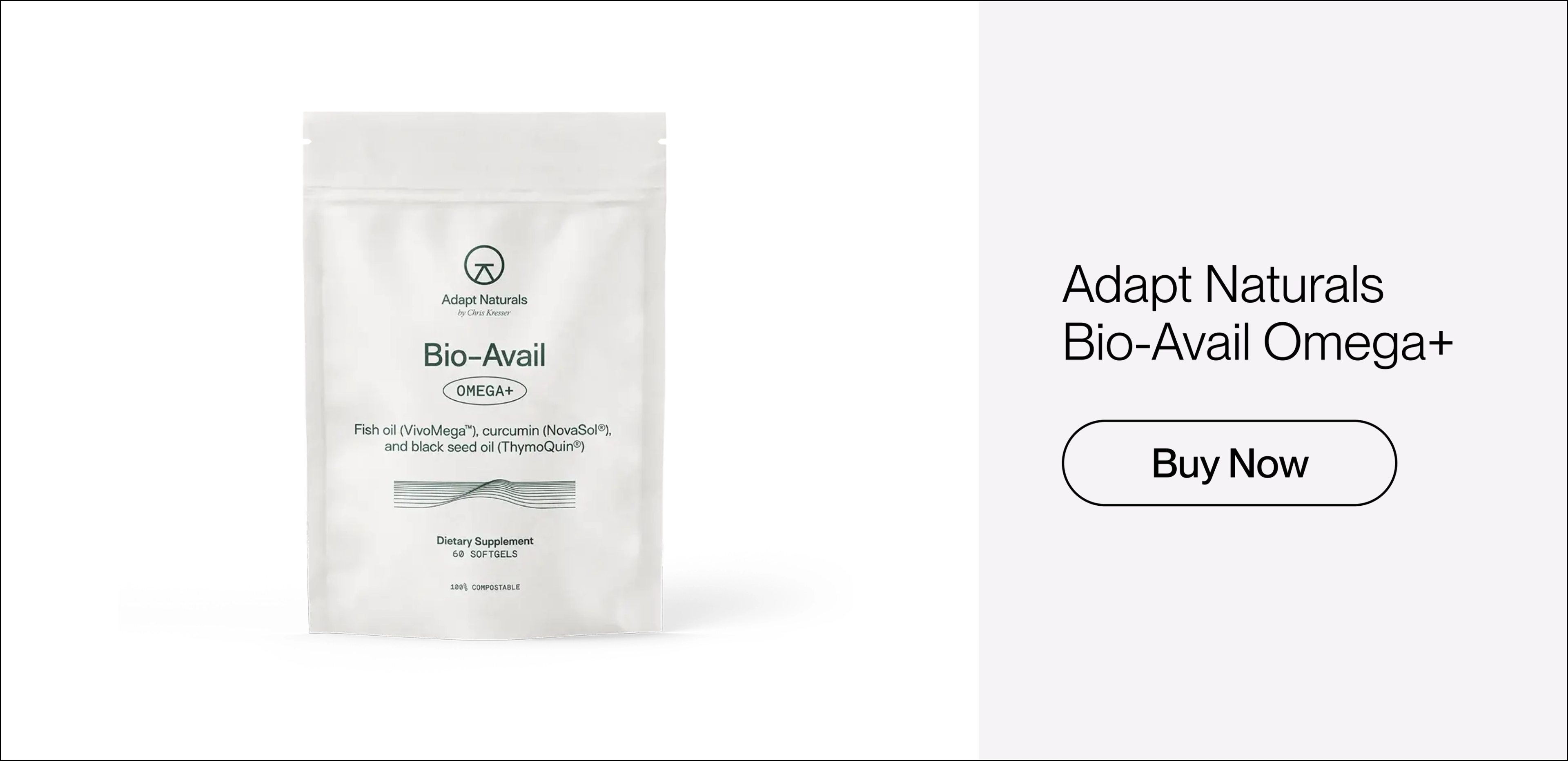
Combines purified fish oil with bioavailable curcumin and black seed oil in a single capsule. Because curcumin is fat-soluble, pairing it with omega-3s (EPA and DHA) may support absorption alongside joint, immune, and cardiovascular health.
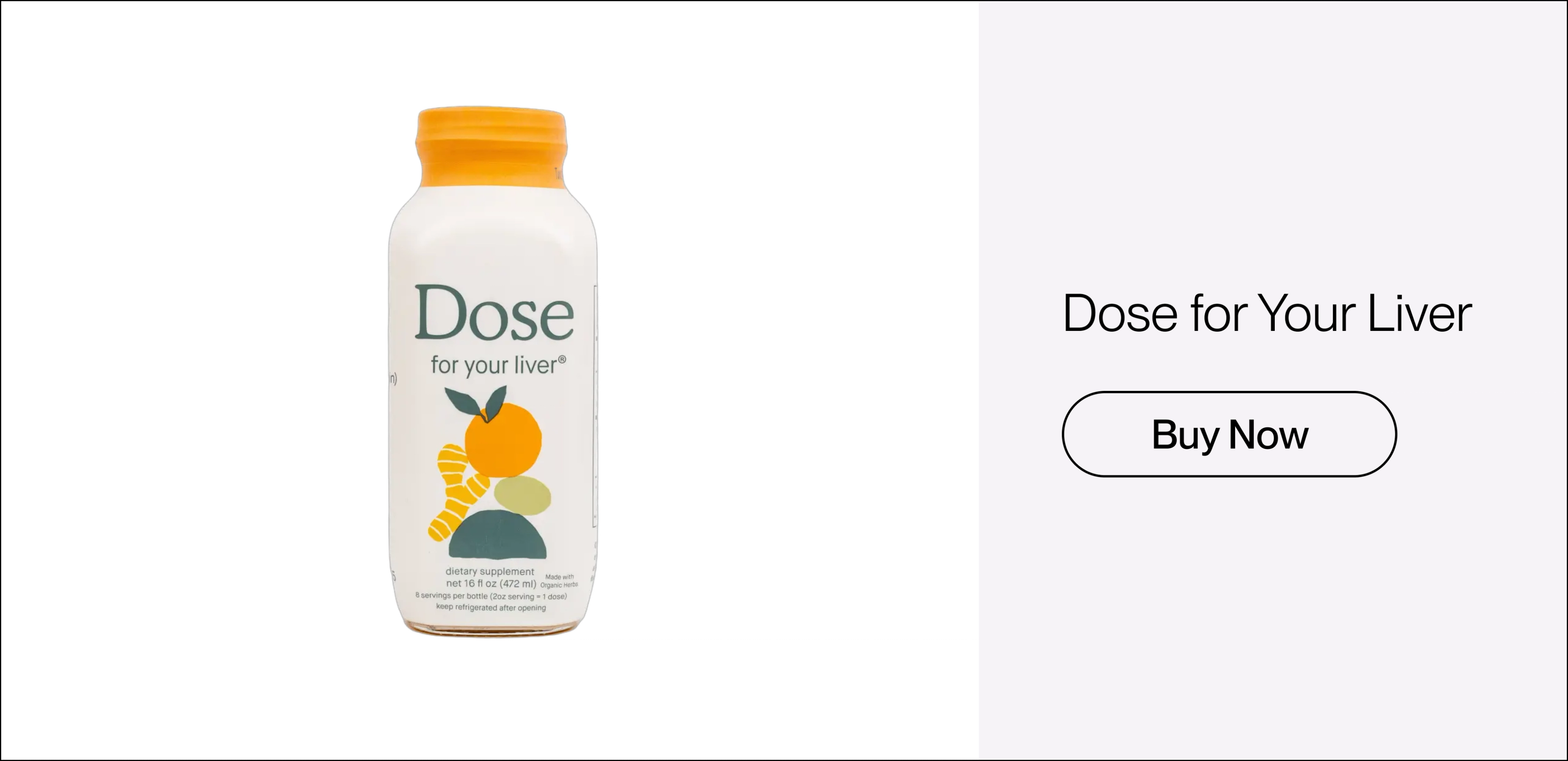
Formulated with an organic bioavailable curcumin (turmeric extract) which may support the body's natural elimination and detoxification processes.
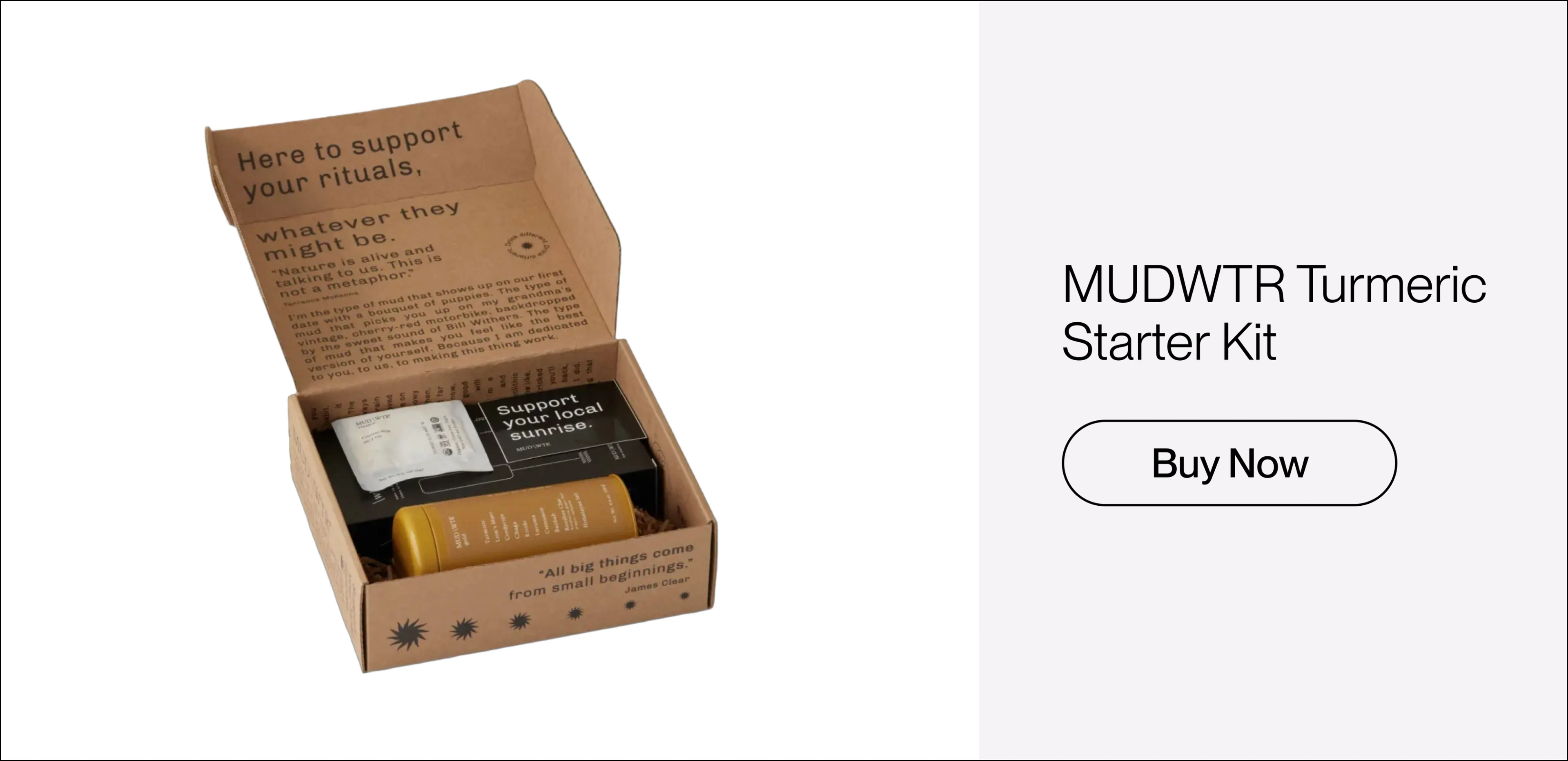
For those who'd rather drink their turmeric than swallow a capsule, a warming blend of turmeric, chai spices, and functional mushrooms designed as a daily ritual which may support a healthy inflammatory response and joint mobility.
FAQ
Yes, curcumin may help reduce pain and improve function in people with knee osteoarthritis. Several clinical trials and meta-analyses have reported benefits, although the quality of evidence varies and curcumin products differ considerably in dose and formulation. Some studies have found effects comparable to NSAIDs, but curcumin should not automatically be considered a substitute for prescribed treatment.
Clinical trials and meta-analyses suggest that curcumin supplementation may modestly improve some blood sugar markers, including fasting glucose and HbA1c, particularly in some people with metabolic dysfunction. It should be considered a potential adjunct, not a replacement, for established diabetes treatment.
Because curcumin is poorly absorbed on its own, pairing it with black pepper (piperine) and a source of dietary fat can significantly improve how much your body takes in. Choosing a standardized curcumin extract over culinary turmeric also helps.
Turmeric is the spice; curcumin is the active compound inside it, making up only about 2-9% of turmeric by weight. Most health benefits come from curcumin, which is why studies use concentrated extracts rather than the culinary spice.
Potentially. Supplements are dual-purpose items, so they qualify when a licensed clinician issues a Letter of Medical Necessity tying the supplement to a diagnosed condition. Platforms like Truemed handle the LMN through a health assessment at checkout.



See what you can do with your HSA/FSA.
Join 1.5 million Americans who have routed their healthcare dollars toward root cause health via Truemed's HSA/FSA marketplace.
New product announcements
Sales and special offers
Tips for utilizing your HSA/FSA
Editorial Standards
At True Medicine, Inc., we believe better health starts with trusted information. Our mission is to empower readers with accurate and accessible content grounded in peer-reviewed research, expert insight, and clinical guidance to make smarter health decisions. Every article is written or reviewed by qualified professionals and updated regularly to reflect the latest evidence. For more details on our rigorous editorial process, see here.