
How to Increase Vitamin D Naturally: 4 Science-Backed Ways
Author:Kennedy Coleman
Reviewed By:Chris Brooks
Published:
August 20, 2026



Key Takeaways
Sunlight is the primary natural source of vitamin D, but it can be difficult to dose safely: factors like season, latitude, skin tone, and sunscreen use all affect how much vitamin D you actually produce, and there's no reliable way to know your dose from sun exposure alone.
Food is a source of vitamin D, but sometimes not enough: very few foods naturally contain meaningful vitamin D, and even with fortified products, it’s hard to close a deficiency with diet alone.
Controlled UVB devices offer a dosable alternative: UVB devices are designed to deliver a personalized UVB dose while reducing total UV risk compared to unmanaged sun exposure.
UVB light therapy devices may be HSA/FSA eligible for qualified customers: Truemed can help determine eligibility and streamline the purchase process, though eligibility and tax savings vary by individual.
Shop Eligible Products
Ready to unlock your HSA/FSA funds for qualified medical expenses?
Why vitamin D matters
Vitamin D isn't just a "bone vitamin." It's a powerful nutrient that helps your body absorb calcium, supports muscle function, helps your nerves send signals between your brain and body, and plays a deep role in immune function. Low levels of vitamin D have been associated with fatigue and low mood, which is often what prompts people to search for ways to raise their levels in the first place.
It's also worth noting that "vitamin D" is something of a misnomer. Unlike a true vitamin, which your body can only get from food, vitamin D is manufactured by your own skin from UVB exposure and then activated by the liver and kidneys into a hormone that binds receptors throughout the body. Because of this, a landmark review in the New England Journal of Medicine and much of the endocrinology literature treat vitamin D more as a hormone than a classic dietary vitamin.
"Vitamin D is not a traditional vitamin like vitamin C. Vitamin C is a true nutrient - your body can't make it, so it has to come from food. Vitamin D doesn't work that way. It's a hormone your body manufactures on its own, using your skin - your body's largest organ - to absorb UVB light. That's exactly why sunlight, not diet, is the primary way people are built to get it,” says Chris Brooks, Chief Strategy Officer at Solius Labs, the makers of the only FDA-cleared personalized UVB device.
Despite how essential it is, vitamin D deficiency and insufficiency remain common, especially for people who spend most of their day indoors, live at higher latitudes, have darker skin, or are older, since skin becomes less efficient at producing vitamin D with age. The good news is there are several ways to close that gap.
Natural ways to increase vitamin D
Vitamin D-rich foods
Diet can help with vitamin D deficiencies, but it's a smaller lever than most people expect. According to the NIH Office of Dietary Supplements, fatty fish like trout, salmon, mackerel, and tuna, along with fish liver oils, are among the best natural food sources of vitamin D. Egg yolks, beef liver, and cheese contain smaller amounts, and some mushrooms carry a modest amount too. Fortified foods, including many cereals, some dairy products, and orange juice, add more.
The problem is that very few foods naturally contain meaningful vitamin D, and food fortification only goes so far. Health authorities generally agree that getting sufficient vitamin D from unfortified food alone is difficult, which is part of why sunlight (or a light-based alternative) and, in some cases, supplementation, matter so much.
Sunlight (and why it's complicated)
The sun is the original vitamin D source. According to the NIH Office of Dietary Supplements, UVB radiation (roughly 280-315 nanometers) reaches bare skin and converts a compound called 7-dehydrocholesterol into previtamin D3, which is then converted into vitamin D3. That vitamin D3 isn't usable right away, though. It's biologically inactive until the liver and then the kidneys convert it, in two separate steps, into the form your body actually uses. How much vitamin D you make from sunlight depends on a handful of factors, including the sun's angle, the season, the latitude you're at, how much skin is exposed, your skin tone, and whether you're wearing sunscreen.
UVB doesn't penetrate glass, so sitting by a sunny window doesn't produce vitamin D, per NIH. Additionally, when sunscreen is applied as recommended, it too limits UVB-driven synthesis. The NIH explains that sunscreens with an SPF of 8 or higher appear to reduce the UV rays that produce vitamin D; general sun-safety guidance, meanwhile, still recommends SPF 15 or higher to protect skin. Add in winter months, northern latitudes, and office jobs, and it's easy to see why "just get more sun" is harder advice to follow than it sounds.
Safe sun exposure habits
If you're relying on sunlight to help with vitamin D production, a few habits make it more effective and safer:
- Expose skin, not just your face: Arms and legs have more surface area and produce more vitamin D per minute than a face alone.
- Time it right: UVB is strongest when the sun is high, generally midday, and weaker (or absent) early morning, late afternoon, in winter, and at higher latitudes.
- Don't chase a tan or a burn: More redness doesn't mean more vitamin D, it means more skin damage. Vitamin D production plateaus well before skin starts to burn.
- Account for your skin tone: Melanin acts as a natural sunscreen, so people with darker skin need meaningfully more sun exposure time to make the same amount of vitamin D as someone with lighter skin.
- Know you can't overdose on vitamin D from light: Your skin naturally limits how much vitamin D it produces from UVB exposure, unlike oral supplements, which can be overdosed.
The honest summary: sun exposure is one lever for increasing vitamin D in the body, but it can be difficult to safely and consistently dose yourself using the sun. That is exactly the gap that controlled UVB devices are designed to close. More on that below.
The role of UVB light and benefits beyond vitamin D
UVB (ultraviolet B) is the specific slice of sunlight, roughly 280-315 nanometers, responsible for triggering vitamin D synthesis in the skin. It's often described as the most biologically active part of the light spectrum humans are regularly exposed to, but historically it's also been the hardest to dose without risking sunburn or long-term skin damage. This is why access to UVB light has mostly been available through uncontrolled sun exposure or a dermatologist's office.
In addition to its role in vitamin D production, controlled UVB phototherapy is a long-standing dermatology treatment for skin conditions like psoriasis and eczema, and research on UVB exposure has linked it to nitric oxide release tied to lower blood pressure and cardiovascular benefits.
Because skin synthesis is such a major driver of circulating vitamin D for most people, researchers also use serum vitamin D level as a practical biomarker of someone's cumulative UVB exposure, not just their diet. A 2020 study in Nutrients tracked UV exposure with wearable dosimeters and found it was significantly associated with serum vitamin D levels, independent of dietary intake. In other words, a low vitamin D result is often telling you more about your sun exposure than your diet.
"A vitamin D blood test isn't only measuring a hormone level. For most people, it's also a rough proxy for how much UVB exposure their body has been getting. Low vitamin D is often a sign of low sun exposure, not a dietary gap.” - Chris Brooks
That's part of why "UVB light benefits" is a bigger topic than vitamin D alone: it's less about a single nutrient and more about restoring a piece of environmental exposure that indoor, modern life has diminished.
UVB vs. UVA: What's safe and what isn't
Not all ultraviolet light is the same, and mixing up UVA and UVB is one of the more common misconceptions about sun exposure.
- UVB (280-315 nm) is less than 1% of the total sun spectrum that reaches earth and this spectrum drives vitamin D synthesis. It's also what causes sunburn when overdone, but at controlled, appropriate doses, it's the wavelength doing the beneficial work.
- UVA (315-400 nm) is around 5% of the total sun spectrum that reaches earth and this spectrum penetrates deeper into the skin, contributes heavily to premature aging and long-term skin damage, and, critically for this conversation, does essentially nothing to boost vitamin D production.
This distinction matters in practice. Tanning beds are a poor substitute for sunlight because many emit UVA-heavy light optimized for tanning rather than vitamin D production, so you take on more skin-damage risk for little to no vitamin D benefit. Going out in the midday sun carries a similar problem: you're getting the UVB you want, but you can't control the dose, and you're getting a load of UVA along with it.
Light-therapy devices: a controlled way to get UVB
Because dosing UVB from the sun is so unpredictable, one alternative has emerged in the form of UVB light therapy devices. These are built to isolate and dose UVB specifically, minimizing UVA and other wavelengths, so you get the UVB benefit without gambling on skin damage. In practice, that looks like an at-home light panel that measures your skin and delivers a personalized, short weekly session instead of uncontrolled time in the sun.
Truemed partner, Solius, is the only FDA-cleared, over-the-counter UVB light panel intended to stimulate vitamin D production in adults 22 and older. It uses a built-in skin sensor to calculate a personalized UVB dose for your specific skin, then delivers it in about five minutes, once a week.
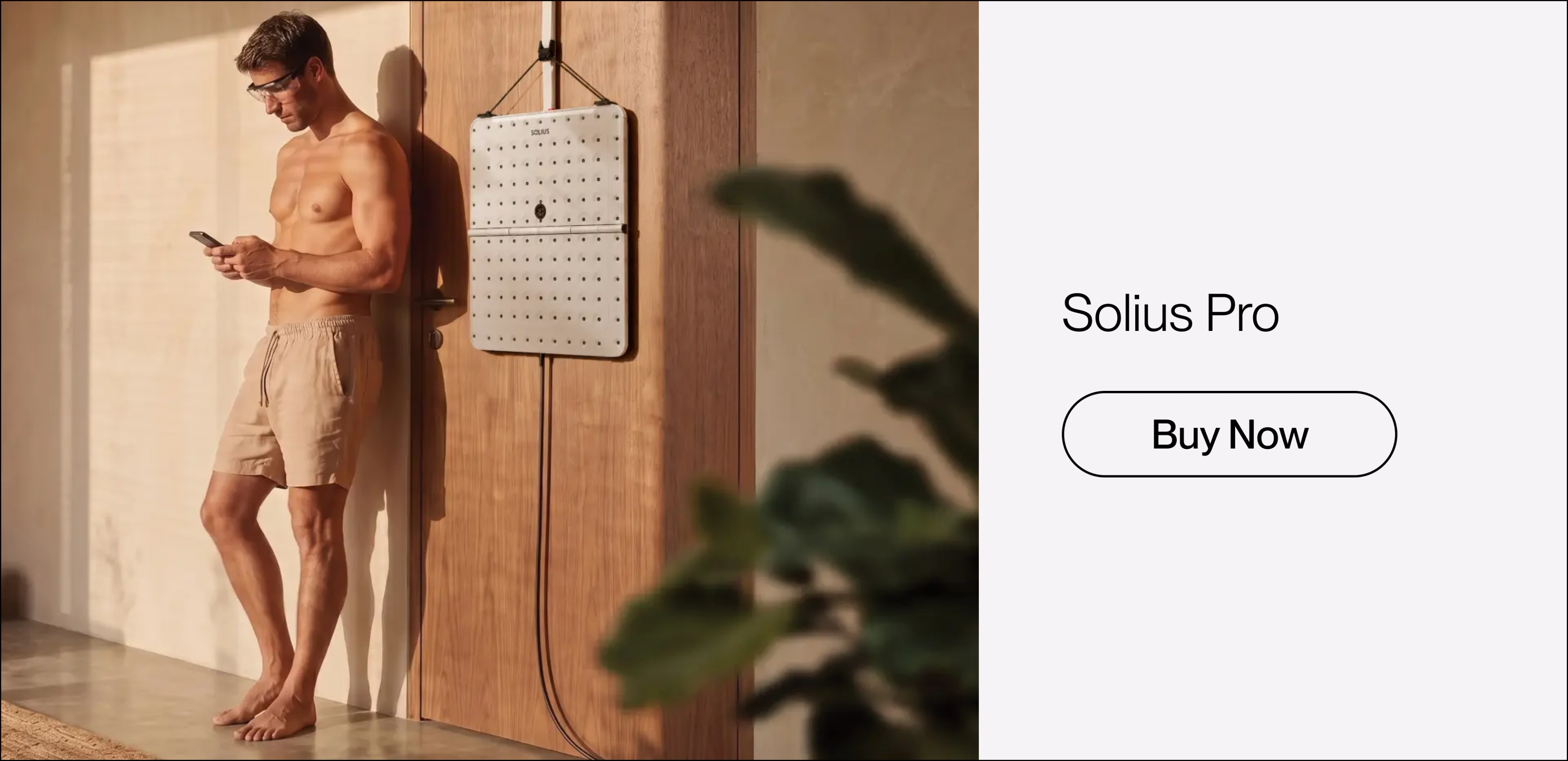
In a randomized clinical trial, participants using Solius saw their serum vitamin D levels rise by an average of 10.2 ng/mL over 21 weeks compared with a decline in the group that received sham (placebo) light exposure. Because the dose is calibrated to the individual and limited to a short weekly session, Solius is designed to deliver the UVB exposure your skin needs while cutting total UV risk exposure by roughly 99% compared to midday sun exposure.
"Once you see vitamin D as a hormone your body produces in response to UVB, and your blood level as a marker of that exposure, controlled dosing starts to make a lot more sense. The problem is you can't just 'get more sun' to fix it - UVB availability is limited, and the risk of burning puts a hard ceiling on how much natural exposure is actually safe. That's exactly why a personalized UVB dose, one that's safe, effective, and available on your own schedule, matters so much.” - Chris Brooks
Is UVB light therapy HSA/FSA eligible?
Yes, for qualified customers, UVB light therapy devices may be HSA/FSA eligible through Truemed*.
Here's how the process works:
- Add the UVB light therapy device to your cart on the merchant’s site and head to checkout.
- Look for the Truemed logo at checkout and select "Pay with HSA/FSA"
- For UBV light therapy devices that are pre-approved for HSA/FSA spending, like Solius who we mentioned above, just pay with your HSA/FSA card, not additional steps needed. If preferred, you can also pay with a regular credit/debit card and submit for reimbursement later.
- For light therapy devices that are not pre-approved, you may need additional documentation to determine eligibility. Truemed can help. First complete a private health survey. Next a licensed provider reviews your answers to determine eligibility. If eligible, you will later receive a letter of medical necessity certifying the product is HSA/FSA eligible for your needs.
*Truemed is for qualified customers. HSA/FSA tax savings vary. Learn more at truemed.com/disclosures.
The bottom line
Raising your vitamin D naturally comes down to a few real options: safe sun exposure, vitamin D–rich foods, and, for a controlled, consistent approach, UVB light therapy. Diet can help at the margins, and careful sun habits matter, but neither offers the precision of a device built to deliver the exact UVB dose your skin needs. If you're ready to explore that option, Solius Pro is available for qualified customers using HSA/FSA funds through Truemed, making a science-backed approach to natural vitamin D production more accessible without extra out-of-pocket cost.
FAQ
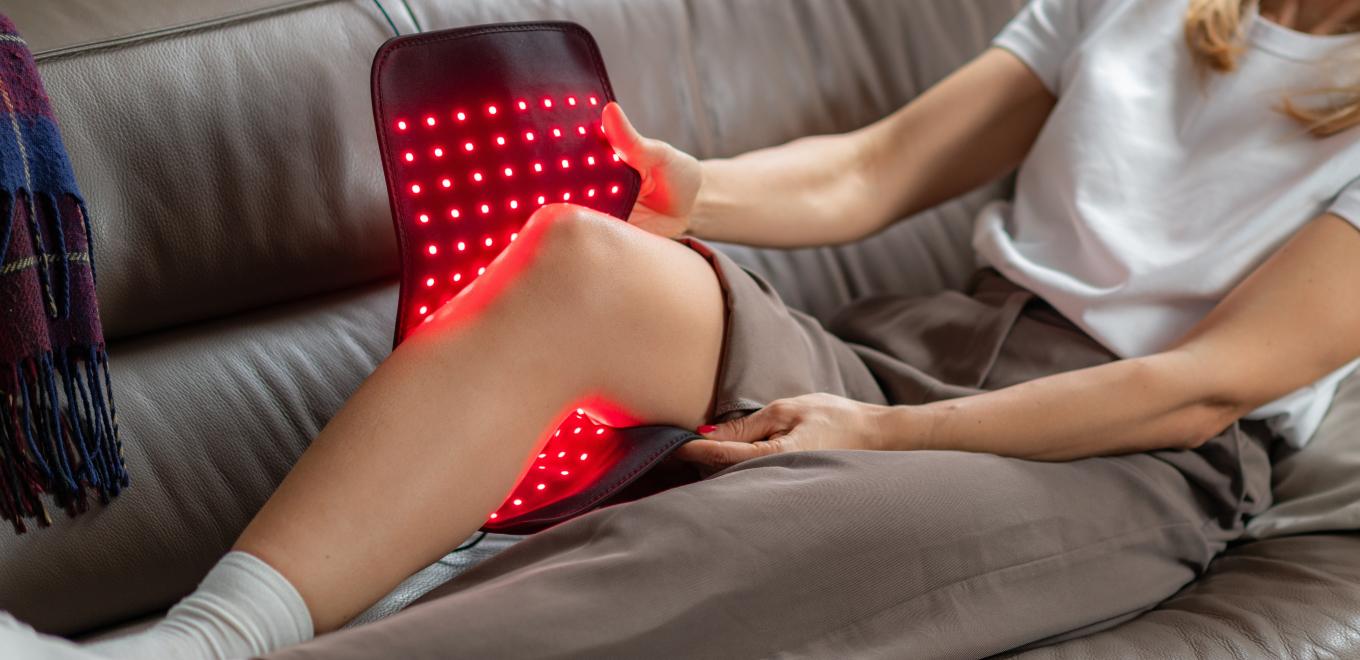
No. Red light therapy uses wavelengths in the 600-850 nm range, which sit well outside the 280-315 nm UVB band that triggers vitamin D synthesis. Red light therapy may offer other benefits, like supporting skin healing or muscle recovery, but it isn't a vitamin D source.
No. Light boxes used for seasonal affective disorder (SAD) are designed to deliver bright visible light, typically 10,000 lux, to support circadian rhythm and mood, and most are specifically built to exclude UV light. They don't stimulate vitamin D production.
For many people, it is very difficult to get enough vitamin D from just food. Very few foods naturally contain significant vitamin D, and even with fortified products like cereal, milk, and orange juice, diet alone often isn't enough to maintain sufficient levels, which is why sunlight, UVB light therapy devices, or supplements typically play a role too.
It varies by method and starting point, but in a clinical trial, participants using UVB light therapy device, Solius, saw meaningful increases in serum vitamin D over 21 weeks of consistent weekly use. Response time with sun exposure or supplements depends on dose, skin tone, baseline levels, and other individual factors. A blood test is the most reliable way to track progress.
Unmanaged UVB exposure (like unprotected sun or tanning beds) carries real risks, including sunburn and long-term skin damage. Devices like Solius are designed to manage that risk by calculating a personalized dose based on your skin's sensitivity. Some photosensitivity conditions and photosensitizing medications are contraindicated for use. Consult a healthcare provider before use if you are unsure if UVB light therapy is right for you.




See what you can do with your HSA/FSA.
Join 1.5 million Americans who have routed their healthcare dollars toward root cause health via Truemed's HSA/FSA marketplace.
New product announcements
Sales and special offers
Tips for utilizing your HSA/FSA
Editorial Standards
At True Medicine, Inc., we believe better health starts with trusted information. Our mission is to empower readers with accurate and accessible content grounded in peer-reviewed research, expert insight, and clinical guidance to make smarter health decisions. Every article is written or reviewed by qualified professionals and updated regularly to reflect the latest evidence. For more details on our rigorous editorial process, see here.