
Anxiety Relief Devices: The Latest Tech Worth Knowing About
Author:Justin Friedman
Reviewed By:Katherine Janosz, MD
Published:
August 11, 2026
Last Updated:
September 17, 2026


Key Takeaways
The mechanisms behind these devices are real, but evidence at the product level is thinner: Vagal tone, HRV, and touch-based relaxation are established areas of stress research, though most trials use research-grade equipment rather than the specific consumer devices sold under a brand name.
These devices are often considered a strong complement, not a replacement: They tend to fit alongside therapy, movement, breathing, and sleep habits rather than standing in for professional care.
Anxiety relief devices aren't automatically HSA/FSA eligible: Products used for general wellness generally don't qualify, but a device may qualify when a licensed practitioner ties it to a diagnosed medical condition and the applicable substantiation requirements are met.
Truemed helps simplify the process: Shop a participating product, complete a private health intake survey, and, if you qualify, an independent clinician can provide the appropriate medical documentation for your purchase.
Shop Eligible Products
Ready to unlock your HSA/FSA funds for qualified medical expenses?
Are there any anxiety relief devices I can buy with my HSA/FSA?
Yes, some anxiety relief devices and health tools may be eligible for HSA/FSA spending when used to treat a specific medical condition and accompanied by appropriate documentation from a licensed healthcare provider.
There's a growing category of consumer tech built around helping your nervous system downshift, including wearables that buzz gently on your wrist, handhelds that target the vagus nerve, headbands that read your brainwaves, and even weighted blankets. It's an interesting space if you're looking for easy-to-use tools that could help you manage a diagnosed condition, like anxiety or depression.
If you’re considering investing in a health tool that markets itself for “anxiety relief,” it’s worth knowing what’s actually out there and what the brands behind these devices claim they can do.
Below is a look at the latest anxiety relief tech, how it fits alongside other anxiety management strategies, and how HSA/FSA dollars can factor in for qualified customers.
What Are Anxiety Relief Devices?
Anxiety relief devices are wearables and handhelds built to help calm the body's stress response through physical inputs. A few mechanisms show up again and again in this category.
Remember: how well any single device works can vary a lot from person to person, and the research in this space is still growing.
Touch and vibration therapy
Gentle, rhythmic vibration worn on the body, meant to feel soothing and signal safety to the nervous system.
One small study in Scientific Reports found that a wearable delivering slow, heartbeat-like vibration lowered physiological arousal and reported anxiety during a stressful public-speaking task.
Vagus nerve stimulation (VNS)
Mild electrical stimulation, or other forms of stimulation marketed as targeting the vagus nerve, are being explored as ways to influence autonomic nervous system activity.
A randomized controlled trial in a small cohort of elite female athletes found significant reductions in stress, cognitive anxiety, somatic anxiety, and depression, as well as a significant increase in confidence within the group of athletes that received the VNS treatment.
Heart rate variability (HRV) biofeedback
Sensors that track HRV, a marker of how your nervous system is functioning, and use that data to guide breathing or relaxation.
A review of nine randomized trials supports its use for anxiety, depression, and stress, and a small trial in pregnant women found measurable benefits for anxiety.
Guided breathing tools
Devices or apps that pace your breath to encourage a slower, calmer rhythm.
Randomized trials have shown slow-paced breathing lowers anxiety and boosts heart rate variability, with related work confirming it also strengthens a brain marker tied to emotional regulation.
Deep touch pressure
Weighted products, like blankets, that apply gentle, even pressure across the body. A randomized weighted blanket trial found stronger anxiety-related effects in people with higher trait anxiety.
Wait, So What Is Vagus Nerve Stimulation?
This one requires a bit of a deep dive because it’s such an interesting and emerging health tactic. The vagus nerve is the longest cranial nerve in the body, running from the brainstem down through the neck, chest, and abdomen. It's a key part of the parasympathetic nervous system, the "rest and digest" side that helps counterbalance the stress response. Practices such as slow breathing and cold exposure can influence autonomic nervous system activity, while some devices are specifically designed to stimulate the vagus nerve. Consumer VNS devices are a newer category, but interest in the underlying mechanism has been building steadily in neuroscience and psychiatry research.
How to Relieve Anxiety Without Medication
Anxiety relief devices appear to work best when they are part of a larger anxiety-management toolkit. For some people that toolkit includes medications prescribed by their physician. For others, it’s made up of a combination of non-pharmaceutical tactics. There is no one-size-fits-all approach to managing conditions like anxiety, so always speak with a licensed healthcare provider if you are looking for advice on your specific situation.
Here are some of the most popular non-pharmaceutical approaches people may use alongside anxiety relief devices:
- Therapy, including Cognitive Behavioral Therapy (CBT) and other evidence-based approaches
- Movement and exercise, which can help manage stress and pump endorphins
- Breathwork, like slow diaphragmatic breathing
- Sleep hygiene, since poor sleep and anxiety may feed each other
- Mindfulness and meditation practices
Tech-based tools for relieving anxiety are a great complement to all of this, especially given how easy they are to fit into a busy lifestyle. A five-minute session with an anxiety relief wearable is a lot more realistic on a packed Tuesday than a full meditation practice.
Do Anxiety Relief Devices Work?
The honest answer is it depends on the specific product or practice, but there's a real physiological basis for these mechanisms. HRV is a widely studied measure of autonomic regulation, and research has explored its relationship with stress and anxiety. Several of the approaches used by these devices, including slow-paced breathing, HRV biofeedback, some forms of vagus nerve stimulation, and deep touch pressure, have been studied in clinical trials, although the strength of the evidence varies by approach and device.
Where the evidence gets thinner is at the product level. Most of the research we’ve referenced in this article was conducted with research-grade or clinical equipment, not necessarily the exact consumer device sold under a given brand name. Additionally, results vary from person to person and study to study. So the honest framing is this: the underlying mechanisms are real and studied, but how well any single product delivers on them is still an open question, and one worth discussing with a doctor or therapist if anxiety is something you're actively managing. That's also part of why a letter of medical necessity matters, because it puts a licensed clinician between you and the decision of whether a specific device fits your situation. More on that later.
Featured Anxiety Relief Devices
Truemed partners with many health tech and anxiety relief device brands to help qualified customers pay for these products with pre-tax HSA/FSA funds when a clinical need is established and the purchase is supported by a letter of medical necessity.
Here are a few options you could explore in this space that we pulled from our partner brands. This isn't a ranked list of winners, just a look at what different brands are building and what they say their devices do. Check current pricing and specs directly with the brand before buying.
Apollo Neuro
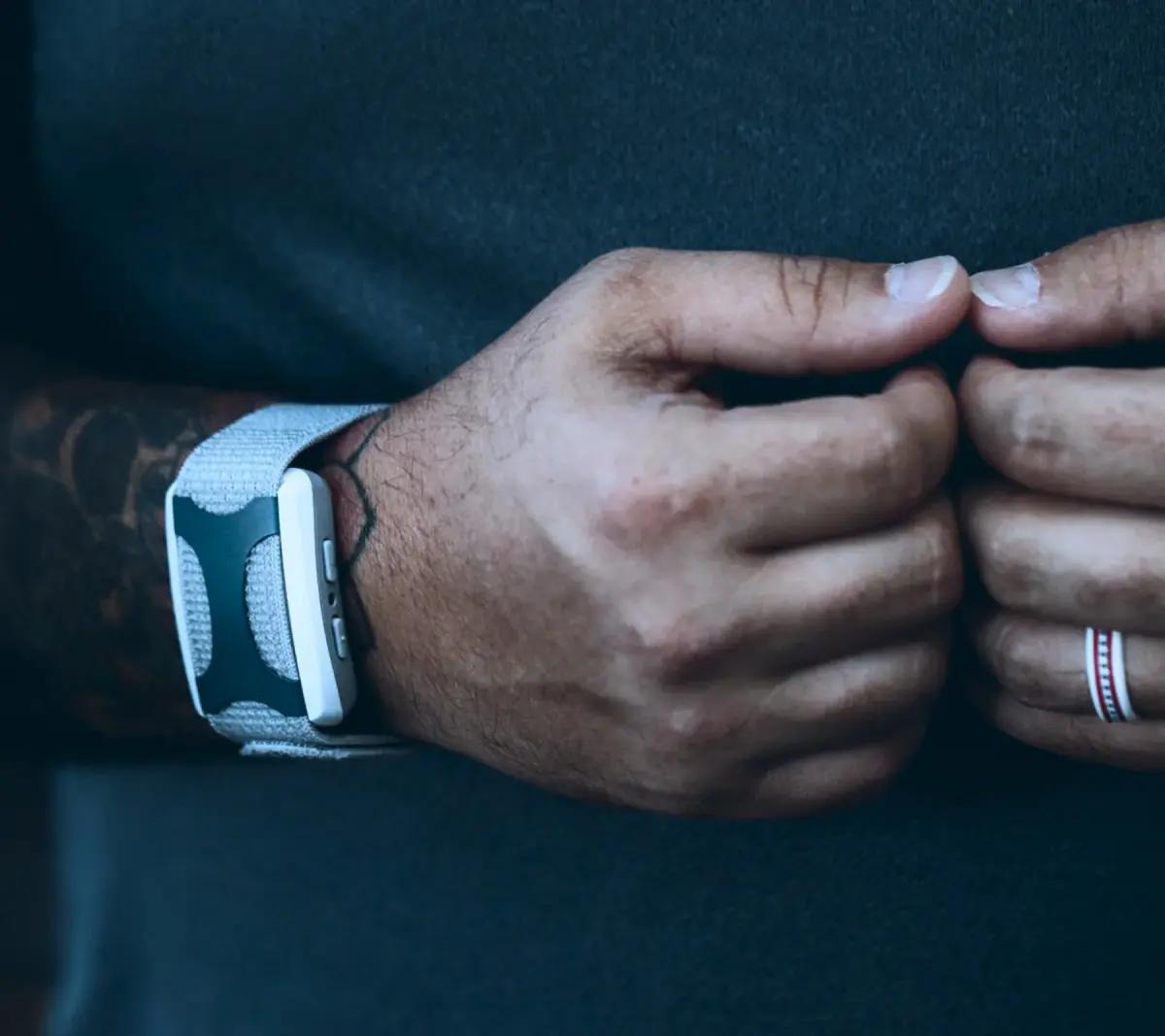
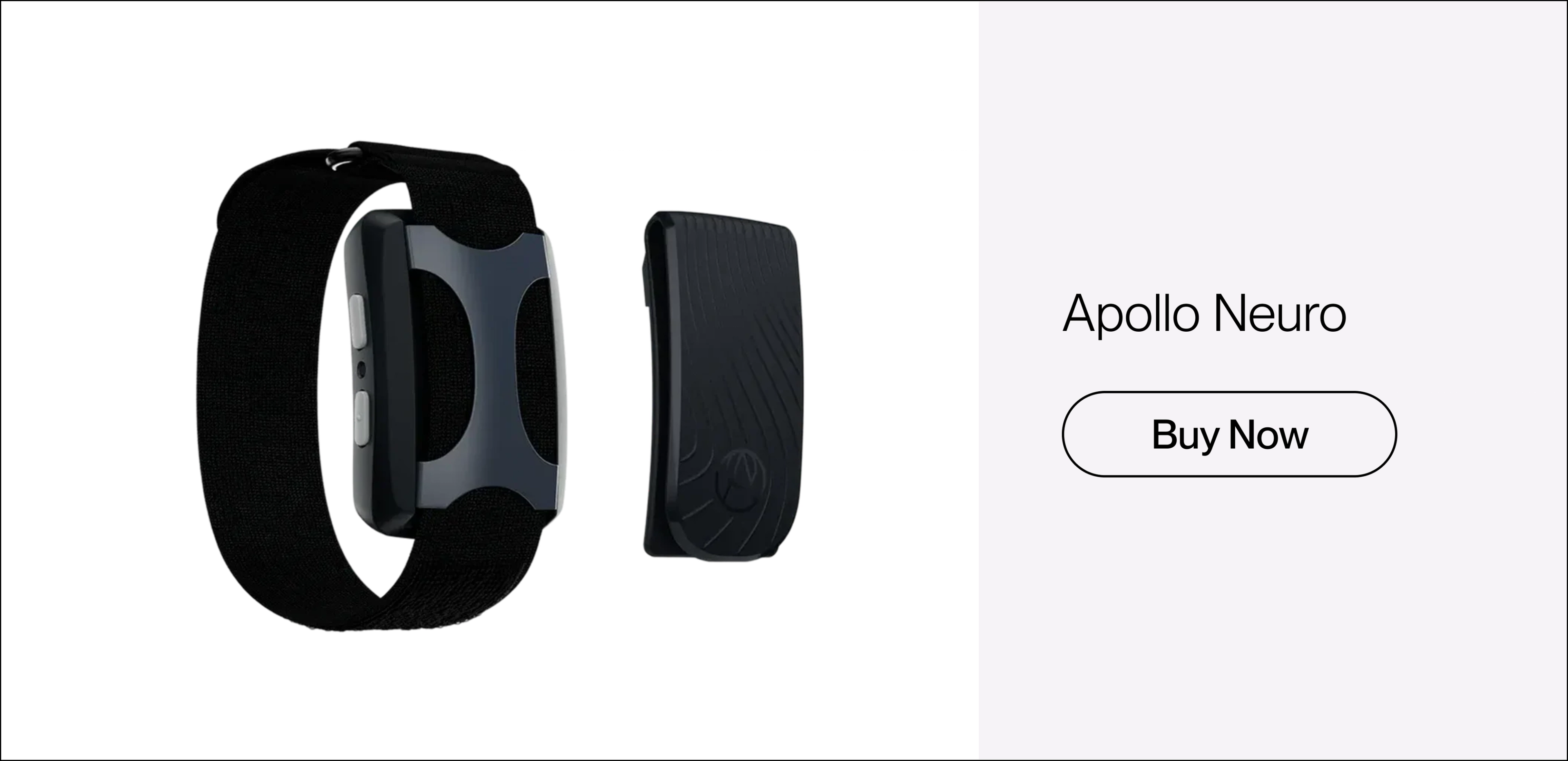
The Apollo Neuro is a wrist- or clip-on wearable that uses gentle, rhythmic vibration, what the company calls "touch therapy." Apollo says it's designed to work with your nervous system and HRV to support stress resilience, better sleep, and an overall sense of calm. It's built to be worn all day, so you could use it during a stressful meeting or as part of a wind-down routine at night. Apollo Neuro is HSA/FSA-eligible for qualified customers.
Truvaga
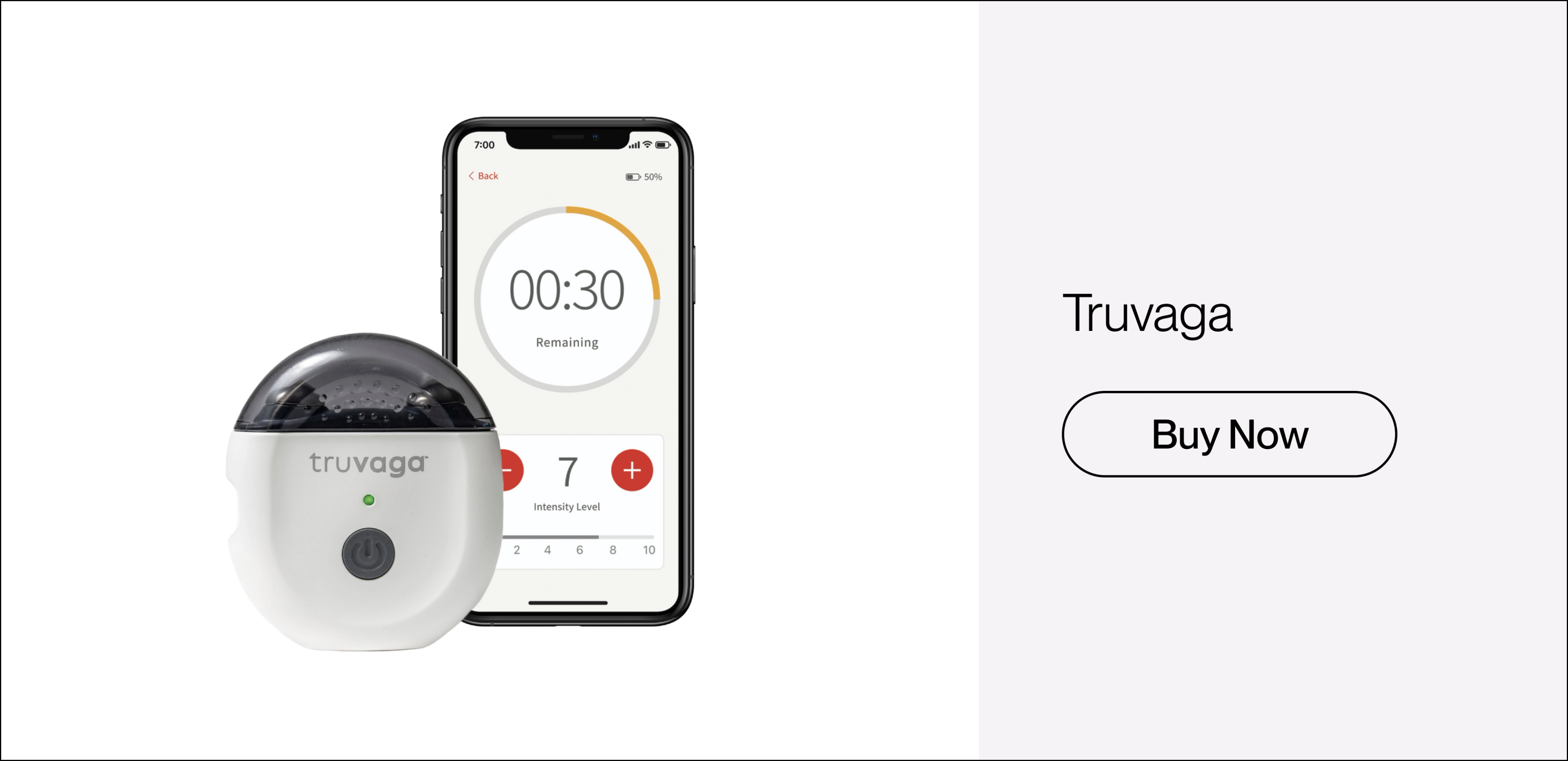
Truvaga is a handheld vagus nerve stimulation device. The company describes it as a way to gently stimulate the vagus nerve and shift the body from "fight or flight" into a calmer state in about two minutes. Truvaga is HSA/FSA-eligible for qualified customers.
Bearaby
Looking for something outside the health tech category to help with anxiety? The Bearaby weighted blanket takes a different approach: a hand-knit blanket built around deep touch pressure. The brand describes the even weight as helping ease the nervous system into a calmer, more grounded state, the same idea behind weighted blankets in general. Bearaby is HSA/FSA-eligible for qualified customers.

How It Works with Truemed and HSA/FSA
Truemed* helps qualified customers put their HSA/FSA dollars toward products like these when they're used to address a diagnosed medical condition:
- First, you can check whether a product is already a standard qualifying medical expense, or whether it needs an LMN.
- If an LMN is appropriate, an independent licensed practitioner (via Truemed's independent clinical partner, Root Cause Functional Medicine) reviews your medical history. If you qualify, they issue the LMN. Truemed itself doesn't make eligibility determinations.
- From there, you can pay with your HSA/FSA debit card, or submit your LMN and receipts for reimbursement.
- Truemed also offers support if a reimbursement claim gets denied and you need help with substantiation documentation.
*Truemed is for qualified customers. HSA/FSA tax savings vary. Learn more at truemed.com/disclosures
FAQ
Some people use these devices as a complement to other anxiety-management strategies, but results can vary substantially by person and device.
It depends on the device and brand. Some devices in this category are registered or cleared for general relaxation use rather than as medical treatments for anxiety specifically. Check the device's documentation or the manufacturer's site for its current regulatory status.
It may be, for qualified customers with a letter of medical necessity connected to a diagnosed medical condition.
They may be, for qualified customers with a letter of medical necessity connected to a diagnosed medical condition.

See what you can do with your HSA/FSA.
Join 1.5 million Americans who have routed their healthcare dollars toward root cause health via Truemed's HSA/FSA marketplace.
New product announcements
Sales and special offers
Tips for utilizing your HSA/FSA
Editorial Standards
At True Medicine, Inc., we believe better health starts with trusted information. Our mission is to empower readers with accurate and accessible content grounded in peer-reviewed research, expert insight, and clinical guidance to make smarter health decisions. Every article is written or reviewed by qualified professionals and updated regularly to reflect the latest evidence. For more details on our rigorous editorial process, see here.