
Are Mattresses HSA/FSA Eligible, and How Can You Buy One?
Author:Justin Friedman
Reviewed By:Katherine Janosz, MD
Published:
August 24, 2026
Last Updated:
October 06, 2026
Truemed writers and editors independently evaluate all our product recommendations. If you make a purchase through any affiliate links we provide, we may receive compensation. Learn more.


Key Takeaways
A mattress can qualify as a medical expense: but only when it's tied to a medical condition or medical need and a provider's recommendation, not general comfort.
Even a qualifying mattress is usually only partially eligible: the baseline cost of an ordinary mattress is excluded; only the amount above that baseline is potentially reimbursable.
Eligibility is condition-driven, not brand-driven: price tag and marketing claims don't determine whether a purchase qualifies.
Truemed helps simplify the process: it can be confusing to determine eligibility for dual-purpose/partially eligible products like mattresses. Truemed integrates the qualification process directly into checkout.
Keep your LMN and itemized receipt: your plan administrator may ask for proof later.
Key Takeaways
Are mattresses HSA/FSA eligible? Here’s how to buy one with pre-tax funds
What does "partial eligibility" mean for a mattress?
Why do mattresses fall into this gray area?
What medical conditions may support mattress eligibility
Featured HSA/FSA-eligible mattresses
What it looks like to buy a mattress with HSA/FSA funds
FAQ
Shop Eligible Products
Ready to unlock your HSA/FSA funds for qualified medical expenses?
Are mattresses HSA/FSA eligible? Here’s how to buy one with pre-tax funds
Mattresses aren't automatically HSA/FSA eligible, though they may qualify for certain customers. That's because a mattress is a "dual-purpose" item which is something with both a general wellness use and a medical use, depending on who's buying it and for what. The distinction is that everyone needs a mattress regardless of their health, but for some people, the right mattress also treats a a documented medical condition or medical need.
For a personal item such as a mattress, eligibility depends on whether it is purchased primarily to prevent or alleviate a diagnosed illness or disability, rather than for general comfort or wellness. A mattress purchased for comfort alone is a personal expense. However, a mattress a licensed provider ties to treating, managing, or preventing a medical condition or medical need can qualify as a medical expense under IRS rules, when backed by a Letter of Medical Necessity (LMN).
Even in that case, only the cost above the baseline cost may be eligible, not the full price. We’ll dive more into partial eligibility below.
What does "partial eligibility" mean for a mattress?
Everyone needs some kind of mattress no matter their health, so the baseline cost of an ordinary mattress isn't treated as a medical expense, even if the mattress is tied to the treatment of a medical condition or medical need. However, the cost above the baseline cost may be eligible for qualified customers.
In practice, a standard mattress in a comparable size is used as the reference point, and the eligible amount is whatever your mattress costs above that reference.
Take a king-size specialty mattress that costs $2,500 with features designed to ease chronic back pain or other diagnosed musculoskeletal issues. For its current comparable-item methodology, Truemed uses a $268 baseline for a king-size mattress. That $268 is treated as the ordinary expense anyone would pay for a bed, and the remaining $2,232 is the portion that's potentially eligible, assuming the customer otherwise qualifies, and the purchase is supported by the required medical documentation.
Truemed applies a comparable-item methodology to determine the potentially eligible portion of qualifying mattress purchases. These baseline amounts are determined by Truemed and may change over time; they are not mattress price standards established by the IRS. Here's roughly what that ineligible baseline looks like by mattress size:
| Mattress Size | Typical Baseline (Ineligible) Cost |
|---|---|
| Twin | $133 |
| Double | $178 |
| Queen | $228 |
| King | $268 |
Whatever a specialty mattress costs above these figures is the portion that's potentially eligible, once a licensed provider ties the purchase to a documented condition where the provider determines that the specific mattress and its relevant features are medically appropriate.
You generally don't need to calculate the eligible amount yourself. Truemed facilitates the qualification and documentation process, while an independent licensed clinician determines whether the medical necessity criteria are met. Your HSA/FSA administrator ultimately determines whether a submitted expense is reimbursable under your plan.
An important thing to note is that partial eligibility is not unique to mattresses. Other dual-purpose categories, like orthopedic footwear, get evaluated the same way since the baseline cost of shoes is a daily use item everyone must have, completely separate from medical need.
Why do mattresses fall into this gray area?
A mattress is something almost everyone buys, healthy or not. That makes mattresses fundamentally different from something like a CPAP machine, which someone without sleep apnea, for example, would have no reason to buy at all. Since the mattress purchase happens regardless of medical status, the "everyone needs a bed" portion of the cost stays personal, and only the documented medical add-on is potentially eligible for HSA or FSA spending.
What medical conditions may support mattress eligibility
A diagnosis alone does not make a mattress HSA/FSA eligible. The relevant question is whether a provider determines that the specific mattress or its medically relevant features are primarily intended to prevent or alleviate a particular medical condition. For example:
- Chronic back pain: a provider may recommend a mattress with particular support or pressure-relieving characteristics as part of managing symptoms.
- Herniated or bulging discs: proper spinal alignment may help ease pressure on affected discs.
- Degenerative disc disease: consistent, even support may help manage discomfort as disc height changes over time.
- Sciatica: pressure relief along the hips and lower back may ease nerve-related pain.
- Osteoarthritis or rheumatoid arthritis: joint-friendly support may reduce pressure points that worsen overnight stiffness.
- Fibromyalgia: pressure-relieving materials may help minimize tender-point discomfort.
- Sleep apnea: certain mattress and base combinations may support positioning some providers recommend.
- Circulatory issues or edema: pressure redistribution may support circulation during sleep.
- Risk of pressure sores or limited mobility: specialty foam or hybrid construction may help reduce sustained pressure on vulnerable areas.
- Post-surgical recovery: supportive, adjustable sleep surfaces are sometimes recommended during recovery.
General discomfort, an old mattress, or wanting an upgrade doesn't clear the medical necessity bar on its own. However, a documented diagnosis and a provider's determination that a specific type of mattress supports managing it, does.
Featured HSA/FSA-eligible mattresses
Truemed partners with dozens of mattress and sleep brands, including Purple, Nectar, and DreamCloud, to help qualified customers put their HSA/FSA dollars toward health-related purchases.
Below are a few examples across these brands, the health conditions each product may be relevant for, and why.
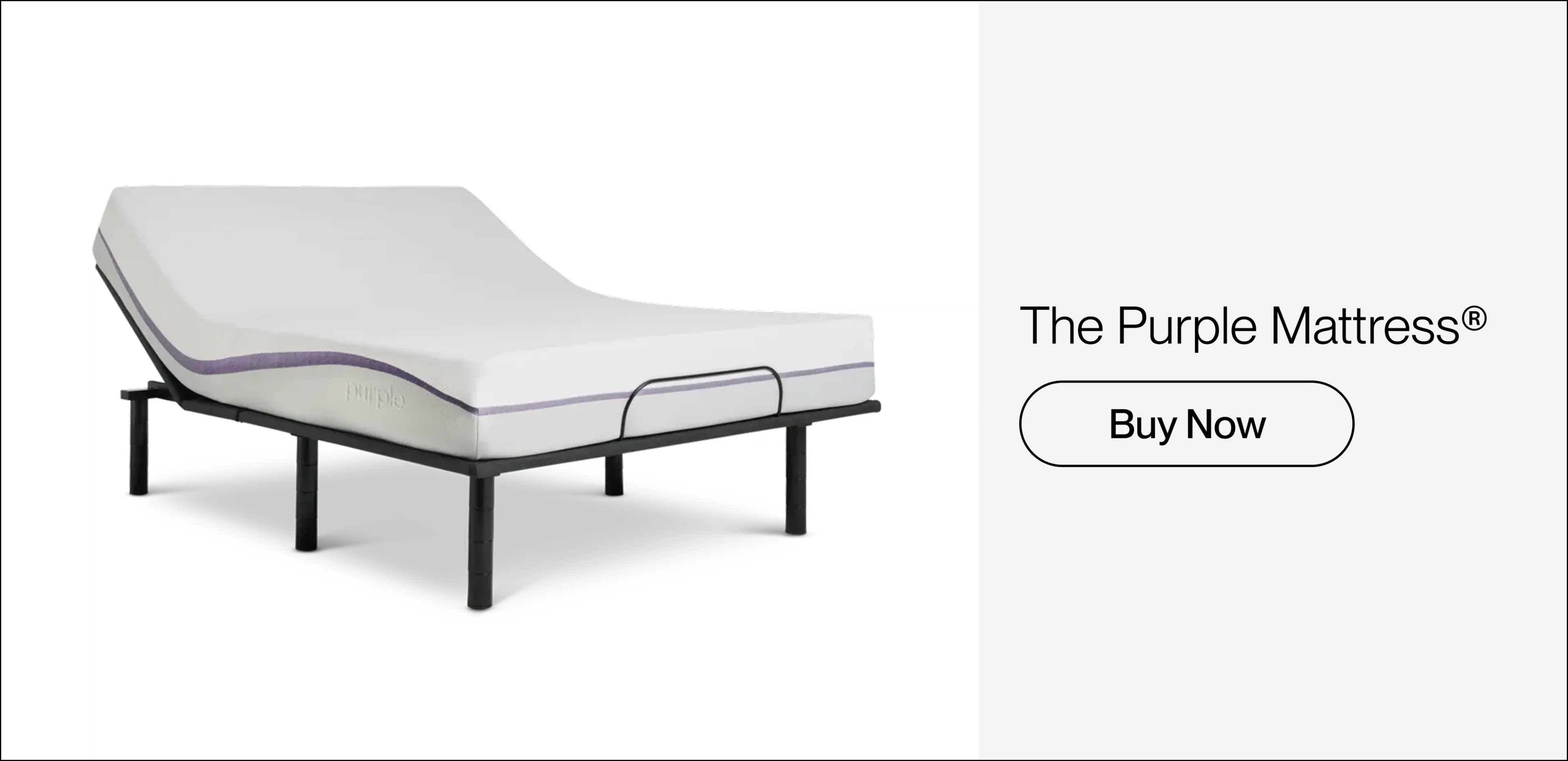
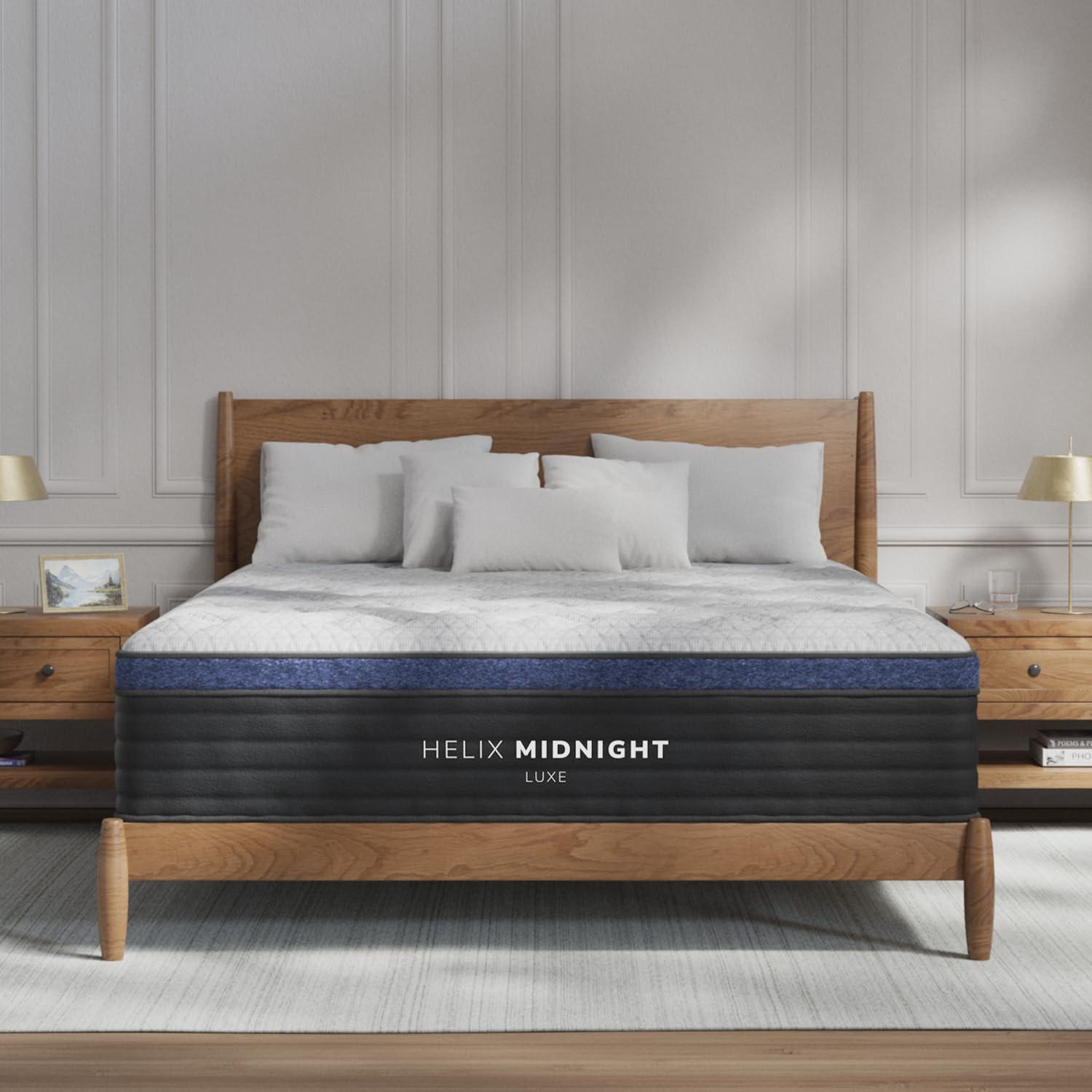
Purple's SleepScore Validated mattresses are built around the GelFlex Grid®, a pressure-relieving surface originally developed for medical use, designed to address common issues with traditional foam and spring surfaces such as pressure buildup, poor spinal alignment, and heat retention.
Comfort Foam and Base Support Foam pair with the GelFlex Grid® to reduce pressure buildup and adapt to your body as you move. This may be eligible for HSA/FSA spending for customers with a qualifying diagnosis such as chronic back pain, a disc injury, or a circulation-related condition where pressure relief is medically relevant.
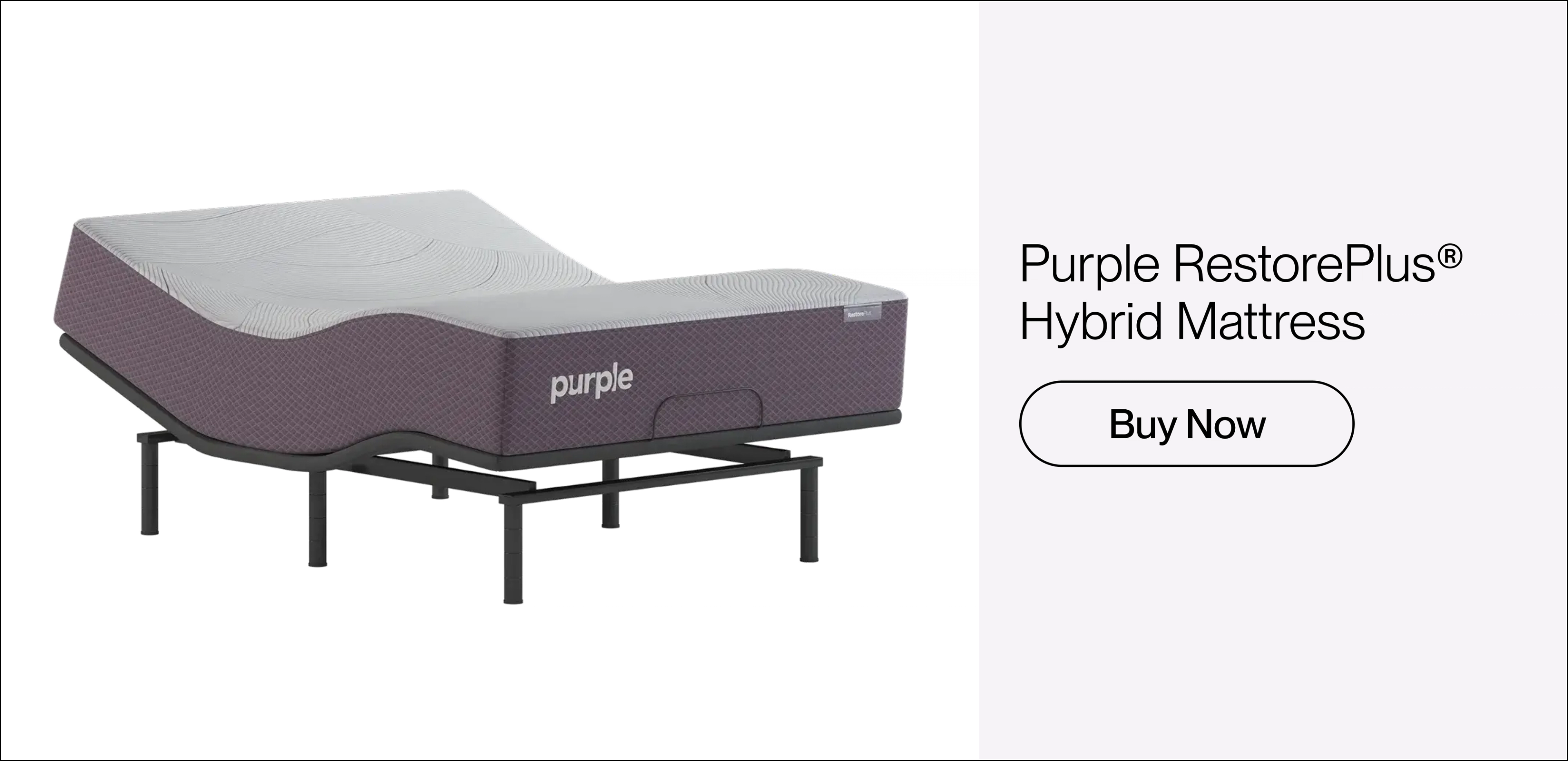
Three inches of GelFlex Grid® sit over a zoned coil system and Ultra Comfort Foam, concentrating pressure relief at the hips and shoulders while supporting spinal alignment. This may be eligible for HSA/FSA spending for customers with a qualifying diagnosis such as a neck or back injury, a hip alignment issue, or a sleep disorder where spinal support and pressure relief are medically relevant.
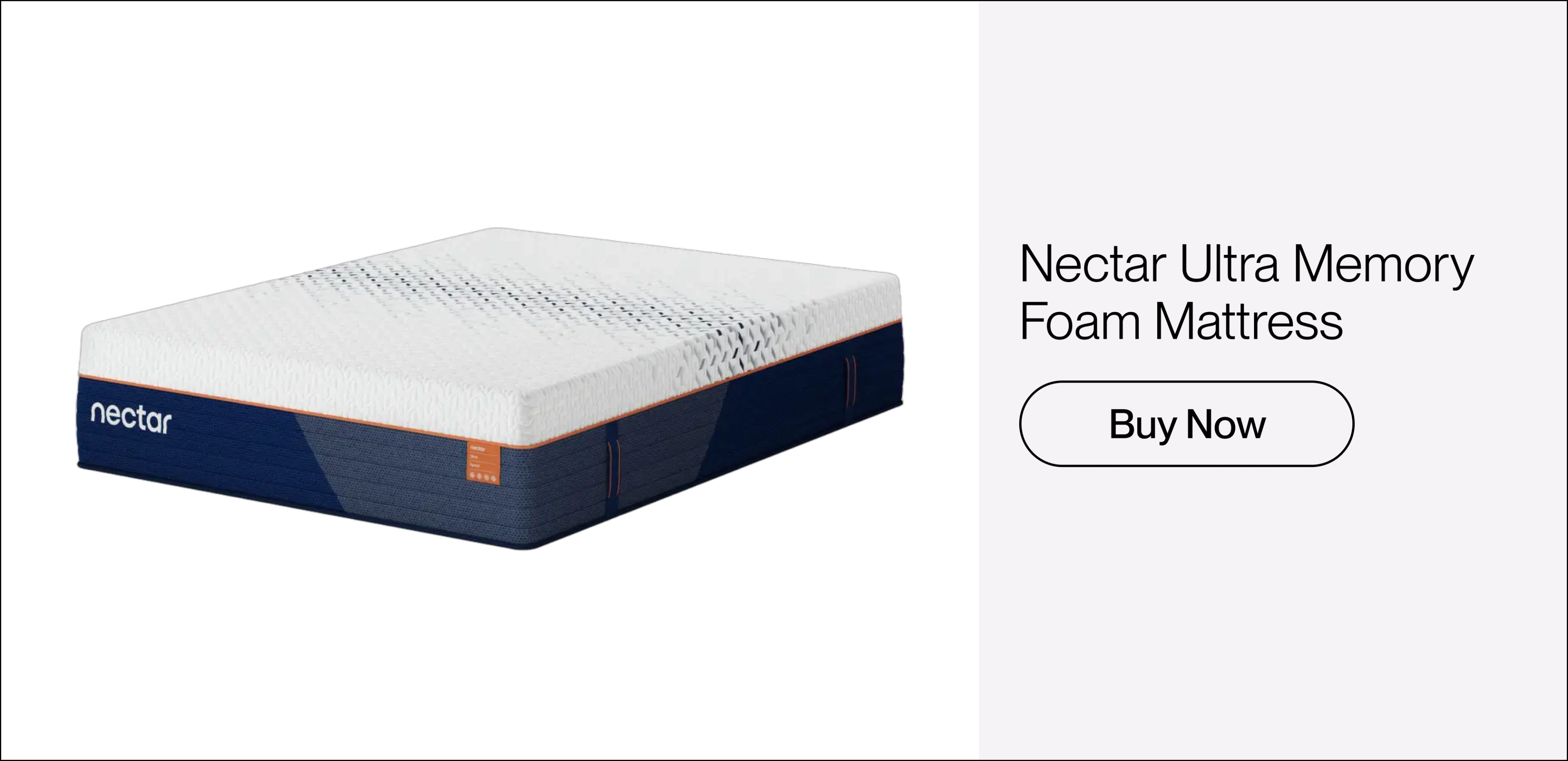
Nectar's memory foam mattresses use zoned, contouring foam layers designed to distribute pressure across the shoulders, back, and hips rather than concentrating it at a few points.
A deep memory foam layer paired with a zoned ergonomic support layer targets pressure relief at the shoulders, back, and hips. This may be eligible for HSA/FSA spending for customers with a qualifying diagnosis such as chronic back pain, osteoarthritis, or a pressure-point-related condition where contouring support is medically relevant.
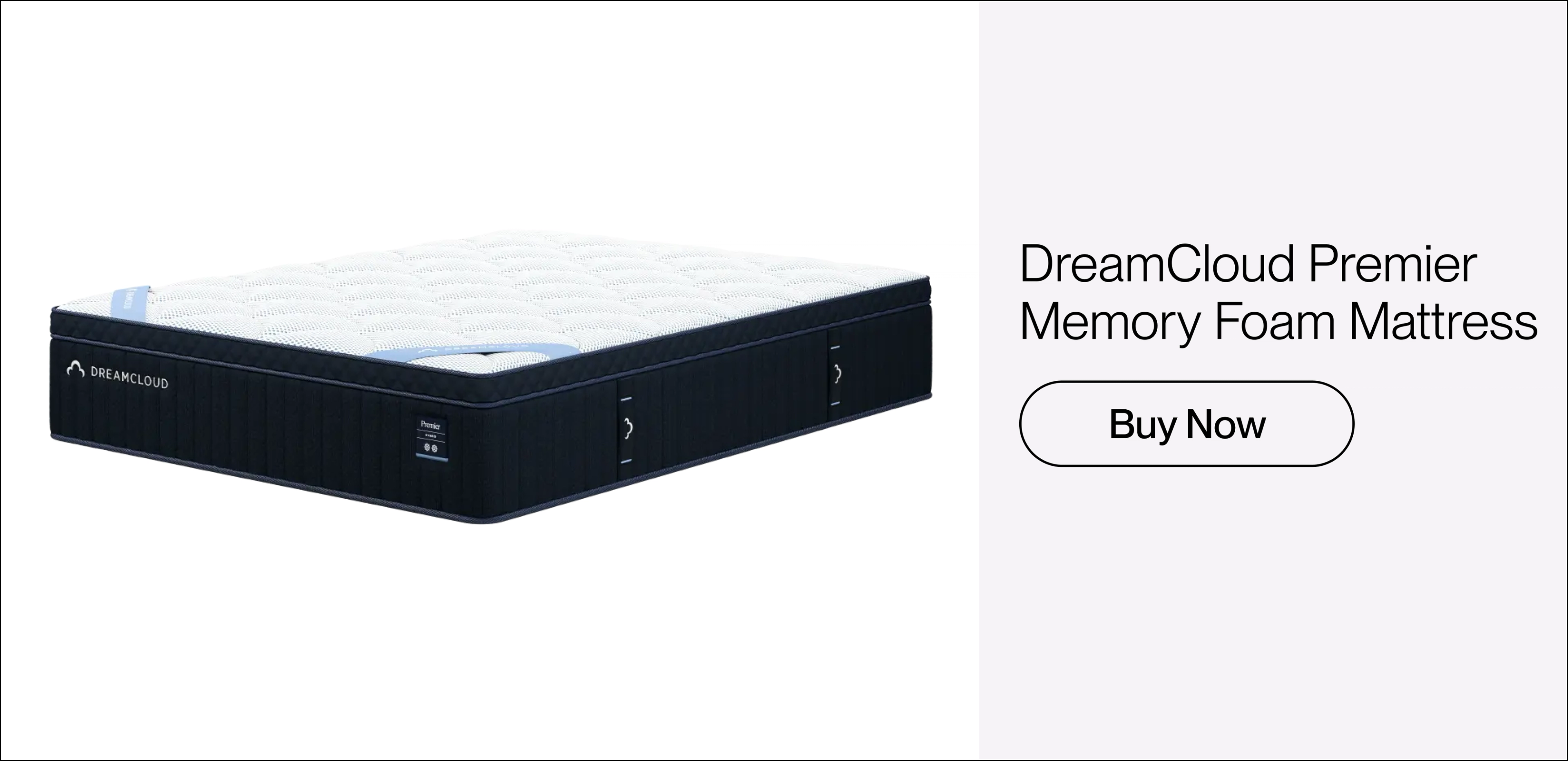
DreamCloud's hybrid construction combines memory foam with cooling and support layers, aimed at consistent pressure relief and temperature regulation through the night.
A 5-layer design with 2x the cooling fibers and memory foam of DreamCloud's Classic model is built for consistent support and temperature regulation. This may be eligible for HSA/FSA spending for customers with a qualifying diagnosis such as fibromyalgia, a circulation-related condition, or a sleep disorder where consistent pressure relief and temperature regulation are medically relevant.
Comparing more sleep options? Truemed's sleep marketplace covers other clinically-relevant brands too, so it's worth browsing the full category to see which sleep products may fit your needs.
What it looks like to buy a mattress with HSA/FSA funds
Earlier we went over the fact that mattresses are considered a “dual-purpose” item, meaning they have both a general wellness and a medical need. Mattresses have an additional consideration that many other dual-purpose products do not: even when the purchase qualifies as medical care, the entire cost may not be eligible. Under an incremental-cost approach, only the portion attributable to the medically necessary features may qualify. This is because everyone needs a mattress, regardless of their health history and needs.
Figuring out if you’re even qualified to spend HSA/FSA funds on a mattress purchase and then also figuring out partial eligibility can be extremely confusing.
That’s where Truemed* comes in. Truemed is a platform that builds the qualification step directly into checkout at partner brands, so qualified customers can use HSA/FSA funds without chasing down paperwork. Here's how it works:
- Add an eligible mattress product to your cart at a Truemed partner brand and select “Pay with HSA/FSA” (look for the Truemed logo at checkout).
- Complete a health intake survey for review by an independent licensed clinician; an in-person visit may not be required through Truemed's process.
- An independent, licensed clinician reviews your information and, if you qualify, issues a Letter of Medical Necessity (LMN).
- Pay directly with your HSA/FSA card, or use a regular card and follow the included guide to submit for reimbursement.
If a specialty mattress is part of how you manage a medical condition or medical need, it's worth checking whether your desired mattress qualifies before paying out of pocket.
*Truemed is for qualified customers. HSA/FSA tax savings vary. Learn more at truemed.com/disclosures
FAQ
Not a prescription in the traditional sense. You'll typically need a letter of medical necessity from a licensed provider, based on a documented condition.
It's uncommon. In most cases, only the cost above a comparable standard mattress is eligible, since everyone needs some kind of mattress regardless of health status.
If you've qualified through Truemed, you can typically use your card directly at checkout. If preferred, you can pay another way and seek reimbursement afterward.
Truemed's documentation identifies the potentially eligible portion of the purchase and provides supporting records such as the LMN and itemized receipt. Truemed also offers support with substantiation documentation if a claim gets denied.
Eligibility is not determined simply by the brand or by marketing claims. A qualifying purchase must meet the applicable medical-expense requirements, and the medical necessity must be supported by appropriate documentation. A provider may consider the features of a particular mattress when determining whether it is medically appropriate for your condition. Check eligibility with your provider or through Truemed’s online process.




See what you can do with your HSA/FSA.
Join 1.5 million Americans who have routed their healthcare dollars toward root cause health via Truemed's HSA/FSA marketplace.
New product announcements
Sales and special offers
Tips for utilizing your HSA/FSA
Editorial Standards
At True Medicine, Inc., we believe better health starts with trusted information. Our mission is to empower readers with accurate and accessible content grounded in peer-reviewed research, expert insight, and clinical guidance to make smarter health decisions. Every article is written or reviewed by qualified professionals and updated regularly to reflect the latest evidence. For more details on our rigorous editorial process, see here.